


Filter by Categories
Entrusted with Godly Holiness
Feast of Tabernacles Sermon by Mark SchindlerGod has entrusted His own holiness to those called into the Body of Christ, a responsibility far greater than the one Americans received in the founding principles of liberty. The Holiness Chapters of Leviticus (11, 19, 20, 21) command, "You shall be holy, for I am holy," and Peter applies this to the called now as a chosen generation, a royal priesthood, and a holy nation, separated from the world's lusts and conforming to the Father who is holy in all conduct. Godliness is a reverential attitude, while holiness means living like God and devoting one's life to imitating Him. This is not perfection but growth in grace and knowledge after forgiveness through Christ and the receiving of the Holy Spirit. No one can do this alone; God develops a heart of flesh through His Spirit, something Israel generally lacked. Romans 3 shows that God's Word will be accomplished through the faithful even if some prove unfaithful, so the trust brings both comfort and warning. Hebrews 6 and 10 warn that deliberately falling away from the truth and spurning the blood that made one holy leaves only judgment. Judgment now begins at the house of God (1 Peter 4:17), and holiness is lived in love, unity, and diligent obedience. Just as a nation is destroyed from within, believers can destroy the holiness entrusted to them, yet God will finish the work He began in them.
Be Holy, as I am Holy
Sermon by Ted E. BowlingHoliness means being set apart, a cut above, for God's use, and it has everything to do with God rather than with us. God's own holiness speaks of His majesty, power, and perfect righteousness, and He calls His people to reflect that character: "Be holy, for I am holy" (I Peter 1:15-16). This is more than mere morality or physical separation; it is a spiritual change that requires God's Holy Spirit. God makes things holy by sanctifying them. He sanctified the Sabbath as a sign and beacon of His covenant with His people. He set Abraham apart, and Abraham trusted Him, walked blamelessly, and was called God's friend. God then chose Israel as a holy people and treasure to be a model nation and a light, though they largely failed to take the covenant to heart. The same calling now applies to the church: chosen before the foundation of the world, not because of any strength or accomplishment, since God chooses the weak (I Corinthians 1:26-27; Ephesians 1:3-6; I Peter 2:9). Christ gave Himself to purify a special people, and His life continues to work in believers to make them holy. Holiness is a daunting, lifelong process of sanctification and conversion, tested by trials. It is shown in godly fruit such as love, patience, kindness, humility, and forgiveness, and it requires being mentally and spiritually prepared to resist temptation.
Holy as He is Holy
Sermonette by Ronny H. GrahamBecoming holy is a process that spans an entire lifetime, which includes embracing God's holy days and tithes. Becoming holy takes continuous practice
The Holiness Code
Sermon by Richard T. RitenbaughHoliness is God's essential nature, a purity beyond human comprehension, and the theme of Leviticus 17-27 is "You shall be holy, for I the LORD your God am holy." Only God can pronounce or make anything holy, so keeping the laws of this "holiness code" cannot by itself produce holiness; that is the legalism of the Pharisees. In the covenant, God first sets His people apart by a legal declaration (Exodus 19; Deuteronomy 7 and 26, where Israel is "proclaimed" holy so that it "may be" holy). Law-keeping is then a grateful response, and through it, with the help of His Spirit, believers spend their lives growing in holy character. Israel lacked the Spirit (Deuteronomy 29:4) and never advanced beyond the declaration, while Christians have the means to truly become holy. Even Helel was set apart yet did not become holy, because righteous character requires willing cooperation and cannot be created by fiat. Without God's Spirit, a person keeping the code can be moral but not holy. Holiness is a commanded goal, since without it no one sees God (Hebrews 12:14). The code still applies because it reveals God's unchanging character. Some laws apply only in spiritual principle rather than letter, and the tests are whether a law defines sin, whether Scripture revokes it, whether Christ or the apostles set an example, and where it appears. Jesus' expansion of Leviticus 19:12 in Matthew 5, and the gleaning law's extension to generosity, show the spirit of the law.
Sanctification and Holiness (Part 1)
Sermon by John W. RitenbaughHoliness, expressed in the Bible as sanctification, means being set apart by God for His purposes, and it is both a condition that begins with God's calling and a dynamic, ongoing process of refinement. Everything starts with what God does: He separated Abraham, Israel from Egypt, Jesus, and now the church, as an act of sovereign love and grace, not human works, so any glory belongs to the Lord (I Corinthians 1; Ephesians 2:10). Believers are God's workmanship, like living stones being shaped by the divine Mason into a spiritual house and a royal priesthood (I Peter 2). Israel's separation was physical and geographical, while the church's is spiritual, moral, ethical, and attitudinal, anticipating the future community of the Kingdom of God. Sanctify also carries the sense of cleanness, purity, and consecration, so God's call, "Be holy, for I am holy," demands clean conduct and acceptable sacrifices made holy through Christ. Being holy means keeping God's commandments, statutes, and judgments, which both witnesses that He alone is God and lets Him form believers into His image. Holiness also means a priestly calling to draw near to God. At Sinai Israel feared for their lives and refused to draw near, thereby rejecting the priesthood aspect of the covenant, so God appointed Moses as mediator and Aaron's family as priests.
Holiness of God (Part 4)
Sermon by John W. RitenbaughGod's holiness is transcendent purity: His otherness and incomprehensible greatness, summing up the totality of His excellence. The vastness of the sun and stars is only a trace of His majesty, and He alone is constant while creation decays (Hebrews 1; Isaiah 55:8-9). Yet He calls His people to "Be holy, for I am holy," and without holiness no one will see the Lord (Hebrews 12:14). In 1 John, God is light, and darkness (sin) cannot exist in His presence, so fellowship requires walking in the light and purifying oneself. Holiness means being separate, and it goes beyond righteousness, which is a step toward it. Because God made humans in His image, they can become holy in a human measure, embodying His goodness, truthfulness, love, and justice in every area of life. The path is not mere rule-keeping but a relationship with God through Christ, in which His glory is communicated to us, until Christ is "formed" in the believer. Confrontation with God's holiness should convict, not crush, by showing what believers will become. The carnal mind opposes holiness, so it is attainable only by grace, which is an ongoing enabling power that includes sanctification and leads to glorification. Growth in holiness is a cooperative effort: it is overwhelmingly God's gift, yet it demands the believer's will and effort. Both self-reliant pride and passive waiting are wrong.
Sanctification and Holiness (Part 5)
Sermon by John W. RitenbaughHoliness is a vital aspect of our relationship with God, reflecting His standards and calling in every facet of our conduct. Only the offerings acceptable to Him are those He has designated, for He receives back what He has given, and these are truly holy. Mankind cannot declare something holy on their own; it is God who makes us holy through His actions, not ours. Everything we do must be to the glory of God, as a result of His calling, ensuring nothing obstructs His glory in our lives. What we eat is deeply connected to maintaining the holiness He has conferred upon us. Consuming anything abominable—impure, unclean, and devoid of holiness—renders us defiled, as it is not recognized by God as fit for His children. This defilement is not merely physical but spiritual, impacting the purity of our bodies, which are now the temple of the living God under the New Covenant. God's standards for holiness are evident in His expectations for offerings at His altar, symbolically His table. He desires pure offerings, rejecting anything not up to His standard as unacceptable. The laws of purity, including regulations on clean foods, are object lessons setting His people apart from the world, teaching that His holiness cannot coexist with uncleanness. We are charged to keep ourselves holy because He is holy, maintaining the purity of the temple of God within us. Holiness involves not only maintaining but increasing in sanctity through faith and the fear of the Lord. Sanctification by God qualifies specific people, objects, and responsibilities for His worship and service. Only those things sanctified by Him are authentic and acceptable; substitutes are deemed strange, profane, defiled, or abominable, and are rejected. God's eternal character demands that His creation produce the desired results through adherence to His stipulations, ensuring worship in spirit and truth. The laws of holiness show how to maintain purity, emphasizing that offerings must come from covenant people, recognized and approved by God. Unholy people transfer defilement to their offerings, rendering them unacceptable. God's concern for holiness is evident in His strict commands, protecting us from becoming unholy and ensuring that only what He designates as holy is used in worship and service to Him.
Holiness of God (Part 3)
Sermon by John W. RitenbaughThe holiness of God stands as the central theme of our spiritual journey, for He is the ultimate standard of purity and transcendence. God's holiness is not merely one attribute among many; it is the essence that elevates all His qualities, making His love a holy love, His mercy a holy mercy, and His justice a holy justice. He is infinitely above and beyond us, separated by an unparalleled purity in every aspect of His being, as our Creator and sovereign Ruler. His holiness is described as transcendent, meaning He exceeds all usual limits, and there is no comparison to Him in all creation. True holiness lies in knowing God and doing His will, not just intellectually but experientially. To know Him is to live like Him, reflecting His righteousness, love, and justice in our lives. An unknown God cannot be trusted, served, or worshipped, and without these, there is no salvation. The carnal mind is repelled by holiness, rejecting and persecuting it because it cannot bear the comparison to God's perfect standard. Yet, we are called to holiness, to be set apart as different in a special way, mirroring His purity and separation from all that is sinful or imperfect. Holiness, at its root, means to be cut apart or separated from others, carrying a sense of being other and different, with strong implications of purity in character and morality. When applied to God, it indicates a cut above, a superiority that is unrivaled. Only God can sanctify and make something holy, lifting it from the commonplace to the special. We, as His called ones, have been separated by Him and are considered holy brethren, not because of what is yet in our hearts, but because of His sanctification for His use and glory. The presence of God alone makes a place or person holy, as seen when He declared the ground where Moses stood as holy, only for it to lose that status when He departed. This principle shows that holiness is tied to God's presence and authority, and whatsoever is holy must be treated with deference and purity due to its relationship with Him. We are to treat each other with kindness, meekness, humility, and forbearance, recognizing that we have been separated to purity by God, regardless of whether that holiness is yet fully realized in our conduct. Holiness is not just an initial sanctification; it involves choices and attitudes leading to right conduct in life. Before conversion, we lived in ignorance, dominated by our own desires, but now we must cease living according to what is profane, which means being far from the holy dwelling place of God. We are to seek to produce the divine likeness in all our behavior, and this can only be achieved through the Holy Spirit, the power and creative force working within us to attain God's holiness. Without the Holy Spirit, one cannot appreciate the beauty of holiness, often feeling repelled by it. The first step to attaining holiness is to be exposed to truth, for sanctification unto holiness begins with confrontation by God's truth. His Word penetrates, cuts, and reveals the falsehoods in our minds, challenging us to make choices that align with His holiness. As we obey His Word, digest it, and make it part of us, we become clean from the inside out, truly holy as He is holy. This sanctification process transforms us, moving us from the glory of man to the glory of God. Holiness is the very excellency of the divine nature, the antithesis of all moral blemishes and defilement. It is the beauty of all God's attributes and the rule of all His actions. We are bidden to be holy in all manner of conduct, striving to remove sin from our lives to see God clearly. God's Spirit, fellowship with Him, faith, and humility, which produce obedience, are the means by which holiness is perfected in us.
Holiness (Part 2)
Sermon by John W. RitenbaughThe holiness of God is a profound and essential aspect of His nature, setting Him apart as unique and incomparable. His name is holy because He is holy, demanding reverence and awe, as it is trampled in the dirt of this world through profanity and carelessness, even by those who bear His name. God's holiness places Him in a class apart, unapproachable not in remoteness but in the sense that no one comes close to being like Him, as expressed in the question, "Who is like You, O LORD, glorious in holiness?" In prayer, the first request taught by Jesus Christ is that God's name be hallowed, held in regard and reverence for all that His majestic name implies, suggesting that His Kingdom will come only where His name is first regarded as holy. Where God's name is held holy, as in heaven, there is peace and endless beauty, contrasting sharply with earth, where His name is not reverenced, resulting in a world filled with violence, evil, and imperfection. Holiness touches every facet of life, extending God's lordship over all creation, including economics, child rearing, education, politics, marriage, and more, as His holy character speaks to every aspect of human involvement. God's uniqueness and holiness are on trial before the world, and it is the responsibility of His chosen to witness that Our God is God, proclaiming His holiness and trusting in Him. The purpose of redemption and calling is to serve Him without fear, with the nature of this service being in holiness and righteousness, making it imperative to seek and understand holiness, as there can be no true worship, spiritual growth, or obedience without it. God's holiness is elevated to the superlative, repeated thrice as "holy, holy, holy," marking it as the only characteristic of God raised to such a transcendent level, causing profound reactions in those who encounter it, like Isaiah, who felt undone and shattered in the presence of the Holy One of Israel. Encounters with God's holiness, as seen with Jesus Christ's disciples and Peter, reveal a terror and discomfort in the presence of the Holy One, highlighting His separateness and uniqueness, which the carnal mind rejects or persecutes, unable to stand the comparison. Holiness, derived from a root meaning to cut or separate, implies transcendence, a cut above, indicating God's superiority and infinite distance from all else, presenting a study in contrasts when humans meet the Absolute, Infinite, and Eternal. God's holiness is not like human conceptions; His love, justice, and mercy are all holy, distinct from human thought, and a right conception of Him is essential to Christian living, as low views of God lead to destruction. Holiness also involves separation to God, consecration from the commonplace to His service, changing the relationship of things and people to Him, setting them apart unto purity, to be treated with deference and respect. As holy brethren, believers are sanctified by God, lifted from the commonplace in relationship to Him, and called to reflect purity alongside apartness, not just in state but in conduct. Holiness for humans involves not only God's sanctification but also choices and attitudes leading to right conduct, ceasing to live according to the profane, and seeking to produce the divine likeness of holiness in all behavior through the aid of His Spirit.
Holy Ground
Sermon by Ted E. BowlingHoliness is a vital concept that God calls us to embody, as He Himself is holy. Many struggle to grasp its meaning, often dismissing or misunderstanding it, yet it remains central to our relationship with God. When God's presence is in a place, it becomes holy, set apart, and sacred, as seen when Moses encountered the burning bush and was instructed to remove his sandals, for he stood on holy ground. This act symbolized putting off the profane to approach the sacred, acknowledging God's holiness with reverence and humility. Similarly, Joshua, in the presence of Jesus Christ, was commanded to remove his shoes, recognizing the sanctity of the ground due to God's presence. In the Tabernacle, priests entered the Holy Place and the Holy of Holies barefoot, demonstrating their understanding of the seriousness of being in God's presence, showing humility and respect. The Sabbath, sanctified by God at creation, is also holy ground, set apart from other days as a time to honor Him. It is a sign of the covenant between God and His people, facilitating a deeper relationship with our Creator and serving as a test of our willingness to obey what He has made sacred. Holiness demands that we approach God with internal humility and external expressions of respect, recognizing our vulnerability before Him. The Sabbath is not for ordinary work or mundane activities but is a time for rest, reflection, and spiritual growth, a sacred assembly to worship and encourage one another. Just as Moses and Joshua removed their shoes to honor holy ground, we must treat God's holy time with the same reverence, ensuring we do not trample what is sacred to Him.
Deuteronomy and Holiness
Feast of Tabernacles Sermon by John W. Ritenbaugh (1932-2023)God greatly desires that His church, the Israel of God, become a holy people despite the immoral corruption surrounding us. We are required by God to pursue holiness regardless of the circumstances, even amidst the anger and fear prevalent in the nation. Our challenge is to become holy in the midst of this corruption, as God has ordained that it be done this way, allowing these conditions to develop. The foundation for becoming holy is rooted in a simple, universal principle: if you desire holiness, you must plant holiness in others by being holy before them and treating them as a holy person should. This act of giving holiness causes us to grow in holiness ourselves. We must devote ourselves as living sacrifices, beginning with our relationship with the Father and Son, vigorously and kindly giving love back to Them by keeping Their commandments. This same principle extends to our interactions with neighbors and others in daily life, showing kindness and goodness as an example of holiness. Holiness is not easy to achieve because self-centeredness is deeply ingrained, making us feel as though we are constantly giving up our rights or being taken advantage of. Yet, this is the price we must pay to please God, learning the cost of love, which is not cheap. Holiness reflects what God is, as He is holy, and it glorifies Him. Being holy means to be set apart, singled out, and distinguished for God's purposes. God is teaching us the cost of love through our calling, pushing us toward perfection. This costly love is evident in the example set by the Father, who gave His Son to show His love for us. We are called to emulate this within our families and communities, giving ourselves in love despite the challenges. Holiness is so expensive because it requires us to spend ourselves in love, serving with kindness, goodness, and helpfulness, without holding back, as Jesus Christ did not hold back. Ultimately, holiness is produced by giving ourselves in love to God and to the brethren, striving to be one with Him. This union, akin to the deepest human relationship of marriage, signifies a mutual ownership where we belong to God and He to us. God is working to bring us to this place of unity, accomplished through our relationships with one another, extending love first to the brethren and then to all neighbors. The way to become holy is to be holy in all our actions and thoughts, following the trail God has set before us.
Seeking God's Will (Part One): Holiness
Sermon by Richard T. RitenbaughHoliness is the foundational characteristic of God, setting Him apart from everything else in the universe and serving as the source from which all His other traits flow. We are called to be holy as He is holy, a command rooted in the idea of separation, consecration for a special purpose, and being different. This holiness implies not just physical separation but a moral distinction, making us unique and of higher quality in our beliefs, thoughts, words, and deeds. God has chosen us, separating us from the rest of humanity, pulling us out of darkness into His marvelous light, and elevating us to a purpose that is better and more excellent. Our holiness is initially imparted by God's grace, marking us as separate, but it also grows within us as our hearts transform to become like His. We are to live lives of moral purity and unswerving loyalty and devotion to Him, striving to be blameless and without fault amidst the world, giving a good witness through our conduct. This moral holiness, rather than mere ritual observance, is what God desires, focusing on how we act, think, speak, and work, rather than external traditions or physical cleanliness. Understanding God's holiness helps us in decision-making by eliminating immoral options and guiding us toward the right path, even if it doesn't always provide a specific course of action. It undergirds our choices with a general principle of moral purity, allowing us to weigh conflicting situations from a standpoint of God's character. In rare and critical circumstances, such as life-and-death decisions, knowing His holiness enables us to prioritize mercy and the preservation of life over strict adherence to ritual, ensuring our responses align with His nature.
Sanctification and Holiness (Part 2)
Sermon by John W. RitenbaughHoliness, as revealed through sanctification, is central to God's purpose for His people. From the beginning, God's intention has been to set apart individuals for His sacred use, marking them as holy through His calling. This designation of holiness implies cleanliness, purity, and blamelessness, reflecting both a position and a process. As a position, it means being devoted, dedicated, and consecrated for God's purpose, distinct from the rest of humanity. As a process, it involves overcoming and growing in the responsibilities for which one has been set apart. Holiness also carries varying degrees of responsibility and privilege within God's design. All of God's people are holy, yet some are set apart in a special category, particularly those called to draw near to Him in service. This is evident in the distinct roles assigned under the Old Covenant, where the Levites and the family of Aaron were holy in a unique way, tasked with duties in the presence of God that others were not permitted to perform. Their holiness qualified them for the exclusive prerogative of drawing near to Him, a duty strictly guarded to maintain the sanctity of their role. Under the New Covenant, the church is designated as a holy priesthood, bearing similar responsibilities to represent God. However, not all are holy in the same manner, as God appoints individuals to specific functions within the body, gifting them according to His will. This variation in holiness can lead to challenges, as seen in historical accounts where individuals coveted roles not assigned to them, failing to submit to God's intent. Such actions reveal a lack of faith and a distortion of the true nature of holiness. The practical acceptance of God's rule is essential to understanding holiness. It requires faith to accept the position and responsibilities God has assigned, even when human nature resists or feels neglected. Holiness, therefore, is not merely a title but a call to govern one's spirit, to wait patiently on God's will, and to fulfill the unique role He has ordained for each individual within His holy community.
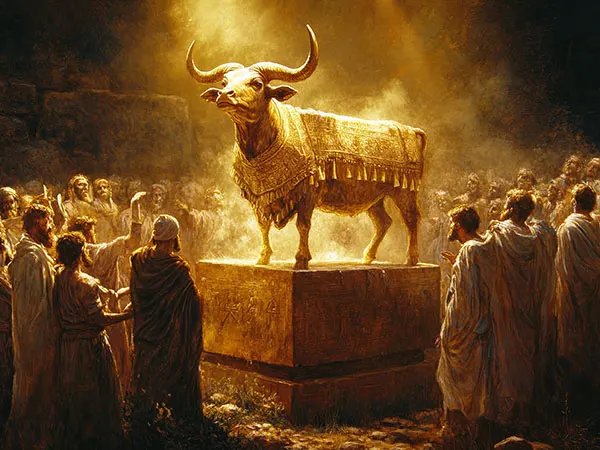
Prepare to Meet Your God! (Part Five): Religion and Holiness
Article by John W. Ritenbaugh and Richard T. RitenbaughThe Lord GOD has sworn by His holiness, emphasizing the seriousness of His pronouncement against Israel. This particular God, the God of Israel, is holy, meaning He alone is transcendentally different, superior, and separate. He has called His people to be holy, to be different in the way that He is different. From God's holiness flows His love, an outgoing concern for others, which is His outstanding attribute. When God looked on Israel, He saw a nation organized around human self-concern, showing no clear evidence of godly living to verify their claims of being His people. He saw a people opposed to Him in every area of life, lacking the holiness He desired. God apparently called enough Nazirites within Israel to exemplify pure living before His people, as they were separate because of their holiness, vowing not to drink wine, cut their hair, or touch dead bodies. The more holy we become, the greater the contrast between us and the world, making it more likely that the world will seek to persecute us. When Jesus Christ, the most holy, moral, and different human being who ever lived, walked this earth, His own people could not tolerate His holiness and killed Him. He warned His disciples that if they persecuted Him, they would also persecute them. Israel did not see the holiness of God and compare themselves to it; if they had, they would have recognized their need to make changes in their lives. Obedience to God and living a life of holiness become priorities for the redeemed, working to produce character in the image of God. God told Israel that He would dwell in the Tabernacle, specifically in the Holy of Holies, symbolizing His presence among them. When a man sins, he separates himself from fellowship with God and is no longer permitted, as it were, to come into the Holy of Holies. The law is permanent and codifies the nature of God in precepts to help us understand Him clearly, with obedience to His law as a perpetual requirement.
Principled Living (Part Six): Becoming Holy
Sermon by Richard T. RitenbaughTrue Christians are called by God to be different from the world, set apart by His invitation to join His family. This separation is rooted in holiness, a fundamental principle of Christian living. God commands us to widen the gap between ourselves and the world, as seen in Romans 12:2, which urges us not to conform to this world but to be transformed by the renewing of our minds. Similarly, James 4:4 warns that friendship with the world is enmity with God, emphasizing that we must choose to be enemies of the world to be friends of God. John echoes this in I John 2:15, instructing us not to love the world or its things, for such love excludes the love of the Father. Jesus Christ Himself, in Revelation 18:4, calls His people to come out of Babylon to avoid sharing in her sins and plagues. Holiness is intimately tied to the concept of firstfruits, as celebrated on Pentecost, the Feast of Harvest. Firstfruits are different, special, and of higher quality, standing out as the cream of the crop. They are holy, set apart for God's use, just as Israel was described in Jeremiah 2:3 as holiness to the Lord, the firstfruits of His increase. This distinction comes from God's choice, making them consecrated and dedicated to Him. In Leviticus 23, the firstfruits are represented by the wave loaves offered to God, symbolizing the church, refined through trials and fire to become a fitting sacrifice, holy to the Lord. God's calling marks the first step of holiness, a legal declaration of being set apart. Through sanctification, He works with us to develop true holiness, a process of becoming righteous. This dual nature of holiness—proclaimed by God and developed through cooperation—is evident in Deuteronomy 26, where God proclaims His people holy and calls them to observe His commandments with all their heart and soul to become truly holy, set high above all nations in praise, name, and honor. Caleb, in Numbers 13 and 14, exemplifies this by having a different spirit and following God fully, daring to be different from the rebellious Israelites to secure his inheritance. In II Thessalonians 2, Paul addresses the church as firstfruits, called by God through sanctification by the Spirit and belief in the truth, to stand fast, hold to the traditions of Christ and the Apostles, and submit to God's work in producing good words and deeds. Revelation 14 further portrays the firstfruits as holy, not only set apart but also pure and unblemished, having cooperated with God to achieve spiritual perfection. They are distinct, bearing the Father's name, singing a unique song, remaining undefiled, following the Lamb as His companions, being redeemed from humanity, and standing without fault before God. Pursuing holiness is essential, as Hebrews 12:14 declares that without it, we will not see the Lord. Christians must actively run counter to the world's conformity, striving to be different to achieve God's purpose of becoming His very special firstfruits, sanctified and holy in reality.
Sanctification and Holiness (Part 4)
Sermon by John W. RitenbaughGod desires His stipulations to be followed precisely, emphasizing the importance of sanctification, or setting apart, in fulfilling His specific requirements. Sanctification is crucial, as it defines the particular elements that align with His will, much like specific ingredients define a recipe's unique flavor. If these sanctified elements are altered, the intended outcome is lost. In various scriptures, God commands adherence to His exact instructions to ensure protection and success. Deviating from His Word by adding or subtracting is warned against, as it risks harm and failure. God's instructions are not arbitrary or harsh; they are given for our well-being, reflecting His care and desire for our success. Holiness involves meeting the standards God has established. Certain individuals or items may be holy in one context but considered strange or unacceptable in another if they do not meet the specific criteria for a given role or purpose. For instance, a Levite is holy by covenant and service near the Tabernacle, yet becomes a stranger if attempting priestly duties reserved for Aaron's family. Similarly, a stranger who undergoes circumcision becomes holy and recognized by God as authentic, qualifying for full participation in Israel's community life. Only what God designates as holy, having its source in Him, is acceptable to Him. Offerings or actions not originating from His provision are deemed strange or profane, as seen in the rejection of a man at a marriage feast for not wearing the host-provided garment. This principle extends to all offerings, including days of worship; only those sanctified by God are recognized as holy. The fire under the altar, originating from God, is the only acceptable fire for worship and offerings, symbolizing His presence and purification. Rejecting this fire is akin to rejecting God Himself. Even the ashes from this fire are holy and must be treated with reverence, taken to a clean place by priests in special clothing. Likewise, incense offered to God must adhere to His specifications, being most holy and reserved solely for Him. The censers used by rebels, though holy, were contrasted with their unauthorized fire, which was not sanctified. These censers were later cleansed and transformed into a visible reminder on the altar of the consequences of rebellion against holy things. Only those set apart, like the priests descended from Aaron, are permitted to offer incense before God. Holiness extends to personal conduct and reverence in God's presence, maintaining high standards regardless of setting. Eating unclean things or treating oneself contrary to God's desires defiles the temple of the living God within us. We are to treat ourselves as holy, aligning with how God would treat Himself, consuming only what He deems acceptable.
Humbleness is Our Only Path to Holiness
Sermonette by Bill OnisickFor to come near to God, we must be thoroughly cleansed inside and out. Self-affliction, enabled by fasting, creates humility—the only path to holiness.
Sanctification and Holiness (Part 3)
Sermon by John W. RitenbaughHoliness is a fundamental aspect of the calling to be part of a royal priesthood, as it defines the specific way in which priests belong to God. As saints, or holy ones, we are set apart to serve as kings and priests, with a particular focus on the priestly role. Being holy is a critical qualification for priests, granting them the exclusive prerogative and duty to draw near to God in their service, a function dominated by this sacred proximity. Not everyone is holy in the same manner, even though all called by God are holy within Israel or the church; different functions are appointed to different individuals or families, such as the specific roles of the Levitical families of Kohath, Gershon, and Merari in carrying distinct elements of the Tabernacle, and the priesthood being reserved for the family of Aaron. These appointments are administrative, intended to maintain order, and God expects them to be respected to prevent chaos. Disrespecting these divine choices is seen as a lack of faith or even rebellion against God Himself. The importance of holiness is further underscored by God's severe judgments in response to violations, as well as through miracles that affirm His choices, emphasizing how critical sanctification is to Him. God's specificity in assigning responsibilities to the Levites and priests, with warnings of severe consequences for non-compliance, highlights the seriousness of maintaining the sanctity of holy things, persons, or appointments as He has decreed.
Holiness (Part 1)
Sermon by John W. RitenbaughThe third commandment addresses the quality of our worship and personal witness to God. It emphasizes glorifying God by not taking His name in vain, which means not using it in a lying, false, profane, foolish, reproachful, or useless manner. To take God's name involves lifting up, bearing, carrying, using, or appropriating it, and we must do so with reverence, for the Lord will not hold blameless those who misuse it. The penalty for breaking this commandment is severe, underscoring its importance. The concept of God's name extends beyond a mere label; it signifies His nature, majesty, and excellence. It stands as a mark or sign of His identity, revealing His character and essence. In bearing God's name, especially through spiritual immersion into His family, we are called to uphold its reputation through our conduct and attitudes. The quality of our Christian life is tested by how we represent this name before others and before God Himself. God's glory is manifested in His nature and character, revealed through His many names, each highlighting a distinct virtue or aspect of who He is. These names serve as signposts of what we can expect from Him, encouraging us to trust and call upon Him in faith. Through Jesus Christ, the full revelation of God's nature is made known, showing us the way to live and embodying truth in every action and word. We are kept by God's name through trust and obedience, aligning our lives with the character it represents. The third commandment is not just about avoiding common swearing or light use of God's attributes; it encompasses the entire landscape of our witness for Him. Every word, act, and attitude must reflect the reverence due to the name we bear. If we use God's name in any way that denies His true meaning or character, we risk breaking this commandment. Thus, we are urged to purify ourselves and uphold His name, living in a manner that hallows it.
Original Sin and Holiness
Sermon by John W. Ritenbaugh (1932-2023)Holiness is a vital pursuit for those whom God has called and converted. We are urged to pursue peace with all people and holiness, without which no one will see the Lord. In its purest form, holiness is a state or condition of being like God, reflecting His nature through our thoughts and actions. We are like God to a limited extent because He has called us, granted us repentance, baptized us, and given us His Spirit. Yet, we are not to stop there; we must continue on a pilgrimage toward holiness, moving forward after passing through the waters of conversion and receiving His Spirit. Wrong views about holiness often stem from misunderstandings regarding human corruption. The number of sins committed is usually vastly underrated, and the degree of human corruption is woefully underestimated. To attain a good understanding of holiness, one must begin by grappling with the vast subject of sin, recognizing its depth and pervasive influence in our lives. Our growth and preparation for entering and possessing the Promised Land, a type of the Kingdom of God, hinge on our choices as we advance on this pilgrimage toward holiness. We must keep our eyes on the goal, living for the future while in the present, trusting that what lies ahead is so great and awesome that we cannot let it slip away.
The Priesthood of God (Part Three)
Sermon by John W. Ritenbaugh (1932-2023)Holiness is a central quality emphasized for those who serve God, reflecting His own nature. As declared in Leviticus 11:44-45, God commands, "For I am the Lord your God. You shall therefore consecrate yourselves, and you shall be holy; for I am holy." This call to holiness is reiterated in Leviticus 19:2, "You shall be holy, for I the Lord your God am holy," and again in Leviticus 20:7, "Consecrate yourselves therefore, and be holy, for I am the Lord your God." In Numbers 15:37-41, God instructs the children of Israel to remember His commandments through tassels on their garments, so they may "be holy for your God." This command extends into the New Testament, as seen in I Peter 1:15-16, "But as He who called you is holy, you also be holy in all your conduct, because it is written, Be holy, for I am holy." Holiness signifies God's uniqueness and separateness, standing above all creation, as expressed in Exodus 15:11, "Who is like You, O Lord, among the gods? Who is like You, glorious in holiness, fearful in praises, doing wonders?" It demands exclusive worship, reflected in the first two commandments in Exodus 20:1-6, where God asserts His singular role in delivering His people and prohibits the worship of other gods. Holiness is more than morality; it encompasses infinite majesty, immeasurable power, and perfect righteousness, creating an awe-inspiring presence that humbles those who encounter Him, as seen in encounters like Moses at the burning bush in Exodus 3:2-6, Joshua before the Commander of the Lord's army in Joshua 5:13-15, and Isaiah's vision in Isaiah 6:1-5. This quality is essential for the priesthood, and since the church is a priesthood in training, the command to be holy holds special emphasis. As stated in I Corinthians 3:17, "If anyone defiles the temple of God, God will destroy him. For the temple of God is holy, which temple you are," and in Hebrews 3:1, believers are addressed as "holy brethren." Holiness, however, is not merely a designation by calling but a quality to be pursued, as urged in Hebrews 12:14, "Pursue peace with all people, and holiness, without which no one will see the Lord." It involves consecration to the highest standards, separation from unclean influences, and a life of self-control and self-denial, as encouraged in II Corinthians 6:14-18 and 7:1, "Let us cleanse ourselves from all filthiness of the flesh and spirit, perfecting holiness in the fear of God." Holiness can be attained to some degree through an intimate relationship with God, as demonstrated by Moses whose face shone after being in God's presence in Exodus 34:28-35. God is willing to share His holiness with those who strive to live according to His ways, helping them grow in this quality through life experiences and spiritual effort. This growth is linked to love and obedience, as noted in I Thessalonians 3:7-13, where hearts are to be established "blameless in holiness" through increasing love. Worshipping God in the "beauty of holiness," as in Psalm 29:2 and reflected in Revelation 19:7-8, involves approaching Him with righteous acts, spiritually clothed in purity. The pursuit of holiness requires gratitude and recognition of God's grace, as emphasized in Colossians 2:6-7, where believers are to walk in Christ, abounding in thanksgiving. This attitude fosters humility and dependence on God, aiding resistance to worldly temptations. For the priesthood, and by extension the church, holiness is a constant reminder of the call to reflect God's nature, serving as a visible link between His purpose and its fulfillment in His Kingdom.
Called To Be Saints (Part One)
CGG Weekly by David C. GrabbeOne of the greatest blessings we have been given as Christians is our calling by God, a divine summons that sets us apart as holy ones. The word saint, derived from the Greek word hagios, means a holy one, often translated as holy, indicating that we are called to be separate and different. In I Corinthians 1:2, this calling is described as being called to be holy, and II Timothy 1:9 reinforces that God called us with a holy calling. Scripture uses the term saint or holy one to signify one who has been set apart by God, regardless of personal moral quality at the time of separation. After He called them, God declared the Corinthians to be holy, considering them saints because of their position before Him, even while they exhibited carnality. God requires saints to grow beyond merely being declared holy, remaining separate from trespasses and sins, the course of this world, and satan the devil, as stated in Ephesians 2:1-2. This separation involves staying free from the defilement of sin and walking according to the course of God rather than the course of this world.
Living Up to Our Responsibilities
Sermonette by Mark SchindlerBrethren, our main responsibility as the last wave of firstfruits is to become holy as God is holy, uniting as one complete Body of Christ. When God calls us out of this world, we are not innocent, but through repentance and the sacrifice of His Son Jesus Christ, we become as holy as He is in that moment. The second we start living as the world lives, our effectiveness before God diminishes. God has raised up the church as the training ground for developing holy, righteous character, overcoming satan, and qualifying us to sit with Christ on His throne. He is no longer winking at our failure to come out of this world in these last days, judging His people swiftly by physical example to show that the time to act is now. Our job is to follow the pattern of instruction God has established, not partaking in the sins of this world or holding onto accursed things. As seen with Israel at Jericho and Ai, God holds the entire body accountable for the failure of one to fulfill their responsibility, emphasizing how vital holiness is to the peace and health of His Family. We must strive with all our might to hit the mark, examining ourselves daily to take on Christ's character and become like He is. If one member suffers, the whole body suffers, and many among us may be weak, sickly, or dying because we are not fervent in overcoming and becoming holy as God is holy. God loves us so much that He has given us everything needed to succeed, including the sacrifice of His Son. He expects the same sacrifice from us for one another in one united body. The stakes are high, and He will do whatever it takes to ensure we fulfill our roles. We must confess our faults to God, destroy the accursed things in our lives, and recommit ourselves with day-to-day fervor to holiness, so that the body may be healed as He has promised.
His Eye Is on the Sparrow (Part Four)
Sermon by John W. Ritenbaugh (1932-2023)Holiness is central to God's purpose and plan, reflecting His very nature as separate and distinct from humanity. God is above all things, holy, while we are not, and this difference drives the process of becoming like Him. Sanctification, as a separation procedure unto holiness, is the means by which God guides His purpose toward His goal. In the Old Testament, objects, spaces, and people are declared holy simply because they are set apart for divine use, with strict rules governing their consecration. For instance, holy garments, altars, and even specific times are designated as sacred, and only certain individuals could interact with them. In contrast, the New Testament shifts the emphasis to a person becoming holy, making it the goal of Christian life. This transformation is fueled by the recognition of God's holiness as admirable, inspiring a desire to mirror Him in our being. God's holiness, when manifested, is a powerful and awe-inspiring force, accompanied by phenomena like earthquakes, thunder, lightning, and dense clouds, as seen at Mount Sinai. Such experiences reveal the vast difference between God's purity and human nature, often evoking fear and humility in those who witness it. To participate fully in a relationship with God, one must become holy, bridging the gap between Him and us. God instructed Abram to walk before Him and be blameless, a term akin to integrity, reflecting the practical aspect of becoming holy through faithful living. This high calling, though difficult, was exemplified by Abraham, who lived a blameless life through a close relationship with God, demonstrating consistent humble obedience by faith. Similarly, Noah was set apart by God, finding grace and living as a just, blameless man who walked with God, proving his faithfulness long before the task of building the Ark. The charge to be holy, as God is holy, is clear in the call to pursue holiness in all conduct, without which no one will see the Lord. Holiness becomes the driving force of a Christian's life, rooted in cleanliness and purity of heart, which in turn reflects in one's attitudes and behavior. Sin, by contrast, is defiling and dirty, while God's standards define what is clean. The term holiness also implies a reverence or high respect for those set apart, distinguishing them from others. God initiates this process of sanctification, gifting individuals with grace to empower them for His purposes, as seen with Noah and Abraham, who responded righteously to the gifts given. Through sanctification, God separates and protects His chosen ones, forming a spiritual hedge against evil influences, as evident in the lives of Job and others in the sanctified line from Seth to Abraham. This separation, while not always ensuring perfect behavior, marks a clear distinction between those set apart by God and others, guiding them toward His ultimate purpose of becoming holy as He is holy.

After Pentecost, Then What?
'Personal' from John W. RitenbaughAfter making the covenant with God, we must shift our focus to striving for sinlessness. Sinlessness, expressed with beauty, is the highest, greatest glory a human can attain. Its purpose is to give witness to the glory of God as shown in our lives and to add our small part in working with God to build godly character in us. We cannot make ourselves righteous, but with the help of God, we can continue to change the direction and conduct of our lives, which He began with His calling. All of us need to make personal efforts to ensure that we take advantage of all the time God affords us in completing our pilgrimage. Considering what we are in comparison to Him, we need all the time it takes to be sanctified completely and become holy as He is.
Deuteronomy (Part 7)
Sermon by John W. RitenbaughHoliness, as presented in the scriptures, is a fundamental aspect of our relationship with God. In Deuteronomy 7:6, it is declared, "For you are a holy people to the LORD your God; the LORD your God has chosen you to be a people for Himself, a special treasure above all the peoples on the face of the earth." This holiness is not something we achieve on our own; it is entirely God's work when He separates us for His purpose, setting us apart as distinct and exclusively belonging to Him. Holiness implies being set apart for a distinctive purpose, not to be used for lesser aims. Just as the Sabbath is set apart for worship and fellowship with God, and sacrifices are designated solely for His worship, we are holy to fulfill God's purpose and are to be used for nothing else. This setting apart is mirrored in everyday life when we designate certain items for special use, making them holy to us for our purposes. Similarly, God has set us apart to represent Him and to fulfill the purpose for which He created us. Holiness, however, is not static; it encompasses two stages. Deuteronomy 7 does not urge us to become holy but states that we are already holy because God has set us apart. Yet, this is only the initial stage. The second stage involves becoming holy in character, striving to be different as God is different, reflecting His transcendent purity and beauty. This process is evident in Hebrews 10:14, which states, "For by one offering He has perfected forever those who are being sanctified," indicating that while we are made holy in one sense, we are also in the process of becoming holy. The obligations of holiness are stringent, as seen in Deuteronomy 7:1-5, where Israel is commanded to destroy the nations in the land to protect their holiness. These commands underscore the sharp division between the world and the holiness God expects of us. Holiness laws are part of God's rearing of us as His children, obligating us to keep His commandments to remain distinct and to mature spiritually. Deuteronomy 28:9 reinforces this, stating, "The LORD will establish you as a holy people to Himself, just as He has sworn to you, if you keep the commandments of the LORD your God, and walk in His ways." Cleanliness, both physical and spiritual, is integral to holiness. Deuteronomy 23:12-14 and Numbers 5:1-3 emphasize maintaining cleanliness in the camp because God walks among His people and desires no uncleanness. This principle extends to moral and spiritual cleanliness, as God dwells not only among us but in us under the New Covenant, heightening the seriousness of maintaining holiness. II Corinthians 6:11-18 and 7:1 urge us to cleanse ourselves from all filthiness, perfecting holiness by avoiding contamination from the world. Holiness is a continuous process, as Paul encourages in Philippians 3:12-16, pressing on toward the goal of God's high calling without sliding back from what we have attained. It involves laying aside sin and enduring in the race set before us, looking to Jesus as the author and finisher of our faith, as stated in Hebrews 12:1-4. Through God's grace and Spirit, we are enabled to progress in this sanctification, moving toward the image of God and preparation for His Kingdom.
Clean and Unclean Meats
Bible Study by Richard T. RitenbaughThe law of clean and unclean meats, alongside other laws like quarantine and sexual behavior, serves to guard against physical and spiritual impurity, directly relating to our pursuit of holiness, without which no one will see the Lord. Sanctification and holiness imply being set apart for a special purpose, as God instituted this law to distinguish His people from surrounding nations, calling Christians to be holy as He is. As the spiritual temple of God, we have a duty to make ourselves as clean, pure, or holy as possible, perfecting holiness in all areas of life, both flesh and spirit. This law, known before the Old Covenant in Noah's time, underscores its enduring relevance. In the Millennium, the priesthood will teach the difference between clean and unclean, and in the New Jerusalem, nothing that defiles will remain, as all citizens will be holy, reflecting the destiny we prepare for by following this law.
We Must Work for What We Believe
Sermon by Mark SchindlerBrethren, it is our responsibility to proclaim a system of beliefs bound together in holiness through God's Holy Spirit, uniting us in submission to His authority and standards of conviction for the job ahead. On Mount Zion, there shall be deliverance and holiness, as the house of Jacob shall possess their possessions, and the kingdom shall be the LORD's. The LORD will wait to be gracious to you, to be exalted that He may have mercy on you, for He is a God of justice, and blessed are those who wait for Him. Your teachers will guide you, saying, "This is the way, walk in it," whenever you turn to the right or to the left. It will be only those who have treasured our precious calling, choosing to put away the old man by the grace of God now, who will be saviors and teachers in the name of God, giving direction to those whose minds have been seared by standards in opposition to Him. We must no longer be involved in the affairs of this world, but live and work to the best of God's ability to prepare us to be kings and priests with Jesus Christ. God has set us apart to be holy as He is holy, so we can do our job to the best of His ability in us, in service to all who will come after us. If God is perfecting us in His holiness, that is what we must believe and work for with clarity of purpose. We are to be sanctified by His truth, as His word is truth, united with the Father and the Son, that the world may believe He sent Jesus Christ. As obedient children, we must not conform to former lusts, but be holy in all our conduct, for it is written, "Be holy, for I am holy." We are to gird up the loins of our mind, be sober, and rest our hope fully upon the grace to be brought at the revelation of Jesus Christ. Our responsibility now is to be united through God's Holy Spirit, to be holy as He is holy, even though we come from diverse and perverted standards of conduct. We are preparing to serve and teach the truth to people with minds so opposed to one another, needing saviors and teachers who have spent a determined lifetime learning to be holy as God is holy. This is what we must believe and work for day in and day out. Since all things will be dissolved, what manner of persons ought we to be in holy conduct and godliness, looking for and hastening the coming of the day of God? We look for new heavens and a new earth in which righteousness dwells, being diligent to be found by Him in peace, without spot and blameless. We must grow in the grace and knowledge of our Lord and Savior Jesus Christ, for this must be what we believe and work for with all the time God has given us in this life.
Who Are We and Where Do We Fit? (Part One)
Sermon by John W. Ritenbaugh (1932-2023)You are a holy people to the Lord your God; the Lord your God has chosen you to be a people for Himself, a special treasure above all the peoples on the face of the earth. The Lord did not set His love on you nor choose you because you were more in number than any other people, for you were the least of all peoples; but because the Lord loves you, and because He would keep the oath which He swore to your fathers, the Lord has brought you out with a mighty hand, and redeemed you from the house of bondage. Therefore, know that the Lord your God, He is God, the faithful God who keeps covenant and mercy for a thousand generations with those who love Him and keep His commandments. You are a chosen generation, a royal priesthood, a holy nation, His own special people, that you may proclaim the praise of Him who called you out of darkness into His marvelous light. God did not call us to uncleanness, but in holiness. Our sanctification, our being set apart, is the first act of God's ever-expanding grace given wholly because He loves us. He set us apart from the crowd because He loves us, and that is the beginning of sanctification. Our responsibility is to respond to His love by keeping His laws and statutes. Sanctification indicates a setting apart, separating certain ones from others, making them distinctive and unique. It suggests not only separation but also the purpose of becoming holy, reflecting purity of conduct in connection with God. Holiness is what separates us, as it is far more important than mere physical separation; it involves the character and attitude within us. True sanctification begins on the inside, in the heart, where beliefs and understanding drive our words and conduct. God desires to create new elements within our hearts to determine the quality of our way of life, glorifying Him as we submit to His way. Sanctification is a lifelong process, not a momentary act, requiring us to cease doing evil and to learn to do well in preparation for His Kingdom. As we grow, we become more distinct from the world, continually moving further apart through trials and efforts, motivated by the treasure of our calling and the value of His love.
Is the Christian Required To Do Works? (Part Six)
'Personal' from John W. RitenbaughHoliness is an essential aspect of our spiritual journey, encompassing both mindset and conduct. A holy person strives to shun every known sin and keep every commandment, whether in physical action or spirit, driven by an enthusiastic desire to perform God's will and a greater fear of displeasing Him than the world. This person delights in the law of God inwardly and hates every false way, laboring to have Christ's mind and to be conformed to His image. A holy person bears with others, forgives as Christ does, and endeavors to be unselfish, humble, and loving, walking in the footsteps of the Savior. In practical terms, a holy person exercises self-control and self-denial, putting to death fleshly desires and pursuing love and brotherly kindness. Such a person abhors lying, slandering, backbiting, cheating, and dishonesty, remaining open and aboveboard in dealings with others. A holy person strives to do good, lessen others' burdens, and relieve misery, pursuing purity and dreading all filthiness of spirit. This individual lives in the fear of the Lord, not with terror, but with deep respect and a desire to please a beloved Father. A holy person aims to do everything well, whether as a husband, wife, child, supervisor, employee, neighbor, or friend, in private and public, and in business. Spiritual-mindedness is central, with affections set on things above, measuring the value of everything by whether it draws one closer to God and the image of Christ. Despite the ongoing presence of sin, a holy person fights against it relentlessly, driven by the hope of the gospel and the desire to cooperate with God in being prepared for His Kingdom.
Preparing to Rule (1993)
Feast of Tabernacles Sermon by John W. RitenbaughHoliness, as a central theme in our journey toward the Kingdom of God, is synonymous with sanctification, a process of being set apart for a divine purpose. This process, rooted in the Greek word "hagios," signifies being separated for a specific reason, with the aim of achieving purity as God is pure. We are called to become holy as God is holy, a goal that shapes us into the image of Jesus Christ, the pioneer of this new creation. God gives His Spirit to sanctify us, empowering and guiding us through the process of sanctification until we reach holiness. This journey begins with the receipt of the Holy Spirit, marking the state of sanctification, and continues as a process toward salvation. We are set apart for obedience, a purpose that encompasses countless aspects of living according to God's will, striving to love Him and mankind through adherence to His commandments. The process of holiness involves cleansing, symbolized by the sprinkling of the blood of Jesus Christ, which indicates a continual purification of character, thought, heart, mind, motive, and attitude. Jesus Christ, as the Sanctifier, administers this cleansing, mediating on our behalf and leading us through sufferings that refine us. Most of this suffering occurs internally, in the battle between the Spirit and the flesh, as we overcome sin and rid ourselves of worldly attitudes. Holiness is the opposite of uncleanness, which is sin and defilement by a way of life opposed to God. We are called to become clean, pure, and sinless, a high and great goal achieved by being led by the Holy Spirit. The Word of God plays a crucial role in this cleansing, replacing worldly thoughts with divine truth, enabling us to think and act according to His will. We are being prepared as vessels for honor, sanctified and useful for the Master, ready for every good work. This preparation involves proving our ability to govern ourselves within the framework of God's law, reflecting His image more brightly as we grow in holiness. Our ultimate aim is to be established blameless in holiness at the coming of our Lord Jesus Christ, a process that intensifies as we cooperate with God's purpose to reproduce Himself in us. Sanctification, therefore, is God's means of preparing us to rule with a mind and heart in tune with Him, ensuring that we guide the world with His character and direction. Through this process, we are equipped to heal minds and rebuild the earth in a way that honors God, fulfilling His purpose for us in the Kingdom of God.
Where Is God's True Church Today?
'Personal' from John W. RitenbaughHoliness reflects the attitude and way that God conducts His life. The purpose of pursuing holiness through living God's way in our daily lives is to engrain His way into our pattern of living so thoroughly that it becomes habitual, or as we might say, first nature. This effort as a living sacrifice is our contribution that helps transform us into the image of Jesus Christ. Jesus is the One who makes men holy, and the path to sanctification lies in obedience to doing God's will, given out of gratitude from an intimate relationship with the Father and Son. As He sanctifies and shapes us in holiness, He gradually fills His bride, the church, with every gift needed to function effectively, enabling her to glorify God in her overall responsibility to our Father and to our Lord and Savior.
His Eye Is on the Sparrow (Part Five)
Sermon by John W. Ritenbaugh (1932-2023)God's active involvement in sanctification is evident as He sets apart individuals and nations for His purpose. He declared Israel a holy people, chosen as a special treasure above all others on earth, not because of their number or merit, but due to His love and the oath sworn to their fathers. As seen in Deuteronomy 7:6-11, He brought them out of bondage with a mighty hand, emphasizing their unique relationship with Him through a covenant likened to marriage, as described in Ezekiel 16:6-8. This act of sanctification separated Israel from all other nations, making them holy in a distinct way, though not inherently spiritual in character. This holiness required responsibilities, such as remaining separate from surrounding nations, avoiding intermarriage, and destroying idolatrous practices, as commanded in Deuteronomy 7:2-5. Yet, Israel struggled to maintain this separation, often failing to uphold God's commandments and yielding to worldly influences. Their sanctification was primarily a national setting apart, a consecration similar to that of the Temple or its utensils, rather than a deep, internal transformation. In contrast, the church, introduced by Jesus Christ in Matthew 16:18, represents a new dimension of holiness. As outlined in Ephesians 1:3-4, God chose the church before the foundation of the world to be holy and blameless before Him. This holiness is personal and spiritual, involving a transformation of mind, heart, and character, far beyond the external consecration of Israel. Through Jesus Christ, as the head of the church, God builds a spiritual temple, fitting each member together into a holy dwelling place for His Spirit, as described in Ephesians 2:19-22. This spiritual sanctification begins with the Father's direct involvement, drawing individuals to Christ, as stated in John 6:44. It is a new creation, as noted in II Corinthians 5:17-18, where old things pass away, and all becomes new in form and quality, not merely in time. God's purpose is to create a holiness that reflects His image in the character of those He calls, making them living instruments for His glory through a profound internal change.
The Gift of Eternal Life
Feast of Tabernacles Sermon by Martin G. CollinsIn God there is holiness, and therefore, eternal life means the defeat of sin. It signifies a life clad with the transcendent purity of God and armed against the soiling infections of the world. The word 'holy' primarily means separate, derived from an ancient term meaning to cut or to separate, often translated as a cut above something. When applied to God, holiness indicates that He is transcendentally separate, far above and beyond us, possessing supreme and absolute greatness. His transcendence describes His consuming majesty and exalted loftiness, marking the infinite distance that separates Him from every creature. When the word 'holy' is used for earthly things, such as a holy Sabbath or holy nation, it expresses something set apart from the commonplace, consecrated to the Lord and His service. Purity is contained within the concept of holiness but is not its sole meaning; holiness includes transcendent purity. When describing God, holiness is not just one attribute among many but a general term synonymous with His deity, encompassing all that He is—His love, justice, mercy, knowledge, and spirit are all holy. Since there is holiness in God, eternal life means living in a state of separation from sin, reflecting His transcendent purity. Jesus Christ's purpose for giving Himself for His church is to make it holy, pure, and perfect, preparing it to be presented to Him without spot or wrinkle. This purification is to occur in this life through the ordinances He has appointed and the preaching of the word. As He who called us is holy, we are also to be holy in all our conduct, as it is written, "Be holy, for I am holy."
The Priesthood of God (Part Four)
Sermon by John W. Ritenbaugh (1932-2023)Holiness is a central theme in the life and responsibilities of those called to serve God, reflecting His unique and awe-inspiring nature. God's holiness transcends mere morality; it is a catchall term describing His uniqueness, indicating He is different, separate, and set apart. He is numinous, evoking awe and reverence, and is beyond human comprehension, often perceived as irrational, inscrutable, and mysterious. This presence can overwhelm, making one feel filthy by comparison and filled with a sense of dreadful power from which there is no hiding. Our responsibility is to become holy, striving to reflect God's holiness, though we will never fully reach His level in this life. We are called by God to aim for moral holiness, understanding that the righteousness of Jesus Christ, imputed to us by God's grace, allows us to come into His presence. Holiness is especially emphasized for the priesthood, as priests, through their instruction and living example, combined with the tabernacle and temple services, serve as constant reminders to the entire nation and church that everyone is to be holy as God is holy. Under both the Old and New Covenants, this call to holiness remains. In Exodus 19:5-6, God declares that if Israel obeys His voice and keeps His covenant, they shall be a kingdom of priests and a holy nation. Similarly, in I Peter 2:9-10, believers are described as a chosen generation, a royal priesthood, and a holy nation, called to proclaim His praises. I Peter 1:13-16 urges us to be holy in all conduct, as He who called us is holy. Thus, we are to be visible and audible links between the beginning of God's call to holiness and its fulfillment in His Kingdom, serving as priests to each other under our High Priest, the Lord Christ. The priesthood's role underscores the high level of holiness God requires. In Leviticus 10:1-2, Nadab and Abihu, sons of Aaron, offered profane fire before the Lord and were consumed by fire from Him, demonstrating that deviations from God's commands are unacceptable. Leviticus 10:8-11 further instructs priests to abstain from wine or intoxicating drink when serving, to distinguish between holy and unholy, clean and unclean, and to teach Israel God's statutes. Physical perfection is also demanded, as seen in Leviticus 21:16-23, where any physical defect disqualifies a priest from offering sacrifices, reflecting God's perfection and holiness. Additional boundaries in Leviticus 21:1-15 prohibit priests from defiling themselves for the dead, except for close relatives, and from adopting pagan practices like shaving their heads or making cuttings in their flesh. Priests must marry virgins from their own family to maintain purity, and the high priest faces even stricter regulations, such as not defiling himself even for his parents. These stringent standards emphasize that those who serve a holy God must be as far removed from the unclean or profane as possible, reflecting a high measure of holiness akin to that of our Savior Jesus Christ and the Father. Holiness is repeatedly emphasized as the ideal for all, especially in the priestly role, where every aspect—animal offerings, priests, and high priest—must be unblemished, typifying the perfection of Jesus Christ. The priest's life is hedged with restrictions to maintain this state of holiness before God. God demands a very high level of holiness from us, as we are called to be a kingdom of priests, striving to be as clean, holy, and different from the world in a righteous way as possible.
The Covenants, Grace, and Law (Part Eight)
Sermon by John W. RitenbaughHoliness is an essential part of God's plan, intricately tied to the process of sanctification, which transforms us into the image of Christ. It is through living and using God's law in our daily experience, empowered by the Spirit of God, that we become holy as He is holy. As Peter instructs in I Peter 1:16, we are to be holy because He is holy, reflecting our ultimate purpose. Sanctification, often synonymous with holiness, represents a critical in-between step following justification, preparing us for life and work in God's Kingdom. Without pursuing holiness, as Hebrews 12:14 warns, no one shall see the Lord, emphasizing its indispensable role in our journey. This process, derived from the Greek word hagiasmos meaning separation, and the verb hagiazo meaning to make clean, involves purification and setting apart from the world through moral cleansing. The process of becoming holy is twofold: initially, God declares us holy by choosing us for His service, but true holiness develops through internal transformation and holy obedience under the guidance of the Holy Spirit. This purification is a cooperative effort between God and us, requiring laws as guidelines for obedience, ensuring the relationship does not descend into chaos. As seen in Ephesians 5:25-26, Christ sanctifies and cleanses the church with the washing of water by the Word, highlighting the necessity of God's Word in achieving purity. Holiness is visible through the fruit produced in our lives, as John 15:5 indicates that abiding in Christ results in much fruit. This transformation is not instantaneous but a lifelong process of living by faith in God's Word, applying it daily to purify our thoughts and actions. As I John 3:3 states, the hope of being like Christ motivates us to purify ourselves, aligning our lives with His. Ultimately, holiness is about changing the heart and mind to think like God, a prerequisite to seeing Him. Without this internal change, driven by the study and application of God's Word alongside the Holy Spirit, we cannot reflect His nature. As Colossians 1:21-23 reveals, reconciliation through Christ aims to present us holy and unblameable in His sight, provided we continue in faith, grounded and settled in the hope of the gospel.
His Eye Is on the Sparrow (Part Three)
Sermon by John W. Ritenbaugh (1932-2023)The concept of holiness, as it pertains to sanctification, is central to understanding God's purpose and plan for His people. Holiness signifies a separation, a setting apart by God for a divine purpose, indicating purity and cleanliness. In the Bible, the terms for sanctification in both Hebrew and Greek are often translated as holiness, signaling a difference that causes separation between the converted and the unconverted. This separation is an invisible spiritual presence, a boundary established by God Himself, who alone decides who will be part of His Family. Sanctification operates in two distinct ways. First, it marks the initial separation of a person from others, an act solely initiated by God over which humans have no control. Second, it involves the ongoing process of becoming holy in nature through the work of Christ within us, creating a new heart. This transformation is not instantaneous but requires time, even for the Creator, as we voluntarily submit to Him as living sacrifices. God's purpose in creating this separation is twofold. It benefits those He calls by establishing an us-and-them division, providing a context for testing faithfulness and understanding through resistance and struggle. Additionally, it reflects the enmity described in Genesis 3:15, not only between Eve and satan but also between their respective seeds, as seen in the separation of Noah and his family, who were sanctified and thus protected during the Flood. In the Old Testament, holiness often refers to objects, places, and people being set apart for divine use, such as the holy garments of Aaron or the sanctified altar, with less emphasis on personal transformation. In contrast, the New Testament places significant focus on the process of becoming holy, making it the goal of Christian life. This transformation is essential because God, in His very being, is completely separate and different from humanity. The converted mind, recognizing this profound difference, is driven to become like Him, fostering a deep relationship with Him. Without becoming holy as God is holy, no true relationship with Him is possible, as holiness is the foundation for unity, mirroring the oneness desired in Christ's prayer. Sanctification, therefore, initiates and sustains the journey toward becoming like God in purity, mind, and character.
The Priesthood of God (Part Seven)
Sermon by John W. Ritenbaugh (1932-2023)Holiness is a central objective in our spiritual training, reflecting the ultimate standard set by God. In Revelation 15:3-4, it is declared that God alone is holy, emphasizing His absolute goodness and uniqueness. This is echoed in Luke 18:18-19, where Jesus affirms that only God is truly good, establishing a direct connection between holiness and goodness. God's nature is defined by moral excellence, virtue, righteousness, honor, generosity, love, kindness, reliability, wisdom, and justice, with every judgment He makes being appropriate. By contrast, humanity, including ourselves, is defiled to some degree when measured against God's perfect standard. His perfect goodness demands our utmost veneration as we strive to emulate His goodness. Holiness, in its essence, signifies difference or separation, a reaction against the evil of this world. It involves a moral and spiritual movement in attitude and conduct, withdrawing from worldly evil to align with God's goodness. Without evil, there would be no need for holiness, as there would be nothing to separate from. God declares His holiness as a statement of His separateness from mankind, highlighting a profound difference due to His absolute goodness. As we pursue goodness like God's, we separate from the world and grow in holiness. This process is not vague; God's lack of any evil and complete separation from it set the direction for our lives. Men become holy as vessels of the Holy Spirit, consecrated to God's service, especially in the New Testament context where Christians conform to God's law, which defines good and evil. As Romans 7:12 states, the law itself is holy, just, and good. Holiness, as the noun form of holy, describes the state of being God-like in perspectives, attitudes, conduct, and judgment. It is the goal to grow into the measure of the stature of the fullness of Christ, a challenge set before us by God, even if we never fully reach that pinnacle in this life. In I Peter 1:13-15, we are urged to be holy in all our conduct, just as He who called us is holy, girding up the loins of our mind, being sober, and focusing on the hope of grace brought through the revelation of Jesus Christ. Holiness also ties into the symbolism of the high priest's attire, representing righteousness from the inside out, as seen in the undergarments like the white breeches, tunic, and girdle. These symbolize readiness for service and alignment with God's righteousness, a foundation for all else. Hebrews 7:26 describes our High Priest, Jesus Christ, as holy, harmless, undefiled, and separate from sinners, elevated higher than the heavens, reinforcing His distinct holiness and separation. Through God's grace, we are imputed with Christ's righteousness, aligning us with His law and enabling us to serve Him, pursuing holiness as a reflection of His perfect standard.
The Beatitudes, Part 6: The Pure in Heart
'Personal' from John W. RitenbaughIn the pursuit of purity, holiness emerges as a vital standard, deeply rooted in God's inspired Word. God Himself establishes distinctions between what is pure and impure, conferring purity to His chosen people through His grace. Holiness, closely tied to God's election, requires vigilance, as life constantly gravitates toward impurity unless religiously maintained. The rituals of the Old Testament, while symbolic, teach that purity is achieved and maintained through effort and attention, much like regular cleaning to prevent defilement. Defilement is easily communicable, as seen in unintentional contact with uncleanness, whereas holiness cannot be transferred from one to another. As time progressed toward the arrival of Jesus Christ, standards for purity shifted from ceremonial actions to moral conduct. David, by 1000 BC, understood this shift, recognizing that God desires a broken and contrite heart over mere sacrifice. Jesus Christ further emphasized this, condemning the external focus on rituals without internal change, highlighting that an unchanged heart returns to filth despite outward cleanliness. After the initial cleansing through God's grace and faith in Christ's sacrifice, purity becomes associated with sanctification, also termed holiness, marking only the beginning of an ongoing purification process. Human nature, with its seeds of defilement, remains and must be overcome daily as we strive toward perfection. The Bible underscores the necessity of daily spiritual cleansing, paralleling physical washing, to maintain purity of heart, character, and motive in service to God. The Holy Spirit, truth, and God's Word support this continuous transformation, renewing the mind and aiding in putting off the old corrupt nature for a new one created in true righteousness and holiness. This renewal is a daily responsibility, as human nature constantly seeks to pull us back into sin's defilement. God counsels us to guard our hearts, for the carnal mind is at enmity with Him, deceitfully convincing us of our goodness while hating His holy law. Purity of heart demands the most exacting self-examination, questioning the sincerity of our motives in work, service, church-going, prayers, and Bible study. It requires a conscious need for God, not merely comfort in piety. A pure heart mourns over inner filth and grieves deeply at remaining pride and evil desires. Though we will never be as pure as God in this life, the work of cleansing has begun, and He is faithful to complete it. The blessing of a pure heart is spiritual discernment, clear views of God's character, and ultimately, the promise to see Him, to stand in His presence as the highest honor in the Kingdom of God. Therefore, let us cleanse ourselves from all filthiness of flesh and spirit, perfecting holiness in the fear of God.
Forms vs. Spirituality (Part 3)
Sermon by John W. RitenbaughHoliness, as explored in this discussion, varies significantly between contexts and covenants, revealing that not all holiness is the same. Under the Old Covenant, holiness often derives from being set apart or consecrated to God, without necessarily implying moral or ethical purity. For instance, in Genesis 38, Tamar is mistaken for a harlot, a term translated from the Hebrew word ked-ay-shaw, which literally means a holy woman, derived from the root kaw-dash, indicating separateness for sacred duties. This reflects a cultural understanding where even temple prostitutes were considered holy due to their separation for religious purposes, a concept mirrored in both Hebrew and Greek contexts. The Hebrew word ko-desh, frequently translated as holy, and the Greek word hagios both fundamentally mean separateness, often without inherent moral purity unless specified by context. In the Old Testament, holiness can be attributed to objects, individuals, or entire nations like Israel, purely by God's choice to separate them for His service, as seen with priests, Levites, and the nation itself through the covenant. This separation does not guarantee moral purity; it is merely an association with God that imparts holiness, much like the ground at the burning bush became holy solely due to God's presence. Despite God providing laws—ceremonial, civil, and moral—to enable true holiness, the Israelites often failed to embody it internally, remaining holy only through their covenantal relationship with Him. Contrastingly, under the New Covenant, holiness transcends mere consecration, emphasizing a deeper, internal transformation. The Greek term hagios in the New Testament carries a stronger sense of moral and ethical purity, largely due to the indwelling of God's Holy Spirit. This Spirit, promised in passages like Ezekiel 36:24-26 and fulfilled in Acts 2:4, enables believers to live without sin, aligning their lives with God's laws written in their hearts and minds, as described in Hebrews 8:10. This internal presence of God's Spirit and law facilitates a holiness that is actual, not just implied, distinguishing it profoundly from Old Covenant holiness. The New Covenant offers powerful motivations through God's personal involvement, ensuring that choices towards holiness are clear and compelling, without negating free will. This transformative process, supported by the Holy Spirit, allows holiness to develop from within, as believers yield to God's instruction and obey His laws, fostering a character that mirrors His divine nature, as noted in II Peter 1:4. Unlike the Old Covenant, where access to God's presence was limited, the New Covenant opens the way into the holiest of all, signifying direct access to Him and a perfection of conscience unattainable through mere rituals or sacrifices, as highlighted in Hebrews 9:8-10. Ultimately, holiness in the New Covenant is not merely about being set apart by God but involves active choice and participation in becoming holy through obedience and the transformative power of His Spirit. This holiness, far surpassing the consecrated holiness of the Old Covenant, aims to shape believers into the image of God, reflecting a purity and character that external laws alone could never achieve.
The Covenants, Grace, and Law (Part Nine)
Sermon by John W. RitenbaughSanctification, also known as holiness, is a critical step in God's purpose, representing the transformation into the image of His Son and the Father. It is the visible evidence of the Holy Spirit's work within us, distinguishing those who are led by God's Spirit as His children. Through sanctification, the fruit of God's Spirit is produced, manifesting in holy lives that reflect His character and cannot be hidden, serving as a witness to the world. God is deeply concerned with sanctification because it is the major portion of transformation and can be seen publicly. The keeping of the Sabbath, holy days, tithing, and clean and unclean meats are visible signs that witness to others that God is working in one's life. Satan attempts to halt this process by subtly suggesting compromises, aiming to stop the development and public witness of sanctification, ultimately preventing transformation and entry into the Kingdom of God. Sanctification is a cooperative effort between God and the individual, requiring active participation and choice. We are obligated to choose life, to yield to God, and to produce the fruits of His Spirit through our works. While justification is a judicial declaration by God's grace and cannot be seen, sanctification is evident through the changes in character and actions, showing that we are becoming like the Family of God in mindset and perspective. The process of sanctification involves internal conflict as one grows and becomes more aware of personal shortcomings compared to God's perfection. This distress is a sign of growth, driving the desire to change and align more closely with God's holiness. Despite imperfections in our actions, God values the effort and intention behind our works, which are essential for transformation, not justification. God desires to see evidence of sanctification in our lives as proof of our identity as His children. Works, though not for salvation, are necessary for the process of change and growth in grace and knowledge of Jesus Christ. Without holiness, as Hebrews 12:14 states, no one shall see the Lord, underscoring the absolute necessity of sanctification in fulfilling God's purpose.
Amos (Part Six)
Sermon/Bible Study byThe favorite-son status of Israel was conditioned on accepting the terms of the covenant with God. Israel, then and now, has placed her trust in material things.
Building the Wall (Part Two)
Feast of Tabernacles Sermon by John W. RitenbaughIn the pursuit of spiritual separation, we are called to build a wall of holiness that sets us apart from the world. As Jesus prays in John 17:17, we are sanctified through God's truth, for His word is truth. This sanctification means to be set apart, to be cut out as different, much like a calf separated from the herd. As saints, our conduct and attitudes reflect a godly perspective, distinguishing us from the carnal and worldly. The word "holy" shares the same root as sanctify, but it carries the added connotation of cleanliness, indicating a state of being undefiled and aligned with God's will. This holiness forms the wall that stands between us and the influences of the world, as Jesus emphasizes in His prayer. It is through obedience to God's truth that we erect this spiritual barrier, becoming a wall ourselves by submitting to His will, just as Jeremiah did, standing firm against opposition. Our wall of holiness is built through spiritual labor, a costly endeavor that demands our lives, mirroring the sacrifice of Jesus Christ. This process involves developing our relationship with God through learning His truth, prayer, overcoming sin, and resisting worldly influences. It is a brick-by-brick effort of growth in love, patience, honesty, humility, kindness, and forgiveness, allowing the world to witness the difference in our daily lives. Holiness, as the wall of separation, is our preparation, rooted in the gospel's power to motivate us toward the Kingdom of God. It requires a change in direction, a transformation of character and conduct into the image of God's Son. As II Corinthians 7:1 instructs, we must cleanse ourselves from all filthiness of flesh and spirit, perfecting holiness in the fear of God. While God initiates this holiness as a legal state through Christ's righteousness, it is our responsibility to complete it in our lives with the power of the Holy Spirit. Ultimately, holiness surrounds the Holy City, New Jerusalem, as depicted in Revelation 21. The wall, mentioned repeatedly, symbolizes salvation and purity, ensuring that nothing defiling enters. We are to become a wall, embodying holiness, for all who will dwell in that city must be holy, set apart, and clean in the likeness of God.
The Handwriting Is on the Wall (2021)
Feast of Tabernacles Sermon by Mark SchindlerGod is separating us all from Satan's systems of conspiracies that only produce destruction and death. We are here to learn God's laws so well that we will be able to rule with a just rod of iron. Because God's laws are becoming part of our DNA we shall be the living Word of God just like Christ. We are here to shun profane and vain babblings which only generates strife and to rightly divide His holy Word of truth. We are required now to be in the image of God and our preoccupation must be following the Head wherever He leads us as the work of God. God commanded us to be here this week and He will continue to give us through His words and His Holy Spirit what we are to do to continue His work without growing weary and continuing to radiate His glory.
Who Are We and Where Do We Fit (Part Two)
Sermon by John W. Ritenbaugh (1932-2023)Holiness is mentioned as being sanctification's destination. The apostles also use sanctification to identify the intended end result of what God did and that is the end result is absolute holiness, divine holiness, purity in every facet of life. This is why this term sanctification for the best understanding has to be understood within its context because it was used to encompass the entire spiritual journey through our spiritual wilderness. Halfway through the first chapter holiness is mentioned as being sanctification's destination so Peter is moving right along in the usage of this word but he is already beginning to show suggestions of a movement from merely being called in verse 3 of chapter 1 to becoming holy in verses 14-16. Appreciation of the treasure and a clear vision of our goal provides great influence toward keeping us faithfully loyal to God's purpose and thus there is constant movement toward holiness.
Do You Really Want Just Any Eternal Life?
Sermon by Martin G. CollinsIn God there is holiness. Therefore eternal life means the defeat of sin. It means a life clad with the transcendent purity of God and armed against the soiling infections of the world. The primary meaning of holy is separate. It comes from an ancient word that meant to cut or to separate. Since God is holy He transcends all. When the bible calls God holy it means primarily that God is transcendentally separate. He is so far above and beyond that He seems almost totally foreign. To be holy is to be different in a superior way. The same basic meaning is used when the word holy is applied to earthly things such as the holy Sabbath, holy convocation, holy nation and holy people. In every case the word holy is used to express something other than a moral or ethical quality. The things that are holy are things that are set apart, separated from the rest. They have been consecrated, separated from the commonplace, to the Lord and to His service. He alone is holy in Himself. Only God can sanctify something else. When things are made holy they are set apart to purity. They are to be used in a pure way. They are to reflect purity as well as simple apartness. Purity is contained within the idea of the holy but the idea of holy is never exhausted by the idea of purity. It is purity and transcendence. It is a transcendent purity. When the word holy is applied to God it does not signify one single attribute. God is holy because no sin dwells in Him. The word holy is used as a synonym for His deity. It calls attention to all that God is. It reminds that His love is holy love, His justice is holy justice, His mercy is holy mercy, His knowledge is holy knowledge and His Spirit is Holy Spirit. Jesus Christ's purpose for giving Himself for His church is so that it may be holy, pure and perfect in every sense. It is in this life that all of this purification is to take place for no one will be presented to Christ who has not been sanctified, cleansed, washed and made glorious having neither spot, wrinkle, blemish nor any such thing. That Christ may dedicate the church to Himself and prove the church to be a worthy bride. He may prepare it for Himself as a holy church. This puts a great obligation and responsibility on the church.
New Covenant Priesthood (Part Two)
Sermon by John W. RitenbaughHoliness involves separation from the world through obedience to God's commands. The church is intended to be a holy nation and a peculiar people set apart to make sacrifices acceptable to God and to show forth His praises. Keeping the Sabbath gives evidence to God, to the sanctified ones, and to the world regarding where those sanctified by God may be found. It reminds them of their separation and provides a witness through the manner in which it is observed. Laws regarding clean and unclean foods serve as constant reminders of this separation and of the need to remain clean. Spiritual, moral, and physical cleanliness differentiates the sanctified from the world and makes them distinctive. God requires His people to maintain holiness by avoiding contamination from worldly practices and influences. This separation aids in keeping one clean and unspotted while providing the environment for sacrifice. Personal efforts to remain undefiled produce a visible witness that can be seen and evaluated by the world.
Maintaining Good Health (Part 2)
Sermon by John W. RitenbaughIn the pursuit of reflecting God's image, we are called to build and beautify in every circumstance, mirroring His creative nature. This stands in stark contrast to the adversary, who promotes decay and destruction. As Revelation 11:18 warns, those who corrupt the earth—through promoting decay, disease, and destruction—will face judgment, while God rewards those who dress and keep, maintaining and preserving His creation. Our responsibility is clear: we must strive to be clean, both physically and spiritually, as cleanliness and holiness are inseparable companions. God's Word draws powerful parallels between physical and spiritual cleanliness, emphasizing that filth, whether of the body or spirit, defiles and endangers health. Scriptures such as Leviticus 13-15 illustrate laws of sanitation and quarantine, highlighting God's intent to protect from contagion and filth, whether in a person, fabric, or building. Ezekiel 36:25 speaks of cleansing with water, a physical act with spiritual significance, while Isaiah 1:15-16 and Jeremiah 4:14 urge washing away evil and wickedness from the heart. Jesus Himself declares in John 15:3 that His Word cleanses, reinforcing that spiritual purity begins with His teachings. Holiness is equated with cleanliness, as seen in Deuteronomy 23:14, where God demands a holy camp, free from uncleanness, showing His intimate presence among His people. Exodus 3:5 and 19:10 further teach that approaching God requires purity—removing sandals on holy ground and washing garments before His presence. This principle extends to the priesthood, as Exodus 30:18-21 mandates washing hands and feet before ministering, lest they die, a statute for all generations. As a priesthood in training, we must heed this call to cleanliness. II Corinthians 7:1 urges us to cleanse ourselves from all filthiness of flesh and spirit, perfecting holiness in the fear of God. Physical cleanliness is part of this holiness, a metaphor drawn from life, showing that unsanitary conditions breed disease, just as spiritual filth corrupts. Deuteronomy 28:58-62 starkly warns that spiritual sin brings physical plagues and sicknesses, emphasizing that filth, whether physical or spiritual, promotes disease. Those who neglect sanitation, in either realm, risk corrupting the earth, as foretold in Revelation 11:18. This principle of cleanliness extends beyond personal hygiene to broader applications, such as food handling and environmental care. Poor sanitation in industries or homes can lead to contamination, reflecting a failure to maintain the order God desires. Isaiah 52:11 calls us to depart from unclean things and be clean as bearers of the Lord's vessels, a reminder to uphold purity in all aspects of life. Thus, striving for cleanliness, both in body and spirit, is essential to fulfilling our stewardship before God and reflecting His holy nature.
The Wall, Our Work
Sermonette by Christian D. HunterLike the nation of Judah under Nehemiah, we are building a spiritual wall of holiness, requiring a day-by-day effort to keep the world out and protect our families.
God's Perseverance With His Saints (Part One)
Sermon by Martin G. CollinsHoliness is the characteristic of God most mentioned in the Word of God, and therefore it must characterize God's church. We are a holy people. We are to follow after and pursue holiness. Jesus speaks of this characteristic of the church in John 17 by praying that God would keep them from the evil one. Holiness has to do with separation or consecration. Believers are already holy by virtue of their being set apart by God. A saint is one who has been set apart by God. The saints are the called-out ones who make up God's church. Sanctification of objects indicates that they were to be set apart for special use by God. Jesus prays for the sanctification of His disciples by the truth. Although believers have been set apart to God, they often fail to live up to that calling and remain somewhat worldly. The impact of the world's system on the church may be seen in the areas of the world's wisdom, the world's theology, the world's agenda, and the world's methods. By means of the Word of God, God's people become increasingly separated to God and grow in righteousness because they are a holy church. God's true church must resist and overcome the influence of the secular church. God has chosen us out and dedicated us for His special service.
Elements of Judgment (Part Five)
Sermon by John W. Ritenbaugh (1932-2023)We are commanded to be holy. Holiness is presented as a quality that must be pursued so strongly that one must carefully consider lest falling short of God's grace. Holiness is an important quality regarding a Christian life if one is going to glorify God. All things termed holy in the Bible are not on the same level. Things called holy especially under the Old Covenant are not always on the same level as holiness under the New Covenant. Neither the Hebrew nor the Greek words translated holy denote a spiritual and moral purity of and by itself. Discerning the level of holiness very much depends upon context. The same Hebrew word lies under the English word harlot in some verses and is pronounced kedeshah. It is the feminine of qadosh which means a male holy person. Kedeshah means a female holy person. Depending upon context the term holy means separateness and besides that it can indicate cleanness wonderful exalted great unsearchable incomprehensible incomparable majestic and remoteness. Both qadosh and kedeshah are derived from the same Hebrew word ko-desh. Ko-desh is the Old Testament term used in the way most familiar. It is the Hebrew synonym of the New Testament Greek word hagios. Both ko-desh and hagios of and by themselves indicate separateness. When hagios is applied to humans in the New Testament it is either stated or clearly implied as attributable to the indwelling of the Holy Spirit. Under the New Covenant holiness has some of the same elements but much more that makes the New Covenant holiness of greater significance. The entire nation of Israel had been considered holy merely because they are separated from other nations through a covenant with God. Under the New Covenant one is holy not merely because set apart but because partakers of the Holy Spirit and justified by the blood of Jesus Christ. One follows through by obeying God being faithful to His commandments and character is becoming truly holy. God has given His Spirit that is causing to be faithful and to be holy. One becomes an active part in producing holiness by purifying oneself. The power is given by God's Spirit. Holiness encompasses all that was written in the Old Covenant as well. It remains there for instruction to become holy as God wants.
The Book of Daniel (Part One)
Sermon by Martin G. CollinsFaithfulness and holiness is separation to God, devotion to God, service to God. It is being of one mind with God and wanting God's will. Holiness is necessary because the voice of God and Scripture plainly command it. Holiness is necessary because this is the ultimate purpose for which Christ came into the world. Holiness is necessary because this is the only sound evidence that there is a saving faith in the Lord and Savior Jesus Christ. Holiness is necessary because this is the only proof that there is love for the Father and the Son in sincerity. Holiness is necessary because this is the only sound evidence that there are children of God. Holiness is necessary because this is the most effective and true way to do good to others. Holiness is necessary because present and future peace and joy depends much upon it. Being holy and given over to God now is the essential and best possible preparation for future service, joy, and long life.
Unity (Part 6): Ephesians 4 (C)
Sermon by John W. RitenbaughWe have been invited to be holy as God is holy. We have been called to be without blame before Him in love. We have been called to be sanctified. Becoming holy is sanctification. Sanctification is a term that means becoming holy. It means growing in the grace and knowledge of Jesus Christ. It means overcoming. Without holiness no one will see the Lord. We have been invited to become holy. Each must contribute to the maintenance of this reconciliation by working on himself to become holy by living a life worthy of our calling.