


Filter by Categories
The Mystery of Melchizedek Solved!
Herbert W. Armstrong BookletMelchizedek, known as the King of Salem, which means peace, bears a name that translates to King of Righteousness. As referenced in Psalm 110:4, David prophetically declared that Christ is a priest forever after the order of Melchizedek, a statement reiterated in Hebrews 5:6, 10. In Hebrews 7, Melchizedek is identified as the King of Righteousness, an attribute that aligns solely with deity, for only God or one empowered by Him can embody such righteousness. He is also the King of Peace, a title no human could claim, as humanity knows not the way of peace. Further, Melchizedek is described as without father, without mother, and without descent, indicating He was not born as humans are and had no genealogy. Hebrews 7:3 reveals He has neither beginning of days nor end of life, existing eternally, a characteristic unique to deity. Though He cannot be God the Father, whom no man has seen, Melchizedek was made like unto the Son of God and remains a priest continually. Even in the time of the Apostle Paul, He abides as a priest permanently, just as Christ is High Priest today and forever. The order of Christ's Priesthood is named after Melchizedek, underscoring that Melchizedek and Christ are one and the same Person.
The Priesthood of God (Part Ten) Conclusion
Sermon by John W. Ritenbaugh (1932-2023)As future priests, we are going to be given rigorous, hands-on jobs to teach people righteousness and holiness, distinguishing between the sacred and profane.
Tithing
Bible Study by Martin G. CollinsThe biblical system of tithing has been a point of controversy among Christians for centuries. Was the law of tithing changed for Christ's church?
Tithing: First Tithe
Bible Study by Martin G. CollinsMany churches understand tithing but do not believe that God commands them for today. However, tithing has always been God's way of financing His work on earth.
Ending Your Financial Worries
Herbert W. Armstrong BookletEven with all the political problems hanging over us, Americans are most concerned about their personal finances. Here is how your financial problems can be solved!
Why We Tithe (Part 2)
Sermon by Richard T. RitenbaughGod does not want basic compliance, but growth in godliness. Jesus encourages the Pharisees to emulate the generosity of God rather than stinginess.
Hebrews (Part Seven)
Sermon/Bible Study by John W. RitenbaughWith godly hope, we need to envision the successful accomplishment of God's purpose for us, realizing that God has bound that promise with an oath.
Hebrews (Part Eight)
Sermon/Bible Study by John W. RitenbaughJesus Christ's priesthood is superior to the Aaronic priesthood because Christ tenure is eternal rather than temporal, guaranteeing both continuity and quality.
Tithing
Sermon by John O. ReidThis comprehensive overview of tithing explores the attitudes we should have toward tithing, the purposes of the tithe, and the benefits of tithing.
Ezekiel's Temple and the Covenants
Sermonette byA future Millennial temple (described in Ezekiel 40—48) will contain some elements of the Old Covenant, including animal sacrifices and Levitical priests.
Why We Tithe (Part 1)
Sermon by Richard T. RitenbaughTithing both precedes and transcends the covenant, having a deep spiritual significance far beyond the letter of the law: learning to give as God gives.
A Day Without Work
Sermon by Richard T. RitenbaughRefraining from work on the Day of Atonement symbolizes our inability to atone for our sins. We, humble and poor in spirit, depend upon God for everything.
Kings and Priests
Sermonette by James BeaubelleThe Eighth Day is a dramatic, pivotal moment in God's divine plan of salvation, symbolizing new beginnings and the final phase of God's redemptive work.
On This Side of Jordan
Sermon by Charles Whitaker (1944-2021)When the circumstance of sin ceases, what happens to the law? The concept of sin as a reality will be gone at a certain point in time.
Hebrews (Part Five)
Sermon/Bible Study by John W. RitenbaughThe ancient Israelites resisted the gospel, refusing to mix it with actual obedience. What they heard never became a part of their lives; Egypt never left them.
Approaching God Through Christ (Part Four)
Sermon by Richard T. RitenbaughJesus Christ is symbolized by the table of showbread in the Tabernacle, having gold utensils and vessels for bread and wine, symbolizing our fellowship with God.

Fully Man and Fully God?
'Personal' from John W. RitenbaughJesus Christ is called both 'Son of Man' and 'Son of God,' raising weighty questions about His nature. Could He have both full humanity and full divinity?
Malachi's Appeal to Backsliders (Part Three)
Sermon by Martin G. CollinsWe must be careful when we ask for justice, for our request might come back to bite us. Those begging for justice will indeed get what they ask for.
Hebrews (Part Nine)
Sermon/Bible Study by John W. RitenbaughAfter the change from the Aaronic to the Melchizedek priesthood, it was also necessary to change the Covenant. The flaw was not the law, but the heart.
Hebrews (Part Six)
Sermon/Bible Study by John W. RitenbaughJesus experienced the same temptations and suffering we do, qualifying Him for the role of High Priest, the bridge-builder between man and God.
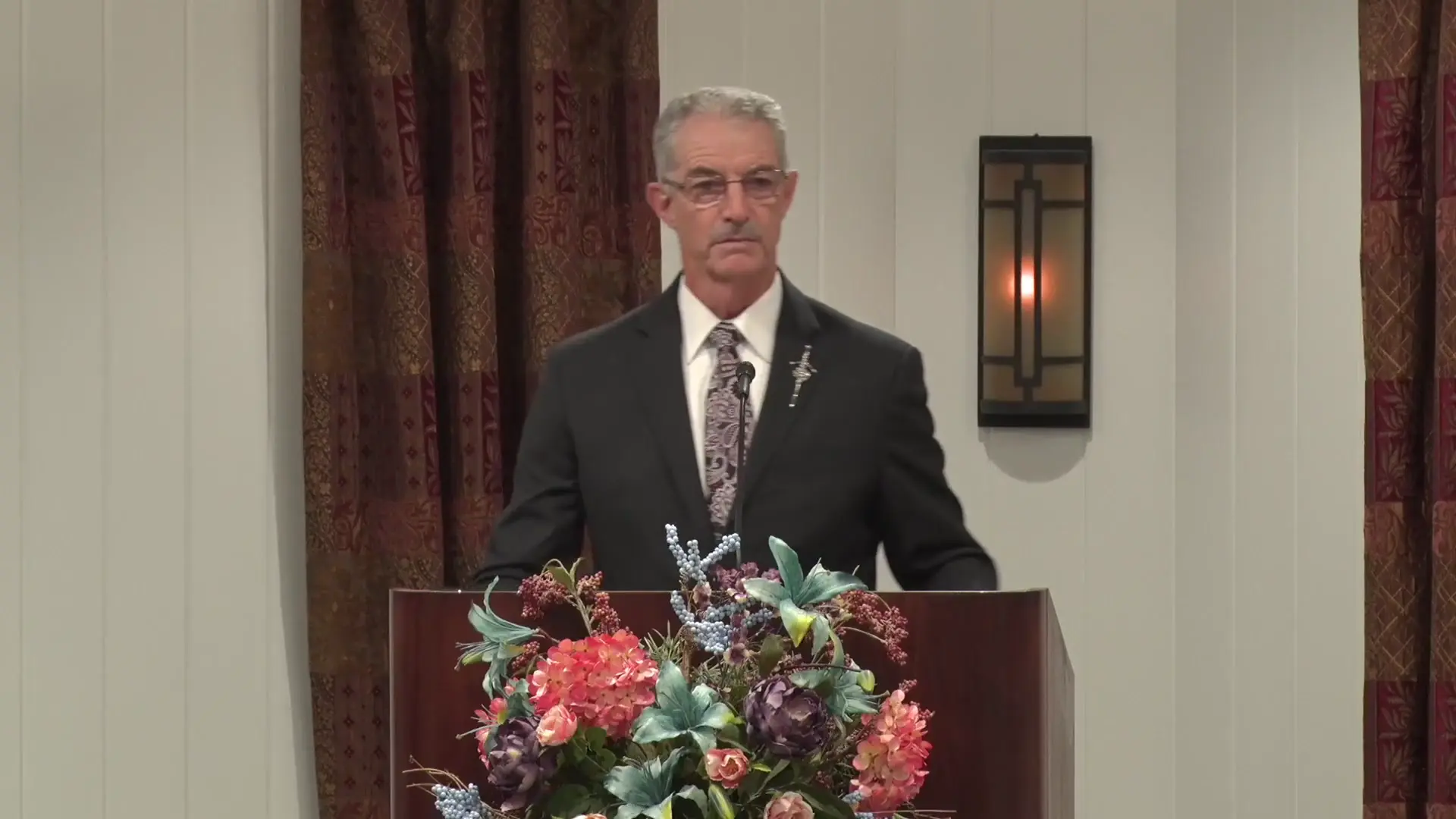
God's Spiritual House
Sermon by Ronny H. GrahamBelievers are a holy and royal priesthood, called to offer spiritual sacrifices acceptable to God through Jesus Christ, and this is their job description. Holy means chaste, pure, clean, and consecrated; royal means kingly, belonging to the king. Under the Aaronic priesthood, God set apart the tribe of Levi, and one had to be born into that line to serve. The Levites were not numbered with the other tribes because they belonged to God. They set up, took down, and guarded the Tabernacle, and any outsider who approached was put to death. After the Golden Calf, only the Levites answered Moses' call to be on the Lord's side, and God blessed them for putting His law before son or brother. Since God cannot dwell where sin is, those who are His temple must put sin out and guard the truth. With the order of Melchizedek established, the Aaronic priesthood was changed, though this does not do away with God's law. Whether Peter's "holy" and "royal" distinguish the two priesthoods is unclear. Under the old system only the high priest entered the Holy of Holies, once a year on the Day of Atonement. Jesus Christ, the High Priest after the order of Melchizedek, gave His life as sacrifice for sin and tore away the veil, so that those the Father has chosen now have direct access to Him at any time. In return, they must strive to uphold the name of their High Priest.