


Filter by Categories
Listen, Wait, and Then Speak
Sermonette by Ted E. BowlingJames provides some of the best advice on communication and control of the tongue. The correct order of communication is listening, waiting, and then responding.
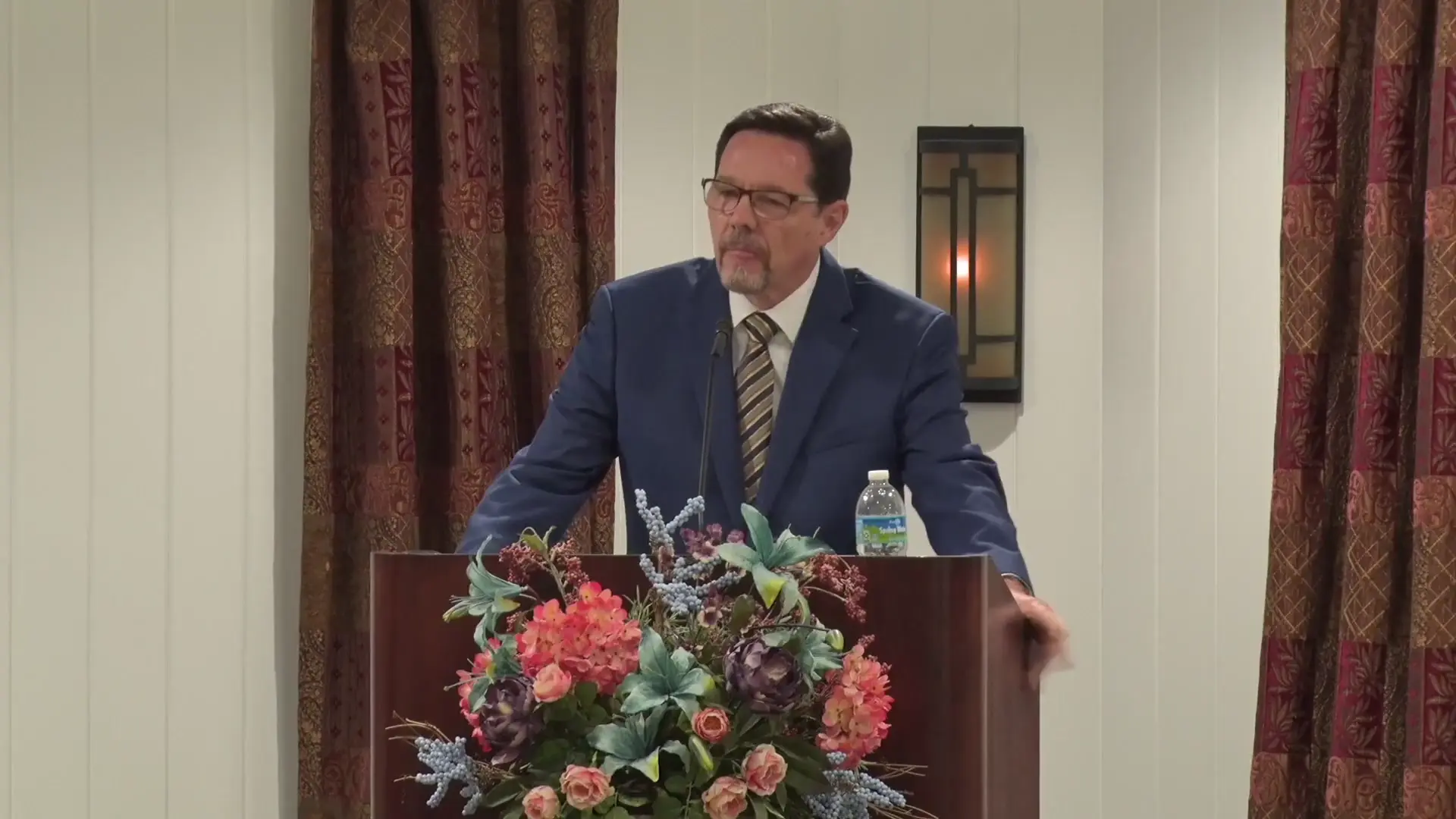
Have You Become an Example to All Who Believe?
Sermon by Martin G. CollinsAs followers of Christ, we are called to be swift to hear and slow to speak, as guided by Scripture in James 1:19. This principle urges us to discipline ourselves against excessive talking, which can hinder reflection and spiritual growth. We must avoid going through life speaking nonstop without truly understanding the truth or growing in grace and knowledge. Idle talk, described in I Timothy 1:4-6 as empty and vain, wastes energy and fosters disputes rather than godly edification. Such conversations, filled with senseless eloquence or foolish opinions, offer no value and reflect poor manners by suggesting our words are more important than others' contributions. Habitual interruptions further show a lack of interest in what others have to say. In contrast, we should strive to use our words wisely, recognizing their power to either build up or destroy. As Ephesians 4:29 instructs, let no corrupt word proceed from our mouths, but only what is good for necessary edification, imparting grace to the hearers. Our speech should align with the example of Jesus Christ, who spoke with clarity and purpose, ensuring that our communication reflects kindness and consideration for others.
Prepare to Teach
Feast of Tabernacles Sermon by Martin G. CollinsAs we prepare to be teachers in the World Tomorrow, embodying the qualities of effective instruction is essential. Among these, being slow to speak stands as a critical principle for fostering understanding and righteousness. James 1:19-20 instructs us to be swift to hear, slow to speak, and slow to wrath, for the wrath of man does not produce the righteousness of God. Being swift to hear demands an obedient response to God's Word, going beyond mere listening to truly receiving and applying it with genuine faith that transforms attitudes and actions. Being slow to speak requires attentive listening and contemplation grounded in God's principles, guiding our tongues with the Holy Spirit's fruit of self-control. This approach ensures that we avoid drawing conclusions based on emotion or incomplete information, recognizing that pride often fuels unrighteous anger while humility tempers it. These principles are vital for us to become good teachers in the Millennium, enabling us to impart God's way of life with clarity and patience.
Fire Igniter or Fire Extinguisher
Sermonette by Bill OnisickRelationships in the church have been charred by loose lips and careless tongues described in James 3:2, setting on fire the course of nature by hell.
Take the Red Pill
Sermonette by Bill OnisickIf we were to consciously monitor our thoughts, we would be appalled about the percentage of our day that we are exclusively wrapped up in ourselves.
Ecclesiastes Resumed (Part Eleven)
Sermon by John W. Ritenbaugh (1932-2023)In Ecclesiastes 5:1-7, Solomon provides crucial guidance on the importance of being slow to speak, especially in the presence of God. He admonishes us to walk prudently when approaching the house of God, urging us to draw near to hear rather than to offer the sacrifice of fools, who do not realize the evil in their actions. Solomon warns against being rash with our mouths or letting our hearts utter anything hastily before God, emphasizing that since God is in heaven and we are on earth, our words should be few. He highlights that a fool's voice is known by many words, contrasting this with the wisdom of restraint. This counsel is deeply tied to our relationship with God, underscoring that speaking without thought or discipline can lead to sin. Solomon advises humility and careful speech, noting that careless words can cause our flesh to sin and provoke God's anger. His concern extends beyond mere quantity of words to the quality of our commitment, urging us to follow through on vows made to God without delay or excuse. The underlying issue he addresses is the risk of hypocrisy through forgetfulness or lack of discipline, reminding us that we are always before God, and every word matters in reflecting who we represent. Solomon's guidance in these verses connects to the broader theme of Ecclesiastes, moving from the vanity of a life lived under the sun to a purposeful life of reverent respect for God. He encapsulates this by urging us to fear God, aligning our speech with focused attention and obedience to the covenant we have made with Him. Thus, being slow to speak is not merely good advice but a vital aspect of maintaining a sincere and disciplined relationship with God, ensuring that our words and actions consistently honor Him.

Ecclesiastes Resumed (Part Thirty-Seven): Ecclesiastes 10:12-19
Sermon by Richard T. RitenbaughAs teachers, we are all burdened with an unholy tongue, but we need to rule it to produce only holy speech. Ecclesiastes 10 focuses on a leader using gracious speech.
New Covenant Priesthood (Part Nine)
Sermon by John W. RitenbaughPride, as a destructive force, manifests in various ways, including the manner of our speech. The Bible warns against the folly of excessive talking, labeling it not only as foolish but also as evil. Proverbs 10:19 states that in the multitude of words there is no lack of sin, but he who refrains his lips is wise. This emphasizes the value of being slow to speak, as wise men conceal knowledge, not making a show of what they have learned, but speaking with due consideration. In contrast, the foolish blurt out words carelessly, creating considerable harm for themselves and others, bringing destruction near. Further, Proverbs 14:3 connects this foolish, incessant talking directly to pride, stating that in the mouth of the foolish is a rod of pride, while the lips of the wise preserve them. This rod, an instrument of punishment, shows that the foolish talker's own mouth brings punishment upon him, driven by pride lurking in the background. Ecclesiastes 10:12-14 reinforces this by contrasting the gracious words of a wise man with the destructive lips of a fool, whose constant talking leads to mischievous madness and self-destruction. Ecclesiastes 5:1-3 advises caution in speech, especially in the house of God, urging readiness to hear rather than to offer the sacrifice of fools through rash words. It warns against being hasty to utter anything before God, reminding us of His supreme power and our earthly position, thus advocating for few words. The multitude of words is linked to vanity and sin, with pride as the underlying force driving this futility. These passages collectively highlight that being slow to speak is a guard against the sin and destruction that pride fosters through unrestrained speech.
Listening
Sermon by Richard T. RitenbaughBiblical listening is not just hearing, but active understanding and responding, leading to changed behavior. Not hearing is tantamount to rebellion.

Displaying Virtuous Character
Sermon by Martin G. CollinsSelf-control has both an inward and outward dimension, the latter concerned with human relationships, manners, and reflecting God's orderly mindset.
Who Are You?
Feast of Tabernacles Sermon by John O. ReidGod chooses the base and the foolish of the world, giving them the precious truth leading to sanctification and glorification, making us unique to God.
Many Excuses
Sermon by John W. RitenbaughWe need to avoid the trap of self-justification, allowing our hasty words to lure us into sin. We must be quick to listen, and slow to speak.
Our Part in the Sanctification Process (Part Five): Cultivating Patience
Sermon by David F. MaasNumerous scriptures show the bad effects of impatience committed by ancient Israel, while the patriarchs, Jesus Christ, and the Father set examples of true patience.
James and Unleavened Bread (Part One)
Sermon by Richard T. RitenbaughThe book of James applies to us after the sanctification process has begun. The most effective way of eliminating sin is to do righteousness.
Habakkuk: A Prophet of Faith (Part One)
Sermon by Martin G. CollinsWe should never be tripped up when we see bad things happen to good people or vice versa, realizing that history is indeed following God's timetable.
Strategies for Interfacing with Babylon Without Becoming Assimilated (Part Two)
Sermon by David F. MaasThere are three basic causes for discontentment and three strategies to contentment, enabling us to emulate the apostle Paul's content state of mind.
Ecclesiastes (Part Four; B)
Sermon by John W. RitenbaughGod manipulates events to occur at precisely the right time. The timing God uses for us are just as precisely planned and scripted as they were for Christ.