
Featured
Commentary
The Six-Pointed Occult Symbol
The six-pointed star can be traced through the worship of Ashtoreth (also known as Astarte, meaning ‘star’) and Chiun and Remphan (meaning 'star') from the Egyptians before King Solomon's time. The first biblical mention of an …
Article
Elijah and John the Baptist
All of us desire to know the future so we can be prepared for it. We want to be in control of our destinies and not at the mercy of events. However, some have this desire so strongly that they set themselves up as channels through which …
CGG Weekly
Fear and Faith (Part One)
The story of the children of Israel fleeing from Egypt never gets old even though we return to it routinely every spring. There seem to be endless lessons we can learn from it, and in that vein, the larger journey contains three examples …

Today's Verse and Comment
Hebrews 1:13-14
(13) But to which of the angels has He ever said:
“Sit at My right hand,
Till I make Your enemies Your footstool”? (14) Are they not all ministering spirits sent forth to minister for those who will inherit salvation?
Verse 13 derives from Psalm 110:1, a psalm considered Messianic even by Jewish scholars. We can think of this quotation as a reverberation of verse 4, in that we need to consider it in the same way as what is written there of the …
Recent Video
Recent Audio
CGG Weekly
Killer Attitudes
by Richard T. RitenbaughMost people utilize an innate ability of personality nearly every day without realizing it. No one must bring it to another’s attention before using it, and no one needs to practice it to become skilled at it. In fact, a person could go his or her whole life without being consciously aware that this ability even exists, yet nevertheless use it all the time. This ability is mood or attitude reception. How does it work? Someone can be going blithely through his day, thinking that all is right with the world. Nothing bad has happened all day, so he comes home from work, whistling a cheerful …
Read More
Forerunner Magazine
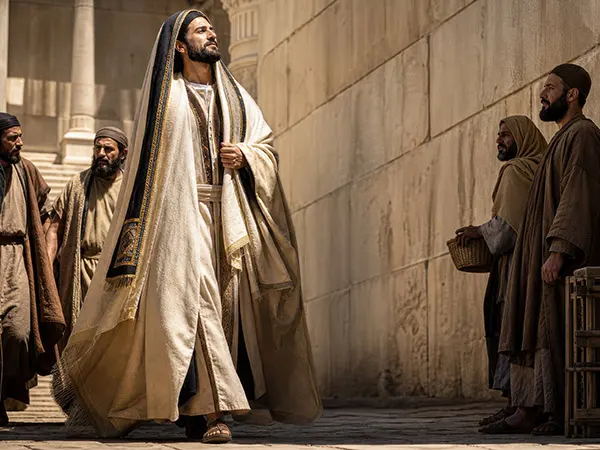
In the children's fable, "The Emperor's New Clothes," the monarch's clothing is invisible, entirely a figment of his imagination. The …

As the end of Part Three noted, Jesus taught that the Passover has not yet been completely fulfilled: “. . . for I say to you, I will no …

Every autumn, God's people observe the fall holy days, including the Feast of Tabernacles. Immediately following the seven days of …

We can all agree that the world is not getting any better. The news headlines speak of terrorism, war, anti-Semitism, murder, fraud, …

As God leads us through our conversion, He regularly challenges our perception of Him. As we accept and apply ourselves to each …

Have you ever heard of individuals who have conspired to control the world's nations with their wealth and power, and who are the real …
