


Filter by Categories
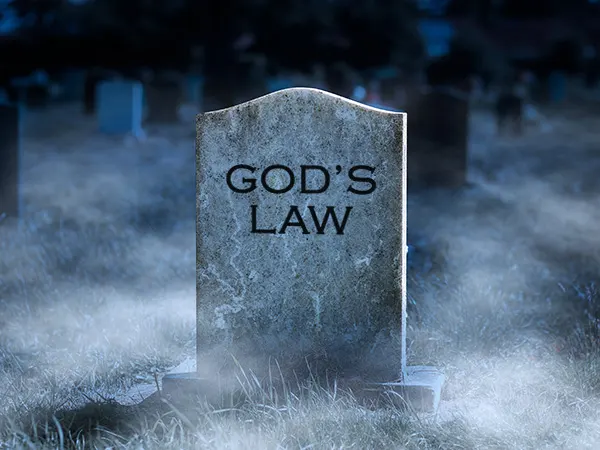
Dead to the Law?
'Ready Answer' by Earl L. HennIn Romans 7, Paul discusses the law's authority and uses the analogy of marriage to illustrate our relationship to the law and to Christ. He specifically refers to the Seventh Commandment, which forbids adultery, to make his point clear. Paul states that a woman is bound by the law to her husband as long as he lives, but if her husband dies, the marriage bond is broken, and the law cannot condemn her as an adulteress if she remarries. He emphasizes that this law against adultery is binding on Christians, highlighting that the law retains its authority in this context. Through this analogy, Paul explains that just as the woman cannot be condemned if her first husband dies, we cannot be condemned by the law because our old man of sin has died through baptism and the sacrifice of Christ. Therefore, the law no longer has the power to condemn us to death for our sins, freeing us to be married to Christ and to bear fruit to God.
The Perfect Marriage
Sermon by Richard T. RitenbaughThe Seventh Commandment, which states, "You shall not commit adultery," underscores the sanctity of the marriage union as the only relationship sanctioned by God for producing children. This commandment highlights that children born outside of marriage face inherent disadvantages, as marriage provides the best and only God-approved context for raising offspring to fulfill His purpose of creating mankind in His image. The union of husband and wife is the initial step in this divine process, setting the foundation for producing individuals with the potential to become part of God's Family. Through marriage, parents bear the responsibility to shape and mold their children, preparing them for God to further develop as His sons and daughters. This sacred institution is essential for creating the ideal environment to nurture godly seed, aligning with God's ultimate goal of reproducing Himself through humanity.
Sex, Sin and Marriage
'Ready Answer' by StaffThe seventh commandment, as stated in Exodus 20:14, "You shall not commit adultery," encompasses far more than just infidelity within marriage. God commands abstinence from all forms of sexual immorality, including premarital sex, homosexuality, incest, voyeurism, bestiality, and public nudity, as detailed in Leviticus 18 and 20. In the New Testament, Paul includes licentiousness, uncleanness, and lewdness, addressing liberal attitudes toward sexual matters. God's Word treats both sexes equally in condemning sexual sin, with severe consequences outlined, such as death for adultery and other immoral acts in Leviticus 20:10-13, and the destruction of entire cities for aberrant practices in Abraham's time. Jesus, in His Sermon on the Mount, emphasizes that even lusting after another in one's mind is tantamount to committing adultery, as noted in Matthew 5:27-28. The holy purpose of marriage underscores the importance of resisting sexual sins. Marriage is intended to reflect God's holiness and the sacred relationship He desires it to represent, mirroring the union between Christ and the church. As Ephesians 5:32 suggests, everything about a godly marriage should speak of this divine connection. Men are to love their wives as Christ loved the church, giving themselves for them, nourishing and cherishing them, while wives are to submit to their husbands as to the Lord. Adultery, fornication, and other perversions hinder this sacred depiction until repentance occurs. God desires marriages to remain undefiled, with the marital bed kept pure and sacred, as stated in Hebrews 13:4, producing holy offspring as highlighted in Malachi 2:15. Sexual sins, including lust, violate the exclusive bond of marriage, creating a conflicting union that damages the one-flesh relationship, as described in I Corinthians 6:16-18. Such acts are sins against one's own body and, more critically, demonstrate infidelity to God, who owns us completely, having bought us with the high cost of Christ's blood. Breaking the seventh commandment begins with spiritual unfaithfulness to God, stemming from a willingness to disregard the vows made to Him. True repentance for sexual sin starts with acknowledging the offense against God, as David did in Psalm 51:4, recognizing that ultimate sin is against Him. Overcoming sexual immorality is possible through repentance and forgiveness. God sent His Son not to condemn but to save, as John 3:17 affirms, offering forgiveness to those who acknowledge their sins. Jesus demonstrated compassion toward repentant sinners, as seen in His interactions with the woman caught in adultery in John 8:1-11, where He neither condemned her nor condoned her sin, but urged her to sin no more. Similarly, with the Samaritan woman at the well and the repentant woman who washed His feet, He showed mercy and acceptance upon their repentance. God's children are called to forgive and support those who repent of sexual sins, recognizing that past sins are removed by Him, as far as the east is from the west, according to Psalm 103:12. Through Christ, who is able to keep us from stumbling, as Jude 24 states, we can overcome and be presented as a pure, spotless bride to Him, glorifying God by keeping our marriages holy and clean.
Samson and the Christian (Part 3)
Sermon by Richard T. RitenbaughAs Judges 14 opens, God motivates a spoiled, lustful, impetuous troublemaker to begin delivering Israel from the Philistines. Samson walked by sight.
Character Matters
Sermon by Richard T. RitenbaughUnlike America's presidents, in God's kingdom only those who have God's approval, those who have developed iron-clad character, will be qualified to rule.