


Filter by Categories
Israel's Restoration and the Zeitgeist of Zeal
Sermon by Charles Whitaker (1944-2021)God's work of salvation extends across the earth, and a crucial part of this plan involves the preaching of the gospel through a restored Israel. In the Millennium and beyond, Christ will lead converted Israelites out of Jerusalem and the Promised Land to proclaim the gospel of the Kingdom of God to all nations and peoples. This mirrors the New Testament model where Christ sent His disciples to preach, not waiting for people to come to them, but going out to the people in assigned territories. Similarly, these future Israelite preachers, trained and guided, will be sent out in teams to specific regions, ensuring the gospel reaches everyone, both Gentiles and scattered Israelites living outside the Land of Promise. God's commitment to restoring Israel includes positioning her as a holy nation, a beacon to the world, demonstrating the consequences of obedience and disobedience. This restoration adds value, as God will give Israel a new heart and spirit, enabling faithfulness through the New Covenant. As a result, Israel will carry the gospel, God's power to salvation, to the entire world, fulfilling His purpose to bring salvation to all. Christ's leadership as the Shepherd will guide this mission, leading His flock out through the gates of the city, metaphorically seen as exits from which the gospel flows like springs of water across the earth. This preaching effort will be unhindered, supported by those who guard the purity and path of the gospel, ensuring it remains uncontaminated as it spreads. The zeal for the gospel in the Millennium will be immense, driving the culture and endeavors of a restored Israel under the New Covenant. Through this work, the fruit of Israel will fill the earth, blessing all families as God's plan of salvation reaches its culmination.
The Doctrine of Israel (Part Six): New Testament Teaching
Sermon by Richard T. RitenbaughThose who follow Christ are the true Israel, the Elect, and the Chosen, called by God to precede unfaithful physical Israel in the salvation process.
The Present Harvest (Part Two)
Feast of Tabernacles Sermon by Charles Whitaker (1944-2021)Christ empowers His disciples to preach and heal. He is saying there will be an incomplete work of healing and preaching in the run-up to His return.
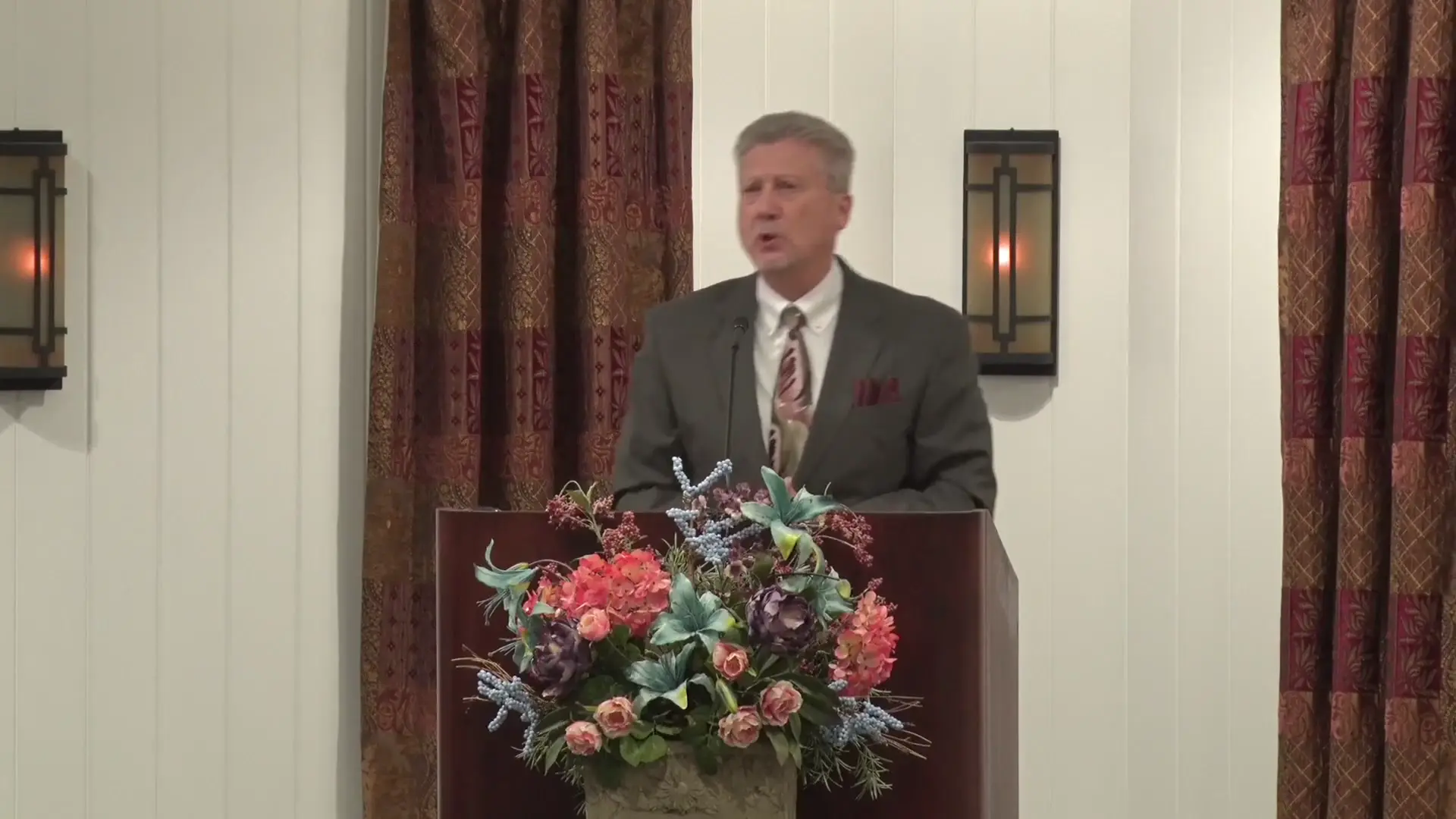
The Canaanite Woman's Faith
Sermon by Richard T. RitenbaughThe account of the Canaanite woman in Matthew 15:21-28 and Mark 7:24-30 centers on a foundational principle of Jesus' earthly ministry: His mission during that time was specifically directed to Israel, not to the Gentiles. When His disciples urged Him to send away the persistently crying Canaanite woman, Jesus answered them directly, stating, "I was not sent except to the lost sheep of the house of Israel." This declaration, positioned at the structural center of the passage, was not a rebuke of the woman but a statement of fact concerning the limited parameters of His commission at that stage of God's plan. This principle reflects a consistent divine pattern: God has always worked in stages, revealing Himself and His ways first through one man or one nation before expanding further. From the time of Israel's bondage in Egypt through the rest of the Old Testament, God worked exclusively with Israel. Likewise, in the New Testament, Jesus did not open His ministry to the Gentiles until years after His resurrection. This same instruction had already been given to the twelve disciples in Matthew 10:5-8, where Jesus commanded them not to go to the Gentiles or Samaritans but to go only to the lost sheep of the house of Israel, preaching that the kingdom of heaven was at hand. Jesus' encounter with the Canaanite woman reinforced this same boundary; her request, though sincere, came before the appointed time for Gentile inclusion. The metaphor of children and little dogs, given in response to her plea, illustrates this priority rather than expressing inequality or bigotry. The bread represents Jesus Himself, His time, attention, teaching, and healing power, images tied to earlier themes of feeding the 5,000 and His declaration "I am the bread of life." Just as a household feeds its children before its dogs, so Jesus' ministry was to be given first to Israel, the children of God's household, before extending to the Gentiles. The woman's response, acknowledging that even the little dogs eat the crumbs that fall from the master's table, demonstrated her understanding and acceptance of this divine order, showing humility rather than offense. She did not demand equal standing with Israel but simply asked for whatever portion of grace might overflow to her, believing that Jesus' goodness could not be contained by boundaries of timing or ethnicity. Her faith, praised publicly by Jesus as greater than any He had seen in Israel, illustrates that even while His preaching was restricted to Israel, individual Gentiles who recognized who He was and approached Him in humility and persistence could still receive His help. This account demonstrates that God's dealings with Israel first, and the Gentiles afterward, is not a matter of favoritism but of order and timing within His sovereign plan. The broader lesson drawn is that believers, like this woman, should not be deterred by delay, apparent rejection, or human obstacles when bringing their needs before God, for He remains a good Father who responds to faith and persistence, regardless of the sequence in which His redemptive plan unfolds.