


Filter by Categories
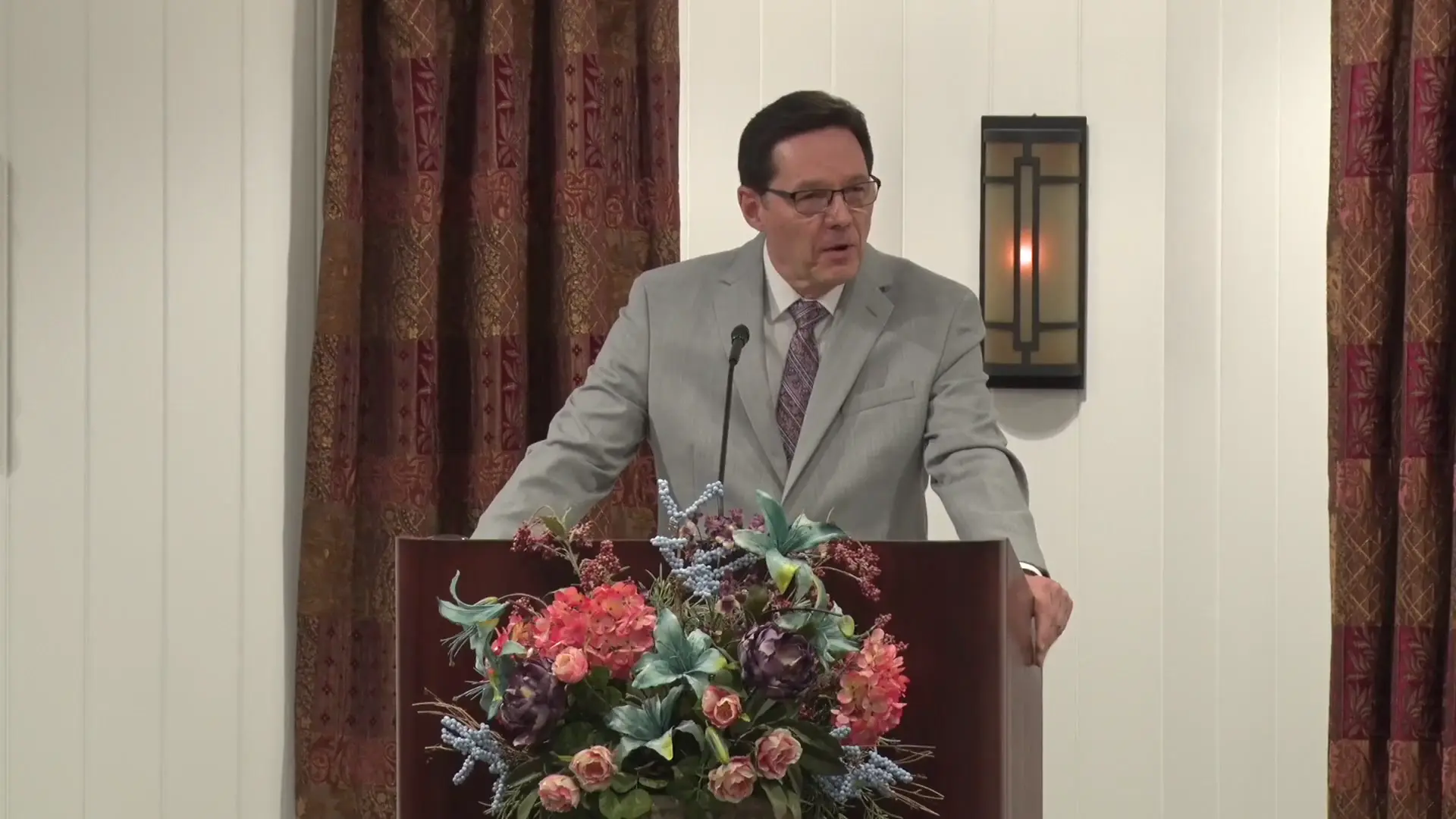
Deceptions of the Last Hour!
Sermon by Martin G. CollinsPsalm 11 is introduced to explain why God permits antichrists to remain active within His church at times, functioning as a test of the righteous. David composed this psalm in response to counsel he received urging him to flee from danger, counsel he refused to follow because he believed doing so would demonstrate a lack of trust in God. Instead, he resolved to persevere and rely on God's intervention according to God's own timing and will. The psalm opens with David declaring his trust in the Lord and questioning why others would tell him to flee like a bird to the mountain, describing how the wicked bend their bows and prepare arrows to shoot secretly at the upright in heart, and asking what the righteous can do when the very foundations are being destroyed. This psalm may date either to the period when Saul hunted David, described in I Samuel 18 through 31, or to Absalom's rebellion recorded in II Samuel 15 through 18. In either case, David was forced to flee for safety on multiple occasions, showing that being God's anointed king did not shield him from injustice and hatred. Yet even in fleeing, David did not act as though all was lost; he fled wisely but not fearfully, trusting that God remained in control. This stands in direct contrast to the fear displayed by his advisers, who saw only frightening circumstances and crumbling foundations. David's faith kept him from losing hope, because he understood that God was greater than anything his enemies could bring against him. The psalm continues with the assurance that the Lord is in His holy temple, His throne is in heaven, and His eyes behold and test the sons of men, testing both the righteous and the wicked according to their hearts. The wicked and those who love violence are hated by God's soul. The principle drawn from this is that when law and order collapse, one might wish to hide, but God's power is never diminished by any turn of events, and nothing happens without His knowledge or permission. Rather than fleeing in fear, believers are urged to run to God in faith and prayer in any circumstance, trusting that He will restore justice and goodness to the earth at the appointed time. This connects to the broader warning against the spirit of antichrist by illustrating that God does not always preserve His people from difficult circumstances, but instead uses trials as tests. For some, these tests become a refining fire; for others, an instrument of destruction. The presence of antichrists within the church, therefore, serves God's purpose of testing faith in the Father and the Son, testing the defense of God's truth, and testing loyalty among believers, much as David's trust in God was tested amid betrayal and pursuit.
Hope to the End (Part Two)
Feast of Tabernacles Sermon by John W. Ritenbaugh (1932-2023)We need these horrific times and conditions to learn the consequences of foolish decisions in order to ensure that nothing like this ever happens again.
Leadership and the Covenants (Part Twelve)
Sermon by John W. Ritenbaugh (1932-2023)The first use of the word 'grace' in Scripture is in context with the rescuing of Noah, a preacher of righteousness from the line of Seth.
Living By Faith: God's Justice
Sermon by John W. RitenbaughIn order to live by faith, we must understand God's sovereignty, God's character, and God's justice, realizing that we do not see the entire picture.
Love and Fellowship
Sermon by John W. RitenbaughFellowship with God is the only antidote to overwhelming feelings of despair, doubt, and self-condemnation.