


Filter by Categories
Caleb: Wholeheartedly Following God Exemplified
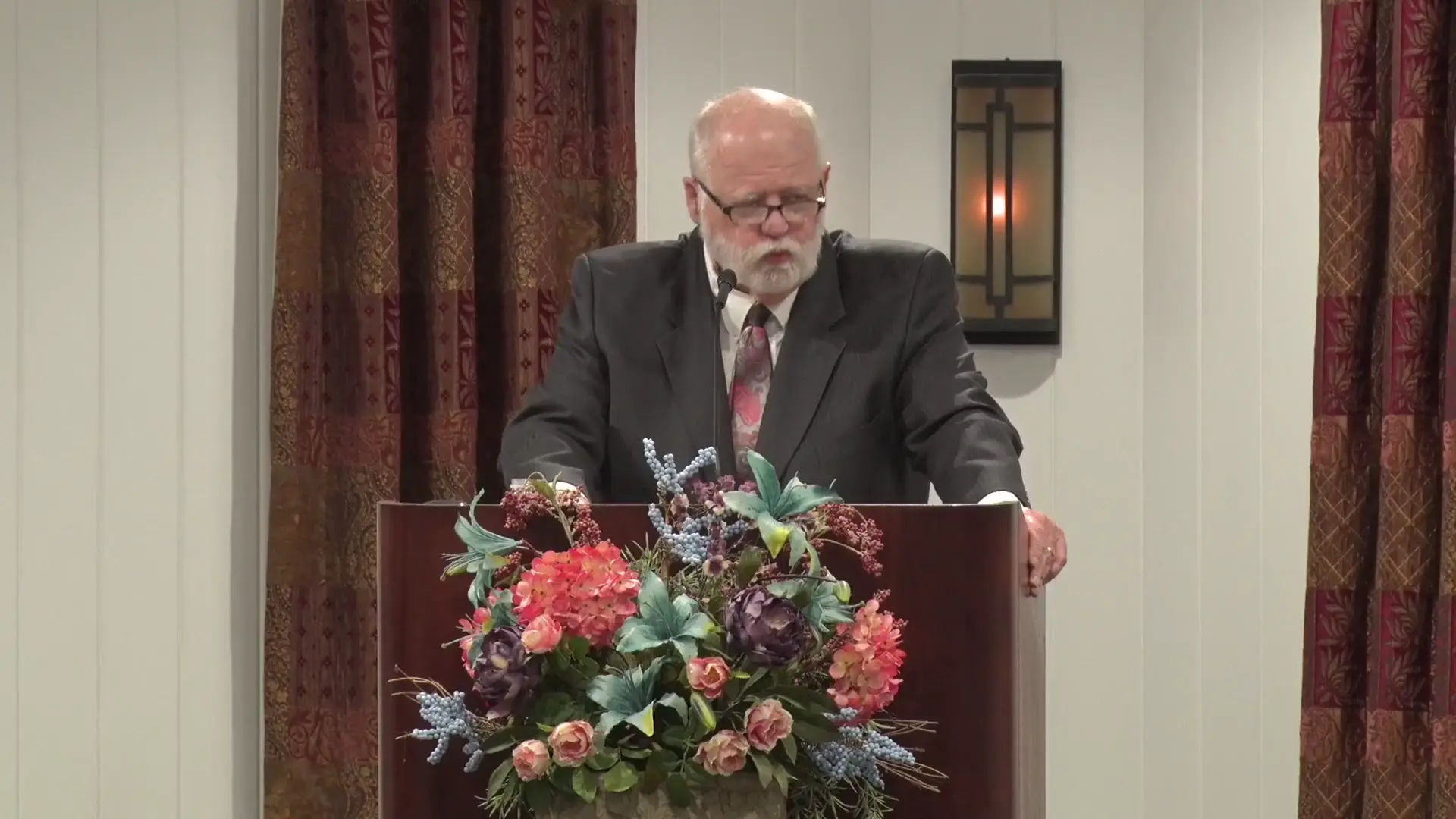
Sermon by Ted E. BowlingCaleb stands as one of the most inspiring figures in the Scriptures, a hero whose life offers profound lessons for our spiritual growth. Often remembered alongside Joshua, Caleb is the other significant figure who played a vital role in the journey of the Israelites to the Promised Land. Though less is known about him, his contributions are remarkable. In the book of Numbers, as the Israelites reached the edge of the Promised Land after leaving Egypt, Caleb was chosen as one of the spies to scout the territory. Representing the tribe of Judah, the largest of the twelve tribes with about 74,000 men over twenty years of age, Caleb was selected from among them, indicating something special about his character. Despite his name meaning "dog," associated with low stature or evil at that time, Caleb transformed its connotation through his unwavering loyalty and faith. Scriptures describe him six times as wholeheartedly following the Lord, revealing a man who lived beyond mere duty, passionately serving God with his entire heart, soul, mind, and strength. When the spies returned after forty days, Caleb and Joshua brought a positive report, seeing the potential of the land and trusting that the task was God's to deliver. Unlike the other spies who discouraged the people, Caleb passionately urged them to trust in God's power, recalling the miracles they had witnessed in Egypt. He and Joshua possessed a different spirit, likely God's Holy Spirit, which set their perspective and obedience apart. Even when the people rebelled and threatened to stone them, Caleb stood firm, never giving in to their lack of faith. As a result of the people's refusal to enter the land, God judged that all over twenty years of age would not enter, except for Caleb and Joshua. Caleb had to wait forty years to return to the land he had already seen and tasted, enduring hardships in the wilderness without complaint. His patience and loyalty to God remained steadfast, showing no evidence of jealousy toward Joshua's leadership role. Instead, their relationship was marked by mutual friendship and support. When the time came to apportion the land, as recorded in Joshua 14, Caleb approached Joshua with humility, confidently reminding him of God's specific promise. At eighty-five years old, he boldly requested the mountainous area, likely the most difficult to conquer, not relying on his own strength but on his total trust in God to drive out the inhabitants. His attitude remained unchanged from decades earlier, showing no arrogance but a deep dependence on God, acknowledging that any success would be because the Lord granted it. Caleb's life teaches the importance of courage under pressure, trust in God when others doubt, and perseverance while waiting for God's promises. His example shows that age is no barrier to accomplishing great things when trust is placed entirely in God. His story reminds us to give God credit for every breath and to rely on His power to overcome any giant or mountain in our path, encouraging us to wholeheartedly follow Him as Caleb did.
Hur (Part One)
CGG Weekly by John ReissThe Scriptures record that Hur, a leader from the tribe of Judah, was the son of Caleb, the son of Hezron and his second wife, Ephrath. Though little is known about Hur, his lineage through Caleb places him within a significant family line in Israel's history. As a descendant of Caleb, Hur's presence on the hilltop with Moses and Aaron during the battle against Amalek in Rephidim highlights his importance, even if the details of his life remain sparse.
We Will Serve the Lord!
Sermon by Martin G. CollinsCaleb, representing the tribe of Judah, was among the twelve spies sent by Moses to survey the land of Canaan. Alongside Joshua, he explored the fertile land, witnessing its abundance with ripe grapes, pomegranates, and figs. Together, they carried back a cluster of grapes so large it required a pole to bear its weight, showcasing the richness of the Promised Land to the Israelites. After forty days of spying, Caleb and Joshua returned with a report, standing firm in their faith despite the fear that gripped most of the Israelites. While the majority wished to return to Egypt, unwilling to enter the land due to dread, Caleb and Joshua urged trust in God, knowing He would be with them as His chosen people. Their steadfast belief was met with hostility, as some Israelites even threatened to stone them for their stance. Due to the lack of faith among the people and the negative report from the other spies, God decreed that Israel would wander in the wilderness for forty years, one year for each day the spies spent in Canaan. Only Caleb and Joshua, among those of age at the Exodus, were spared from dying in the wilderness, permitted to eventually enter the Promised Land because of their unwavering trust in God. Later, as Joshua neared the end of his life, Caleb was present among the elders, leaders, and soldiers at Joshua's farewell address, witnessing the charge to remain faithful to God as the mantle of leadership prepared to pass to the next generation.
A Leader in Every Man!
Sermon by Martin G. CollinsCaleb, alongside Joshua, stood out among the twelve spies sent to explore the Promised Land, as recorded in Numbers 13-14. While ten spies delivered a negative report, overwhelmed by the giants and fortified cities, Caleb and Joshua maintained their faith in God's promise. Caleb boldly declared that the Israelites could conquer the land, viewing the challenges through the lens of divine support rather than human limitation. His perspective shrank the giants to manageable proportions, affirming, "We can certainly do it." Nearly forty years later, Caleb and Joshua remained steadfast at the border of the land, still operating with unwavering trust in God's promises. Caleb's courage was evident as he later requested to confront some of the giants himself, demonstrating his readiness to tackle formidable obstacles with God as his strength. Their stand against the majority opinion taught a lasting lesson that disbelief is fatal and that trusting and obeying God is the only path to true victory.
Are We Ready To Enter The Promised Land?
Feast of Tabernacles Sermon by Richard T. RitenbaughWe may not be troubled by giants or enemy nations, but we have trials of similar magnitude. We dare not behave as the timid spies, but live with boldness.
Proper Memorials and the Right Spirit
Sermon by Mark SchindlerCaleb and Joshua withstood the fearmongering tactics of the ten faithless spies by calling to mind the providence God had shown toward Israel.
Numbers (Part Two): Graves in the Wilderness
Feast of Tabernacles Sermon by Richard T. RitenbaughIf we, like Israel of old, choose to sin, we will receive the same consequence. Two thirds of the book of Numbers emphasizes that if we sin, we die.
Seeking God's Will (Part Three): Patience
Sermon by Richard T. RitenbaughWe must adopt God's perspective on time, developing longsuffering and developing tranquility under adversity, waiting patiently on God.
Principled Living (Part Six): Becoming Holy
Sermon by Richard T. RitenbaughPentecost forces us to stand out from the crowd, separated as firstfruits for sanctification and holiness. God has called us to be different.
Abraham (Part Seven)
Sermon/Bible Study by John W. RitenbaughAbraham's experiences teach us not to try to force God's will. When any sin or self-will is involved, the fruits of such an endeavor will be bitter.
Faith of an Immigrant
Sermonette by Mike FordWhen Moses sent the spies into the Promised Land, only Joshua and Caleb, the latter a naturalized Israelite from Edom, had positive attitudes.