


Filter by Categories
Things We Won't Get Rid Of
Commentary by John W. Ritenbaugh (1932-2023)The United States is of major concern to the world's nations because they witness America's profligate spending and realize that their economic futures are precariously linked to the American economic system. Americans cannot discipline themselves to go without, clinging to portable computers, high-speed internet, smart phones, movies, television, music downloads, pets, booze, coffee, and education. These indeed have become America's idols.
Philippians (Part Ten)
Sermon/Bible Study by John W. RitenbaughNot one of us with heavenly citizenship has ever been there, but like an ambassador, we are compelled to carry on the culture and laws in our lives.
All in All (Part 1)
Sermon by John W. Ritenbaugh (1932-2023)The end of the sanctification process is when Christ will have defeated all enemies and put all things under His feet. Then, God the Father will be all in all.
Soldiers of Christ
Sermonette by Ryan McClurePaul enjoins God's people to enlist as soldiers of Christ, enduring hardship, keeping themselves from the world, and putting on armor for spiritual battle.
Philippians (Part Nine)
Sermon/Bible Study by John W. RitenbaughGodly righteousness demands humility, a readiness to admit shortcomings, a yieldedness to correction, and a willingness to be refashioned.
Childrearing (Part Two)
Sermon/Bible Study by John W. RitenbaughWe cannot turn the teaching of our children over to others, but instead must train and educate them to become productive citizens in the Kingdom of God.

Worry and Seeking the Kingdom
Sermon by Richard T. RitenbaughWorry is a wired-in proclivity of carnal human nature, a response that Satan has programmed in a perpetual state of discontent and distrust in God.
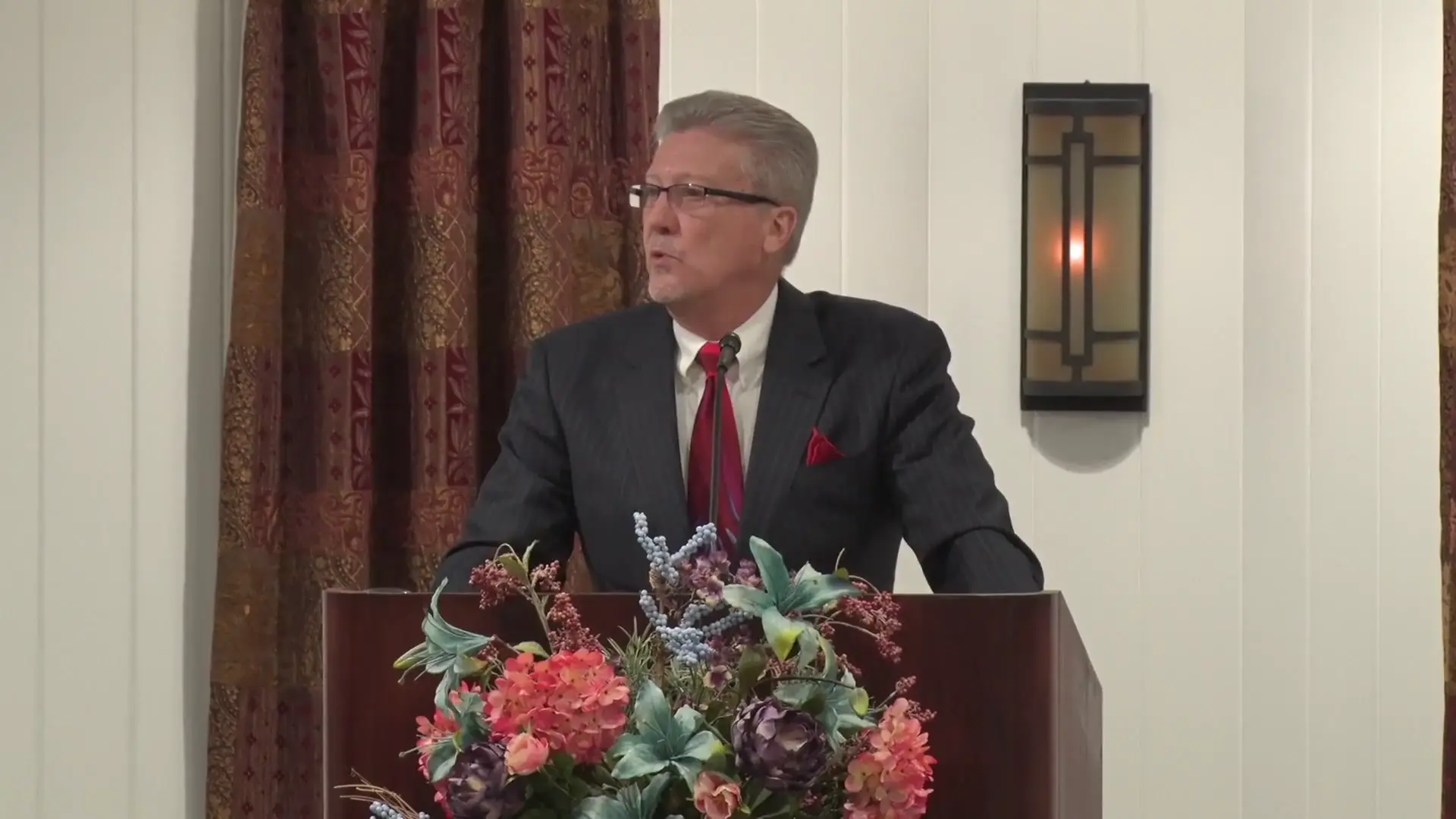
John 3:16 in Context (Part Two)
Sermon by Richard T. RitenbaughIn the exchange between Jesus and Nicodemus recorded in John 3, the phrase "earthly things" describes the introductory spiritual truths Jesus first presented before moving to deeper, "heavenly things." Jesus expressed surprise that Nicodemus, a teacher of Israel, could not grasp these earthly things, since the Old Testament itself had already indicated the spiritual process Jesus was teaching, including the foreshadowing found in Moses lifting up the serpent in the wilderness. Nicodemus and the broader Jewish leadership missed or rejected this truth because of what could be called their "earthiness." Their theology remained fixed entirely on physical Israel, ancestry, and circumcision, believing that descent from Abraham guaranteed a place in the Kingdom of God. Because their thinking stayed bound to the earthly and physical, they could not rise to comprehend the spiritual reality Jesus was revealing: that salvation depends on belief in the Son of God rather than on national or bloodline identity. This earthly-versus-heavenly contrast becomes a structuring theme for the rest of the chapter. In verses 31 through 36, John explicitly states that "he who comes from above is above all; he who is of the earth is earthly and speaks of the earth," while "he who comes from heaven is above all." This declares that anything earthly is inherently finite and limited, incapable on its own of grasping or communicating the realities of God. Jesus, by contrast, brought direct eye-and-ear testimony from the Father, speaking not from earthly limitation but from heavenly origin and authority. The same contrast is repeated later in John 8:23, where Jesus tells His hearers, "You are from beneath; I am from above. You are of this world; I am not of this world," reinforcing that unbelief stems from being rooted in earthly perception rather than heavenly understanding. This earthly limitation explains why so many, beginning with Nicodemus, struggle to receive Christ's testimony. Human unbelief arises both from God withholding His Spirit from those not yet called, and from a deliberate human refusal to hear, as Paul describes in Romans 1, where people exchange the truth of God for earthly, created things. Without the enabling of the Holy Spirit, no one bound to earthly things can truly perceive or receive heavenly truth in its fullness. This theme connects directly to the broader message of the chapter and of the whole gospel of John: that eternal life depends not on earthly status, ancestry, or achievement, but on believing in the Son who came from above. Because Jesus is not earthly but heavenly in origin, He alone can testify truly of the Father, and only by receiving His testimony can anyone move beyond earthly limitation into spiritual life. The entire episode with Nicodemus, therefore, functions as a warning against remaining trapped in earthly ways of thinking, whether through reliance on physical lineage, tradition, or surface-level understanding, and as an invitation to be reborn of the Spirit so that one may perceive and embrace the heavenly things that lead to everlasting life.

Foundations of Sand
Sermon by Richard T. RitenbaughWe all have a measure of sand in our foundations, symbolic of the world's evil standards, prioritizing badly, becoming neglectful, and letting things slip.