


Filter by Categories
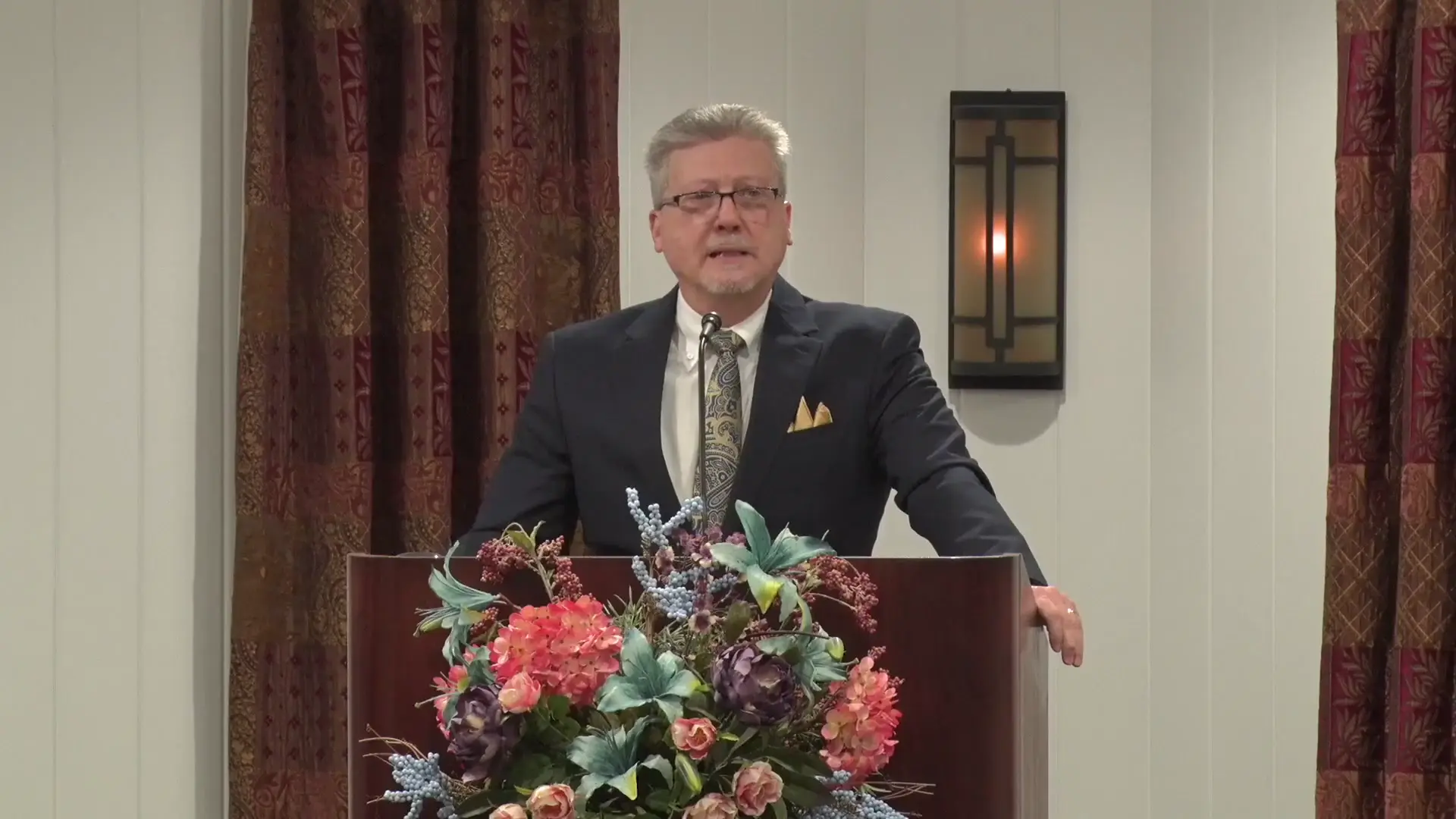
Psalm Genres (Part Two): Imprecatory Psalms
Sermon by Richard T. RitenbaughThe covenant renewal recorded in Deuteronomy 29-30 provides the essential theological foundation for understanding the imprecatory psalms and their calls for God's justice against Israel's enemies. This renewal took place in the land of Moab as Israel prepared to enter the Promised Land, distinct from but not contradictory to the covenant originally made at Horeb; God did not alter the covenant but rather re-spoke it through Moses to ensure the people understood its terms fully. Significantly, this covenant was established not only with those physically present but with all future generations of Israel, binding the nation across time to its stipulations. The renewed covenant explicitly outlined both blessings for obedience and curses for disobedience. Anyone whose heart turned away to serve other gods, thinking they could walk in their own way while still claiming peace, would face the Lord's anger and jealousy, with every written curse settling upon them and their name blotted out from under heaven. This was not merely theoretical; the covenant curses were historically enacted when the whole nation turned from God, resulting in the Lord uprooting them from their land in wrath and scattering them among the nations, an event fulfilled literally when Judah was carried into Babylonian captivity. Yet the covenant renewal also contained the promise of restoration. Deuteronomy 30 specifies that when Israel, scattered among the nations, calls to mind the blessing and the curse, returns to the Lord, and obeys His voice with all their heart, God will have compassion and gather them back from their dispersion. This pattern occurred in type when the Jews returned from Babylonian captivity and points prophetically to a future antitype when God regathers Israel after Christ's return. Crucially, the covenant renewal promises that once this repentance and restoration occurs, the Lord will place all the curses that fell upon Israel instead upon Israel's enemies and persecutors. This covenant framework explains why the psalmists could legitimately call upon God to curse their oppressors. The imprecatory prayers function as appeals to God to fulfill His covenant obligations as Israel's protector and defender, reminding Him of what He promised in the renewed covenant, that He would fight their battles and turn the curses of disobedience back upon those who wronged His repentant people. This is why many imprecatory psalms include the psalmist's declaration of his own faithfulness, obedience, or repentance, mirroring the covenant's requirement that Israel first return to the Lord before the curses could rightly fall upon their enemies instead. The pattern is especially visible in Jeremiah's Lamentations, where recognition of Judah's covenant unfaithfulness and God's resulting judgment gives way to prayers asking God to now turn those same covenant curses upon Babylon. Thus the covenant renewal in Deuteronomy establishes the legal and theological basis by which the psalmists could ask God, not out of personal vengeance, but as a matter of covenant faithfulness, to uphold His sworn word by bringing justice upon those who had oppressed His people.
Remember: Truth and the Real Torch of Freedom
Sermon by Mark SchindlerThe Night to be Much Observed emphasizes that Jesus Christ is the true Torch of Freedom, extricating us from Satan and his multiple deceits.

Spiritual Strongholds (Part Two): Faithful Trust
Sermon by Martin G. CollinsThe disastrous defeat at the city of Ai and the ill-advised treaty with the Gibeonites were both the direct result of not consulting with God.
One Nation Under God (Part One)
Feast of Tabernacles Sermon by Martin G. CollinsNational renewal cannot take place unless there is a true turning from sin and commitment to following the Law of God.