


Filter by Categories
What Is Faith?
Herbert W. Armstrong BookletFaith, as described, is the assurance of things hoped for, the evidence of things not yet seen. It is the confidence that precedes possession, the substance that assures us we shall receive what we ask for, even before we see or feel it. This confidence is not rooted in the physical senses of seeing, hearing, or feeling, but in a spiritual trust in God's promises. Faith is the evidence that God will act according to His Word, regardless of what our human nature might perceive through tangible proof. In a metaphorical trial where God is accused of unfaithfulness, the evidence of faith stands as the defense. This evidence is not something visible or tangible but a patient trust in the truth of God's Word. Faith requires us to rely on His promises, even when the physical reality seems contrary, and to maintain that trust until He fulfills what He has assured. It is this confidence that God cannot lie and will perform what He has promised that defines true faith. Faith is the ingredient we must exercise until God's promise is realized. It is not a fleeting moment of belief but a steadfast reliance on His Word, unaffected by delays or the absence of immediate results. This confidence must remain firm, trusting God to act in His own time and way, beyond our expectations or understanding. Ultimately, faith is the assurance that God's Word is true, and it is through this confidence that we receive what He has promised.
Faith and the Christian Fight (Part One)
Sermon by John W. RitenbaughFaith, in the context of the Christian struggle, is portrayed as a vital element of spiritual warfare, essential for every aspect of a believer's life. It is the foundation supporting the disciple of Christ, necessary for salvation which comes by grace through faith. As described in Hebrews 11:1, faith is the substance of things hoped for, the evidence of things not seen, serving as a practical definition of what faith does rather than merely what it is. This faith underlies, supports, and motivates visible actions with confidence, assurance, trust, belief, and conviction. In various contexts, faith is seen as a personal trust or confidence in Jesus Christ as its object, as highlighted in John 20:31, where believing in Him grants life through His name. Romans 3:22 further illustrates faith as confidence in the specific work of Christ, providing justification and access to God. This confidence is not self-generated but comes as a gift from God through hearing the Word, as stated in Romans 10:17, emphasizing that faith becomes part of one's thinking by engaging with the gospel message of the Kingdom of God. Hebrews 10:35-39 urges believers not to cast away their confidence, which promises great reward, reinforcing that the just shall live by faith and not draw back in fear. The book of Hebrews contrasts faith with unbelief, showing that those who trust in the living God are saved, while those who shrink back are destroyed. The Israelites in the wilderness failed to enter God's rest due to unbelief, as noted in Hebrews 3:18-19 and 4:2, because the gospel preached to them was not mixed with faith. The subjective understanding of faith, as conviction within the believer, is emphasized as crucial, particularly in Hebrews 11. This internal certainty, being sure of what is hoped for and certain of what is not seen, drives the believer to act from a perspective of hope, even under pressure and trials. The Hebrews had lost this conviction, becoming weary and neglectful, thus needing to recapture the bold confidence they once held. True faith, operating in a realm closer to God's timing, not only believes in His truth but also trusts and endures trials with realistic hopefulness, developed through thoughtful listening and yielding to God's evidence.
Faith to Face the Fire
'Ready Answer' by StaffFaith as confidence means trusting that God is present and in control, always acting for the ultimate spiritual benefit of His people even when the outcome remains unknown. This confidence develops through personal experiences of His interventions, which build assurance that He possesses both the power and the wisdom to decide every matter rightly. Shadrach, Meshach and Abed-Nego illustrated this trust when they declared that God could deliver them yet added that they would remain faithful regardless of whether physical rescue occurred, because their eternal deliverance was already secure in His hands. Their stance shows that faith does not require certainty about any specific action God will take; it requires only the settled conviction that whatever He permits serves a higher purpose aligned with His character. The father who cried, Lord, I believe; help my unbelief! demonstrated the same realism by acknowledging both his belief in God's ability and his uncertainty about whether intervention would come at that moment. Such uncertainty does not indicate deficient faith but rather an honest recognition that God's timing and methods differ from human expectations. When prayers appear unanswered or circumstances turn out differently than requested, this confidence keeps the believer from discouragement by affirming that God answers according to His own purpose and that every permitted trial contributes to growth in His image. Ultimately, faith as confidence produces peaceful submission, a refusal to compromise, and the understanding that God's sovereign decisions, whether they bring deliverance or allow suffering, always advance the preparation of His children for His Kingdom.
A Pre-Passover Look
Sermon by John W. RitenbaughFaith begins as simple belief that God exists but advances through operative understanding into confidence and ultimately into living trust. This progression is illustrated when faith undergirds hope as its foundation and supplies the assurance, or title deed, of unseen realities. Enoch demonstrates the mature form of this confidence by walking with God in daily partnership, including Him in every aspect of life and responding to divine revelation with willing submission rather than fear. Such trust pleases God because it rests on the conviction that He both exists and rewards those who diligently seek Him. This confidence is not static; it grows through continued revelation as the veil of spiritual blindness is progressively removed, allowing deeper knowledge of God's character and purposes. The resulting relationship produces reciprocal love: God's self-disclosure awakens faith, and faith returns that love through obedience and yieldedness. Without this active confidence, knowledge of God remains merely intellectual and fails to produce the submission required for salvation. In the setting of Passover preparation, this same confidence anchors self-examination. It prevents irreverent or ritualistic participation by fostering genuine appreciation for Christ's sacrifice and the New Covenant it seals. Those who possess living trust recognize both their need for forgiveness and their identity as co-heirs with Christ, thereby approaching the symbols with due reverence rather than neglect or contempt. Faith as confidence therefore supplies the foundation for the entire process of spiritual readiness, linking personal relationship with God to worthy observance of the Passover.
Living a Life that Pleases God
Sermonette by Clyde FinkleaEven as Enoch lived a life that pleased God, the Scriptures identify seven qualities that enable us to live a life that pleases God.
Faith and Prayer
Sermon by John W. RitenbaughConstant, earnest prayer keeps faith alive and makes certain the receiving of the qualities that make us in the image of God. God's purpose comes first.
Faith (Part One)
Sermon by John W. RitenbaughWe would like God to instantly gratify our desires. Consequently, we find living by faith difficult; we do not trust that He has things under control.
Endure as a Good Soldier
Sermon by John W. RitenbaughIn God's plan, the development of uncompromising character requires struggle and sacrifice. Our victory requires continual drill, tests and development of discipline.
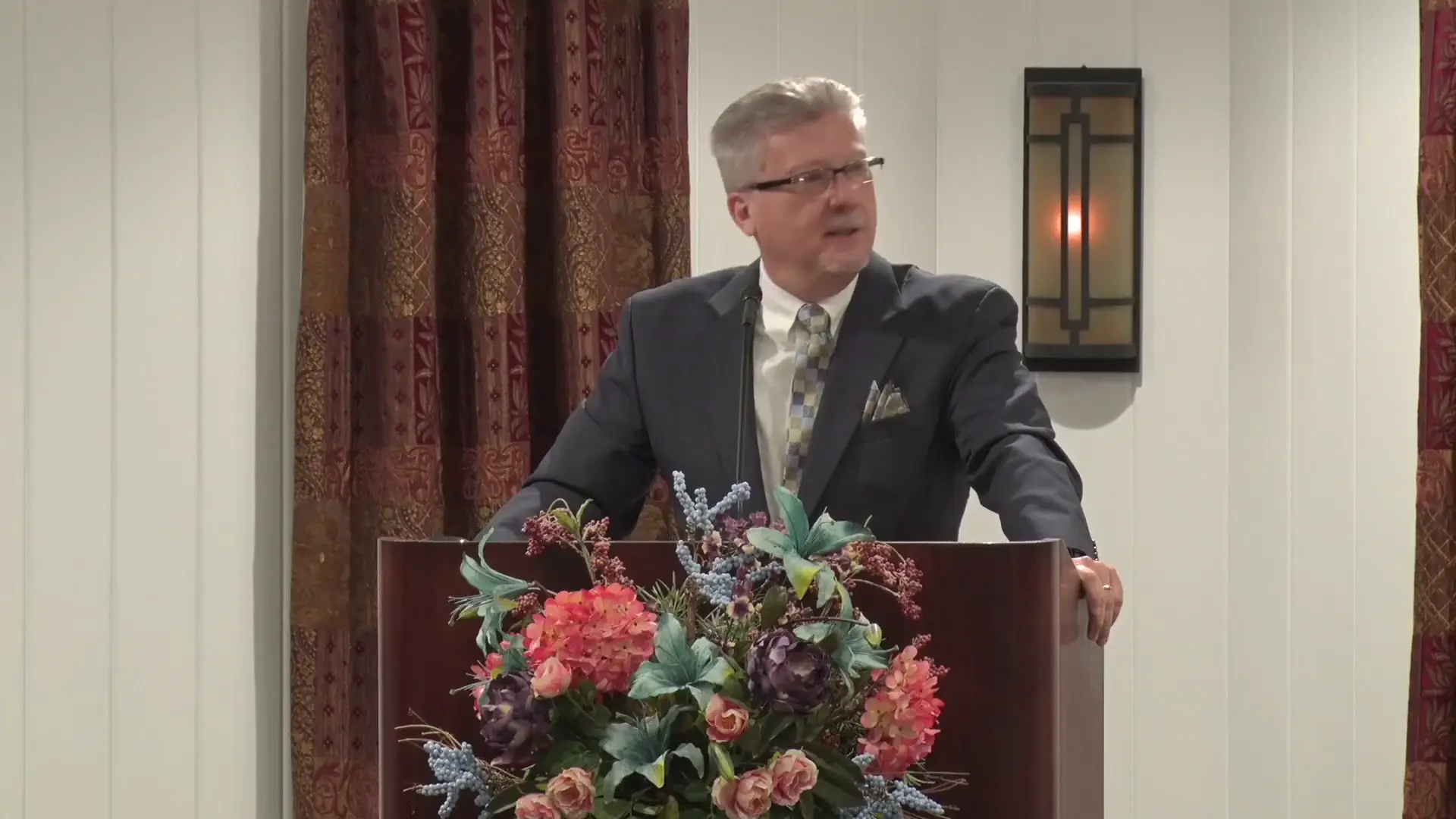
Psalm Genres (Part Seven): Trust
Sermon by Richard T. RitenbaughFaith is strong belief or confidence in someone or something. Faith covers any kind of confidence that might exist in a certain thing or person. True faith is mostly about spiritual belief. True spiritual faith transcends the five senses and the scientific method. True faith transcends that which can be proved by experimentation. Faith is based on spiritual apprehension rather than physical proof. The things of faith rest on evidence. Faith itself is the evidence. The things of faith are known through revelation. Faith becomes the groundwork and the foundation of what is believed. Behind faith stands God Himself. God stands at the base of faith by various means. Because of the Holy Spirit God has opened the mind to these things and produced faith that they are true. Nature from micro to macro provides more than enough proof to conclude that God exists. Central to the relationship that God desires is faith from both sides. Faith and trust are very similar concepts. Trust or confidence in God becomes the basis of spiritual faith. Faith is based on the fact that trust exists in God to do what He says He is going to do. Trust in this relationship is key. Psalms of trust are affirmations of faith in which ongoing relationship with God is strong enough to weather any storm because God is going to respond. In each of the psalms of trust the psalmists declare personal or national trust in God. In psalms of trust the dominant emotional tone is trust. It is confidence. It is positive and upbeat. The psalmist expresses little or no fear or doubt. Psalms of trust typically exhibit descriptions of the threat, expressions of trust in God, and descriptions of God's care. Striking metaphors reveal intimate awareness of God's presence and character. The defining characteristic of trust psalms lies in positive outlook and positive response to adversity. Trust is the proper response to God's proven faithfulness. Trust is a basic but necessary and crucial attitude toward God. The Hebrew word batach means depend on or trust or rely on. In the Psalms the word batach brings out the implication of confidence. The mood of the trust psalms is positive and expectant because trust exists in God as a faithful God. Even though the world seems to be coming to an end the psalmist trusts God. The psalmist is confident in God. The psalmist is willing to wait for God because God is going to do what is best.
Maintaining Good Health (Part 13)
Sermon by John W. RitenbaughCommitment to a course of action is essential for physical or spiritual success. Faith motivates and sustains right action, protecting us from wavering.
Hebrews (Part Four)
Sermon/Bible Study by John W. RitenbaughWe must emulate Christ, who learned through suffering, preparing Himself for His role as High Priest. Giving in alienates us from the fellowship with God.
Where Do We Fit?
Feast of Tabernacles Sermon by John W. Ritenbaugh (1932-2023)The church exists because of what God has purposed and done, not because anything we have done. When pride exists within us, God can do nothing with us.
Prayer and Fervency
Sermon by John W. RitenbaughLiving faith has its roots in fervently, diligently seeking God and His righteousness with intense desire (like a passionate lover) through habitual prayer.
Harden Not Your Heart
Sermon by John O. ReidWe are warned in Hebrews not to harden our hearts, not to let the precious truth of God drift away, realizing that we have been called with a high calling.
The Christian Fight (Part Two)
'Personal' from John W. RitenbaughThe Christian life is a constant battle against our own human natures, this evil world, and spiritual foes who do not want to see us inherit the Kingdom.
Love and Fellowship
Sermon by John W. RitenbaughFellowship with God is the only antidote to overwhelming feelings of despair, doubt, and self-condemnation.
Hebrews (Part Eleven)
Sermon/Bible Study by John W. RitenbaughHebrews emphasizes the infinite superiority of Christ's priesthood and one-time sacrifice as contrasted to the repetitive Aaronic sacrifices.