


Filter by Categories
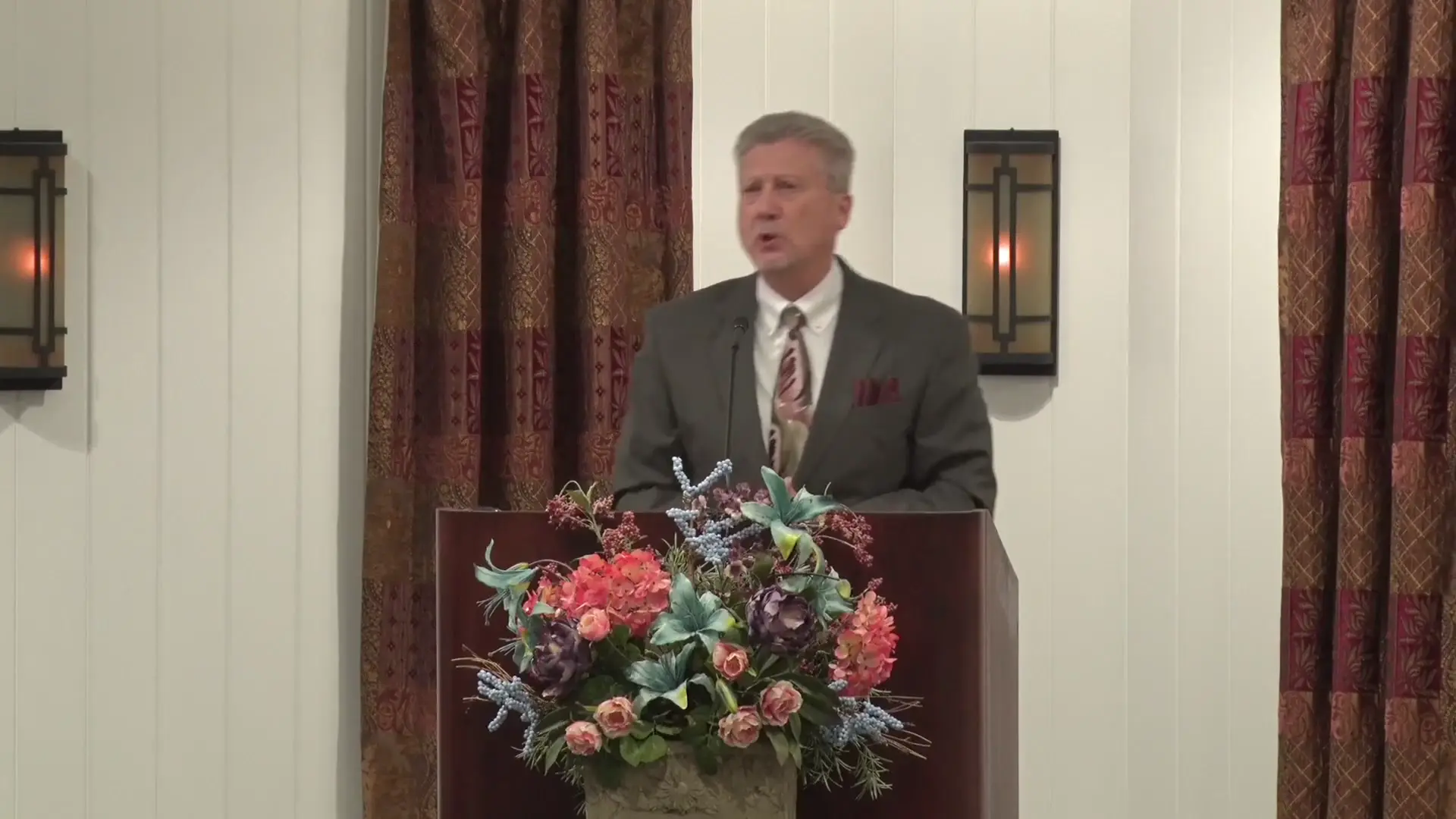
The Canaanite Woman's Faith
Sermon by Richard T. RitenbaughThe account of the Canaanite woman in Matthew 15:21-28 (paralleled in Mark 7:24-30, where she is called a Greek, Syro-Phoenician) serves as a central illustration of true faith contrasted with contemporary misreadings of Scripture. A progressive clergywoman had wrongly claimed that Jesus displayed racist and sexist prejudice toward this woman, forcing Him to heal her daughter to compensate for His bigotry—an interpretation rejected as eisegesis, reading personal ideology into the text rather than drawing meaning from it through proper exegesis. Matthew's identification of the woman specifically as "a woman of Canaan" is deliberate, since Matthew wrote primarily to a Jewish audience familiar with the historical enmity between Israelites and Canaanites, the people the Israelites had been commanded to drive out of the land. This detail sets up a striking reversal: Jesus had just left a Jewish-controlled area filled with unbelieving, contentious Jews, only to encounter, in Gentile territory, a Canaanite—historically Israel's adversary—who believed in Him completely. She addresses Him as "Lord" and "Son of David," terms indicating she recognized His authority and possibly His identity as Messiah, despite having no covenant relationship with the God of Israel. Her behavior throughout the episode exemplifies humility, persistence, and understanding. She approaches with earnest pleading for her demon-tormented daughter, and even when Jesus initially remains silent and later states that His mission was "not sent except to the lost sheep of the house of Israel," she does not protest or take offense. Instead, when Jesus uses the metaphor of bread for children versus scraps for "little dogs," she immediately grasps its meaning: that God's priority at that time was Israel, with the Gentiles to be reached later, in God's ordained sequence. Rather than reading this as a slur, she responds with wit and faith, acknowledging that even the puppies eat crumbs that fall from the master's table—showing she understood the message, accepted the reality of God's timing, and sought merely a share in what was being given at that moment. This response draws direct praise from Jesus: "O woman, great is your faith!" Her recognition and acceptance of the Canaanite-Israelite distinction, far from being an obstacle, becomes the very proof of her faith. She is set alongside the Gentile centurion of Matthew 8 as one of only two people whom Jesus publicly commended for great faith—both Gentiles, neither of them a member of the covenant nation. Thus, the mention of her Canaanite identity is not incidental but essential to the passage's meaning: it highlights the contrast between unbelieving Israel and a believing outsider, demonstrates that God's dealings proceed in ordained stages—first to Israel, later to the nations—and shows that recognizing and submitting to that order, rather than resisting it, is itself an expression of faith. Her example becomes a model of persistent, humble trust that presses through any barrier—delay, silence, cultural distinction, or apparent rejection—to reach God, confident that He will answer according to His good and sovereign purposes.
'How Long, O Lord?'
CGG Weekly by David C. GrabbeThe cycles of Israel's history - idolatry, subjugation, repentance, deliverance - provide a pattern for understanding the church's scattered condition.
Israel's Immigration Problem
Sermon by John W. Ritenbaugh (1932-2023)Economically, the alien has enslaved modern Israel by becoming the lender, putting an iron yoke around the necks of the people in the host nations.
The Doctrine of Israel (Part One): Origins
Sermon by Richard T. RitenbaughBecause Abraham trusted God, his descendants have received unprecedented blessings. If the Israelites would have kept God's law, they would have served as a model.
Sandcastle Virtues
Sermon by Mike FordModern Israel still worships Astarte, now known as "mother earth," and crusades on behalf of fornication and all forms of sexual perversion.
Hosea's Prophecy (Part Six)
Sermon by Martin G. CollinsModern Israel is repeating the same sins as ancient Israel. God's metaphors of the promiscuous wife, stubborn heifer, and rebellious child all apply to America.
Hide and Seek
Sermon by Richard T. RitenbaughOur carnal nature can rationalize the most hideous of sins. We are totally blind to the long-term consequences of our present sins on our future well-being.
Joshua and the Gibeonites (Part Two)
CGG Weekly by David C. GrabbeThe Gibeonites' subterfuge succeeded because Israel's leaders, including Joshua, failed to check in with God, and in time, that failure cost them dearly.
The King of the South
Sermon by Richard T. RitenbaughThe King of the South (Daniel 11:40) might be a confederation of Arabic/Islamic nations continually at war with the people of Israel.
Searching for Israel (Part Five): Solomon and the Divided Kingdom
Article by Charles WhitakerGod divided Solomon's kingdom between Israel and Judah, but promised that a king of Judaic lineage will always rule Israel—another key to finding Israel.
Who Were the Philistines?
'Prophecy Watch' by Richard T. RitenbaughFor centuries, the Philistines were a constant menace on Israel's flank. Here is what the Bible, history, and archeology have to say about this people.
Love and Fellowship
Sermon by John W. RitenbaughFellowship with God is the only antidote to overwhelming feelings of despair, doubt, and self-condemnation.

Spiritual Strongholds (Part Three): God's Intervention
Sermon by Martin G. CollinsIn addition to dispatching the talent sized hail, God responded to Joshua's request to extend the day—requiring an infinitude of miracles.
Hebrews: Its Background (Part Two)
Sermon by John W. Ritenbaugh (1932-2023)Hebrews emphasizes that Jesus qualified as High Priest, teaching us about living by faith in the New Covenant, which mandates that we keep His commandments.
Deuteronomy (Part 7)
Sermon by John W. RitenbaughSanctification is an incremental process in which we systematically destroy the sin within us as our forebears were asked to destroy the inhabitants of Canaan.