


Filter by Categories
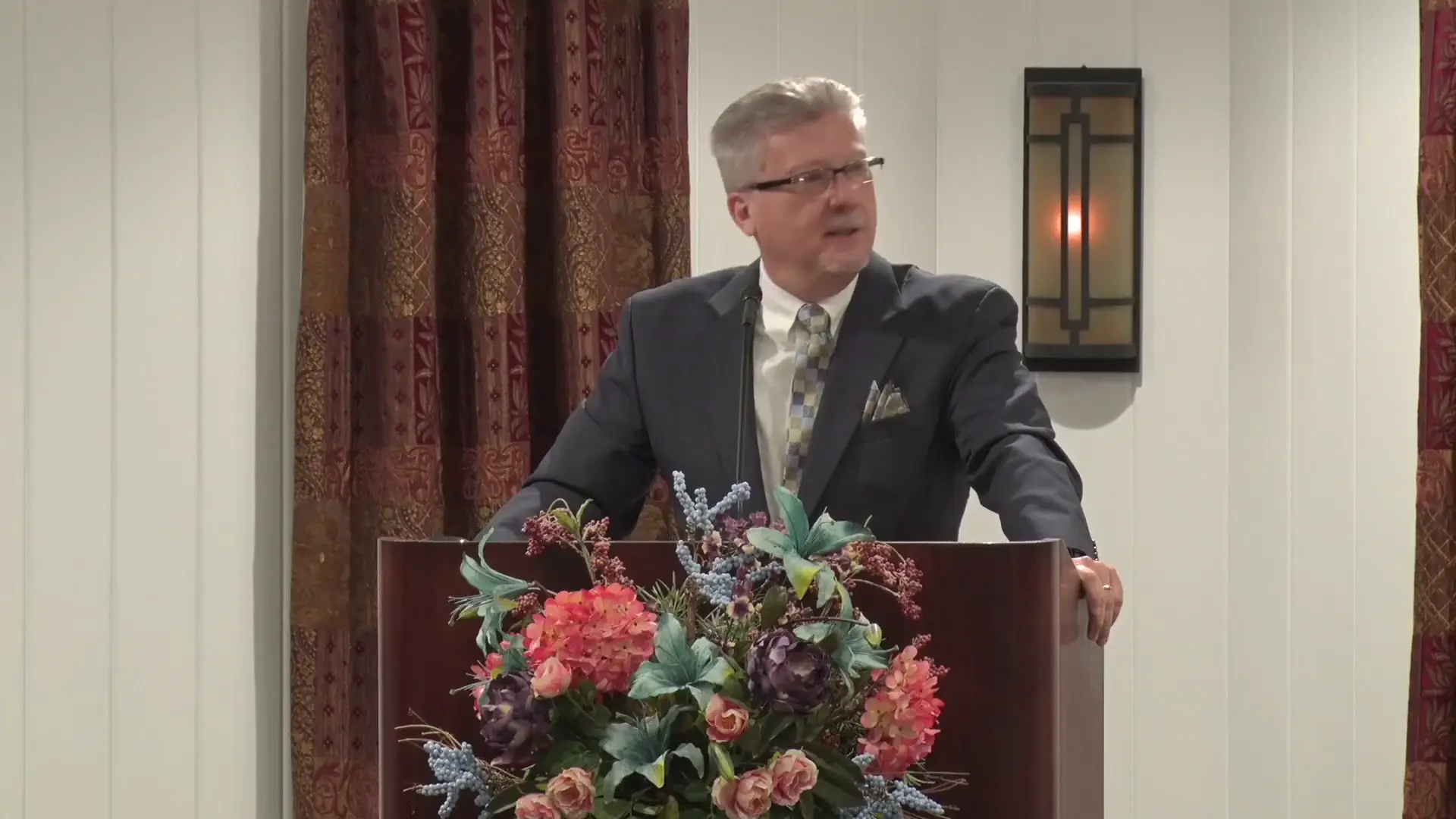
Psalm Genres (Part Seven): Trust
Sermon by Richard T. RitenbaughPsalm 62 is classified among the psalms of trust. It exhibits the defining characteristics of the genre through its positive outlook and confident response to adversity. The psalm declares personal trust in God and provides affirmations of assurance in His ability to protect and deliver. Its dominant emotional tone is trust and confidence with little or no fear or doubt expressed. Psalm 62 typically displays three elements of the genre including a description of the threat from enemies a series of expressions of trust in God and descriptions of God's care. The psalm employs striking metaphors such as God as rock salvation and refuge that reveal intimate awareness of His presence and character. It is markedly different from prayers that focus on complaint because it maintains a positive tone from beginning to end. The psalm is structured in two major sections. Verses 1 through 10 address others in the manner of a preacher while verses 11 through 12 turn directly to God. Within this framework a five paragraph structure appears in which the first third and fifth paragraphs focus on trust in God and the second and fourth paragraphs address the actions of enemies and the carnal traits of humanity in general. The psalm opens with a plain statement of trust in which the psalmist declares that he will wait silently for God to act because He has proven to be rock deliverer and refuge. Verses 3 and 4 describe the threat from enemies who batter the psalmist like a leaning wall consult in secret to cast him down and offer false praise while harboring curses in their hearts. Verses 5 through 8 respond to this threat with renewed expressions of trust. The psalmist issues a command to his own soul to wait silently for God alone and for hope from Him. He asserts that he shall not be moved at all and repeats the metaphors of God as salvation glory rock of strength and refuge. He then exhorts those around him to trust in God at all times and to pour out their hearts before Him because God is a refuge. Verses 9 and 10 contrast the futility of uncalled humanity who rely on oppression robbery and wealth with the security found only in God. Verses 11 and 12 declare that power belongs to God alone and that He exercises it through righteous judgment by rendering justice to the wicked and mercy to those in covenant relationship with Him. The word batach which means to depend on trust or rely on with implications of confidence conviction and hope appears throughout the psalm and underscores its positive and expectant mood.
Power Belongs to God (Part 1)
Feast of Tabernacles Sermon by John W. RitenbaughPaul knew that only through strengthening his relationship with God was he able to both abound and be abased. When we are in trouble, we need to contact God first.
Power Belongs to God (Part One)
'Personal' from John W. RitenbaughWhere does real power reside? All power has its source in God—and not just the kind of power we typically think of.
Government (Part Three)
Sermon by John W. RitenbaughOur attitude toward government must be one of submission. The church cannot perform its function without the cooperation of the carnal civil governments.