


Filter by Categories
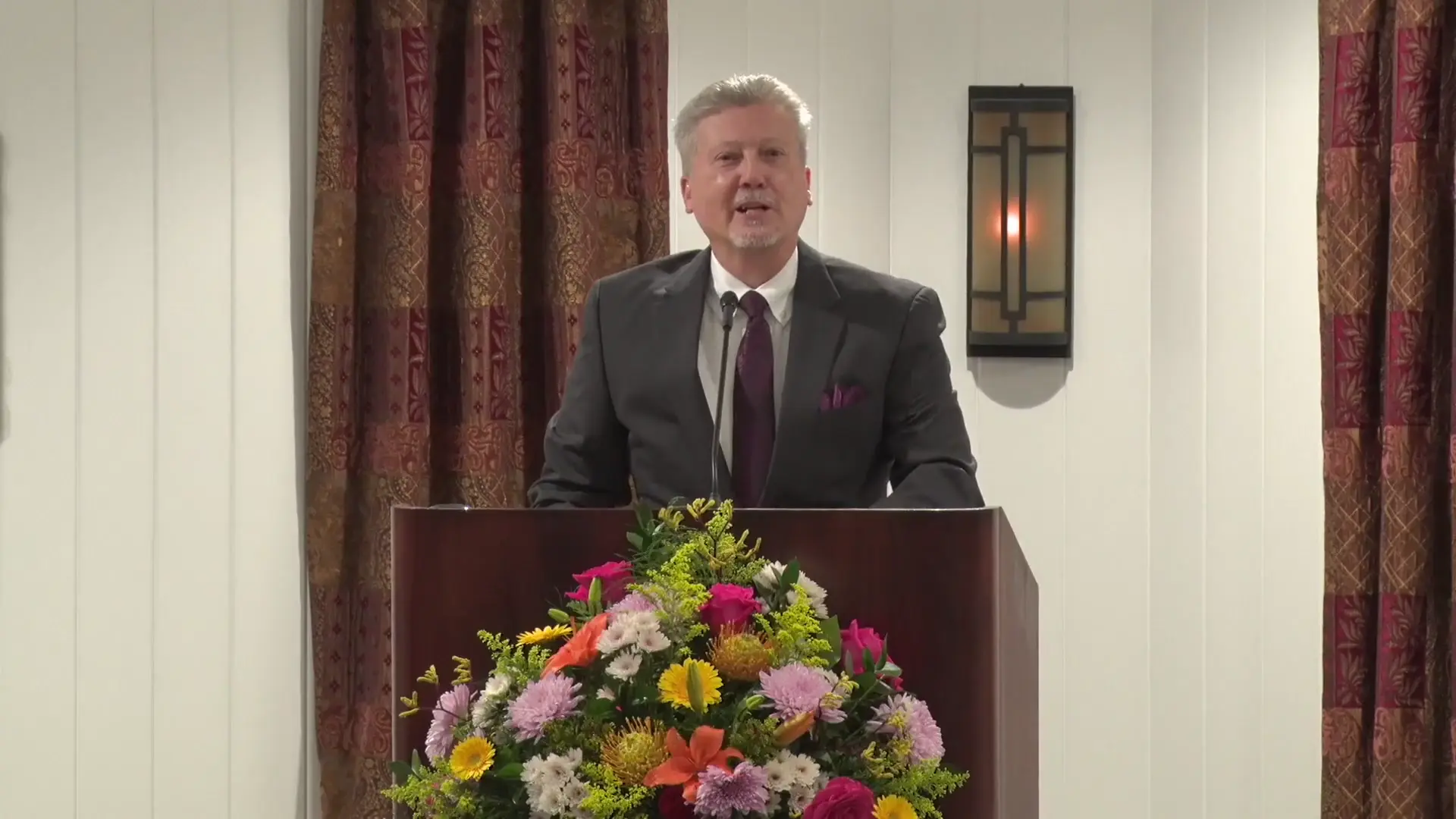
Still Producing Fruit?
Sermon by Richard T. RitenbaughThe Hebrew term qasir underlies the description of Pentecost as the Feast of Harvest in Exodus 23:16. Its fundamental sense is cutting or severing, the action performed when stalks of grain are reaped from the field. This same cutting occurs with the wave sheaf, which priests sever from the barley field before the harvest and present to God. The act symbolizes death, for the plant is removed from the soil and thereby killed, just as Christ Himself was cut off from the land of the living. Yet the wave sheaf, accepted by God, also prefigures resurrection to glory. Fifty days later the Pentecost harvest repeats the pattern: grain that has grown through the intervening period is cut, gathered, and offered. In the same way, those who have produced spiritual fruit throughout the years of their conversion are cut off at the close of life and, if faithful, rise to glory and acceptance before the Father. The necessity of fruitfulness before this cutting receives further emphasis in the parables. A tree that fails to bear good fruit is cut down and thrown into the fire, its purpose unfulfilled. Branches that do not abide in the true vine and produce fruit are likewise severed, gathered, and burned. Thus cutting functions both as the decisive moment of harvest for the productive and as the judgment that removes the unfruitful. This imagery unites the entire message: God supplies Christ, His law, and His Spirit so that His people may labor continually in the field, bearing much fruit with endurance. Whether the span is short or long, the goal remains the same, that when the final cutting arrives the harvest may be abundant and acceptable, confirming that the laborers are indeed Christ's disciples.
Accepted in the Beloved
Sermon by Charles Whitaker (1944-2021)In the greater church of God, amidst schisms of doctrine, personality conflicts, and self-aggrandizement, the peace of God seems to be dwindling away.
The Covenants, Grace, and Law (Part Twenty-Six)
Sermon by John W. RitenbaughChrist will empower us, but will not live our lives for us. The marching orders for our pilgrimage derive from God's Word, containing His holy law.