


Filter by Categories
Angelic Responsibilities
Sermon/Bible Study by Martin G. CollinsGod the Father created the angels through Jesus Christ (John 1:1-3), and Ezekiel 28:15 shows that Lucifer was created perfect, so the other angels were certainly created by God as well. Job 38:6-7 places the angels, the "sons of God," at the original creation of the earth in Genesis 1:1, which God made in order and beauty, since He is not the author of confusion. The Hebrew hayah in Genesis 1:2 is better rendered "became," and tohu and bohu (chaos) always result from sin. Isaiah 45:18 says God did not create the earth tohu. Because no human existed before Adam, the sin that wrecked the earth was the angels' rebellion under Lucifer, who led a third of them away (Isaiah 14:12-14; II Peter 2:4; Jude 6). All angels, Lucifer included, were created with the ability to think, reason, and choose. God intended them to help serve in finishing and improving the vast physical universe, and He placed Lucifer, a covering cherub, over the government of the earth. Angels are sons of God by creation, not by spiritual birth, and they were made as servants, messengers, and ministering spirits (Hebrews 1:14). They are presently greater than man, but man's potential as an heir with Christ is far greater. Christ, the begotten Son, is superior to angels, who are merely created beings and must never be worshipped.
Do Angels Live Forever? (Part Two)
Feast of Tabernacles Sermon by John W. RitenbaughEzekiel 28 reveals that Satan's fate will be ashes in the Lake of Fire; it would be inconsistent with God's character for Him to inflict pain eternally.
The Spirit World
Sermon by Richard T. RitenbaughThough many popular notions of angels come from non-biblical sources, the Bible offers the most accurate insights into their role, nature, and function.
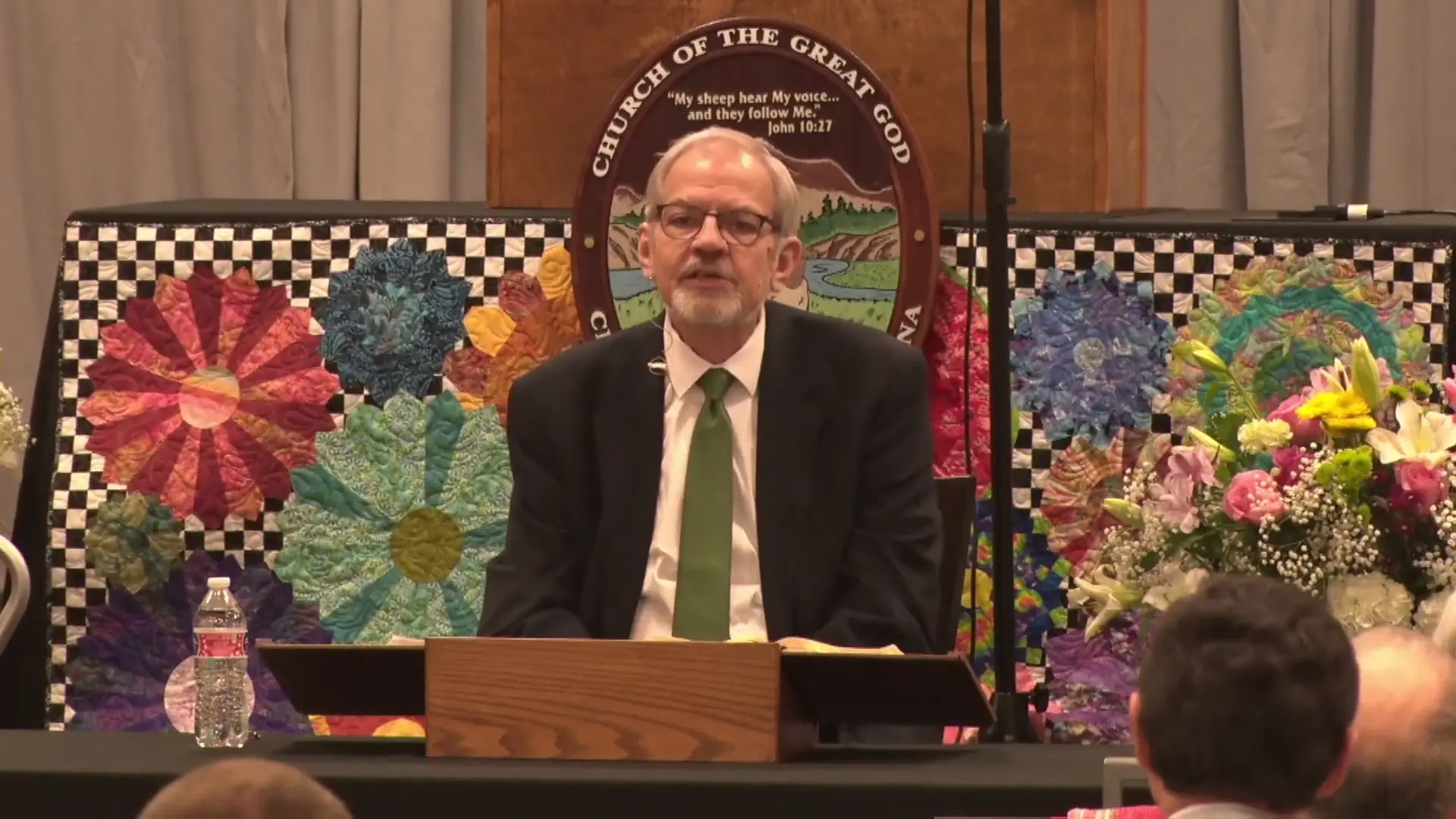
Let Him Who Glories Glory in This (Part Three)
Feast of Tabernacles Sermon by Mark SchindlerRooted in Jeremiah 9:23-24, this three-part series "Let Him Who Glories Glory in This" reorients God's people away from worldly wisdom and power toward the glory of knowing Him through His loving kindness, judgment, and righteousness. The narrative arc begins with Leviticus 23 to define holy convocations as sacred training grounds for a kingdom of priests whose conduct serves as a public proclamation, warning that a repentant remnant is essential to avert destruction as foretold in Malachi 4. By examining David's recognition of divine grace and Paul's affirmation that God chooses the weak to shame the wise, the series underscores that true boasting excludes human merit. Finally, it traces the unbroken lineage of God's righteous kingdom from creation through Noah and Abraham to Revelation 21, positioning contemporary believers as the current vanguard called to represent this eternal sovereign plan and prepare for their ultimate service in God's prepared place.