


Filter by Categories
Why Freewill Offerings?
Sermonette by Richard T. RitenbaughOfferings are commanded just as much as tithes, but God gives us the choice to determine just how valuable the physical and spiritual blessings are for us.
Bondage and a Freewill Offering
Sermonette by Mark SchindlerA free will offering, when deeply considered, should help us to consider each holy day more deeply the cost of real liberty God has freely given us.
Elements of a Thanksgiving Offering
Sermonette by Martin G. CollinsGod wills that His people be thankful in every circumstance, and the thanksgiving offering, commonly called the peace offering, expressed that thanks in ancient Israel. In Leviticus 22:29 God says repeatedly that a sacrifice of thanksgiving must be offered of one's own free will, and the praise it embodied was not acceptable unless freely given. Like all peace offerings, it was entirely voluntary, a privilege rather than a duty. Tithes are a duty, but offerings are a privilege, an honor to give from one's increase and blessings. The Old Covenant sacrificial laws could secure outward conformity but could not dictate inner attitude, and the people were in a sense forced to comply. God wants the thanksgiving offering and today's offerings on the holy days to be given freely, from a character inwardly transformed through the Holy Spirit. A contaminated motive makes proper fulfillment of God's will impossible. For this reason the sacrifice had to be unblemished and today's offering must be given with pure motives. Leviticus 3 calls the offering a sweet aroma, meaning it is satisfying to God and free of sin in the giving. Colossians 3:12-15 shows that putting on mercy, kindness, humility, love, and thankfulness bears on whether offerings are acceptable. A freewill offering must therefore be given freely, thankfully, and faithfully, without blemish. It cannot come from lottery winnings, usury, or borrowed money, but from what one has accumulated through personal effort, and it cannot be a sweet aroma if given by one flagrantly and unrepentantly sinning. Giving thanks this way is a refined way of asking for more of God's grace, expressed in faith as though the promise were already fulfilled.
Offerings (Part Five)
Sermon/Bible Study by John W. RitenbaughWe give peace offerings today through living sacrifice, keeping God's law out of love and to glorify Him rather than just to perform duty.
What Do We Have to Offer?
Article by Mike FordMost of the time, the Israelites provide us with a bad example, but one time in particular they left us with an example of a godly virtue.
Giving a Gift Strengthens and Bonds
Sermonette by Martin G. CollinsGiving a gift strengthens the bond between individuals, bringing about a warm feeling in the giver toward the one receiving the gift.
Principles of Christian Giving
Sermonette by Martin G. CollinsWhen the early church went through a famine, the Macedonian congregation contributed spontaneously, somewhat putting to shame the Corinthian congregation.
Appearing Before God (Part Three)
CGG Weekly by David C. GrabbeGod is not after our pocketbooks, and those of His servants who emulate Him will not be either. He is interested in our character and our regard for Him.
Reciprocity (Part Two)
CGG Weekly by John ReissWhat can we give God despite His owning everything? It is not possible to repay what God has done for us, but there are ways we can seek to reciprocate.
Never With Hands Hanging at Your Sides
Sermonette by Mark SchindlerRejoicing did not become commanded until Pentecost, a joyous time in which God has brought us into fellowship with Our High Priest, enabling peace with Him.
Money: A Gauge of Character
Sermonette by Richard T. RitenbaughIf God cannot trust a person to properly handle a small amount of money, He will not give him responsibility over more crucial matters.
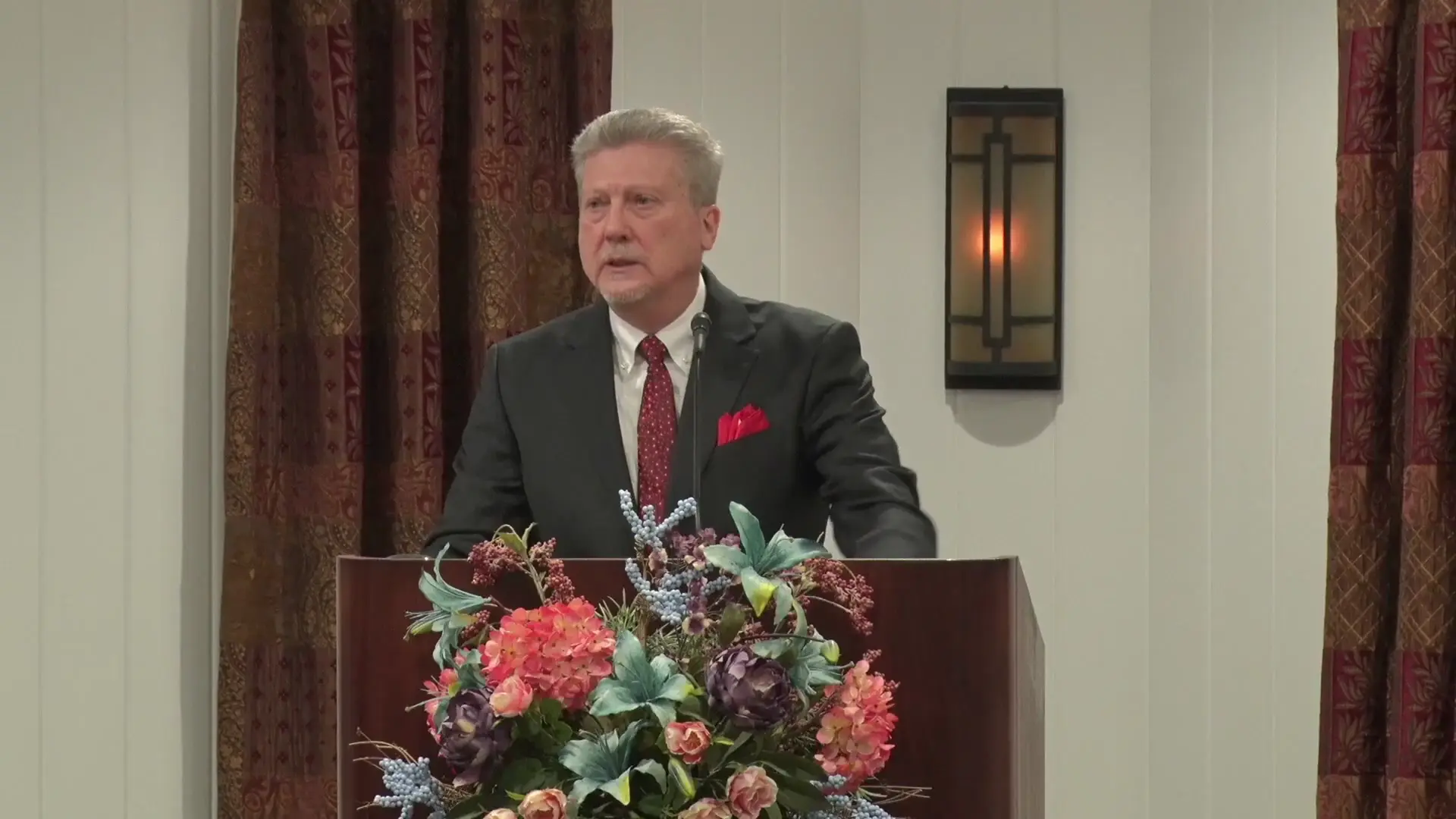
Psalm Genres (Part Three B): Messianic (continued)
Sermon by Richard T. RitenbaughIn Psalm 110 the people who accompany the returning Messiah are described as volunteers in the day of His power. The Hebrew term rendered volunteers is literally freewill offerings or sacrifices. This wording indicates that these individuals have chosen by their own decision to present themselves as living sacrifices, holy and acceptable to God, in the manner Paul describes in Romans 12:1. Their voluntary offering of themselves demonstrates that they have resolved to live the life of Jesus Christ and to serve without regard to personal cost. Once transformed into immortal spirit beings, they rally to their Lord and King at His second coming. The same verse links this freewill offering to the beauties of holiness, showing that the act of voluntary sacrifice produces the righteousness and power that accompany the establishment of the Kingdom. Thus the freewill offering of the saints is presented as an essential element of the Messiah's victory and the inauguration of His righteous rule.