


Filter by Categories
Guard the Truth!
Booklet by John W. RitenbaughThe true church of God is an invisible, spiritual organism, of those people that have and are led by the Spirit of God, who hold fast to apostolic teaching.
A Seed of Highest Quality
Sermon by Martin G. CollinsGod calls Israel a seed of highest quality, but she turned into a degenerate vine, bearing bitter fruit, rejecting God and relying on her own resources.
Patience With Growth
Sermon by Richard T. RitenbaughFruit maturation takes time. Waiting for the fruit is just part of the story; while we wait, we must also work, including thinning and pruning.
Spiritual Maturity
Sermon by Richard T. RitenbaughThe Kingdom parables allude to the process of spiritual maturity, depicting a planted and cultivated seed becoming a sprout, eventually bearing fruit.
The Right Use of Power
Sermon by John W. RitenbaughWith dominion comes responsibility to maintain. The sad history of mankind shows that he has mismanaged his power, bringing about disease, war, and famine.
Faith and Healing (Part One)
Sermon by John W. RitenbaughWe have a responsibility to analyze our health needs, continually adjusting and changing as we learn, faithfully maintaining the temple of God's Spirit.
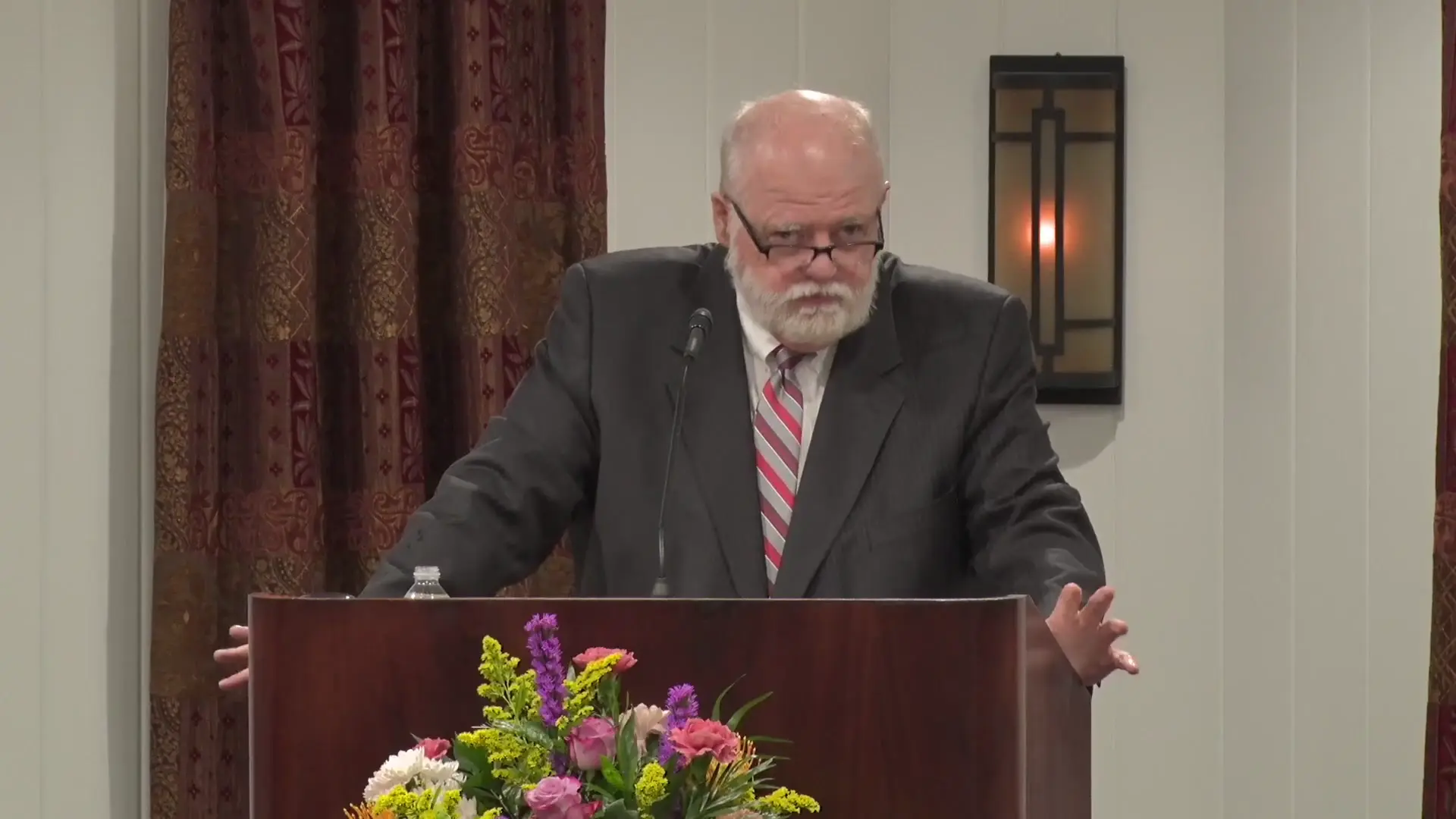
The Sons of Korah: Door Keepers
Sermon by Ted E. BowlingIn the Garden of Eden, God placed the man to tend and keep the ground. The word tend conveys service and labor, while keep translates as shamar, meaning to guard and protect. This duty included guarding against deceptive influence and the commission of sin. After the entrance of sin drove the man and woman from the garden, cherubim were stationed with a flaming sword at the east entrance to guard the way to the tree of life, again using the term shamar to protect the presence of God. The same responsibility appears in the Tabernacle and Temple, where Levite gatekeepers were appointed to open and close the doors, receive tithes and gifts, oversee vessels and furnishings, prepare showbread and spices, and stand guard day and night to prevent any unclean person from entering. Their role was one of profound trust, ordained by God, and carried atoning value when performed with zeal, as modeled by Phinehas. This guarding extends to personal conduct. Believers are instructed to keep their hearts with all diligence because the issues of life flow from them, and to set a guard over the mouth and lips. God Himself is repeatedly described as the one who keeps, guards, watches over, and preserves His people, using shamar six times in a single psalm to assure protection of soul, going out, and coming in. In the New Testament the body becomes the temple of God indwelt by His Spirit, making each believer a spiritual gatekeeper responsible to discern and shut out what originates with Satan. Jesus Christ alone is the perfect door and gatekeeper who opens to His sheep and excludes all that defiles. The sons of Korah illustrate the transformation possible when one rejects pride and self-exaltation, choosing instead the humble station of doorkeeper at the threshold of God's house. Their example shows that any position assigned by God is honorable when it keeps the heart near Him and guards the holiness of His presence.
His Own Vine and Fig Tree
Feast of Tabernacles Sermon by Richard T. RitenbaughProperty rights will be held sacrosanct during the Millennium. God brings His people back to their own land, and to restore it to be like the Garden of Eden.
Faith and Healing (Part Two)
Sermon by John W. RitenbaughBoth spiritual and physical healing require us to work intensely, asking for God's merciful intervention while working toward a solution, exercising wisdom.
Leadership and the Covenants (Part Four)
Sermon by John W. Ritenbaugh (1932-2023)In the combined history of Judah and Israel, when the leaders abandoned the covenants with God, the citizenry generally followed suit.
The Holy Spirit and the Trinity (Part Seven)
Sermon by John W. RitenbaughGod personally handpicks individuals with whom He desires to form a reciprocal relationship. This relationship must be dressed, kept, tended, and maintained.
Psalms: Book One (Part Four)
Sermon by Richard T. RitenbaughDavid reminds us in Psalm 37 that we should not be concerned about the wicked, whose destiny is to perish, and that the righteous are infinitely better off.