


Filter by Categories
The Parables of Matthew 13 (Part Five): The Parable of the Leaven
Bible Study by Martin G. CollinsIn the Parable of the Leaven, as recorded in Matthew 13:33 and Luke 13:20-21, Jesus Christ forewarns of internal doctrinal distortions that would corrupt God's church through history. The three measures of meal in this parable, representing a significant amount akin to the grain offering of the Old Testament, are emblematic of love, service, and loyalty to others, especially within the church. This offering, as noted in Leviticus 2:5, was never to contain leaven, underscoring its purity in symbolizing the offerer's dedication to fellow human beings, much like Christ's own service to mankind. Leaven, in this context, symbolizes corruption and evil, hidden within the meal by a woman who represents a deceptive system of beliefs. This act of concealment signifies the subtle infusion of false doctrines into the church, eroding relationships and fostering self-centered attitudes that spread destructively, much like leaven in dough. The warning is clear: such corrupt influences, if unchecked, threaten the very fabric of communal love and service that the meal offering embodies.
The Sacrifices of Leviticus (Part 4)
Sermon by John W. RitenbaughIn the meal offering, as described in Leviticus 2:11, no leaven is permitted, for it is forbidden to burn leaven or honey in any offering made by fire unto the LORD. This exclusion of leaven sets the meal offering apart, emphasizing its purity and distinction from corruption. Leaven, throughout Scripture, represents wickedness and malice, as seen in warnings against the leaven of the Pharisees, Sadducees, and Herod, which signify false doctrines, legalism, and worldliness. In contrast, the meal offering must be free of such corrupting influences, symbolizing sincerity and truth in service to fellowman. As instructed in I Corinthians 5:7-8, we are to purge out the old leaven to become a new lump, keeping the feast with the unleavened bread of sincerity and truth, reflecting the pure nature of this offering. Thus, the absence of leaven in the meal offering underscores the requirement for an untainted devotion in fulfilling our duty to others, aligning with the spiritual integrity demanded by God.
The Sacrifices of Leviticus (Part 5)
Sermon by John W. RitenbaughIn the study of the offerings of Leviticus, the meal offering holds significant symbolic meaning, particularly in its prohibition of leaven. As detailed in Leviticus 2:11, no meal offering brought unto the LORD shall be made with leaven, nor shall any honey be burned in any offering made by fire. This directive underscores that leaven, despite its usefulness in physical life for creating light bread, beer, and wine, represents a spreading, corrupting influence that destroys. Symbolically, in the New Testament, leaven signifies wickedness and malice, standing in contrast to sincerity and truth. Thus, its exclusion from the meal offering emphasizes the purity and incorruption required in what is offered to God. Furthermore, in the context of the firstfruits offering, which represents God's people, Leviticus 23:17 specifies that the two wave loaves, made of fine flour and baked with leaven, are the firstfruits unto the LORD. However, these are not burned on the altar due to the presence of leaven, symbolizing the inherent sin within humanity. The priest is permitted only to wave this offering before God for acceptance, as it cannot be consumed by fire because of its blemish. This illustrates that while God's people are offered as firstfruits, their acceptance is not based on their own righteousness but through a distinct act of divine acknowledgment, separate from the fire of the altar.
How Much Leaven Can God Take?
Sermon by John W. RitenbaughLeviticus 2:7-11 forbids leaven and honey in any meal offering burned on the altar. Both are normally good foods, but as they spread through flour they ferment and putrefy it, so they symbolize what sin does: it corrupts, puffs up with pride, and promotes more sin. The whole system of sacrifices pictures Christ's life of service, entirely devoted and consumed, which sets the standard of acceptable service to God. That standard is so high that Christ's righteousness must be imputed to us. Offering a life of supposed dedication while harboring hidden sin and pride is therefore hypocrisy, which God sees through, though the hypocrite may be the only one deceived. The Days of Unleavened Bread use the physical effect of leaven on flour to portray sin's spiritual effect on a life. Jesus' warning in Mark 8 and Matthew 16 about the leaven of the Pharisees, Sadducees, and Herod extends the symbol beyond breaking a commandment: false teaching and bad example are themselves leaven, since what is believed shapes conduct. The Pentecost loaves, baked with leaven, picture a young church that still contains sin. These loaves were given to the priests rather than burned on the altar, and the point is that God is patient with leaven in His people.
The Parable of the Leaven, Expanded
Sermon by Richard T. RitenbaughThe prohibition against offering sacrifices with leaven, stated directly in Leviticus 2:11, establishes that no grain offering brought to the Lord could be made with leaven, since leaven consistently symbolizes the corruption of sin throughout Scripture. This principle becomes essential to understanding the Parable of the Leaven in Matthew 13:33, where Jesus compares the kingdom of heaven to leaven hidden by a woman in three measures of meal. Because leaven represents sin in every other biblical usage—whether as the false teaching of the Pharisees and Sadducees, the hypocrisy Jesus warned against in Luke 12:1, or the malice and wickedness Paul identifies in I Corinthians 5—the parable must be read as depicting corruption entering the meal offering, not something positive. The meal offering itself carries deep symbolic weight, representing the offerer's service and devotion to fellow man, paralleling the second great commandment to love one's neighbor, just as the burnt offering parallels the first commandment to love God. The three measures of meal in the parable point back to Genesis 18, where Abraham prepared three measures of fine meal for the Lord and two angels, an offering far exceeding the normal requirement, occurring at a moment of immense significance—the announcement of Isaac's birth. This pattern of three measures signifying a great purpose recurs in Judges 6, when Gideon prepared an offering before being called to deliver Israel, and in I Samuel 1, when Hannah dedicated Samuel to the Lord. Numbers 15:8-9 confirms that a standard grain offering was only one measure, so three measures represents an offering three times greater than normal, a "meal offering on steroids," signifying that the entity involved is meant to accomplish a great work for the kingdom of heaven. The church itself functions as this superabundant meal offering, Christ's body given for the life of the world, meant to embody love and devotion toward others. Yet the parable reveals that this very offering becomes corrupted: the woman, representing a false system, secretly and deceptively mixes leaven—false doctrine and destructive practices—into the meal, ultimately leavening the whole batch. This mirrors Satan's broader pattern of attack seen throughout the parables of Matthew 13, where the enemy repeatedly infiltrates what God is building. The tragedy is that this corruption specifically targets the church's ability to fulfill the meal offering's purpose: loving and serving one another. Instead of harmony, the church experiences distrust, offense, disunity, gossip, and judgment among its members, all of which represent failures of the very devotion the meal offering was meant to symbolize. Paul's exhortation in I Corinthians 5:7-8 to purge out the old leaven so that the congregation may become a new, unleavened lump directly applies this sacrificial principle to congregational life, since Christ, the true Passover, was sacrificed to make believers clean. The call is to keep the feast not with the leaven of malice and wickedness but with the unleavened bread of sincerity and truth, reflecting the same purity required in the meal offerings of the Old Testament. Thus the ban on leaven in sacrifices becomes a lens for understanding both the prophetic warning of Matthew 13:33 and the practical remedy: the church must guard against having its devotion to one another corrupted, striving instead to remain the pure, unleavened offering of love and service that God intended.
Our God-Given Need to Sacrifice
Sermonette by Martin G. CollinsWhen we give holy day offerings, we are demonstrating our commitment and gratitude to God for the blessings He has generously showered upon us.
Offerings (Part Three)
Sermon/Bible Study by John W. RitenbaughThe meal offering (grain offering) represents fulfilling our duty to our neighbor. he materials used in the meal offering symbolize Jesus' perfect character.
Prepare to Meet Your God! (Part Five): Religion and Holiness
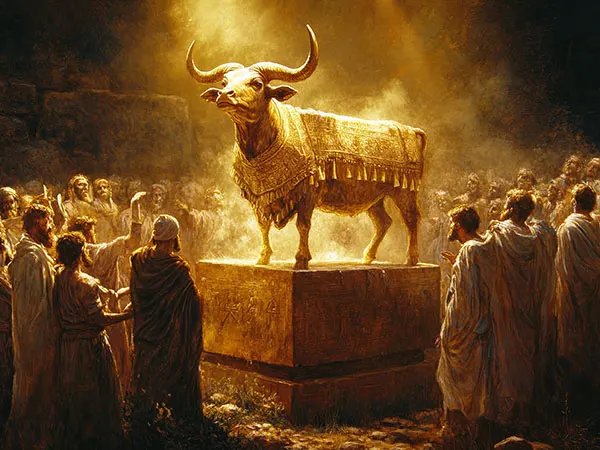
Article by John W. Ritenbaugh and Richard T. RitenbaughThe prophet Amos exposes the ancient Israelites' religion as syncretic, a blend of God's way and paganism, corresponding to this world's Christianity.
Deleavening the Home
Sermon by Richard T. RitenbaughIf each of us individually puts out the leaven of malice and consume the Unleavened Bread of sincerity, we would fulfill our community responsibility.
Amos (Part Seven)
Sermon/Bible Study by John W. RitenbaughGod, through His prophets, warns that He will chasten His people with increasing severity until they repent and begin to reflect His characteristics.
The First Day of Unleavened Bread (Part One)
Sermon by John W. RitenbaughPassover takes place at twilight as the 14th of Abib begins. Unleavened Bread begins 24 hours later on the 15th of Abib. The Passover is a preparation day.