


Filter by Categories
An Abuse of Sovereignty
CGG Weekly by David C. GrabbeMost professing Christians agree that God is sovereign, but there is a wide range of beliefs with regard to just how involved God is in their lives.

Many Are Called, Few Are Chosen
'Ready Answer' by John O. ReidGod's calling and predestination can be confusing, especially the verse that 'many are called, but few are chosen'. Why does God not just choose everyone?

Free Will or God's Sovereignty?
Sermon by David C. GrabbeIf God is sovereign and promises salvation to believers, why does it matter how believers live? How significant are our choices in the grand scheme of life?
Could You Be a Spiritual Terrorist?
'Ready Answer' by David F. MaasTerrorism is commonplace today, yet we may be causing just as much destruction spiritually as the average terrorist through negligence and passivity.
Trumpets, Christ's Coming, and Works
Sermon by John W. RitenbaughBecause the exact time of Christ's return is not known, we must always be ready, as though His return is imminent. Those not prepared will be blindsided.
Parables of Matthew 13 (Part 3): Hidden Treasure
Sermon by Richard T. RitenbaughThe church constitutes Christ's treasure, hidden in the world, purchased and redeemed with Christ's blood. The Pearl of Great Price depicts a rich merchant (Christ), the only one who had the means to redeem His church. The Dragnet symbolizes the scope of God's calling while the separation process indicates God's high standards of selection, indicating a time of righteous and impartial judgment. The Householder parable shows the responsibility of the ministry to be authoritative interpreters of scripture, using what they have learned and experienced to instruct the people.
Psalm Genres (Part Eight): Wisdom Psalms
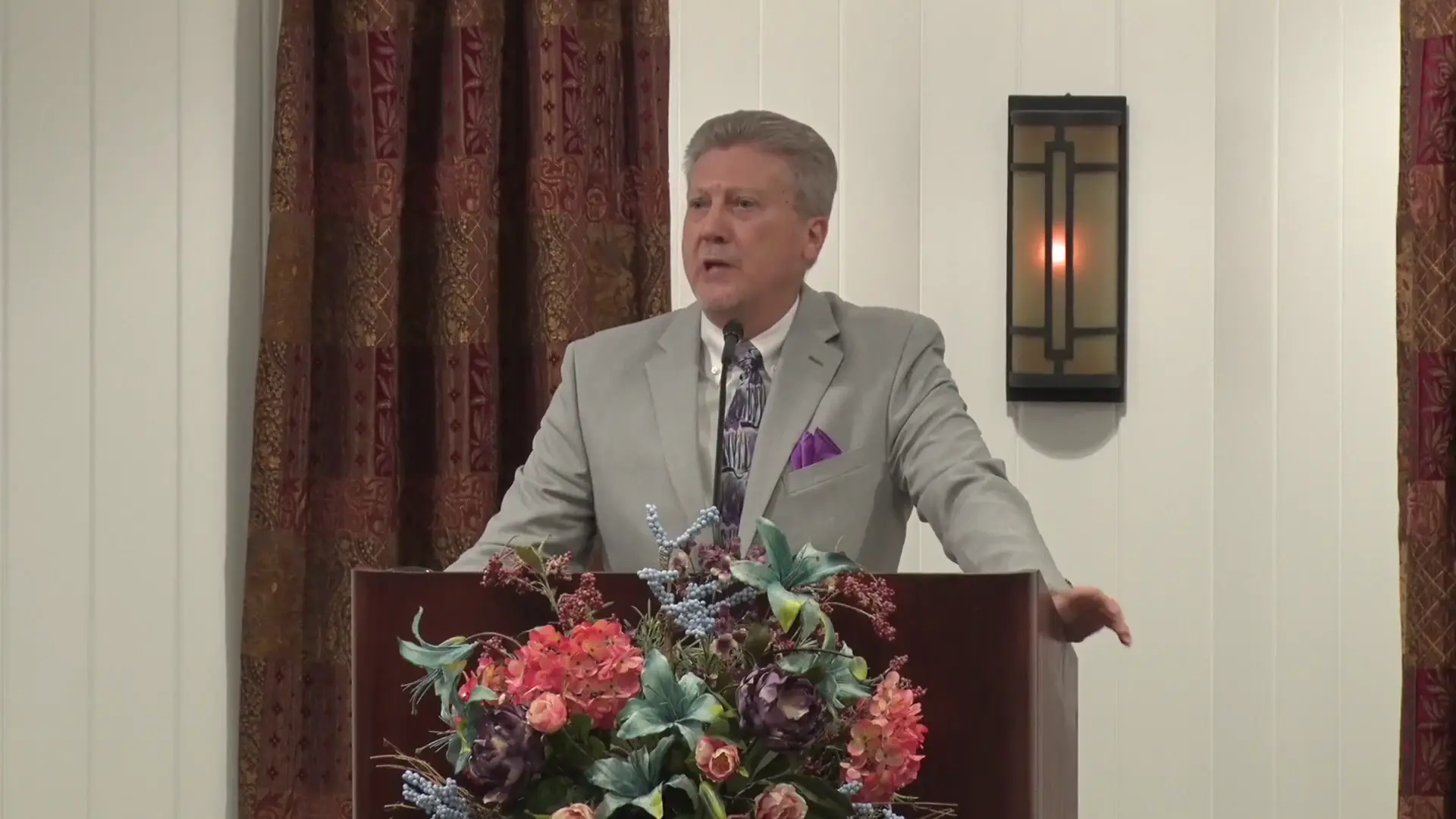
Sermon by Richard T. RitenbaughThe concept of weeping and gnashing of teeth surfaces directly from Psalm 112:10, which stands as the contrasting conclusion to a wisdom psalm otherwise devoted to describing the blessed life of the person who fears the Lord. After cataloging the rewards given to the righteous man—graciousness, generosity, steadfastness, enduring righteousness, and honor—the psalmist turns to depict the fate of the wicked: "The wicked will see it and be grieved; he will gnash his teeth and melt away; the desire of the wicked shall perish." This verse is presented as the very source from which Jesus Christ later drew His own repeated expression, "weeping and gnashing of teeth," which appears in passages such as the Parable of the Talents and the Sheep and the Goats. The psalm thus provides the Old Testament root for a phrase Christ Himself used multiple times to describe the anguish of those excluded from God's Kingdom. Three distinct elements emerge from this verse, each building upon the last. First, the wicked witness the exaltation of the righteous and respond with grief, described as weeping. Second, they gnash their teeth, an expression of anguish and impotent rage at seeing the reward given to those who feared God. Third, and significantly, they "melt away." Since melting is caused by intense heat—the kind produced by fire or a powerful source like the sun—this detail is understood as an early scriptural allusion to the Lake of Fire, the ultimate and final punishment of the wicked. This connects Psalm 112:10 to II Peter 3:10-14, where Peter describes the heavens and elements melting with fervent heat, and looks forward to "new heavens and a new earth in which righteousness dwells," implying the complete absence of unrighteousness. A further nuance is drawn from the shift in grammatical number within the verse: the wicked person is first spoken of in the singular, but by the final clause, "the desire of the wicked" becomes plural. This shift indicates that the psalmist moves from describing a single wicked individual to describing the collective fate of all the wicked. Their shared destiny is that their desire to rebel against God will "perish" entirely, signifying the total and final erasure of sin and rebellion. The wicked, in their wickedness, will ultimately be snuffed out of existence, with no remainder of evil intent surviving. This contrast serves the broader purpose of the wisdom psalm genre, which typically pairs blessings for righteousness with curses for wickedness. Just as the blessings promised to the God-fearing man in Psalm 112 point beyond mere physical prosperity toward eternal life and enduring righteousness in God's Kingdom, so the curse pronounced upon the wicked—weeping, gnashing of teeth, and melting away—points beyond present circumstances toward the final, complete destruction of all evil at the Lake of Fire, leaving only righteousness to dwell in the earth to come.
Feed on the Vine
Sermonette by Austin Del CastilloEven though removing leaven from our homes has importance, the far greater spiritual emphasis is on the eating of unleavened bread, internalizing Christ.
God Will Understand
Sermon by Martin G. CollinsGod pays attention to the small things we may excuse in ourselves, sins we commit in weakness. God's patience does not constitute approval of our sin.

God's Kingdom in the Parables (Part Four): The Pearl, the Dragnet, and the Householder
'Prophecy Watch' by David C. GrabbeJesus' parables of the Pearl of Great Price, the Dragnet, and the Householder resolve the problems raised in their corresponding earlier parables.