


Filter by Categories
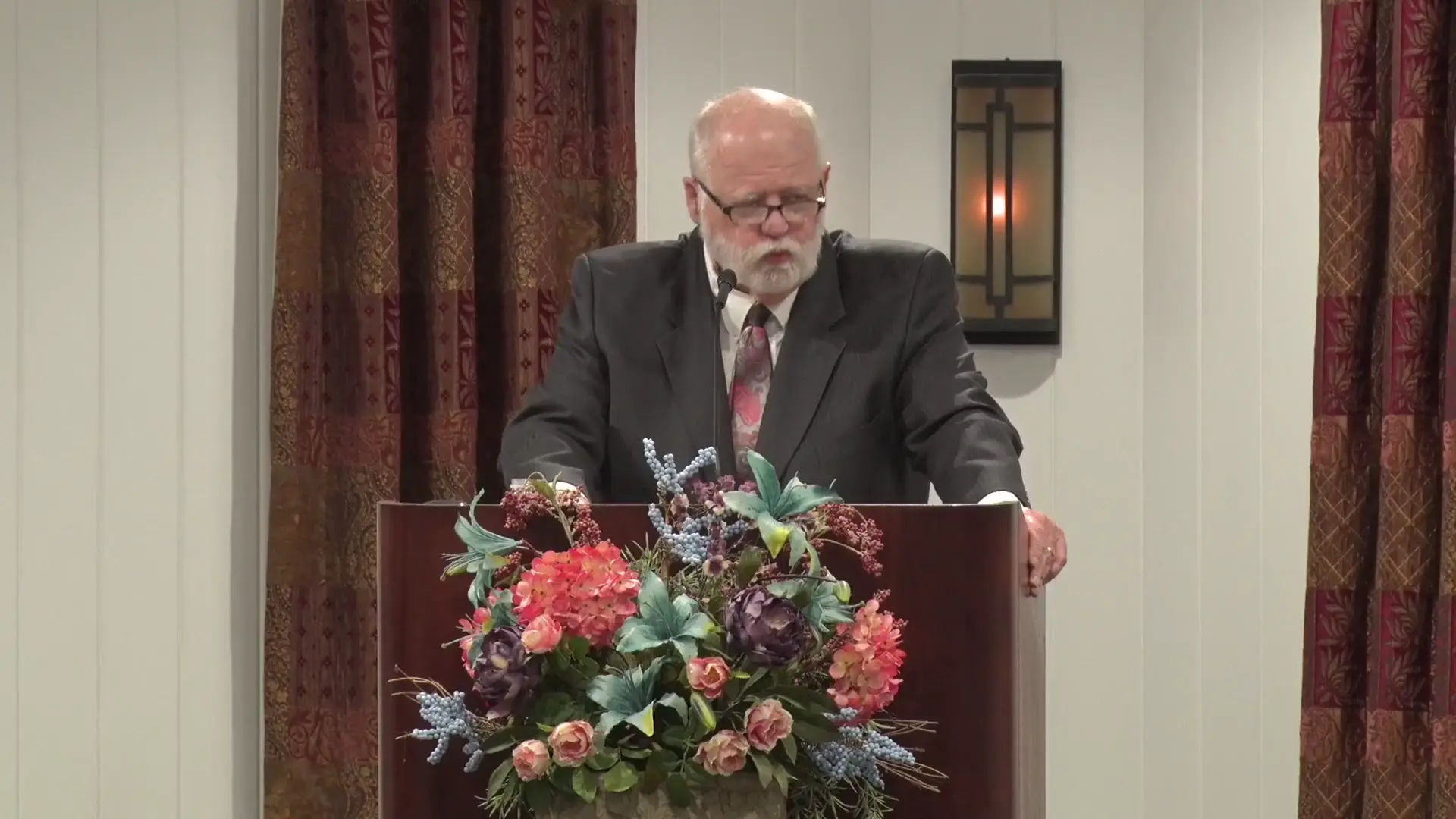
Caleb: Wholeheartedly Following God Exemplified
Sermon by Ted E. BowlingCaleb's life offers a compelling example of how one who wholeheartedly follows God can serve faithfully in a supportive role rather than seeking prominence for himself. Though he shared the same leadership stature as Joshua, being chosen from among 74,000 men of Judah, Caleb never displayed rivalry or envy when God selected Joshua rather than himself to lead the nation. Instead, he lived his life in a posture of support, and their relationship is portrayed as one of mutual friendship rather than competition. This absence of jealousy demonstrates the depth of his character, since he could easily have claimed equal or greater credit given his identical faith and courage during the spy mission. Caleb's supportive nature is especially evident in how he approached Joshua later in life. Rather than demanding his inheritance through arrogance or entitlement, Caleb humbly reminded Joshua of the specific promise God had made to them both at Kadesh Barnea. He appealed to what "the Lord said to Moses" concerning them, showing confidence in God's word rather than self-assertion. Even at eighty-five years old, having waited forty-five years since the promise was given, Caleb approached Joshua with respect for the established leadership structure while still trusting that God would fulfill His covenant. His request for the mountain territory of the Anakim was framed not as a demand but as an acknowledgment that "it may be that the Lord will be with me," revealing total reliance on God rather than personal merit. This supportive spirit extended throughout the forty years of wilderness wandering, during which Caleb, despite having already seen and tasted the goodness of the Promised Land, patiently endured alongside his countrymen without complaint. As one of only two leaders over twenty years of age who survived, he and Joshua bore the weight of guiding a rebellious generation, and Caleb's steady, uncomplaining endurance provided stability. His willingness to stand firmly behind Joshua's leadership, even while sharing equal faith and equal promise, illustrates that serving God wholeheartedly does not require occupying the highest position but rather faithfully fulfilling whatever role God assigns. Ultimately, Caleb's example teaches that supporting God's chosen leadership with humility, patience, and unwavering trust is itself an act of wholehearted devotion. His life shows that giving God the credit for one's strength and survival, rather than seeking personal glory or contesting authority, reflects a heart rightly aligned with God. This model of loyal, uncomplaining support stands as an enduring lesson on how faithfulness to God often expresses itself through quiet service alongside others rather than through the pursuit of position or recognition.
Common Tithing Questions
'Ready Answer' by StaffThe provision for supporting God's representatives is rooted in the tithing system that God established for Israel and carried forward into the New Testament church. Numbers 18:21 establishes that the entire tithe (Hebrew kol) was given to the Levites specifically in return for their work at the tabernacle of meeting, demonstrating that God intended a full-time, tithe-supported ministry from the outset. This principle of dedicated support finds its explanation in II Chronicles 34, where the Levites are shown having developed outside professional skills not as a model of self-support but as evidence of their failure to fulfill their calling. Their Temple service was meant to be their full-time occupation, funded by the tithe, but by Josiah's day they had neglected this duty and turned to private enterprise, contributing to Israel's spiritual decline and God's wrath upon the nation. When Hezekiah, and later Josiah, Zerubbabel, and Nehemiah, restored proper worship, they reinstated the Levites to their intended full-time service. This pattern of supporting God's representatives continues explicitly into the New Testament. Christ's charge to Peter to feed His sheep, rather than return to fishing, confirms His intention for a full-time ministry. In Acts 6, the apostles recognized that physical service was distracting them from their primary calling to teach the Word, leading them to appoint deacons so they could devote themselves fully to prayer and ministry. Paul reinforces this teaching in I Corinthians 9, declaring that those who preach the gospel should live from the gospel, and in I Timothy 5:17 he states that those who labor in word and doctrine are worthy of double honor. Hebrews 7 further shows that the change from the Levitical priesthood to the priesthood of Christ necessitated a change in the administration of the tithing law, not its abolition, confirming that tithing continued to support the ministry under the New Testament order. The broader tithing system, including the third tithe for the poor, widows, orphans, and strangers, and to some degree the ministry as needed, reflects God's comprehensive financial structure for caring for both His representatives and the vulnerable within the community. Malachi's end-time prophecy reaffirms this responsibility, calling for a return to tithing so that the end-time church can address these same inequities and demonstrate God's love. Historical experience within the Worldwide Church of God confirmed the effectiveness of this system: as members faithfully practiced full tithing, God blessed the work with growth, provided for both institutional and personal needs, and enabled the gospel to be preached with increasing power. This outcome stands as evidence that God's design for supporting His representatives through tithing produces good fruit, fulfilling both the material needs of the ministry and the broader mission of building a royal priesthood for His Kingdom.
Themes of I Corinthians (Part 5)
Sermon by Richard T. RitenbaughI Corinthians gives ready instruction in the order and decorum that is fitting for church organization, as well as the Passover and weekly service.
The Sacrifices of Leviticus (Part 5)
Sermon by John W. RitenbaughThe meal offering represents the intense self-sacrifice required in service to man. Our service to man must be done for God's sake rather than man's appreciation.
Acts (Part Twenty-One)
Sermon/Bible Study by John W. RitenbaughThe phrase 'first day of the week' is used 8 times in scripture, but none does away with the Sabbath nor establishes Sunday as the 'Lords Day.'
Matthew (Part Sixteen)
Sermon/Bible Study by John W. RitenbaughMatthew 11 focuses upon the ruminations of John the Baptist, who, even though he was close to Christ, may have misunderstood the nature of Christ's mission.
Did the Early Church Practice Socialism? (Part Two)
CGG Weekly by David C. GrabbeThe witness of the early church was impressive because the members were personally convicted to sell what they had, not because the leadership told them to.
Tithing (1995)
Bible Study by Richard T. RitenbaughThe subject of tithing is bound to spawn arguments in this time, but the biblical teaching about it is very simple: The tithe is God's and still in force!