


Filter by Categories
Did Jesus Sweat Blood?
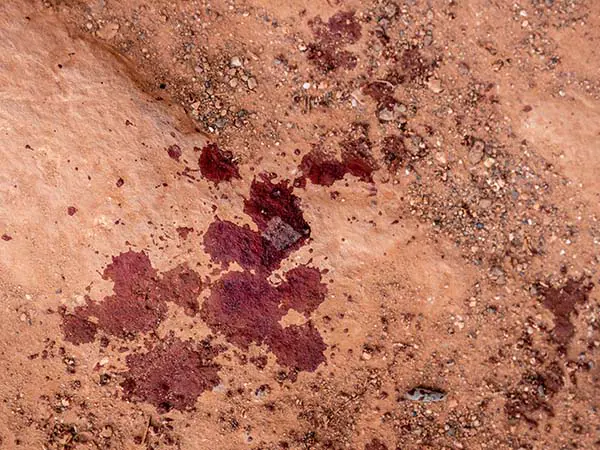
'Ready Answer' by Robin FiskIn Luke 22:44, the agony of Christ is vividly captured as He prayed earnestly to the Father, His sweat becoming like great drops of blood falling to the ground. This description, unique to Luke among the gospel writers, employs a metaphorical phrase, "as it were," indicating a comparison rather than a literal occurrence. Luke, known for his descriptive and literary style, likely used this imagery to convey the intensity of Christ's emotional anguish in the dark of night, rather than suggesting He physically sweated blood. The omission of this detail by Matthew, Mark, and John, who were also eyewitnesses or relied on eyewitness accounts, further supports the idea that Luke's portrayal is a powerful metaphor. Additionally, this description may serve as foreshadowing, pointing to the literal shedding of Christ's blood that would occur in the coming hours of His suffering. Despite the metaphorical nature of the phrase, the profound agony and courage Christ displayed during this fervent prayer are undeniable, as He faced the imminent trials with unwavering resolve, submitting to the Father's will.
Garden of Gethsemane: The Oil Press
Sermonette by Ted E. BowlingThe Garden of Gethsemane has particular significance because it was not only an olive grove, but also the location where olives were pressed into oil.
The Trial of Jesus
Sermon by Richard T. RitenbaughIn the moments of intense agony before His betrayal, Jesus Christ, while praying on the Mount of Olives, experienced such profound stress that His sweat became like great drops of blood falling to the ground. This physical manifestation of His torment underscores the immense emotional and spiritual battle He faced, torn between His flesh and spirit, as He prepared for the suffering ahead. Despite this inner turmoil, He remained outwardly calm, demonstrating His resolve to fulfill His purpose while still showing concern for His disciples, urging them to pray and stay close to God during this harrowing time.
By This We Know Love!
Sermon by Martin G. CollinsIn the Garden of Gethsemane, on the eve of His crucifixion, Jesus experienced profound agony as He prayed earnestly. His distress was so intense that His sweat became like great droplets of blood falling to the ground, a rare physiological condition noted by the physician Luke. This phenomenon, known as hematohidrosis, occurs under extreme physical or emotional stress when blood vessels around the sweat glands constrict and then dilate to the point of rupture, mixing blood with sweat. Jesus' intense mental anguish stemmed from the looming weight of bearing the guilt of humanity's sins and the impending separation from His Father, rather than mere fear of physical pain. Though He knew the horrors of crucifixion, His primary concern was not the suffering of the cross but the spiritual burden He would carry. For the joy set before Him, He endured, despising the shame, driven by an unparalleled love that motivated Him to lay down His life for all.
Peace, Peace (Part Two): Christ's Peace
Sermon by Richard T. RitenbaughJesus experienced agony in prayer on the Mount of Olives. His sweat became like great drops of blood falling down to the ground. This event shows that the peace of God does not consist in absolute freedom from turmoil or suffering. As a human being He grappled with worry and fear and uncertainty. The foreknowledge of pain and suffering produced these disturbing emotions. He overcame them through four actions. First He took His problems to the Father in prayer. Second He aligned Himself to the will of God. The Father strengthened Him by sending an angel. Third He continued praying more earnestly. Fourth He accepted what was in store and went forward in faith. He trusted the sovereign God of the universe. His mind rested because of undeviating devotion to the will of God. He found tranquility in adherence to that will even to the brink of death. This peace allowed Him to speak from the cross and to forgive those who crucified Him. The same peace remains available to believers who face distressing trials.
Four Views of Christ (Part 5)
Sermon by John W. RitenbaughIn the book of Luke, Jesus Christ is portrayed as a Man experiencing profound human emotions and physical stress, particularly evident in the account of His prayer in the Garden of Gethsemane. Luke uniquely records that during this intense moment of anguish, as He faced the prospect of crucifixion, He perspired blood, a vivid depiction of the extreme stress and pain He endured. This detail emphasizes His humanity, showing Him grappling with the same fears and struggles that any man might face under such dire circumstances. Luke presents this scene to illustrate that Jesus, as the pattern Man, met life's challenges on common ground with all mankind, relying on prayer and dependence on God to overcome His human feelings of dread and reluctance. Through this, Luke conveys the depth of Christ's shared experience with humanity, highlighting His role as a compassionate High Priest who understands and aids those who are tempted and suffering.