


Filter by Categories

Christ's Responsibility, Resurrections, and All in All
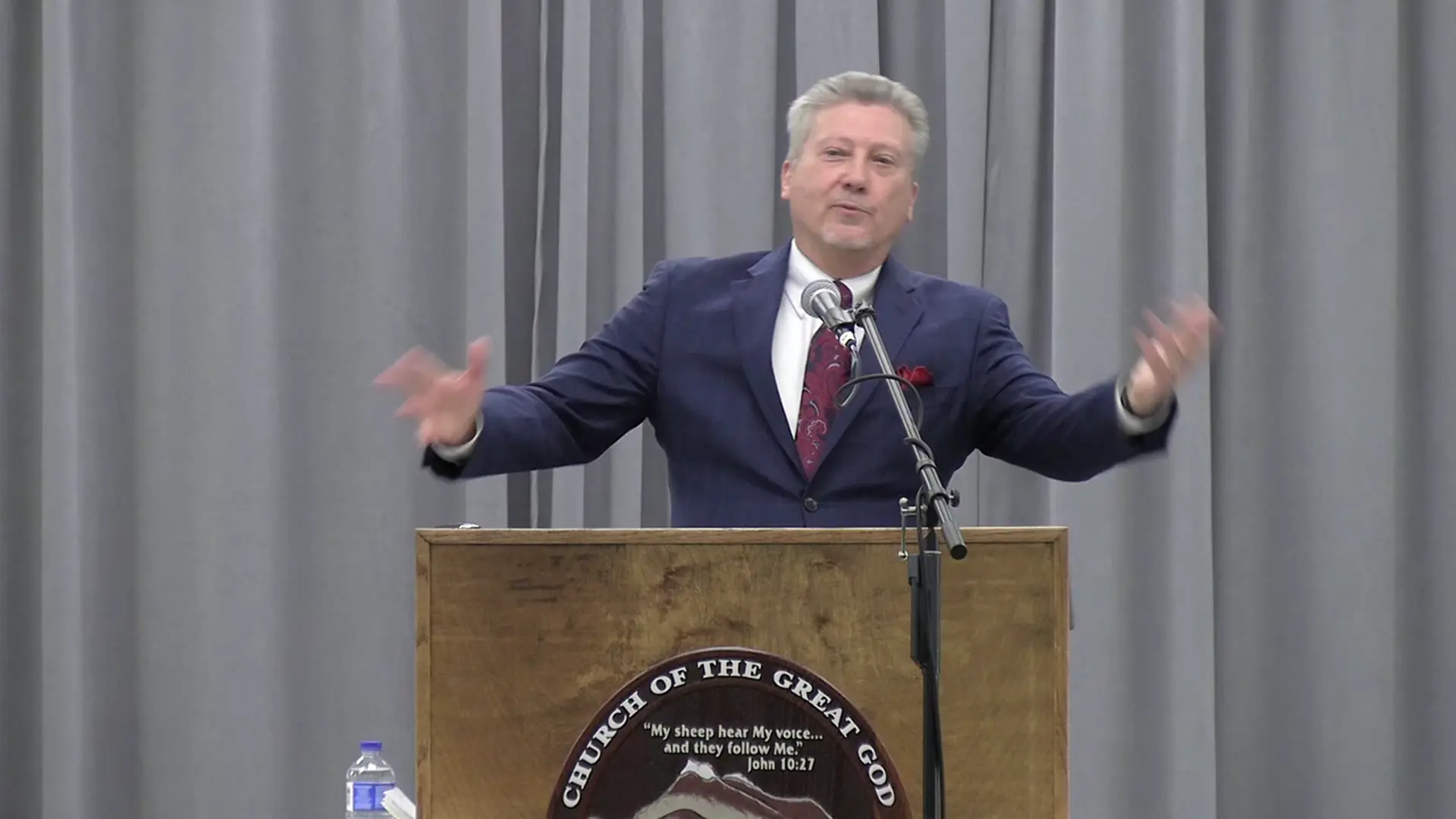
Sermon by John W. RitenbaughThe concept of all in all is a monumental truth within God's purpose, moving everything toward a time when all things are under God. This ultimate event, as described in I Corinthians 15:28, signifies the moment when Christ completes His work in this creation, submitting all things to the Father, who then becomes all in all. This is the final act Christ performs, ensuring no opposition remains in all of creation to God's rule. It is a vital aspect of our calling, impacting every day of our lives, and something we must anticipate and work toward with spiritual diligence. All in all represents the conclusion of God's plan where everyone and everything will be in total agreement and harmony with each other, reconciled to God. It marks the point when Christ turns everything over to the Father, having defeated all enemies, fulfilling His role in this phase of creation. This event, also referenced in Ephesians 1:23, is the endpoint of the new creation that began in Genesis 1, where Christ, guided by the Father, brings about the complete restitution of all things. Direct aspects of all in all have been part of Christ's assignments from the Father since the beginning, and though a long journey remains, it is the direction toward which we are drawn. We are being prepared for this time, not just for the return of Christ, but for the significant events that follow, ensuring we are ready to participate in God's ongoing work. Without Christ, we cannot produce godly works, as our dependence on Him is absolute, akin to a branch needing to remain attached to the vine to bear fruit. Thus, all in all is not merely an end, but a transition to further responsibilities within God's eternal plan.
Jesus in the Feasts (Part Six): The Eighth Day
Feast of Tabernacles Sermon by Richard T. RitenbaughThe Eighth Day encapsulates the fullness of God's divine plan through Christ, who embodies and fulfills every lesson, hope, and promise depicted in the holy days.
Then Comes the End
Sermonette by David C. GrabbeChrist's return marks the beginning of the end of mankind's problems. However, His return will not be the final end, which comes when God is all in all.
Our Awesome Destiny (1993)
Feast of Tabernacles Sermon by John W. RitenbaughMan's destiny is to have dominion over the entire universe. Preparation for this awesome responsibility requires faithful stewardship over God's gifts.
Government (Part Seven)
Sermon by John W. RitenbaughThe authority in the ministry is a 'staff position,' given by God, as a gift for equipping the saints for service and for edifying the body of Christ.
Government (Part Six)
Sermon by John W. RitenbaughThe ministry's authority consists of teaching, edifying, and equipping the members for sainthood, but not to wield dictatorial power over their lives.