


Filter by Categories
Bondage and a Freewill Offering
Sermonette by Mark SchindlerA free will offering, when deeply considered, should help us to consider each holy day more deeply the cost of real liberty God has freely given us.
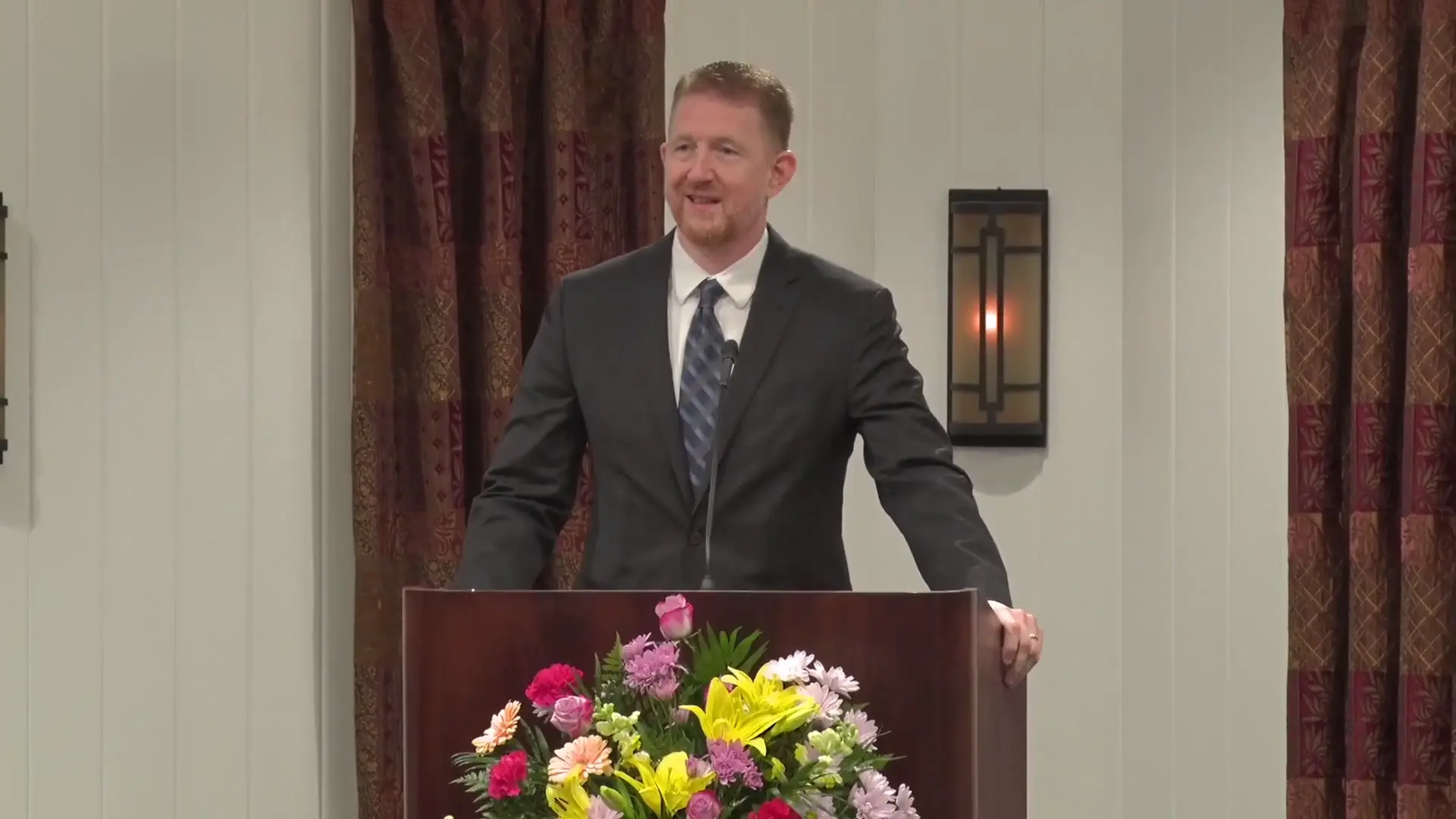
Remaining Free
Sermon by David C. GrabbeThe phrase "house of bondage" is repeatedly used in Scripture to signify Egypt, the place of Israel's enslavement, and carries a profound reminder of God's deliverance. As seen in Exodus 13:3, Moses instructs the people to remember their exodus from Egypt, out of the house of bondage, by the strength of the LORD's hand, emphasizing this deliverance through the observance of unleavened bread. This theme recurs in Exodus 20:2, where God introduces the Ten Commandments by declaring His identity as the LORD who brought Israel out of the land of Egypt, out of the house of bondage, underscoring His authority and the importance of His laws to maintain freedom. In Deuteronomy 5:6, the same preamble is used before reiterating the Ten Commandments, reinforcing that God's deliverance from the house of bondage obligates His people to adhere to His commands to remain free. Deuteronomy 5:15 further connects this deliverance to the Sabbath, reminding Israel of their slavery in Egypt and God's mighty hand in freeing them, thus linking Sabbath observance to avoiding re-enslavement. Additionally, Deuteronomy 8:14 warns against forgetting the LORD who brought them out of the house of bondage, especially in times of prosperity, lest they return to spiritual slavery by neglecting His commandments. Deuteronomy 13:5 emphasizes the danger of false prophets enticing people away from the LORD who redeemed them from the house of bondage, indicating that deviating from God's commanded way leads back to enslavement. These references collectively highlight that the house of bondage is not only a historical reality but also a cautionary symbol of potential spiritual captivity if God's instructions are ignored. The consistent use of this phrase serves as both a memorial of past deliverance and a warning against future rebellion that could lead back to bondage.

Why Are We Here and What Is Our Focus?
Feast of Tabernacles Sermon by Mark SchindlerThe concept of the "house of bondage" is introduced through Deuteronomy 7:6-8, where God reminds Israel that He redeemed them "from the house of bondage, from the hand of Pharaoh king of Egypt." This physical deliverance from Egyptian slavery serves as the foundational picture for a far greater spiritual reality: humanity's bondage to sin in this present world. The house of bondage represents not merely a historical location but the condition from which all who are called must be redeemed, just as Israel was redeemed from Pharaoh's grip through no merit of their own but solely because "the LORD loves you" and would keep the oath sworn to the fathers. This deliverance from bondage establishes the pattern for understanding why God's people gather for the Feast of Tabernacles rather than continuing "business as usual" with the rest of the world. Just as Israel did nothing to earn their release from Egypt, believers are present at God's Feast purely by grace, having been invited into relationship with Him. The responsibility that follows this deliverance is to respond faithfully in obedience, living within the blessings God pours out "in the midst of a world of fear," while fearing no one but Him. The house of bondage theme connects directly to the broader plan of God to bring all mankind out of bondage to sin into the very image and likeness of the Father and the Son, as declared in Genesis 1:26 and fulfilled in Revelation 21, where God Himself dwells with His redeemed people, wiping away every tear from those who have overcome. The Exodus from Egypt thus becomes a type of the greater redemption accomplished through Jesus Christ, who alone can free humanity from spiritual slavery, bringing "many sons to glory" through His sacrificial work. This deliverance from bondage is never to be treated lightly. Hebrews 6:4-6 and Hebrews 10:26-29 warn that those who have tasted this freedom and the knowledge of truth, yet willfully return to sin, face severe judgment, having "trampled the Son of God underfoot" and counted the blood of the covenant "a common thing." The remembrance of being redeemed from the house of bondage therefore calls for reverence, gratitude, and diligent faithfulness rather than presumption. Ultimately, the house of bondage stands as the backdrop against which God's entire redemptive plan is set into relief. Just as He delivered Israel with a mighty hand from Pharaoh, He is now, through Jesus Christ, systematically delivering all who are called from bondage to sin, with the promise that in due order all mankind will eventually be freed and brought to full knowledge of the truth. This makes the Feast of Tabernacles a fitting time to reflect on that deliverance, to rejoice in the freedom already granted, and to labor faithfully as those preparing to help others out of their own house of bondage in the age to come.
Liberty and Justice for All
Sermon by Martin G. CollinsThe concept of the "house of bondage" originates in the Exodus narrative, where Israel's four hundred years of slavery in Egypt becomes the Bible's foundational picture of physical bondage. When the Israelites groaned under Pharaoh's oppression, God heard their cry and remembered His covenant, delivering them with a mighty hand. Deuteronomy 7:8 explicitly describes this deliverance as redemption "from the house of bondage," introducing the idea of new ownership—Israel no longer belonged to Pharaoh and his gods but now belonged to the Lord. This reframes the Exodus as more than a political liberation; it is the introduction of a spiritual dimension into both the bondage and the deliverance. Tragically, the freedom secured at the Exodus proved temporary. Moses himself foresaw that Israel would become corrupt and turn away from God's commands, resulting in a reversal of the deliverance process. Deuteronomy 28 paints an expanding picture of renewed bondage as covenant curses, and this cycle plays out repeatedly in Judges, where God sold Israel into the hands of their enemies because of persistent sin. The process reaches its climax when Israel is deported into physical bondage in Assyria, with Jeremiah explaining the spiritual causes: disobedience to covenant obligations. Thus, throughout the Old Testament, physical bondage is directly tied to Israel's spiritual condition—slavery in the "house of bondage" functions as both a historical reality and a theological metaphor for the consequences of forsaking God. This pattern establishes bondage and freedom as parallel physical and spiritual realities. Just as Egypt represents the primary picture of physical slavery, the Exodus represents the primary picture of physical freedom, while the later exile and restoration of Israel serve as later counterparts to that original bondage and deliverance. The prophetic visions of return from exile, and ultimately of the Millennium, broaden this theme so that returning to the land becomes synonymous with returning to God, with freedom being the result. This Old Testament framework becomes the backdrop for the New Testament's spiritual application. Just as Israel was redeemed from Egypt's house of bondage, humanity is enslaved to sin and in need of redemption through Christ. Sin itself becomes a "master" and those who yield to it become its slaves, echoing the language of the original Egyptian bondage. Jesus draws directly on this imagery when He tells the Jews that "whoever commits sin is a slave of sin," and contrasts the slave, who "does not abide in the house forever," with the son, who does—recalling the original house of bondage while transforming it into a spiritual reality. Paul continues this theme, describing believers as once "slaves of sin" who, having been set free, become "slaves of righteousness," and describes creation itself as awaiting deliverance "from the bondage of corruption into the glorious liberty of the children of God." In this way, the historical house of bondage in Egypt becomes the pattern for understanding all subsequent bondage—whether Israel's later enslavement to foreign powers or humanity's universal enslavement to sin—and correspondingly shapes the biblical understanding of true liberty as deliverance accomplished by God, not merely political or physical freedom, but redemption from the house of bondage into a new relationship of belonging to God.