


Filter by Categories
Contrite Heart
Sermonette by Ronny H. GrahamAs the day of God's wrath appears imminent, we must diligently seek the Lord, righteousness, and humility. Contrition pleases God the most.

After God's Own Heart
Sermon by Ronny H. GrahamThough David certainly broke all of God's Ten Commandments, he also repented continually, cognizant of the fear of losing God's Holy Spirit.

Psalm 51 (Part Four): Psalm 51:13-19
Sermon by Richard T. RitenbaughRepentance is far more than feeling guilt or apologizing but instead is a spirit-empowered reorientation of heart, mind, and behavior.
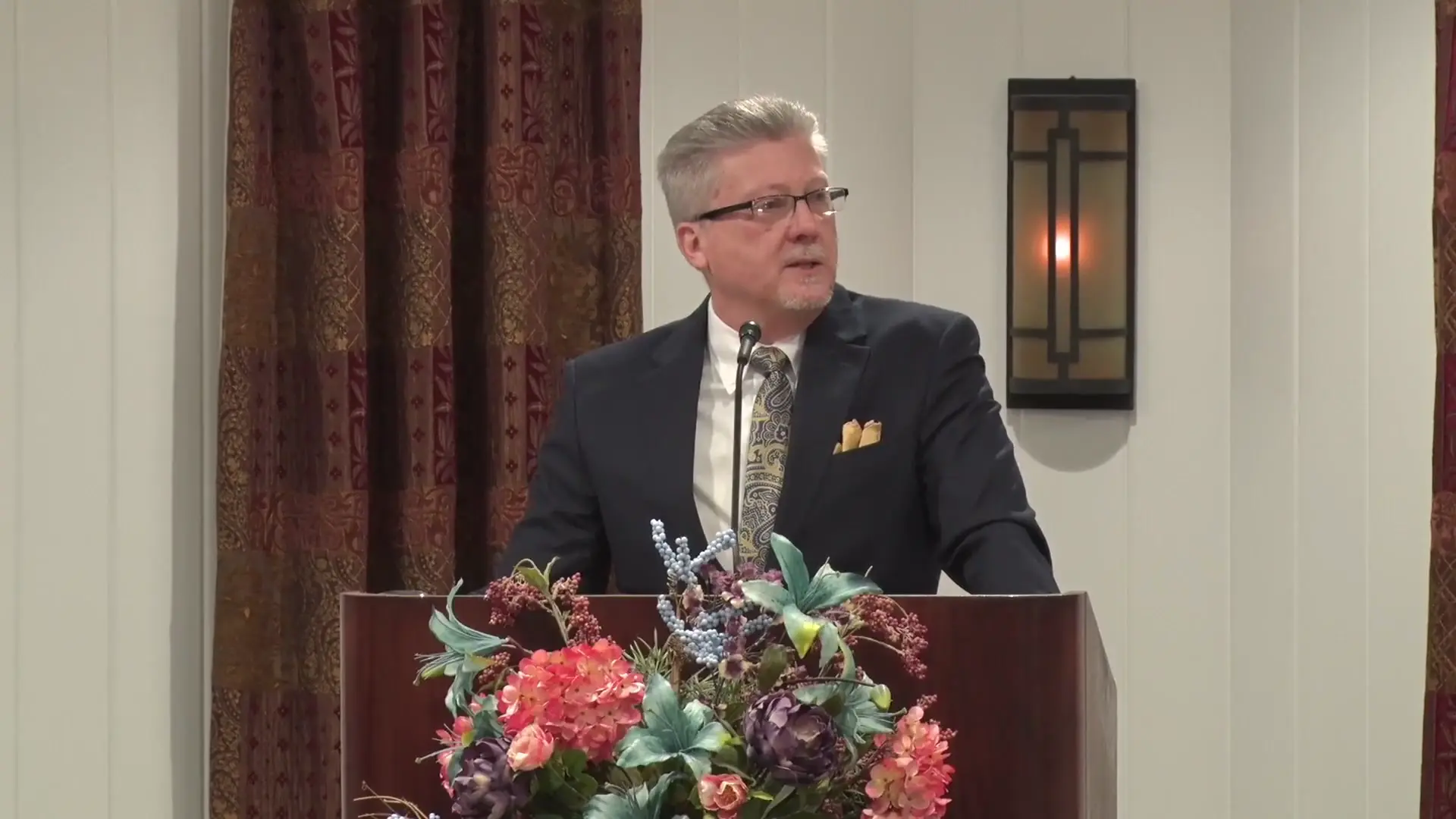
Psalm Genres (Part Six): Penitential Psalms
Sermon by Richard T. RitenbaughDavid's contrition, as expressed in the penitential psalms, reveals a profound sorrow for sin and a desperate plea for God's mercy. In Psalm 51, David exemplifies authentic repentance by appealing to God's lovingkindness to blot out his transgressions, confessing his sin openly, and acknowledging that he has sinned against God alone. He seeks purification and restoration, longing for a clean heart and a renewed spirit, while vowing to teach others God's ways and promising thanksgiving through praise. His contrition is not merely remorse but a commitment to change, minimizing external rituals and emphasizing internal sorrow as the true sacrifice God desires. In Psalm 6, David's plea for mercy arises from a sense of suffering under God's wrath, where his physical weakness and troubled soul hint at an underlying spiritual failing. He cries out for healing, seeing his condition as a metaphor for sin, and expresses deep remorse through tears and groaning. His desperation is evident as he fears dying unforgiven, unable to praise God from the grave, yet his faith is restored when God hears his weeping, leading him to reject the workers of iniquity and confidently affirm God's presence against his enemies. Similarly, in Psalm 32, David reflects on the burden of unconfessed sin, describing it as a sickness that left him lifeless until he acknowledged his iniquity before God. Upon confession, God's forgiveness is swift, bringing blessedness and joy. David recognizes that those in covenant with God can trust in His mercy, contrasting this with the fate of the wicked, and he commits to following God's instruction with a teachable spirit, rejoicing in the mercy that surrounds the faithful.