


Filter by Categories
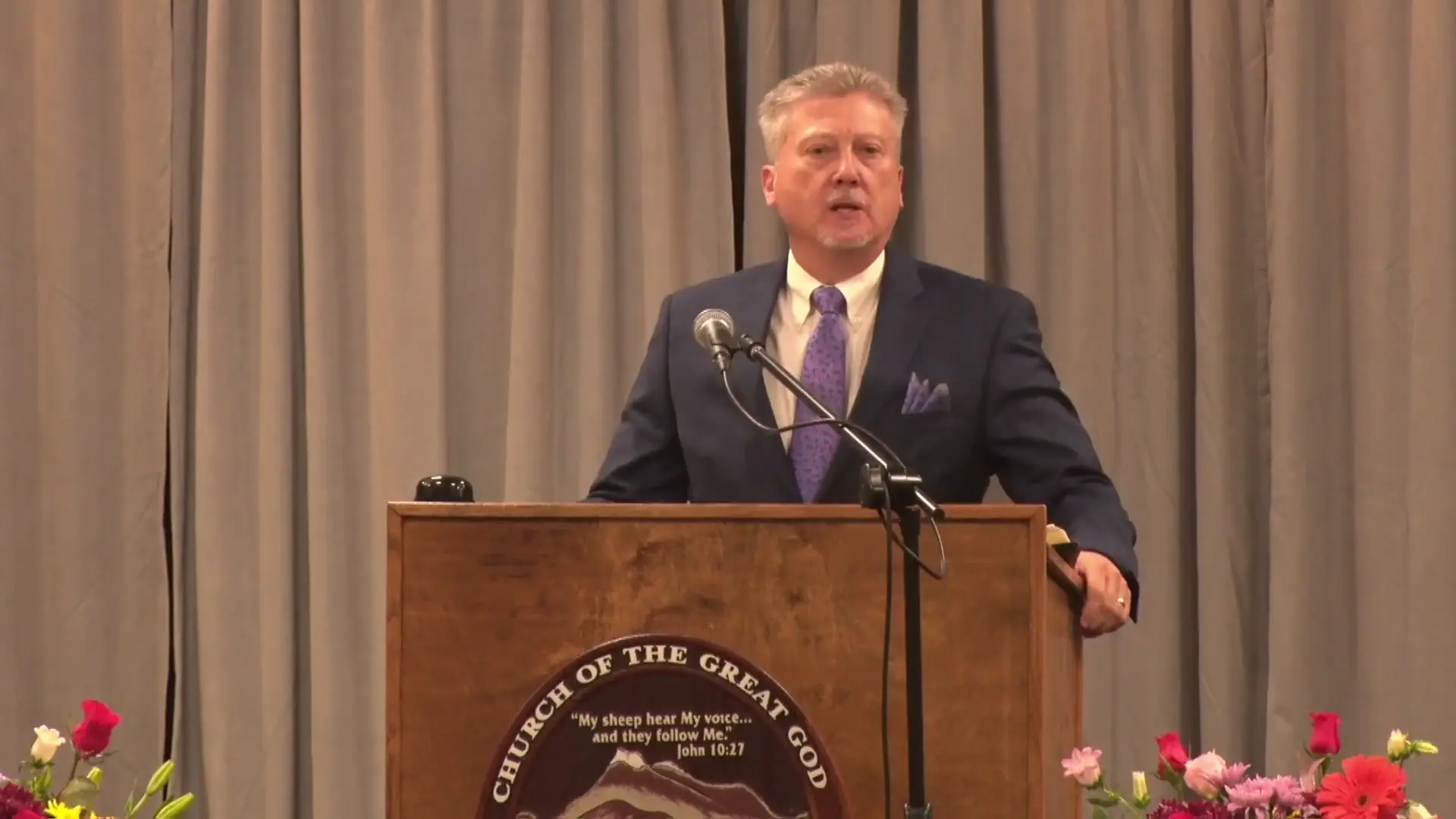
Handwriting on the Wall (2026): Lawlessness
Feast of Tabernacles Sermon by Richard T. RitenbaughWe are in a pivotal moment to examine personal complicity in this lawless age, repent of worldly influences, and realign with God's righteous standard.
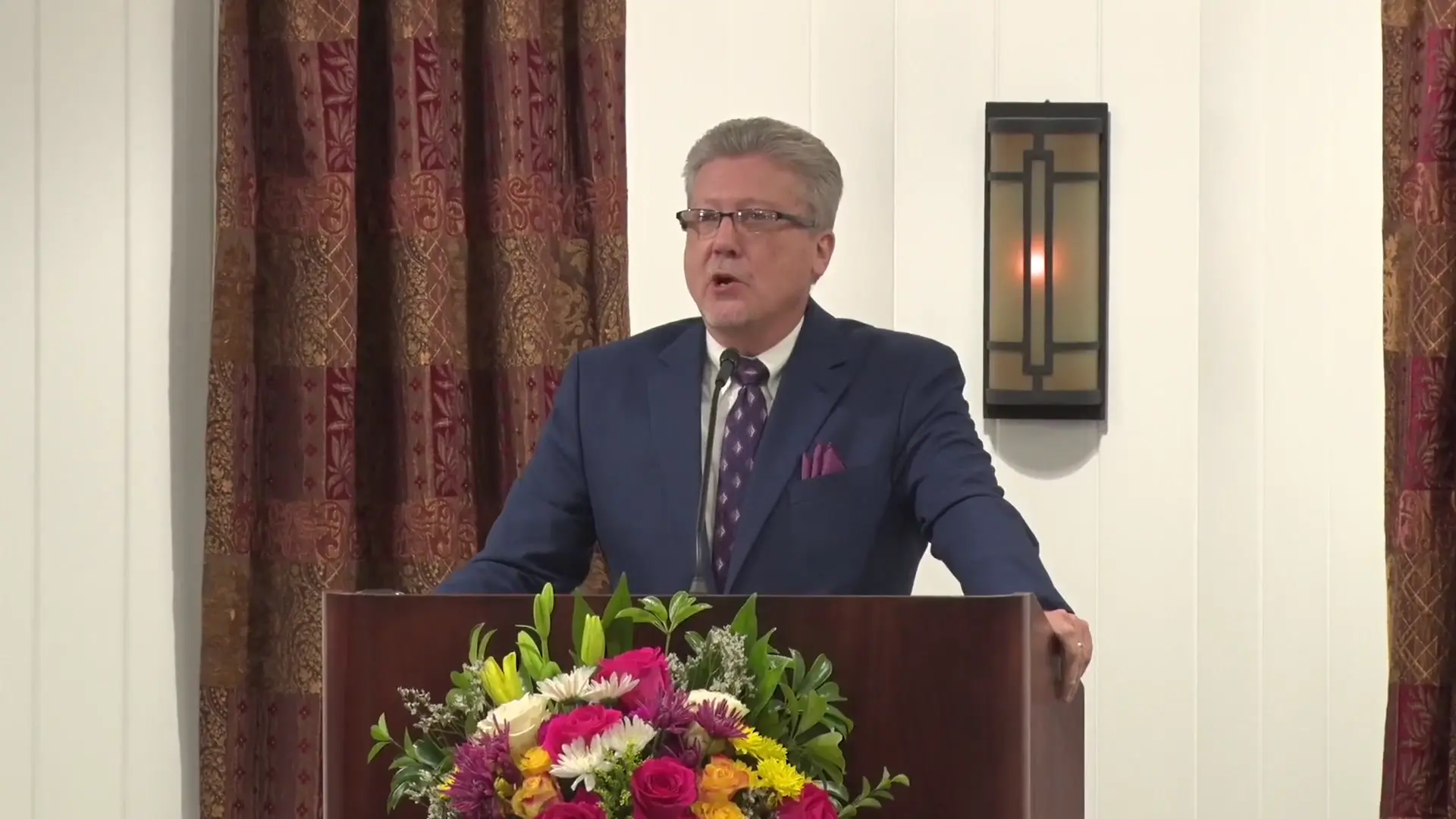
What Should We Do While Waiting for Christ's Return?
Sermon by Richard T. RitenbaughThough Scripture does not reveal the day or hour of Christ's return, it clearly teaches how believers should prepare. Here are ten ways.

How to Offend Someone
Sermon by Ryan McClureSituational awareness involves perceiving, comprehending, and anticipating events or circumstances in one's surroundings while remaining fully present and mindful of the environment to make informed decisions. This awareness equips individuals to avoid causing others to stumble spiritually by recognizing when actions or words might place a stumbling block in their path or lead them away from God's way of life. Paul demonstrated this awareness by noting differences in faith strength among the brethren and adapting his conduct accordingly to prevent offense. Such awareness requires evaluating situations involving others, considering their circumstances, and remaining focused on the narrow path without turning aside. It combines with humility and action to foster relationships and prevent spiritual harm through thoughtful consideration of each person encountered.

The Christian Walk (Part Three): In Wisdom
Sermon by Richard T. RitenbaughSpiritual awareness requires walking circumspectly with a mindset of precision in speech and action to imitate the life of Jesus Christ. This demands total awareness of all factors in any situation along with careful gathering of details before proceeding. The military term for this is situational awareness. One must also become expert in the will of the Lord to determine in each circumstance what produces the most good when combining revealed truth and the example of Jesus Christ with sacrificial love. Such awareness grows by allowing the Spirit to dominate thoughts, attitudes, and motivations rather than worldly influences. This leads to communication in psalms, hymns, and spiritual songs that uplift others while maintaining gratitude and mutual submission in the fear of God. Abraham exemplified this awareness by learning lessons from God and applying them with increasing faithfulness on his journey toward the city whose builder and maker is God.
Are We Redeeming the Time?
Sermon by Richard T. RitenbaughSpiritual awareness arises through the commanded counting of fifty days from the wave sheaf to Pentecost. This practice brings recognition of each day's passage toward acceptance before God and highlights the spiritual process of conversion. It prompts assessment of progress from the time of God's calling toward spiritual maturity and closeness to Jesus Christ and God the Father through the Holy Spirit. The count reveals the brevity of the allotted period for overcoming sin, growing in righteousness, and producing spiritual fruit. Awareness of time's constraints emerges as the numbers decrease, underscoring that human existence remains finite while God inhabits eternity. This leads to the realization that life constitutes a time test in which the clock winds down without human ability to alter its pace. The practice fosters contemplation of mortality and frailty in contrast to God's infinite power and holiness. It encourages numbering days to gain a heart of wisdom, which involves prioritizing time for practical application of God's revelation rather than distractions or unprofitable pursuits. Such awareness cultivates submission to God, recognition of dependence on Him, and resolve to cast off works of darkness while putting on the armor of light, which is Jesus Christ. It directs focus toward redeeming time by walking circumspectly, understanding God's will, and pressing toward the goal of the Kingdom with zeal.