


Filter by Categories
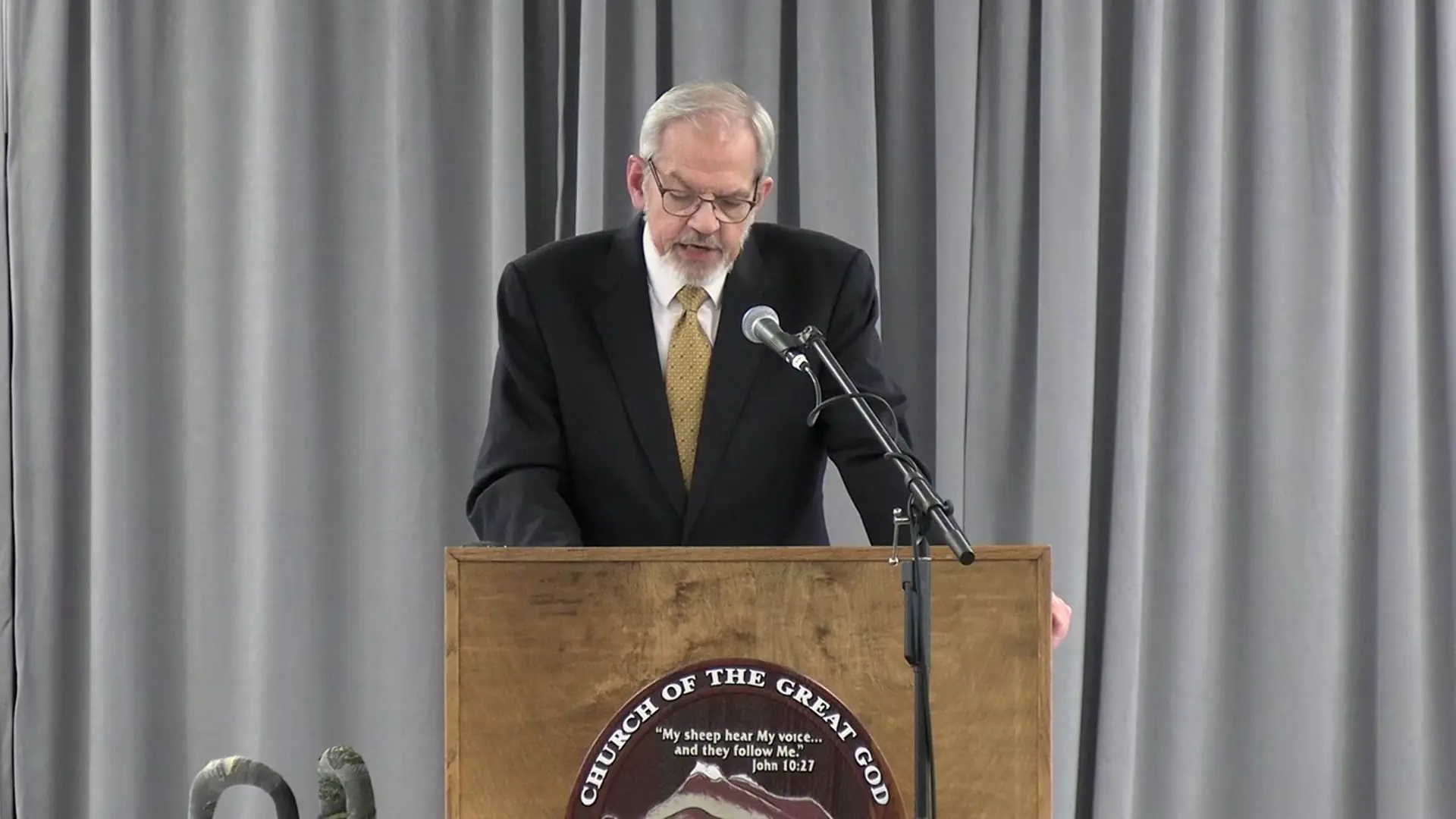
The Bride of Christ (Part Two)
Feast of Tabernacles Sermon by Mark SchindlerGod has set apart His carefully called and chosen few to be prepared for what He already sees: the completion of the Bride of Christ, filled to the full with God's Holy Spirit, and made perfectly in sync with Jesus Christ at His coming, with His Holy Spirit flowing in and flowing out. Under the tender care of Christ, His Bride finishes the preparation process of making herself ready in this carefully planned part of God's purpose for all mankind. We must use all the tools Christ provides to make ourselves ready as a sacrificial offering, ensuring we do not falter by being distracted by this world. As the spiritual Bride of Christ, we must wait on God and avoid stepping outside His carefully ordered preparation time, while recognizing that we will face challenges just as He did. Following the Tribulation and their resurrection, meeting Christ in the air, the Bride of Christ may already be at work as His perfect helpmate, perhaps preparing for the arrival of the remnant of Israel as Christ leads them back to the real city of peace. We are being prepared to be immediately active with Jesus Christ, not to remain idle, but to serve as His perfected helpmate in all things.
Marriage and the Bride of Christ (Part Six)
Sermon by Martin G. CollinsGod's design for marriage extends beyond the wedding day, focusing on harmony and sacrificial love as a reflection of His covenant with His people. The betrothed is called to act in a pure, moral, and faithful manner, embodying the unity, love, and interdependence that mirror God's relationship with His church, the bride of Christ. The New Testament image of the bride emphasizes key truths: the church is chosen for God's purpose yet free to choose, Christ in love establishes a covenant with His bride, His atonement serves as a betrothal gift, His love cleanses and makes the bride worthy, and the bride prepares for the future wedding day. Christ's love for the church is not merely theoretical but manifests in practical action. He gave Himself for her, a sacrificial act that forms the foundation of the church's existence. This love continues as He sanctifies and cleanses her, setting her apart for Himself and purifying her for a glorious future without spot or wrinkle. Christ's purpose is to present the church as His bride, complete and perfect, through a process that began with His death and persists in ongoing sanctification. He loved the church while she was still in sin, demonstrating a love that endures despite flaws, a model for practical, enduring love in marriage. Sanctification is primarily Christ's work in the church, not a self-determined effort. He sets the church apart as His unique possession, moving her from darkness into His kingdom. This process, driven by His love, ensures that the bride is prepared for Him, no longer belonging to the world but dedicated to Christ. As the bride of Christ, the church must recognize this separation and live accordingly, aware of the privilege of being set apart for the glory to be shared with Him. Husbands are called to emulate this love, loving their wives as Christ loved the church, giving sacrificially and regarding their wives as part of themselves, set apart and cherished.
Marriage and the Bride of Christ (Part Eight)
Sermon by Martin G. CollinsJesus Christ is diligently preparing His Bride, the church, for a glorious presentation to Himself. He nourishes and cherishes her, providing spiritual sustenance and care to ensure her growth and well-being. This process of sanctification is ongoing, as He cleanses her from all impurities, aiming to present her without spot or wrinkle, in a state of absolute perfection and holiness. His tender concern mirrors the care a husband should show his wife, reflecting a deep, self-sacrificial love that prioritizes her needs above all else. Christ's ultimate purpose is to present the church to Himself as a glorious entity, characterized by external purity and internal righteousness. This preparation involves removing all stains and blemishes, ensuring that no imperfection remains when she stands before Him and the hosts of eternity. Her beauty will be complete, a perfect symmetry of spiritual health and character, radiating the righteousness of Christ Himself. This ongoing work of Christ is not merely a past act but a continuous effort to bring the church to maturity. He provides spiritual food through His teachings and the ministry, ensuring that there is no excuse for ignorance or weakness among His members. As He nourishes and cherishes the church, He guards her from spiritual dangers and fosters her development, paralleling the way a husband must prioritize and protect his wife. The goal of this divine preparation is the ultimate glorification of the church, where she will be holy and without blame, sharing in Christ's own righteousness. This process, driven by His everlasting love, will culminate in a grand celebration when He presents His Bride to Himself, a moment of righteous pride and eternal glory. Christ's commitment ensures that nothing will hinder this work, as He employs every means necessary to perfect her, urging members to yield to His gentle guidance and avoid the harsher methods of cleansing that may be required if resistance persists.
Marriage and the Bride of Christ (Part Seven)
Sermon by Martin G. CollinsChristian marriage plays a vital role in the spiritual preparation of the Bride for Christ, which is understood as God's church and its individual members. Each baptized member, both male and female, bears the responsibility of working with Christ the Bridegroom as He sanctifies, cleanses, and purifies His Bride. Married Christians must strive to live according to the principles taught in Scripture, ensuring that their union reflects the spiritual cleansing necessary for this divine relationship. Neglecting the study of God's Word often leads to marriage problems, hindering the essential cleansing of the Bride. When husbands and wives fail to prioritize spiritual health amidst busy lives, they impede this sacred process. Christian marriage should be characterized by governing oneself according to the spiritual principles found in God's inspired written Word, fostering an environment conducive to sanctification. Christ's ultimate objective is to present the church to Himself as glorious, without spot or wrinkle, holy and without blemish. This cleansing is a continuous process, not instantaneous, requiring a lifetime of sanctification through the washing of water by the Word. It involves being delivered not only from the guilt and penalty of sin but also from its power and pollution, a progressive purification that transforms the believer over time. Husbands and wives must work together to create a peaceful home where the fruit of the Spirit can grow, mirroring Christ's love and provision of peace for the church. A husband should manifest a similar love toward his wife, desiring her to be prepared to walk before Him in purity and righteousness. Likewise, the wife shares this responsibility, supporting the spiritual growth of the family. The process of sanctification is accomplished through the Holy Spirit using the Word, which must be actively present in the lives of Christians. If the true church is to do a work for God, it must be built on His Word, and the same principle applies to marriage and family. By applying biblical principles, all marital challenges become manageable, turning problems into opportunities for solutions as provided in God's inspired written Word. Christian husbands and wives must collaborate to produce an atmosphere of peace in the family, ensuring that each other's spiritual sanctification and perfecting are not hindered. The focus remains on God the Father and Jesus Christ, as human partners do not sanctify or cleanse sins but can support each other in growing in grace and knowledge. Both husband and wife, with the husband bearing a greater responsibility for the family, must strive to make family life conducive to this divine preparation, so that Christ might sanctify and cleanse the church with the washing of water by the Word.
Preparing the Bride
Booklet by John W. RitenbaughIn the midst of the church's scattered state, brought about by our own sins, the focus must shift to preparing the Bride for Christ. The church, as a spiritual organism, is tasked with providing common teaching in God's truth to perfect the saints and foster fellowship among those of a common Spirit. Its primary purpose is to nurture the family relationship with the Father through Jesus Christ, readying us for the next step in His purpose. Now is the time for deep and heartfelt soul-searching and repentance, as Christ admonishes the churches in Revelation to repent and listen to what the Spirit says. The emphasis, as seen in Christ's messages and His Olivet Prophecy, is on personal readiness—watching, praying, being faithful, and serving the brethren to prepare for His return. The current work of the church is not centered on public evangelism but on feeding the flock, a vital task to refine and mature converted Christians. This involves preaching the whole counsel of God, which encompasses the entirety of His Word, primarily to those already converted, ensuring they have the resources to overcome and grow toward spiritual perfection. By focusing on producing sermons, articles, and booklets that teach Christian living principles in detail, we are aiding in the preparation of the Bride, making sure every member of Christ's body has sufficient spiritual oil for their journey. Christ Himself declares that His words are spirit and life, and by continuing to preach these words to His people, we support their readiness for His coming. The Bride must make herself ready, and our efforts are directed toward this essential purpose.
David Was Ready
Sermonette byWe need to be preparing ourselves for whatever God has prepared us to do in His Kingdom, preparing for an office, but more importantly preparing in character.
Remembering Who We Are
Feast of Tabernacles Sermon by John O. ReidAt this present time, we are being prepared to be the bride of Jesus Christ. Our job is to make ourselves ready for the wedding of the Lamb, an event we are all called to be a part of, giving all praise and thanksgiving to the Lord as He has begun His reign. As the bride, symbolized by New Jerusalem, we are redeemed by our Husband-to-be and adorned in white linen, reflecting brightness for glorification and cleanness for purity, loyalty, faithfulness, and character through our righteous acts. We prepare by obediently following our Husband-to-be in all He asks of us prior to the marriage, demonstrating repentance and an obedient response now. This preparation is not merely collective as the church, but deeply personal. Each of us, as individuals betrothed to Jesus Christ, must overcome personally to be part of His bride. We must consider the greatness of the One who has selected us—He is the Creator, the Almighty, the mighty Prince, the Lord, our owner, Master, Teacher, Messiah, provider, healer, banner, sanctifier, judge, peace, Lord of hosts, righteousness, shepherd, and the One with absolute power and authority. He is the Son of God, heir to all things, the resurrection and the life, the Son of Man connected to us, who humbled Himself by death on the cross for His bride. This is the One we are betrothed to, the greatest Being in the universe, second only to God the Father. Our responsibility as the bride-to-be mirrors that of a woman preparing for marriage, considering her future husband's work, nature, way of thinking, likes, and dislikes, endeavoring to fit into his life as a perfect companion. We are to be a true helpmeet to Jesus Christ, assisting in all He does, offering intelligent and appropriate support in His pursuits. God is making us very special for His Son, just as a helpmeet is intimately close and a real part of her husband. As the bride, we must exhibit strength of character, nobility, courage, dignity, moral excellence, energy, and excitement for the role we are given. We are to be totally trustworthy, diligent, energetic for our Husband's projects, and filled with concern and love for all around us, glorifying Him through our actions. Our future as the bride of Jesus Christ involves working side by side with Him to right the world through the Millennium and the White Throne Judgment, overseeing cities and towns He entrusts to us, teaching as He desires, offering counsel, and being a trusted, faithful, loved companion as members of His Family. We must seriously consider this role now, conducting ourselves accordingly by giving up the old life for the new, embarking into an unknown world, changing from what we were to what we will become under His leadership. This is a personal commitment, requiring individual conversion and a willingness to make needed changes to qualify as His bride. We are to cleave to Jesus Christ, united as one with Him in purpose and goal, allowing no outside force or personal action to separate us from this forthcoming wedding. Our current marriages picture this future union, requiring longsuffering, humbleness, kindness, empathy, and faithfulness to reflect the marriage to come. We must protect our minds from anything that could put asunder this future marriage, recognizing the covenant we have with God as exceedingly important. As the betrothed bride, God expects more of us now, living by the spirit of the law, going on to perfection, and overcoming to be presented as a church full of honor, faithfulness, love, splendor, and beauty, without spot or wrinkle. Jesus Christ, as the Head of the church and Savior of the Body, is united with us in the closest relationship, symbolizing the profound mystery of marriage. We are to submit to our future Husband, complementing Him in all He asks with loyalty, energy, and a positive attitude, holding Him in the highest esteem. This is our time to make ourselves ready as the bride of our soon-coming King, working with a true and faithful hear
Psalms: Book Two (Part Two)
Sermon by Richard T. RitenbaughIn book two of the Psalms, a central theme emerges around the spiritual creation of a people prepared to be the bride of Christ. God, referred to predominantly as Elohim, is portrayed as the powerful Creator and intelligent Designer who continues to create, not just in the physical sense seen in Genesis, but in a spiritual dimension. This ongoing creation focuses on shaping individuals into the image of Christ, crafting a people who reflect Him as perfectly as possible within human limits. Through trials, tests, and character growth, God is forming those who will be part of the first resurrection, destined to be with Christ forever as His bride. This preparation is evident in the thematic parallels with Exodus, Ruth, and the Pentecost season. In Exodus, the law plays a significant role, while Pentecost marks the giving of the Holy Spirit, aiding in this transformative process. In Ruth, the concept of marriage is highlighted as Boaz, a type of Christ, redeems and marries Ruth, symbolizing the union and family line leading to Christ. Themes of separation and redemption also recur, as seen in Israel's separation in Egypt and Ruth's journey back to Israel, mirroring God's work in redeeming and preparing His people. From a broader perspective in book two, God is actively preparing a people in Christ's image to marry Him and rule His Kingdom. This preparation involves God's power, the guidance of His law, the influence of His Spirit, and His providence, leading His people through a wilderness of trials and privations. This long journey, sustained by God's provision, ultimately guides them to the promised land, symbolizing the ultimate union with Christ. David, as a prototype, exemplifies the Christian experience of enduring severe trials, relying solely on God's help, and growing in character through faith and patience, reflecting the process of being shaped into the bride of Christ.
The Glory of God (Part 4): Glorifying God
Sermon by Richard T. RitenbaughGlorifying God is a constant and consuming task for His elect, far beyond mere emotional outpouring or praise. It is a lifelong devotion to valuing Him highly, exalting and magnifying Him through our actions. As our Redeemer, He has delivered us from futility, sin, and certain death, washing us clean, setting us apart, and justifying us through Christ's righteousness. Because we are His, bought with the price of Christ's blood, we are not our own but living sacrifices and servants, called to glorify Him fully in body and spirit. One specific way we glorify Him is by participating in His work. In each age, God's work varies as He advances His plan, calling certain people out of the world to be His tools and agents. For us, this includes the work of preparing the Bride, a task He has specifically given to our church at this time. We must focus on the work assigned to us, not concerning ourselves with the spheres of activity of others. By doing our share in His work, as He has brought us to this specific point and church, we glorify Him. Our Lord and Master Himself testified that participating in and completing His work brings glory to God.
Psalms: Book Two (Part Three)
Sermon by Richard T. RitenbaughIn the context of Book Two of the Psalms, which aligns with the Pentecost season, a central theme emerges around the preparation of God's people as the bride for Christ. This preparation is reflected in the spiritual journey depicted through the harvest imagery of Pentecost, also known as the Feast of Weeks or the Feast of Harvest. Just as new grain is harvested, beaten, trodden, ground, and sifted to produce fine flour for wave loaves, so too are God's people refined through trials and challenges. Despite the presence of leaven, symbolizing lingering sin, God works with us, shaping us into something useful for His purpose. The final act of waving the loaves before God signifies the offering of His people for His acceptance, a process overseen by Jesus Christ, who prepares us for the Kingdom of God. This refining process mirrors the experiences of David in Book Two of the Psalms, where his trials and repentance, as seen in Psalm 51, set the tone for growth in character and reliance on God's sovereignty. David's heartfelt contrition and desire for forgiveness highlight the humble attitude necessary for spiritual development. His plea extends beyond personal redemption to encompass the entire church, as he prays for God to do good to Zion and build the walls of Jerusalem, symbols of the collective body of believers. This reflects a broader vision of preparation, not just for himself, but for all of God's people to become a worthy bride for Christ. The ultimate goal of this preparation is evident in the imagery of the bride adorned in fine linen, a combination of God's righteousness and the learned righteousness of His people through their growth and conversion. David's psalms of trial emphasize an attitude of humility and a commitment to the whole body of the church, aligning with God's desire to produce a fitting bride for Christ. Through this process, God is pleased with the sacrifices offered, culminating in the readiness of His people for the union with Christ.
Take Heed to Yourselves
Sermon by Richard T. RitenbaughAs members of God's church, we are called to prepare ourselves as the Bride for Christ, especially in these end times when the world is steeped in evil. Our Savior warns us to take heed to ourselves, focusing on our spiritual condition and maintaining a solid, growing relationship with the Father and Jesus Christ. This is not a selfish act but a God-centered one, for by loving Him, we inevitably extend love to others through acts of service, as rivers of living water flow from our hearts. Jesus Christ advises us to watch ourselves, to be vigilant and prepared, ready to respond at a moment's notice when the call comes to meet the Bridegroom. The window to react is short, and once the signs of His return appear, there will be no time left for spiritual growth, which takes patience and time, like a harvest. He cautions us against allowing our hearts to be weighed down by the burdens of sin, which can harden us and lead to destruction if not addressed. Our Savior specifically warns against self-indulgence, addiction, and distraction—dangers that surround us in this cesspool of a world. Even His elect are at risk of being drawn into overindulging in good things, becoming addicted to certain ways, or being distracted by the cares of life. Jesus Christ knew the challenges we would face and urges us to stay above the maelstrom of sin spinning wildly about us, ensuring we are ready for His swift and unexpected return.
The Joy of the Lord Is Our Strength!
Feast of Tabernacles Sermon by Martin G. CollinsThe church bears a vital responsibility to prepare the bride for Christ by guarding the truth and setting a good example through good works. This preparation involves embodying the full joy that Jesus promises, a joy that no one can take away. It is not the church's role to reform or improve the world, nor to abandon it, but to let our light shine as a true witness. This joy, central to our mission, must radiate from us even amidst trials, reflecting the strength and contentment that come from living by the teachings of Jesus Christ. Through this, we fulfill our calling to prepare the bride, showing the world the profound joy that comes from faith, hope, and love in Him.
Why Study Prophecy?
Sermon by Richard T. RitenbaughWe in the Church of the Great God often emphasize the importance of preparing ourselves to become part of the Bride of Christ. As Revelation 19:7-9 illustrates, we come to the marriage of the Bride and the Marriage Supper of the Lamb because the Bride has made herself ready. This preparation is a central focus for us, as we strive to be useful and ready for whatever good works God would have us do. Studying prophecy aids in this preparation, not to save ourselves physically from destruction, but to light the way to the Kingdom of God and to meet the spiritual requirements God sets for those He will spare and glorify.