


Filter by Categories
Fear and Trembling
CGG Weekly by John W. RitenbaughThe Bible often employs the imagery of shaking or trembling to depict the intense terror and panic that overtakes those who suddenly realize their lives may be at risk. This imagery frequently illustrates the heightened emotional reaction of a nation upon hearing news of an approaching army, particularly God's army. Moses trembled and averted his eyes when he understood at the burning bush that he was in the presence of the God of the patriarchs. Isaiah, upon seeing the Lord on His throne and hearing the doorpost-jarring voice of a seraph, feared for his life, believing he was as good as dead for having witnessed His glory. Ezekiel, similarly, was driven flat on his face in fear, so drained of strength that he needed assistance to stand. The most terrifying shaking to demonstrate God's power before mankind is yet to come, universal in scope, accompanying Jesus Christ's return. This event, focused on Jerusalem, underscores a profound spiritual importance for Christians. We are urged not to refuse Him who speaks from heaven, whose voice will shake not only the earth but also heaven, removing those things that can be shaken so that what cannot be shaken may remain. Therefore, since we are receiving a kingdom which cannot be shaken, let us have grace to serve God acceptably with reverence and godly fear, for our God is a consuming fire. God calls on His children to avoid the self-absorbed lethargy of this world, reminding us that judgment is now on His house. Those who do not pass His muster will be denied protection from the horrifying earthquake at Christ's return, a terror so great that people will plead for death. Our attention must be riveted on pleasing Him, focusing on the spiritual things that cannot be shaken.
Godly Fear is Humble Reverence
Sermonette by Ted E. BowlingThe fear and trembling before God is more like reverence and awe instead of abject terror. It leads us to total dependence upon God with a desire to repudiate sin.
Fear the Lord's Goodness!
'Ready Answer' by Martin G. CollinsGod's goodness, though always beneficial in its ultimate purpose, inspires a profound fear characterized by trembling and awe, particularly when it overwhelms the undeserving recipient and demands a complete reversal of thought and conduct. This response appears in prophecies concerning the latter days, when the descendants of ancient Israel will return to seek their God and David their King while fearing the Lord and His goodness. The Hebrew term for this fear denotes trembling or standing in awe to the point of physical shaking, as everything God does remains good yet can seem harsh to carnal minds because it enforces submission and obedience. During the Millennium, Gentile nations will likewise fear God's goodness upon witnessing His judgment and the resulting prosperity granted to Israel and Judah, leading them to tremble at the glory and blessings poured out after the Tribulation and Day of the Lord. Such fear produces repentance, heals wounds through peace and security, and yields lasting fruit of righteousness, as correction that seems grievous at present ultimately trains recipients to partake of holiness. Even in hardship or affliction, acceptance of God's universal goodness without complaint reflects proper reverence, while despising the riches of His goodness, forbearance, and longsuffering prevents the very repentance His kind and active chrestotes is designed to elicit. Those who fear Him in this manner receive the prepared abundance of blessings reserved for the obedient and trusting, confirming that every attribute and action of God produces only good fruit when met with faithful submission.
Facing Times of Stress: Fear of the Future
Sermon by Martin G. CollinsFear of the future arises naturally amid personal trials, financial pressures, and global uncertainties, yet it often stems from deeper spiritual roots in sin and self-concern. The adversary exploits this vulnerability through relentless, inconsistent tactics that shift attention either to past failures or imagined future disasters, thereby paralyzing believers in the present and discrediting God's redemptive work. Such fear manifests differently according to individual temperament, with some naturally timid and apprehensive while others display boldness that risks self-reliance. In addressing this condition, the material highlights the apostle Paul's counsel to Timothy, who struggled with dread of coming difficulties after Paul's imprisonment. Paul reminds him that God has not given a spirit of fear but of power, love, and a sound mind. This spirit supplies power to fulfill responsibilities with boldness, endure persecution, and even face death, as seen in Peter's transformation from denial to courageous witness. Love counters self-absorption by directing concern outward toward God, His redemptive plan, and the needs of others, thereby displacing anxiety. A sound mind brings disciplined self-control and balanced judgment that prevents fear from dominating thought or action. These gifts enable believers to work out their salvation with fear and trembling, not as paralyzing dread but as reverent awareness of God's calling, while relying on the Spirit that works within to will and to do according to His good pleasure. Temperament remains unchanged by conversion, yet the indwelling Spirit must govern it rather than allow natural tendencies to control conduct. By stirring up the gift already received, focusing on present duties, and trusting that God completes the work He began, believers reject both fruitless worry about tomorrow and absorption in the past. This approach sustains faithful witness amid stress and affirms that God never forsakes those who remain yielded to Him.
Sin, Christians, and the Fear of God
'Personal' from John W. RitenbaughFear and trembling emerge as a necessary and surprising motivation for overcoming sin, standing at the foundation of a right relationship with God even though many wrongly believe that Christianity has replaced the fear of God with love for Him. This theme connects directly to the broader warning against sin, since overcoming sin requires character built through cooperation with the Creator, and godly fear is the attitude from which other godly qualities grow. The Psalms establish this repeatedly: David instructs that the fear of the Lord must be taught, since it is not a quality possessed by nature, and the psalmist commands that God be served with fear and that people rejoice with trembling, joining fear and joy in a manner that seems contradictory to normal human thinking. Paul echoes this by instructing believers to work out their own salvation with fear and trembling, reinforcing that this fear pertains to the process of completing God's purpose rather than to ordinary human anxieties. This fear is distinguished from natural human fears of disease, persecution, or death, which love casts out, as clarified through I John 4:17-18, where the "boldness" John describes pertains to worldly circumstances, not to reverence for God Himself. Deuteronomy 6 demonstrates that fearing God and loving Him are inseparably joined, since the command to fear God surrounds the command to love Him, and this fear is produced through keeping His commandments. Isaiah 8:13 shows that even a prophet as close to God as Isaiah was commanded to fear Him, illustrating that closeness to God never removes the need for reverential awe. The account of the disciples in the storm, who "feared exceedingly" after Jesus calmed the wind and sea, illustrates how this proper fear is nurtured through experiencing God's power directly within relationship with Him. Fear of God is tied to mercy and forgiveness, as Psalm 130:4 states that forgiveness exists so that God may be feared, showing that fear grows out of experiencing His mercy rather than existing apart from it. Scripture identifies Christians specifically as those who fear God, as seen in Mary's praise that God's mercy is on those who fear Him, in the description of the early church walking in the fear of the Lord, and in Cornelius being described as a man who feared God. Even Jesus, described in Hebrews 5:7, prayed with godly fear, showing that this quality is not a deficiency but the proper posture of anyone who truly knows God. This fear encompasses a wide range of emotion, from mild apprehension to reverential awe, and grows through an intimate relationship in which one comes to appreciate God's character, power, creative majesty, and purpose. As this appreciation deepens, the fear of dishonoring Him or fracturing this relationship intensifies, producing a steady sense of obligation combined with humble gratitude. Ultimately, godly fear motivates obedience, and obedience produces the fruit of God's Spirit, including joy, showing that fear and rejoicing are not opposites but companions working together to draw believers toward oneness with God and away from the sin that continually threatens to separate them from Him.
How Fear Resists Faith
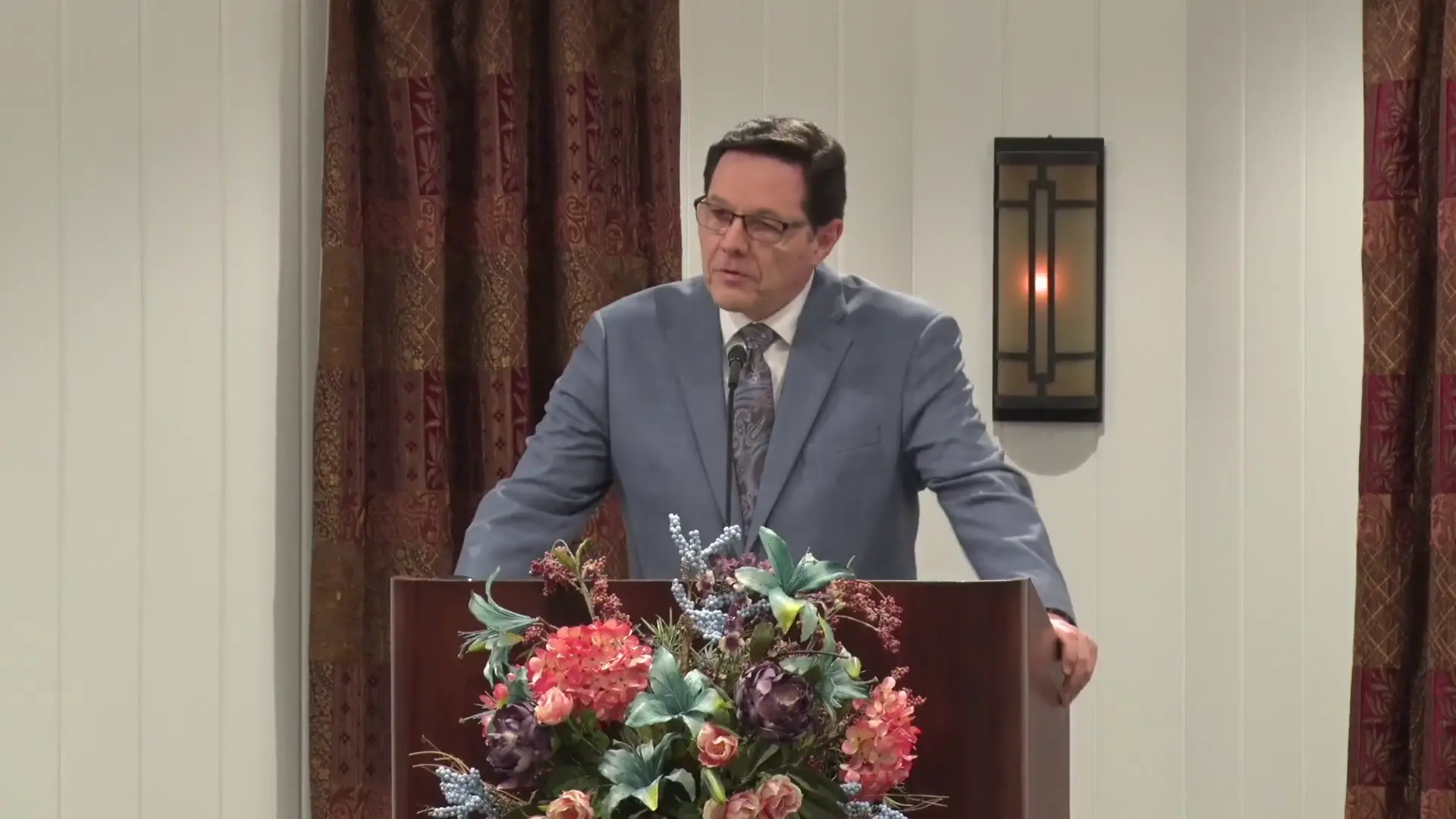
Sermon by Martin G. CollinsFear and trembling refers to fear of disappointing God and fear of disobeying God. People should tremble at the thought of disobeying God because trembling beforehand helps prevent disobedience. Fear and trembling remain partly due to temperament yet the power that works within enables believers to work out their own salvation. This spiritual power allows the work to proceed in godly fear and reverent trembling. Believers do not become persons who are unafraid and no longer subject to fear. They continue to work out salvation with the power that produces both the will and the doing for His good pleasure.
The Fear of God (Part Three)
Feast of Tabernacles Sermon by John W. RitenbaughAfter the Spirit of God is imparted, removing the fear of men and installing the life-sustaining fear of God, the real dramatic growth takes place.
Snapshots (Part Two)
CGG Weekly by David C. GrabbeEven if a present snapshot of our lives looks dismal, it cannot reveal what happens next. What happens next is in God's hands—and He finishes what He starts.
Amending the Soil
Sermonette by Richard T. RitenbaughIn the Parable of the Sower, Christ describes different qualities of soil. We must respond properly to the implantation of the seed—the word of God.
The Sovereignty of God (Part Seven)
Sermon by John W. RitenbaughIn the example of a child summoned by a parent to clean up his room, the child's dawdling and complaining are not predestined nor are they part of God's will.
Be Anxious For Nothing
Sermon by Richard T. RitenbaughFear and anxiety are normal human emotions. But through changing our focus from earthly to heavenly things, we can rise above the concerns, remembering Who is with us.
The Sovereignty of God: Part Seven
'Personal' from John W. RitenbaughOne aspect of sovereignty that causes some confusion is predestination. God's sovereignty does not remove a person's free moral agency — we must still choose.
In Search of a Clear World View (Part Three)
Feast of Tabernacles Sermon by John W. Ritenbaugh (1932-2023)Each member has been gifted by Christ. We must not go beyond the gifts that have been given to us, but must use them humbly, employing them to edify.
Children of the Light
Sermon by Clyde FinkleaThe exhortation to "work out your own salvation with fear and trembling," drawn from Paul's letter to the Philippians, serves as a culminating call to action following an extended examination of the seven character traits of the children of light found in the Beatitudes. Having outlined these attributes—poor in spirit, mourning over sin, meekness, hungering for righteousness, mercy, purity of heart, and peacemaking—the discussion connects this Pauline instruction directly to Jesus' warning about salt losing its flavor. Just as tasteless salt becomes good for nothing and is thrown out to be trampled underfoot, believers who fail to live up to these seven character traits risk a similar spiritual uselessness. Paul's charge to work out salvation "with fear and trembling" is therefore understood as a direct echo of this warning, urging believers to take seriously the ongoing responsibility of developing and maintaining these godly character traits rather than becoming complacent. This fear and trembling is not presented as anxious uncertainty about one's standing, but as earnest, diligent effort toward sanctification. This is reinforced by the following verse, which clarifies that "it is God who works in you both to will and to do according to His good pleasure." The point made here is that God has not called believers to fail but to succeed—He is actively working within them to produce the will and the ability to fulfill this calling. The phrase "born to win" is invoked to emphasize that believers are not meant to be losers in this process but victors through God's empowering work. The passage from Philippians continues into practical application, instructing believers to "do all things without complaints and disputes," which is tied back to the character trait of peacemaking discussed earlier. The purpose of this diligent, reverent effort is so that believers may be "blameless and without offense, innocent children of God... in the midst of a crooked and perverted generation," shining as lights in the world. This directly connects to the earlier teaching that believers are "the light of the world," set on a lampstand rather than hidden, so that their good works may be seen and God may be glorified. Thus, fear and trembling functions as the serious, watchful diligence required to embody the seven character traits already described—traits that mirror the very nature of Jesus Christ Himself. It underscores that these attributes are not optional or selective but must all be worked out together as a unified character, since failure to cultivate them risks spiritual uselessness, while faithful effort, empowered by God's own working within the believer, leads to being blameless lights shining in a dark and perverse world.
Philippians (Part Five)
Sermon/Bible Study by John W. RitenbaughJesus Christ, through His voluntary humility, has given us a model of the mindset that we need to have in order to attain membership in the family of God.