


Filter by Categories
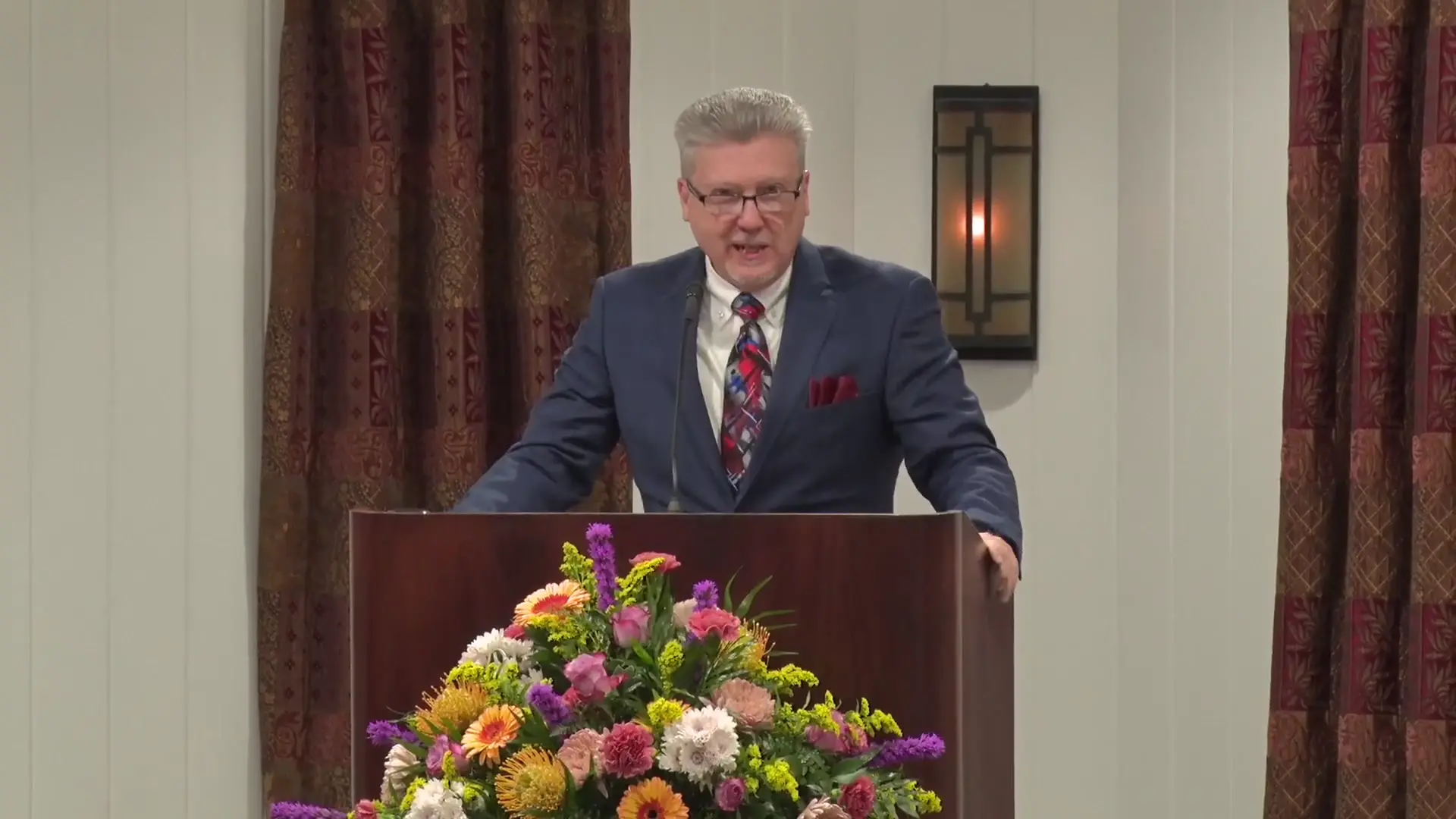
Peace, Peace (Part Two): Christ's Peace
Sermon by Richard T. RitenbaughAcceptance of Christ's sacrifice brings peace with God: those who believe and accept it are pardoned by grace and justified, their sins covered by His blood, so nothing stands in the way of the restored relationship. Acceptance of the covenant brings the conditions of peace. A covenant sets boundaries, expectations, benefits, and penalties, and those who agree to it and fulfill their part in it enjoy the stability and prosperity that shalom means. In the same way, Israel will be brought back after the Tribulation, will accept God's terms as at Sinai, and will keep them willingly, making the covenant an environment for righteousness and entry into God's Family. The same covenant governs believers now. Acceptance also means yielding to God's will under trial. Jesus, in Gethsemane, prayed, aligned Himself with the Father's will, persevered in prayer, and accepted what lay ahead. He found peace in undeviating devotion to God, trusting the sovereign Father even though it would hurt. The peace of God does not mean freedom from turmoil, but believers who trust God and submit to His will can have that same peace, which guards heart and mind and replaces fear with boldness. By contrast, people who do not accept reality or God's truth war within themselves, as in the restless search for identity, and the wicked have no peace.
Fully Accepting God's Sovereignty (Part One)
Feast of Tabernacles Sermon by John W. Ritenbaugh (1932-2023)Living by faith requires fully accepting God's sovereignty. Jesus Christ created all things for His pleasure and will, and He works all things in each believer's life according to the counsel of His will, not only the big events but the personal ones. The believer is clay and He is the potter, with every right to shape each person's circumstances, status, and trials as He chooses. Human nature, the carnal mind, cannot be subject to God and resists His will, so acceptance means yielding to what He designs even when it is uncomfortable, painful, or contrary to personal plans. Scripture shows that God makes choices that seem unfair: He has mercy on whom He wills, He lets Stephen die while John lives long, and He declares Himself the author of both peace and calamity. He even took responsibility for Jerusalem's destruction and for scattering His church. Israel failed in the wilderness because they knew God existed but did not trust Him. The apostles and Moses succeeded by seeing the invisible God at work and going along in faith. Acceptance grows from knowing Christ personally, as David did, in His greatness, His closeness, and His love. Trusting that He is faithful and will bring each believer to the place prepared in His Kingdom produces reverent fear and a desire never to disappoint Him.
The Sacrifices of Leviticus (Part 2)
Sermon by John W. RitenbaughEvery man's acceptance before God depends upon perfect righteousness, yet believers who are not perfectly righteous are accepted into God's presence. The burnt offering of Leviticus 1 teaches how. The animal, a male without blemish, was offered "for acceptance" in the offerer's stead, so the offerer remained alive while the animal represented him. Christ comes to the foreground and the believer fades into the background, because acceptance rests on the way Christ lived His life, not on the believer's own. His perfect, wholly devoted life was a sweet savor that satisfied God, and by God's grace believers are accepted because of Him. His death would have been of no consequence had He not lived that way first. No sin is seen in this offering, so "atonement" here means making satisfaction by meeting God's requirement through a life totally given to Him, not covering sin. Acceptance does not release believers from the duty to live as close to Christ's example as they can, giving every part of life to God as a living sacrifice (Romans 12:1). Those who neglect this crucify the Son of God afresh. The Laodiceans, whose way of life gave God no satisfaction, were threatened with rejection from His presence.
Contentment
Sermon by John O. ReidMany people live in a state of discontent. Tragically, what they set their hearts upon often displaces the love for family and a relationship with God.
The Offerings of Leviticus (Part Four): The Peace Offering
'Personal' from John W. RitenbaughThe peace (or thank) offering was the most commonly given in ancient Israel. It pictures God, the priest, and the offerer in satisfying fellowship.
Offerings (Part Two)
Sermon/Bible Study by John W. RitenbaughThe sacrifices teach us about the mind, heart, and character of Jesus. The burnt offering symbolizes complete devotion to God in every aspect of life.
Lamentations (Part Five)
Sermon by Richard T. RitenbaughThe expressions of sorrow in the Psalms far outnumber expressions of praise, indicating that the Hebrew culture has almost made the lamentation an art form.
Maintaining Good Health (Part 13)
Sermon by John W. RitenbaughCommitment to a course of action is essential for physical or spiritual success. Faith motivates and sustains right action, protecting us from wavering.
Simplifying Life (Part Four)
Sermon by David F. MaasWe must maintain a Christ-centered tranquility and peace in a hurried, end-time world characterized by overload and debilitating pressure.