


Filter by Categories
During a Famine, What Is the Work?
Article by John O. ReidA severe crisis rages today within the church of God, marked by a tragic famine of the Word of God. For over fifty years, God's people were nourished by a constant spiritual diet through the work of the church and Christ's chosen ministers. However, this sustenance has grown sparse, with many of God's doctrines altered and the essence of true Christianity ridiculed and set aside. As a result, numerous brethren have left the fellowship, wandering in a fruitless search for spiritual nourishment, feeling lost, fearful, unstable, frustrated, angry, bitter, and confused. We are living in a time of spiritual starvation. During such a spiritual famine, the most critical task is to feed the flock. Christ, as the Shepherd of Psalm 23, desires to supply our needs fully, ensuring we do not lack proper nourishment. He longs for us to find a green pasture, abundantly supplied with food and drink, where we can rest in peace. One of the purposes of the Church of the Great God is to serve as a refuge for those seeking to feed and grow in God's character. If we find ourselves becoming malnourished through neglect of prayer, Bible study, meditation, and fasting, it is paramount to remedy the situation immediately, for we have no time to waste. God will then encourage, perfect, and complete His purpose in us, delivering and rewarding His people despite the challenges of famine or any other trial.
A Famine of The Word (Part One)
Commentary by Martin G. CollinsA famine of hearing the Word of God is approaching, as foretold in Amos 8:11-12, where the Lord declares that a time will come when people will face not a lack of bread or water, but a scarcity of hearing His words. They will wander desperately from sea to sea, from north to east, seeking the Word of the Lord but finding none. This famine is a divine punishment for neglecting to worship God, forsaking His Truth, and failing to live according to His way of life. Despite the abundance of religion today, the true Word from the Lord is diminishing, leaving no light in the darkness, no spiritual nourishment, no guidance for decisions, and no shield against the lies of the enemy. Yet, Jesus Christ offers hope in Matthew 7:7-8, promising that those who ask, seek, and knock will receive, find, and have doors opened to them, ensuring they will not suffer from this famine of hearing if they earnestly pursue Him.
Famine (Part Two): Behold, a Black Horse
Sermon by Martin G. CollinsThe concept of a famine of hearing emerges as a profound spiritual dimension within the broader context of physical famines and worldly sorrows. This spiritual famine, described as a scarcity of the hearing of the Word, signifies a time when the truth and guidance of God's message become rare and inaccessible to many. It is a condition that parallels the physical hunger experienced through wars, natural disasters, and human conflicts, reflecting a deeper deprivation of spiritual nourishment. This famine of hearing is not merely a historical observation but a warning of ongoing and future challenges. Just as physical famines have intensified in magnitude due to human sin and mismanagement, the spiritual famine indicates a growing distance from divine truth amidst the turmoil of the world. It serves as a reminder of the need to seek and preserve the Word of God, especially in times when false prophets and deceivers abound, as foretold by Jesus Christ in His prophecies. As part of the beginning of sorrows, this spiritual scarcity is woven into the fabric of human suffering, alongside physical famines, pestilences, and earthquakes. It underscores the urgency of remaining steadfast in faith, enduring through personal and communal trials, with the assurance that God will provide strength to His faithful. Even in the face of such a famine of hearing, those who trust in Him can find courage and confidence, knowing that He will ultimately redeem and sustain them through all forms of hunger, both physical and spiritual.
A Famine of the Word (Part Two)
Commentary by Martin G. CollinsA famine infinitely more dreadful than the famine of food or water is the famine of hearing the words of the Lord. As foretold in Amos 8:11-12, the Lord God declares that days are coming when He will send a famine on the land, not of bread or thirst for water, but of hearing His words. People shall wander from sea to sea, from north to east, running to and fro seeking the word of the Lord, but they shall not find it. The world struggles to bear the teaching of God's Word, yet a time approaches when even those who seek it will be unable to find it. Similar to ancient Israel, who rejected the words of the Lord and faced exile with no divine revelation, people who repeatedly reject God's words will suddenly find them inaccessible. This absence will reveal that God's revelation was their most precious possession, lost to them in their captivity. Such a calamity may be provoked by neglect and indifference to the precious Word of God, making it an idol, disregarding or forsaking the faithful care of the truth, overvaluing human wisdom over divine revelation, supplementing or perverting God's Word, or exalting teaching methods over the message itself. This famine of hearing the words of the Lord surpasses all other deprivations in its severity.
A Famine of Unleavened Bread
Sermonette by David C. GrabbeWithout God's truth, a nation can only fall into oblivion, led by reprobate minds, subject to carnal delusion. A famine of hearing God's word is coming.
Lessons From Roots (Part Three)
CGG Weekly by David C. GrabbeIn the context of spiritual nourishment and fruit-bearing, a significant warning emerges from Amos 8:11, where God speaks of a famine, not of the Word itself, but of hearing it. This spiritual famine reflects a deeper issue: although the nourishment provided by Jesus Christ—through His Spirit and His Word—is readily available, the problem lies in our failure to seek it out or in allowing distractions to prevent its absorption. When the mind is preoccupied with matters that do not edify, or even contradict spiritual growth, the godly nourishment is hindered, resulting in little or no fruit being produced. Thus, we must guard what enters and remains in our minds, ensuring that we do not inhibit the spiritual resources God has so graciously provided. If we fail to make use of this spiritual food or allow other concerns to overshadow it, we are choosing to remain dormant, unable to bear the fruit that glorifies God.
How God Deals With Conscience (Part One)
Sermon by Martin G. CollinsGod sometimes employs the anxiety of deprivation to awaken consciences and draw His children back to Him. In the book of Amos, a profound type of famine is described, not of bread or water, but a famine of hearing the words of the Lord. As declared in Amos 8:11-12, "Behold, the days are coming, says the Lord God, that I will send a famine on the land, not a famine of bread, nor a thirst for water, but of hearing the words of the Lord. They shall wander from sea to sea, and from north to east; they shall run to and fro, seeking the word of the Lord, but shall not find it." This spiritual deprivation is far more devastating than physical want, for as Jesus affirms in Matthew 4:4, "Man shall not live by bread alone, but by every word that proceeds from the mouth of God." When under the pressure of such a famine, whether physical or spiritual, it becomes crucial to evaluate one's life and ensure that the Word of God is not taken for granted. God uses this anxiety of deprivation, as seen in various accounts, to stir dormant consciences and bring about repentance, reminding us of our dependence on His sustaining Word.

A Subtle Yet Devastating Curse
'Prophecy Watch' by David C. GrabbeAmos 8:11 speaks of 'a famine . . . of hearing the words of the LORD.' Such a famine is occurring today: God's words are available, but few hear them.
The Handwriting Is on the Wall (1996): Scattering
Feast of Tabernacles Sermon by John W. RitenbaughGod initiated the scattering of the church for our ultimate good. When the revelation of God was replaced with the wisdom of this world, God intervened.
Amos (Part Fourteen)
Sermon/Bible Study by John W. RitenbaughAmos indicts rampant, dishonest practices, placing gain above honesty, morality, or ethics, and arrogantly and covetously exploiting the needy for profit.
Are These Your Feasts? (Part Two)
CGG Weekly by Mark SchindlerWhen a famine of the Word covers the land, only a few have the God-given free-moral agency to choose to be fed the truth. Are we making the proper choices?
Hunger and Thirst for Righteousness
Sermon by Martin G. CollinsPhysical hunger and thirst provide important types of the desire one must cultivate for spiritual resources, realizing that man cannot live by bread alone.

Prepare to Meet Your God! (Part Seven): The Prophesied Blow Falls
Article by John W. Ritenbaugh and Richard T. RitenbaughIn the midst of God's judgment, a dire famine of hearing the Word of God will descend upon the people of Israel. During these terrible times, when His Word is most needed to guide them toward repentance, it will be nearly impossible to find. As calamity strikes, the people will realize too late that God desires their return to Him, but the seeds of destruction are already sown, and the harvest is ripe. They shall wander from sea to sea, and from north to east, running to and fro, seeking the word of the LORD, but they shall not find it. In their panic and desperation, they will stagger like drunks, trembling with fear and anger, searching for what they once regarded so lightly—God, His truth, and His guidance—but it will be nowhere to be found. This famine will drive many to false religions, as they seek any refuge in the storm of judgment. The youth of Israel, lacking a solid foundation of truth from their elders, will be especially vulnerable to deception. While physical necessities become scarce, the true scarcity will be of God's Word, rendering repentance all but impossible in the face of such spiritual drought. God warns His people to redeem the time now, for the days are evil, and the opportunity to cling to Him and His Word grows shorter with each passing moment.
Accountability
Sermon by Richard T. RitenbaughThe prophecies reveal that if young people try to find answers in the world or other religions, they will meet with disaster.

Spiritual Blindness (Part Three): Choosing a Curse
'Prophecy Watch' by David C. GrabbePeople choose the curse of spiritual blindness through habitually practicing the evils God commands us to avoid. We all have areas of spiritual blindness.
Strategies for Escaping Babylon (Part Seven)
Sermon by David F. MaasWe draw closer to God through Bible study and prayer. Here are practical techniques for augmenting our Bible study, gathering our daily spiritual manna.

Lessons From First-Century Christianity
Sermon by David C. GrabbeEven though the believers of the first century experienced extraordinary events, because of entropy, their zeal atrophied after the shockwaves dissipated.
Prepare to Meet Your God! (Part Five): Religion and Holiness
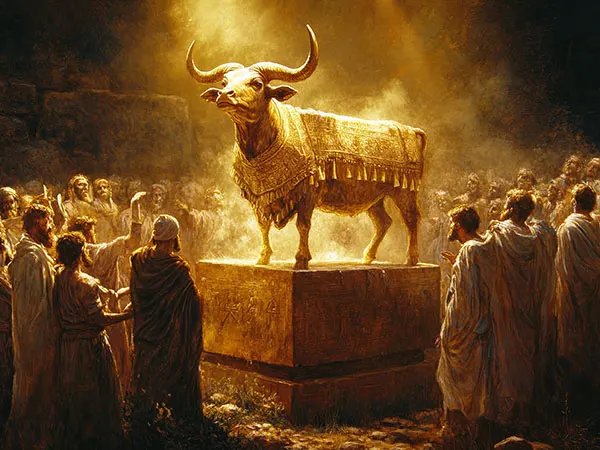
Article by John W. Ritenbaugh and Richard T. RitenbaughThe prophet Amos exposes the ancient Israelites' religion as syncretic, a blend of God's way and paganism, corresponding to this world's Christianity.