


Filter by Categories
No Pain, No Gain
Sermonette by Mike FordIn the vision of the future beyond the Millennium, a time is promised when God will wipe away every tear from our eyes. There shall be no more death, nor sorrow, nor crying, and there shall be no more pain, for the former things will have passed away. As mortal beings, it is hard to grasp the reality of a world without pain, a concept so incredible that it surpasses human understanding. Amidst the trials of daily life, we often lose sight of this awesome goal, forgetting our purpose when overwhelmed by challenges. In moments of intense suffering, when pain is immediate and overwhelming, it is difficult to see how such experiences can be for our good. Watching a loved one in agony, holding a bucket as they vomit blood, or seeing them bedridden for months, prompts the question of how this can fit into a beneficial plan. Yet, we must remind ourselves repeatedly that God knows what He is doing, and this suffering is part of His design, fitting into a pattern for good. Through countless answered prayers, even if small, we come to see that God is working with us. There is no middle ground; either He is guiding us, or He is not. If we recognize His presence, it is because He is actively shaping our lives according to His purpose. Difficulties will come and go, but for those who love God and are called according to His plan, everything that happens ultimately contributes to a greater good, leading us toward a future where pain is no more.
Guilt: Our Spiritual Pain
Article by David F. MaasPain, both physical and spiritual, serves as a critical warning system designed by the great God to alert us to danger or deviation. Physically, our bodies are equipped with millions of pain nerves that signal the central nervous system when harm or potential danger exists, such as injury or disease. Though the immediate desire in the face of excruciating pain is to eliminate it, masking pain without addressing the underlying cause can be harmful, as it overrides the body's natural alert mechanism. Spiritually, the equivalent of physical pain is guilt, which acts as a moral governor. This spiritual pain drives us to seek remedy and comfort, guiding us back to the right path. Without the capacity to feel this pain, we would stray hopelessly off course. Conscience, enhanced by the Holy Spirit, provides continuous feedback on our behavior, inflicting pain for wrongdoings and rewarding us with joy for right actions. However, repeatedly ignoring or masking guilt can lead to a seared conscience, rendering one incapable of remorse or change. We must value the capacity to feel both physical and spiritual pain, as it motivates transformation and guides us toward vibrant spiritual health in the image of our Savior Jesus Christ. Painful discipline, though grievous at the moment, ultimately yields the peaceable fruit of righteousness to those trained by it.
Jabez: 'That I May Not Cause Pain'
Sermon by Mark SchindlerIn the midst of a world filled with chaos and confusion, pain emerges as a persistent consequence of sin, echoing through the ages as described in Ecclesiastes, where even the greatest wisdom and knowledge under the sun produce grief and sorrow. Solomon laments that in much wisdom is much grief, and he who increases knowledge increases sorrow, highlighting the distress that accompanies a focus on worldly pursuits without God's guidance. This pain is not in God's nature but is the result of living under the divisive influences of sin, as seen in the violent disunity and riots that mark the current times, adding to the grief and sorrows of a self-centered world. The story of Jabez, born in pain as named by his mother, reflects the curse of sin from Genesis, where pain in childbirth was pronounced as a consequence of disobedience. Yet, Jabez's prayer to the God of Israel seeks a life beyond this curse, asking for blessings and protection from evil so that he may not cause pain to others. God grants his request, showing a path out of the cycle of sorrow through a focus on living as He lives, with outgoing concern for others. In contrast, the pain of sin continues to manifest in societal lawlessness, as seen in the historical accounts of Israel's moral decline and the violent pain ingrained in their culture. Pain is the inevitable outcome of breaking God's law, a reality that persists to this day, affecting all under the sun who lose sight of God's purpose. Even in personal suffering, as with Hezekiah, the focus can falter, leading to prayers driven by fear of death rather than God's glory, resulting in outcomes that perpetuate pain, as seen in the legacy of Manasseh. Ultimately, the call is to rise above the pain of this world by heeding God's still small voice, striving to live righteously, and praying as Jabez did, to be kept from causing pain through sin, aligning with the goal of emulating God's way of life for His honor and glory.
On the Mend
Sermonette by Joseph B. BaityAs God has designed the physical healing process, God has also designed spiritual healing, requiring that faith, suffering, and healing be part of the same process.
A Time for Thanksgiving (2008)
Commentary by John W. Ritenbaugh (1932-2023)Pain can be a wonderfully effective teacher. Hebrews 5:8 says of Jesus, Though He was a Son, yet He learned obedience by the things which He suffered. Hebrews 12:11 adds, Now no chastening seems to be joyful for the present, but painful; nevertheless, afterward it yields the peaceable fruit of righteousness to those who have been trained by it. The pain of economic crisis is already striking some, as work becomes harder to find and layoffs mount in major industries. Too often, we fail to see that the pain of suffering is an element of God's goodness. In Psalm 119:67, the psalmist says, Before I was afflicted, I went astray. If we permit it, pain corrects before things worsen. God brings pain and causes pain because He is good, saving one from a worse fate. Psalm 23 gives comfort, showing He will bring things to a better end if we trust Him. Though these are sobering times, they are also times to be thankful that God corrects through pain.
Trust in God and Stand in Awe
Sermonette by Clyde FinkleaThe Christian life is a life of faith, and one unavoidable reality every believer must learn to handle is pain and suffering. Without trials and difficulties, there can be no growth or maturity. If life were always predictably comfortable, there would be little reason to trust in God. Ecclesiastes 7:13-14 frames this reality well, noting that God has made both good times and bad times, so that no one can know what the future holds. Suffering, simply put, is anything that hurts or irritates, but in God's design, it is also something that causes us to think and grow. The apostle Paul serves as a powerful example. In 2 Corinthians 1:8-9, he describes being burdened excessively, beyond his own strength, to the point of despairing of life itself. His affliction was so severe that the only conclusion he could reach was that he was going to die. Yet this extreme suffering drove home a critical lesson: never trust in oneself, but in God who raises the dead. Three key purposes for suffering emerge from Paul's writings. First, suffering teaches total dependence on God rather than self. Second, it cultivates hope that God will deliver again. Third, it equips believers to comfort others who are suffering. After God delivered him, Paul's perspective shifted remarkably. In 2 Corinthians 4:17, he describes his former anguish as a "momentary lightness of tribulation" producing an eternal weight of glory. First Peter 1:6-9 reinforces this, explaining that trials test faith, which is more precious than gold, ultimately resulting in praise, honor, and glory at the return of Jesus Christ. Suffering is never easy because it genuinely hurts. But what it produces is priceless: holy, righteous character and an unshakeable trust in God. Just as Christ endured the cross for the joy set before Him, believers can endure their trials knowing that great joy is coming.
Laying Aside Every Weight (Part One)
CGG Weekly by David C. GrabbeWhat allows some to take the hits that life throws at them and keep going, while most tend to become mired in the muck and bogged down by life's troubles?
Comfort-Zone Christianity?
CGG Weekly by Richard T. RitenbaughGod does not want us to find a cozy comfort zone because that is when we are most likely to slip into dangerous spiritual drowsiness and complacency.
Repentance: The Genuine Article (Part Two)
CGG Weekly by Richard T. RitenbaughTrue repentance involves pain, particularly emotional pain. To repent is wrenching to the psyche. It really hurts because it is difficult to do.
Partaking in the Bread of Affliction
Sermonette by Hunter D. SwansonPain and affliction are integral to the journey of following God, often manifesting as personal struggles and societal challenges. As we partake in the ritual of eating unleavened bread during the Feast of Unleavened Bread, we are reminded of the bread of affliction, symbolizing the hardships endured by the Israelites during their exodus from Egypt. This bread also reflects the suffering of Christ, whose body was afflicted for our sake, as remembered during the Passover. In our own lives, we face various afflictions that bring pain, trouble, and suffering, especially as we approach the holy days with what are commonly called pre-Passover trials. These challenges can feel overwhelming, tempting us to isolate ourselves or adopt a selfish attitude, comparing our pain to others in a futile competition. Yet, we must resist such division, recognizing that each of us endures unique afflictions in our pursuit of righteousness. Living as followers of Christ in this world can itself feel like an affliction, bringing pain due to our circumstances. However, it is better to suffer for doing good than for straying into evil. Our pain, though sometimes intense, serves a purpose, as God keeps us on the necessary path, shielding us from greater harm that we might not foresee. The command to eat the bread of affliction for seven days during the feast highlights not only our individual struggles but also our shared experience as part of God's family. While we each face personal afflictions, we often forget the unity that comes from collectively denying this world and following Christ. Eating unleavened bread daily during this feast is an opportunity to embrace humility, serve God and each other, and build a mindset of overcoming together. Through our mutual affliction in suffering for Christ, we must strive for unity rather than division. When we eat the bread of affliction, we can trust that God does not ignore our struggles, and we are called to be grateful for the community of God's family. Christ is our bread of freedom and redemption from affliction, uniting us as a whole in His body.
Root Out Your Bitterness
Sermonette by Hunter D. SwansonBitterness is like a poison that springs from unresolved hurt, helplessness, or disappointment, leading to caustic sharpness in speech or behavior.

Why Does God Allow Us to Be Afflicted?
Sermon by Martin G. CollinsIn God's hands, trials and afflictions are tools to produce refined character and joy, and to move us away from worldly choices and back to His purpose.
A Band of Christian Brothers
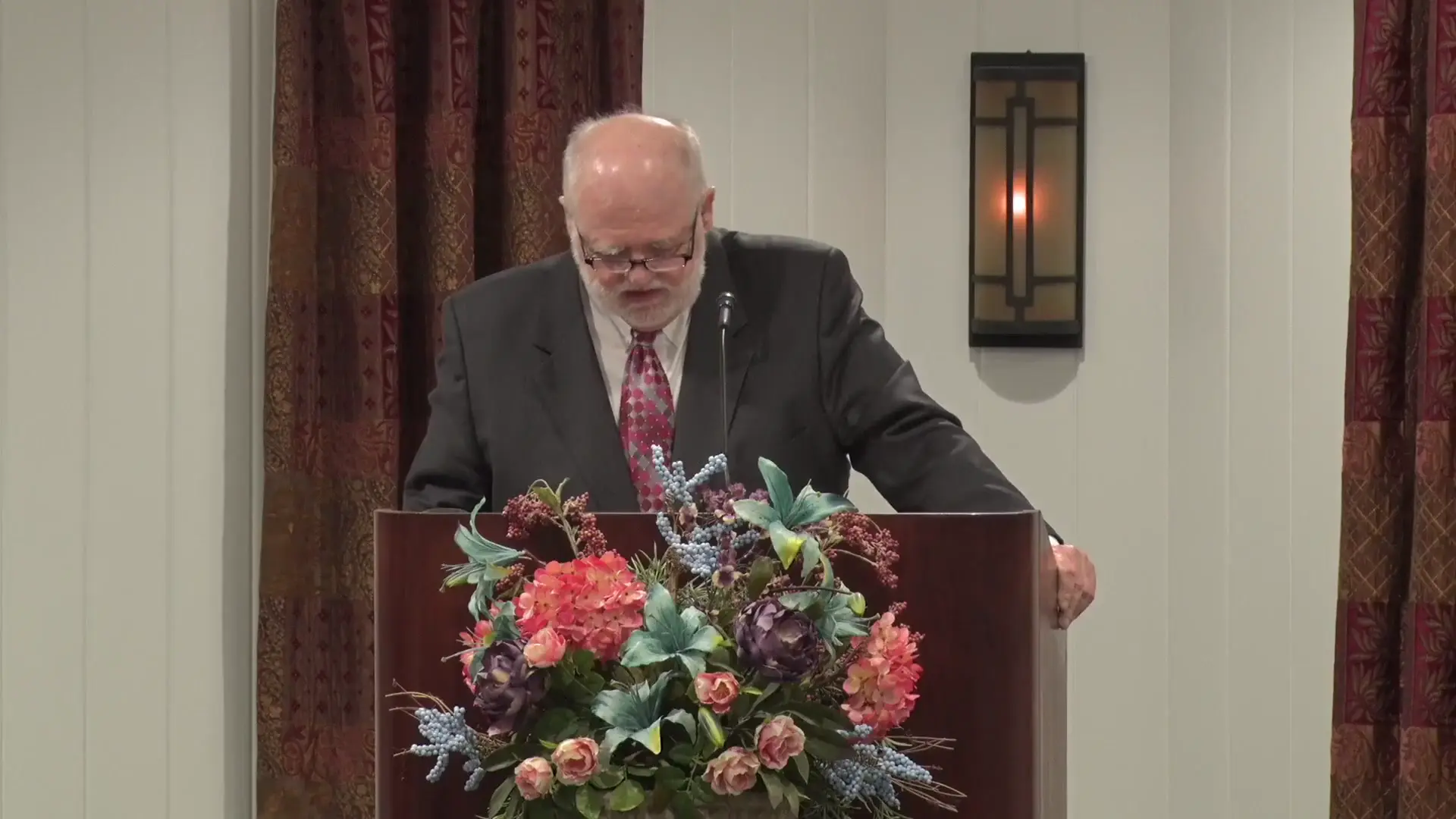
Sermon by Ted E. BowlingAs Christian soldiers in a spiritual battle, we are called to endure hardships and face times of pain, both physical and mental. There will be moments of sorrow that may lead to depression or even bitterness. These trials, often exploited by satan the devil, our enemy, aim to separate us from Jesus Christ and our God. Yet, we must stand firm, trusting in the strength and power of Christ to overcome. Just as soldiers in war endure suffering together, we too must endure with patience, maintaining a vision of the Kingdom of God as our goal. Through enduring these challenges without complaint, we glorify God and grow both individually and collectively with our brethren. Our Savior, Jesus Christ, leads us through these difficulties, never burdening us beyond what we can handle, and stands with us as we face every trial.
Ecclesiastes Resumed (Part Eighteen)
Sermon by John W. Ritenbaugh (1932-2023)We accept most of our opinions, prejudices, and beliefs unconsciously. We must scrutinize our own beliefs through the principles of God's Holy Scriptures.

Pride, Humility, and the Day of Atonement
'Personal' from John W. RitenbaughThe Day of Atonement, when God commands us to afflict our souls, is a day of self-evaluation and repentance to seek unity with Him and our brethren.
Lamentations (Part Six)
Sermon by Richard T. RitenbaughIn Lamentations 3, the narrator finally convinces Lady Jerusalem that her own sins have caused her necessary punishment and affliction by God.
God Is Preparing Us For the Kingdom
Sermon by Kim MyersToday, the church is experiencing more overwhelming trials than ever before, indicating that God is preparing His people for the end time.
The Book of Joel (Part One)
Sermon by Martin G. CollinsWhen Joel describes the devastating locust plagues, instead of promising a silver lining on a very black cloud, he says things are going to get intensely worse.
Never Again: God's Purpose For Bad Memories
Sermon by David F. MaasAfter God forgives our sins, He still allows residual memories of these transgressions to remain in our memories, evidently to help us in overcoming.
Wilderness Wandering (Part Five)
Sermon by John W. Ritenbaugh (1932-2023)Christ's suffering was not confined to crucifixion, but also consisted of rejection, humiliation, and the duress of persecution. Glory follows suffering.
The Providence of God (Part One)
Sermon by John W. RitenbaughCalamities, trials, anxiety, evil, and calamities, as well as blessings, happen to Christians in order to become fashioned and molded into God's image.
Matthew (Part Four)
Sermon/Bible Study by John W. RitenbaughMatthew's encapsulation of the Beatitudes, the essence of Jesus Christ's teaching, contains the foundation of His teaching through the entirety of His ministry.
Hebrews, Love, and the Ephesian Church
Feast of Tabernacles Sermon by John W. RitenbaughLike the Ephesians, the weary veterans in Hebrews were becoming apathetic through outside pressures, losing their former zeal and devotion to Christ.
Not To Reason Why
Commentary by Richard T. RitenbaughWhy did God allow this tragedy? Why do the good suffer and the evil prosper? We want answers to these questions, but Jesus points us in another direction.
Do Unto Others and Reap What We Sow
Sermon by John W. Ritenbaugh (1932-2023)Reaping good fruit does not happen immediately. If we feel we are not reaping, we must consider that we might be reaping some negative things we have sown.

Why Did Jesus Have to Die by Crucifixion?
'Ready Answer' by StaffCrucifixion is man's most cruel form of punishment. Why did Jesus need to die this way? What does it teach us? And was Jesus stabbed before or after He died?
The Price of Your Life
Sermonette byFilms try to depict the suffering and death of Jesus Christ, but have all fallen short of presenting the full dimensions of the event—the price of our sin.
God's Good Work in Us
Sermon by John O. ReidDespite the privileged position of our calling, God does not cut us any slack in terms of trials and tests to perfect us. We must accept God's sovereignty.