


Filter by Categories
Psalms: Book Four: All His Benefits
Sermon by Richard T. RitenbaughPsalm 103 extols God for all His benefits, carrying forward the elation, joy, and hope that close Psalm 102. Its overall theme is that God provides completely and is all-sufficient, so that nothing else is needed. David counts his blessings and recognizes that every good thing comes from God, urging the soul never to forget these benefits. The Hebrew term for benefits denotes recompense, yet in this psalm every instance reflects God's supreme goodness, whether deserved or not. Forgiveness of iniquities stands first, the atoning work accomplished on the cross, from which all other spiritual benefits flow because the relationship with God is thereby restored. The psalm centers on God's mercy and grace, showing that once sins are forgiven they are removed completely, as far as the east is from the west, and remembered no more. God is described as merciful and gracious, slow to anger, and abounding in mercy; He does not deal with people according to their sins nor punish according to their iniquities. His mercy is as high as the heavens above the earth toward those who fear Him, and it endures from everlasting to everlasting on those who keep His covenant and remember His commandments to do them. He heals diseases, redeems life from destruction, crowns with lovingkindness and tender mercies, satisfies with good things so that youth is renewed, executes righteousness and justice for the oppressed, and made His ways known to Moses and His acts to Israel. God pities those who fear Him as a father pities his children, remembering that they are dust and that their days are like grass. His throne is established in heaven and His kingdom rules over all. The psalm therefore reminds readers that these benefits require a response of fearing God, keeping covenant, and obeying commandments, yet these obligations remain small compared with the manifold blessings received. David concludes by calling all creation to praise God, reinforcing the Day of Atonement emphasis on human neediness and the consequent humility and gratitude owed to the One who supplies every physical and spiritual provision.
Psalms: Book One (Part Four)
Sermon by Richard T. RitenbaughDavid reminds us in Psalm 37 that we should not be concerned about the wicked, whose destiny is to perish, and that the righteous are infinitely better off.
Psalms: Book Four (Part Four): God as Creator
Sermon by Richard T. RitenbaughThe creation offers compelling testimony to the intricacies which preclude even the possibility of evolution. Evolution is a futile attempt to get rid of God.
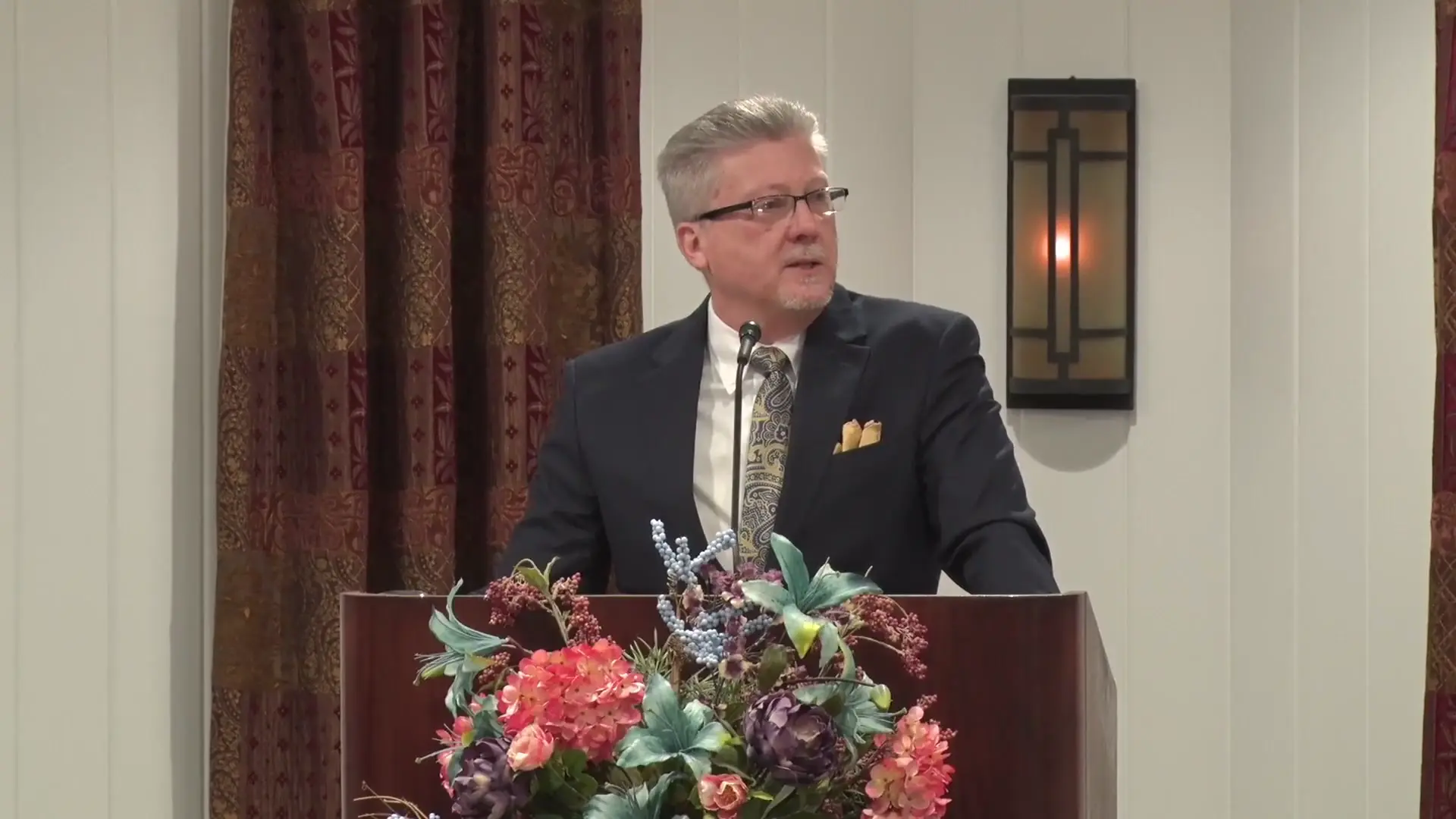
Psalm Genres (Part Six): Penitential Psalms
Sermon by Richard T. RitenbaughPsalm 103 is a profound expression of God's mercy and healing, reflecting the deep connection between spiritual and physical restoration. In verses 1 and 3, the psalmist declares, "Bless the Lord, O my soul; and all that is within me, bless His holy name! Who forgives all your iniquities, who heals all your diseases." These verses highlight a parallel between forgiveness of sins and healing of diseases, suggesting that physical ailments can serve as a metaphor for spiritual sickness caused by sin. This connection underscores the psalmist's understanding that true healing, whether of body or soul, comes solely from God's gracious intervention.
God Always Defaults in Mercy
Sermon by Clyde FinkleaAs we strive to be perfect as our Father in Heaven is perfect, we should be as merciful as Our Heavenly Father, making mercy our default.

The Beatitudes, Part 5: Blessed Are the Merciful
'Personal' from John W. RitenbaughMercy is a virtue that has gone out of vogue, though it is sometimes admired. Jesus, however, places it among the most vital His followers should possess.
Conduct of the New Life
Sermon by Martin G. CollinsDriving out the evil must be followed by cultivating goodness and righteousness. An antidote to depression is to get our hearts focused on someone else.
Sovereignty and Its Fruit: Part Ten
'Personal' from John W. RitenbaughOnce we accept God's sovereignty, it begins to produce certain virtues in us. Here are four of these byproducts of total submission to God.
Our Part in the Sanctification Process (Part Nine): Cultivating the Fruit of Gentleness
Sermon by David F. MaasBiblical meekness brings strength under control, enabling God's called out ones to tame the temper, calm the passions, managing the unruly impulses.
Offerings and Taxes
Sermonette by Richard T. RitenbaughDeuteronomy 16:16 does not specify the exact amount of the offering, but does ask us to make a thoughtful recollection of the benefits received from God.
The Sabbath: Redemption
Feast of Tabernacles Sermon by Richard T. RitenbaughGod has blessed us with the Sabbath, a period of holy time, when He redeems us from the clutches of our carnality and this evil world.
God's Good Work in Us
Sermon by John O. ReidDespite the privileged position of our calling, God does not cut us any slack in terms of trials and tests to perfect us. We must accept God's sovereignty.
God Heals Today
Sermonette by Richard T. RitenbaughThe doctrine of healing has always had a paramount position, declaring that through the stripes of Christ, we are forgiven and our bodies our healed.