


Filter by Categories
How Far Have We Fallen? (Part One)
Commentary by John W. Ritenbaugh (1932-2023)In our current times, we witness a profound shift in societal norms, echoing the warnings of Isaiah 5:20-21, where evil is called good, and good evil. This inversion mirrors a cultural decline where what was once deemed unacceptable has become the norm. Historically, changes in belief, conduct, and attitude occur gradually as information spreads, but today, the rapid flow of information accelerates these shifts, making adjustments in standards blur right from wrong. Unless strongly resisted, such changes overwhelm a culture, establishing a new, often degraded, normalcy. What was once unthinkable, like certain social practices, is now accepted as standard, reflecting a deep-seated normalcy bias where society adapts to and accepts deteriorating values as inevitable. This gradual decline signals a lessening of respect toward each other and an increase in self-centeredness, further entrenching these new norms.
Unprepared
Sermonette by Joseph B. BaityOnly those close to God will be able to handle the turmoil. No carnal solutions offered by survivalists will ultimately save us from these calamities.
Casuistry and Fanaticism
Commentary by John W. Ritenbaugh (1932-2023)President Obama's statement about accepting a high unemployment figure as the "new normal" exemplifies casuistry, a justification for lowering standards across various aspects of life in the United States. This phrase, "new normal," serves as a catchphrase for the administration's approach, suggesting that society must adapt to diminished expectations in morality, multiculturalism, marriage, homosexuality, political correctness, and even in matters of faith. This push to accept a redefined normalcy, driven by anti-God sentiments, liberal academicians, politicians, corporate figures, and theologians, strains at minor issues while promoting a broader, immoral shift in societal values that they expect Americans to embrace.
Never Saw it Coming
Sermonette by Joseph B. BaityThievery, both literal and metaphorical, is commonplace, but because of normalcy bias, we underestimate threat warnings, thinking that nothing will get in our way.

Leadership and Covenants (Part Two)
'Personal' from John W. RitenbaughIn the context of leadership failures and societal decline, a critical factor emerges in the form of normalcy bias, where people fail to recognize or react to the severity of their deteriorating circumstances. Isaiah 59 illustrates a culture in collapse, with citizens of Judah surrounded by chaotic immorality, yet they do not fully grasp the depth of their crisis. Despite their appeals to God for relief, they continue in the very sins that intensify their plight, showing a refusal to acknowledge the need for genuine change. This bias blinds them to the reality of their situation, as they cry out for mercy without repenting, expecting life to somehow return to a state of normalcy without addressing the root causes of their suffering. Similarly, in modern times, many in the United States observe the spiritual decline and fear its consequences, yet they too often fail to act decisively, holding onto a hope that things will resolve without substantial personal or collective transformation.
The Olivet Prophecy Paradox
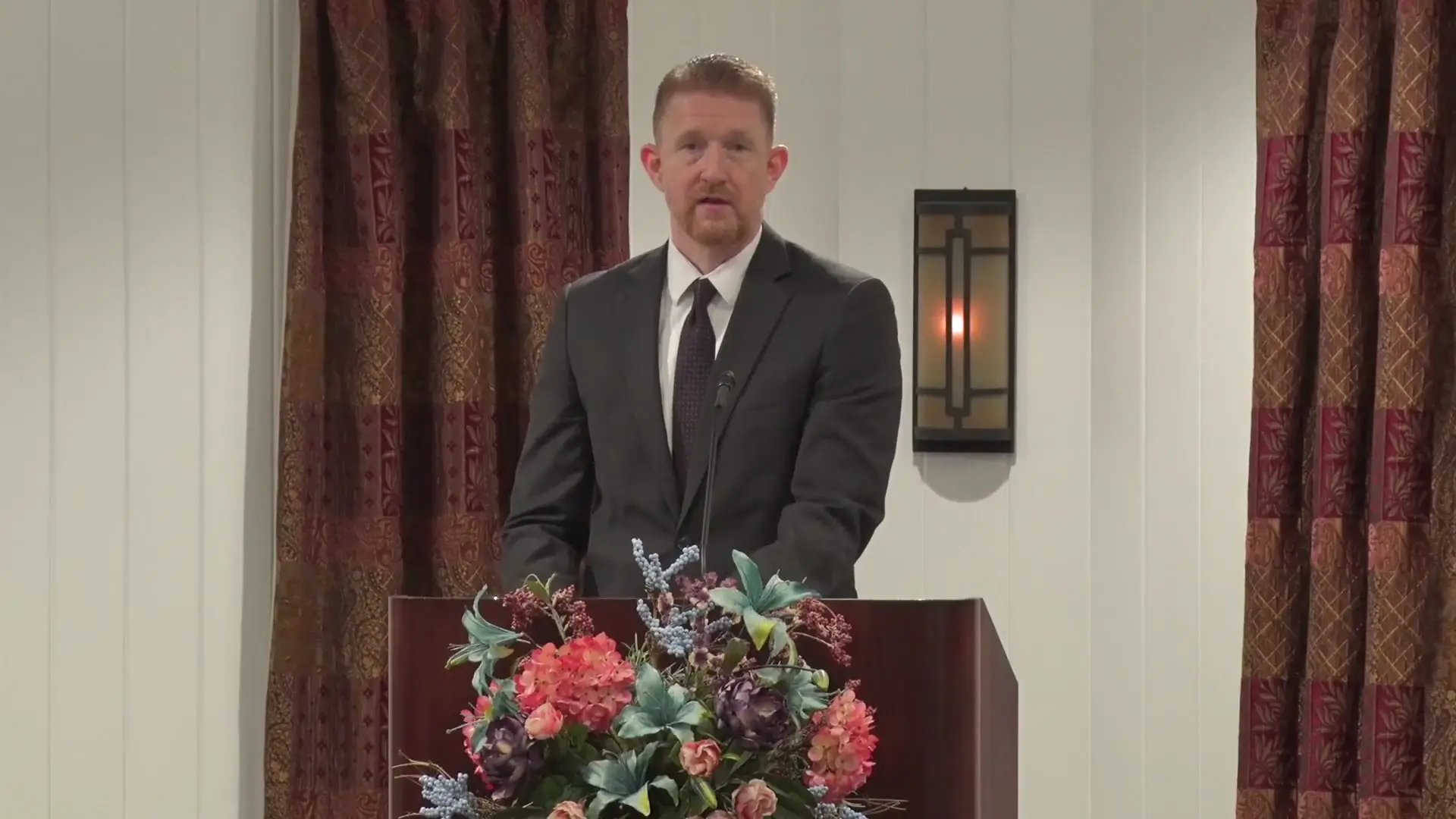
Sermon by David C. GrabbeIn the lead-up to the return of Christ, as described in the Olivet Prophecy, there exists a striking paradox where the worst of times will coincide with an appearance of normalcy among many. Jesus illustrates this in His references to the days of Noah and Lot, where people continued eating, drinking, marrying, buying, selling, planting, and building, oblivious to the impending destruction. His point is not that life will be overflowing with good times, but that His return will be sudden and unexpected, catching many unaware despite the surrounding turmoil. This paradox is further exemplified by the historical account of the Warsaw Ghetto during World War II, which serves as a sobering foretaste of end-time conditions. Even amidst extreme hardship, violence, famine, and disease, people strove for a semblance of normalcy. Some established cultural and educational institutions, while others, including the wealthy elite, frequented cafes and nightclubs, adapting to their dire circumstances in stark contrast to the surrounding horror. This adaptability, while a testament to human resilience, also reveals a danger: the capacity to normalize even the most degraded conditions. Jesus warns that this tendency to adapt can dull spiritual awareness, leaving many unprepared for His return. The cares of life and the world's enticements can weigh down hearts, causing individuals to overlook the urgency of spiritual preparation. Even in the intensity of the end times, people may adjust to rising sin and lawlessness, allowing their love for God to grow cold without realizing how far they have strayed. Thus, the call is to remain vigilant and prepare spiritually now, before the final time arrives, as it may then be too late to awaken to the need.
COVID-19 and Returning to Normal
Commentary by David C. GrabbeAs the disruptions of the COVID-19 event persist, there is a pervasive desire to return to the way things were, driven by an overwhelming urge to reclaim some semblance of pre-COVID life. This longing for normalcy often overshadows the deeper issues at play. Despite knowing that life will inevitably be hard at times, human nature harbors a subconscious belief that simplicity and convenience are owed to us, leading to shock, anger, frustration, and sadness when normalcy is disrupted. Yet, God has given His people more to consider than just personal discomfort. The normal state of this nation, marked by humanism and the rejection of God, includes scourges like abortion and homosexuality, alongside systems based on greed and globalism rather than God's providence. If God disrupts this normalcy as a response to such abominations, it challenges us to reflect on whether we truly desire a return to that state or if we should trust Him to guide us through these disturbances, recognizing His hand in the calamities and blessings alike as promised in His word.
Perspective Matters
Sermonette by Craig SablichThe material contains no discussion of normalcy bias. No sections address this concept in relation to the topics presented.
For the Children
Sermon by David C. GrabbeFor too many youths, God's way of life is not real because their parents are not fully convicted, but merely express a lukewarm preference for God's truth.
The Falling Away
Sermonette byThe scope of the prophesied falling away is obviously international, affecting the entire world, involving a dramatic global rejection of even basic truth.
Hedging Our Bet
Sermonette by Joseph B. BaityMankind desires to see into the future to control what is to come, realizing that knowing a future outcome can take the hazard out of decision-making.
Crisis? What Crisis?
CGG Weekly by Richard T. RitenbaughWe would recognize something as horrible as the Great Depression, right? We would know if we had entered the Crisis! But would we?
Are You Sharp-Tongued? (Part One)
'Ready Answer' by StaffThe tongue may be the most untamed beast on earth! James says we all offend in word. But James 3 is filled with wisdom regarding how we can overcome the beast.