


Filter by Categories
Qualifications of a Godly Judge
Sermon by Richard T. RitenbaughThe contrast between the United States Constitution's near-total silence on judicial qualifications and the Bible's detailed specifications for godly judges serves as the entry point into understanding what God actually requires of those He is preparing for His Kingdom. While a federal judge need meet no constitutional standard of age, citizenship, education, or experience, Scripture lays out explicit qualifications for those who will judge in God's Kingdom, because true Christians are currently in a process of confirmation for the offices of king and priest that await them. Beginning in I Corinthians 6:1-5, Paul rebukes believers for taking disputes before unrighteous outsiders instead of judging matters among themselves, reminding them that the saints will judge the world and even angels. This teaching carries several implications. First, the saints will be given thrones, dominion, and the powers of both king and priest, whose primary function is discerning between true and false, right and wrong, holy and profane. Second, resurrected believers will share a unique oneness with Christ, described as being His body and bride, joined so closely to Him that His authority devolves upon them to carry out the responsibilities He assigns. Third, the Christian life itself is a strenuous training period aimed at replicating Christ's character, not a passive wait for glorification; sanctification, cleansing, and the putting on of the new man are essential preparations for future rule. Fourth, and flowing directly from the first three, godly judges must meet specific qualifications, since if Paul condemned the Corinthians for entrusting earthly matters to the unrighteous, God will certainly require the most qualified judges for the far greater matters of His Kingdom. Two primary qualifications emerge from II Timothy 2. The first, found in verse 15, is the requirement to be diligent workers who rightly divide the word of truth—a call to know God's law thoroughly enough to discern godly principles even when Scripture offers no direct statement for a given situation, much as Moses' appointed judges and Israel's future kings were required to know and apply God's statutes continually. This competence is cultivated through study, prayer, meditation, and fasting, with the psalmist's praise of the law in Psalm 19 illustrating how God's statutes make the simple wise and the servant blameless. The second qualification, drawn from verse 21, concerns purity of character: being cleansed, sanctified, and made useful for the Master. This parallels Deuteronomy 16:18-20's demand that Israel's judges act with justice, without partiality or bribery, but exceeds mere integrity by requiring holiness itself—being without spot, wrinkle, or blemish, set apart as God's own possession. Ultimately, judging with righteous judgment, as Christ commanded in John 7:24, means not seeking one's own will but the Father's, following the example of Jesus Himself in John 5:30. The unresolved question left for self-examination is whether present spiritual "confirmation hearings" demonstrate readiness to meet these qualifications before Christ's return.
Was Joshua Required to Offer the Wavesheaf?
Sermonette by David C. GrabbeGod's requirements work together and no single instruction overrides the others. The phrase "when you come into the land" is general, referring to Israel's life in the land rather than the moment they crossed the Jordan. Deuteronomy 26 shows that other conditions modify it: Israel had to possess and dwell in the land, bring offerings to the place where God made His name abide, and go to the priest "in those days." Joshua understood this principle with the Passover. Exodus 12 did not mention circumcision, yet he saw that other commands required it first. In the same way, the Wavesheaf carried unstated requirements. God accepted only offerings from grain the Israelites sowed and harvested themselves, never from a foreigner's hand, so Israel could not offer the Wavesheaf, the heave offering of Numbers 15, or the Pentecost loaves in Joshua 5. The labor of reaping, threshing, winnowing, and grinding would also have profaned the First Day of Unleavened Bread, which is a day of no customary work. Holiness governs how we read what God has not spelled out. God's annual Sabbaths are sanctified, and what is offered, when, and how all matter to Him. Cain's offering was rejected, and Nadab and Abihu died for using profane fire. God does not take His holiness lightly, and neither should we.
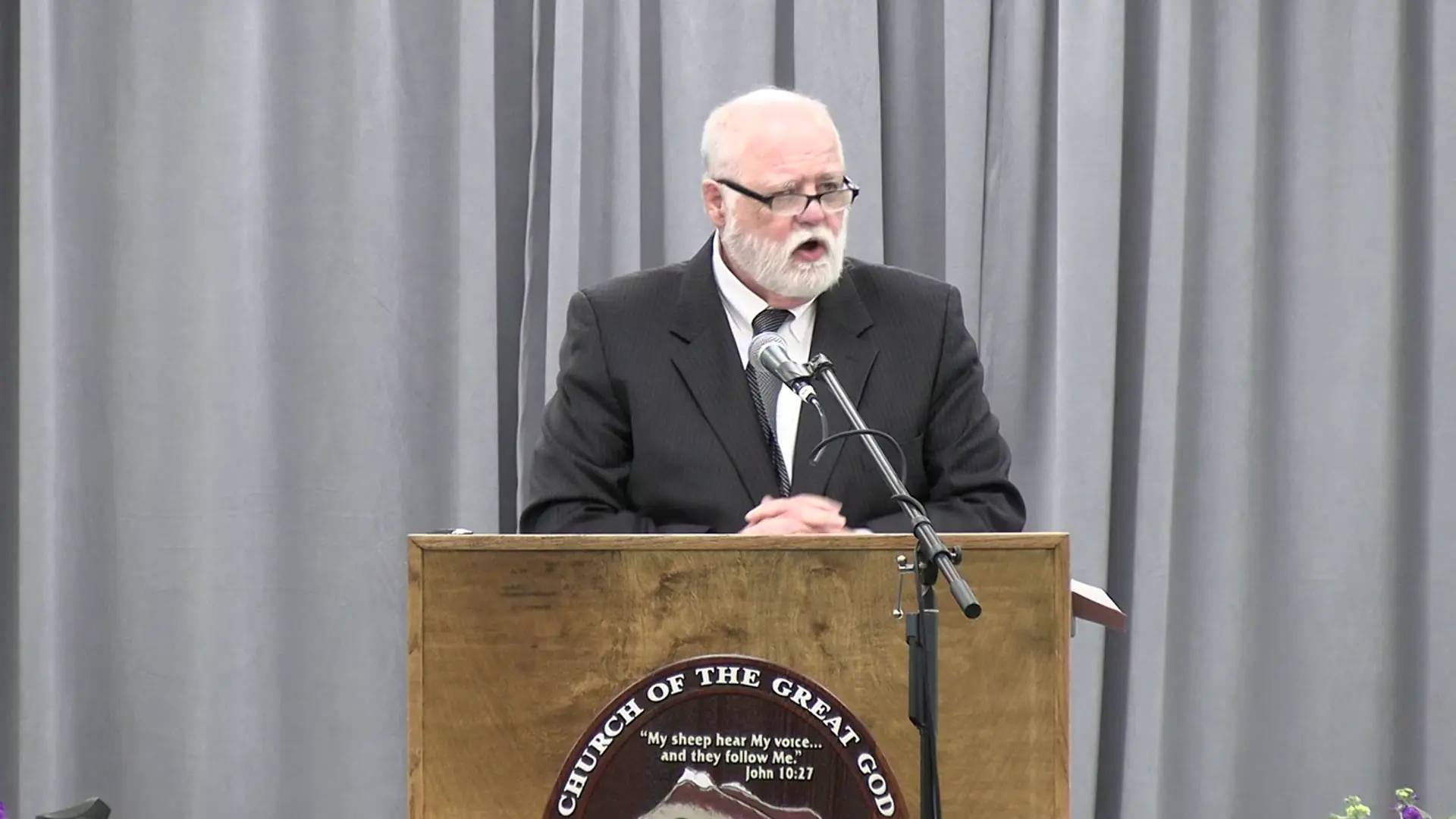
The Sentinels
Feast of Tabernacles Sermon by Ted E. BowlingBelievers are God's sentinels, chosen for a higher duty, guarding the truth with precision, humility, and reverence, honoring Christ's ultimate sacrifice.

Deuteronomy: Fear
Feast of Tabernacles Sermon by Richard T. RitenbaughWhen people allow fear to rule them, they lose their mind. Fear of God, however, is not mind killing, but inspires a reverential awe of the Creator.
Eternal Security (Part 2)
Sermon by John W. RitenbaughAll people will be judged according to the quality of their works after they make the covenant with God. Works are required and rewarded.
Consequences of Accepting False Gospels
Sermonette by Craig SablichMany false gospels appear among professed Christians, imitating Satan's clever lie that we can become like God by doing our own thing, disregarding God's law.
Leadership and Covenants (Part Twenty-Two)
Sermon by John W. Ritenbaugh (1932-2023)Much of Protestantism misconstrues the significance of the New Covenant as a 'free pass into Heaven' without paying attention to the Law within the Covenant.
Unity (2006)
Sermon by John W. RitenbaughLike the symphony orchestra, only as an instrumentalist submits to the leader, working with the other members of the ensemble, can unity be accomplished.
Maintaining Good Health (Part 13)
Sermon by John W. RitenbaughCommitment to a course of action is essential for physical or spiritual success. Faith motivates and sustains right action, protecting us from wavering.
Offerings (Part Two)
Sermon/Bible Study by John W. RitenbaughThe sacrifices teach us about the mind, heart, and character of Jesus. The burnt offering symbolizes complete devotion to God in every aspect of life.
The High Christology of Colossians
Sermon by Richard T. RitenbaughHigh Christology as a doctrinal stance was not enough to prevent the eventual apostasy of those in Asia Minor. Doctrine must produce the right conduct.
Leadership and the Covenants (Part Three)
Sermon by John W. Ritenbaugh (1932-2023)We are being trained to become leaders, but before we can lead, we must be able to carry out responsibilities, conforming to God's leadership and covenants.