


Filter by Categories
Legacy
Article by Richard T. RitenbaughGod tells us that a good man leaves an inheritance for his children's children. What kind of legacy will we leave our descendants?
Vision (Part One)
Commentary by John W. Ritenbaugh (1932-2023)'I Dreamed a Dream' from Les Miserables is a poignant reminder of the personal devastation that comes from not committing to a long-term vision of a good life.
The Providence of God (Part Three)
Sermon by John W. RitenbaughWe have to exercise faith, realizing the timing will be right for us, enabling us to accept His provisions and decisions for us without fear or anxiety.
Dealing With Change (Part Two)
CGG Weekly by David C. GrabbeThose who call Christ 'Lord, Lord' yet fail to do what He says face ruin when disaster strikes, while those who do what He says will weather the storm.
Themes of Ruth (Part Two): God's Providence
Sermon by Richard T. RitenbaughAs we count the 50 days toward Pentecost, we should consider the events of our lives, coming to understand that they reveal God's on-going maintenance.
Carelessness
Sermon by Richard T. RitenbaughCarelessness, indicative of not thinking, when reinforced or carried on into life, can be lethal or irreparable. Undervaluing our way leads to a careless lifestyle.
How Fear Resists Faith
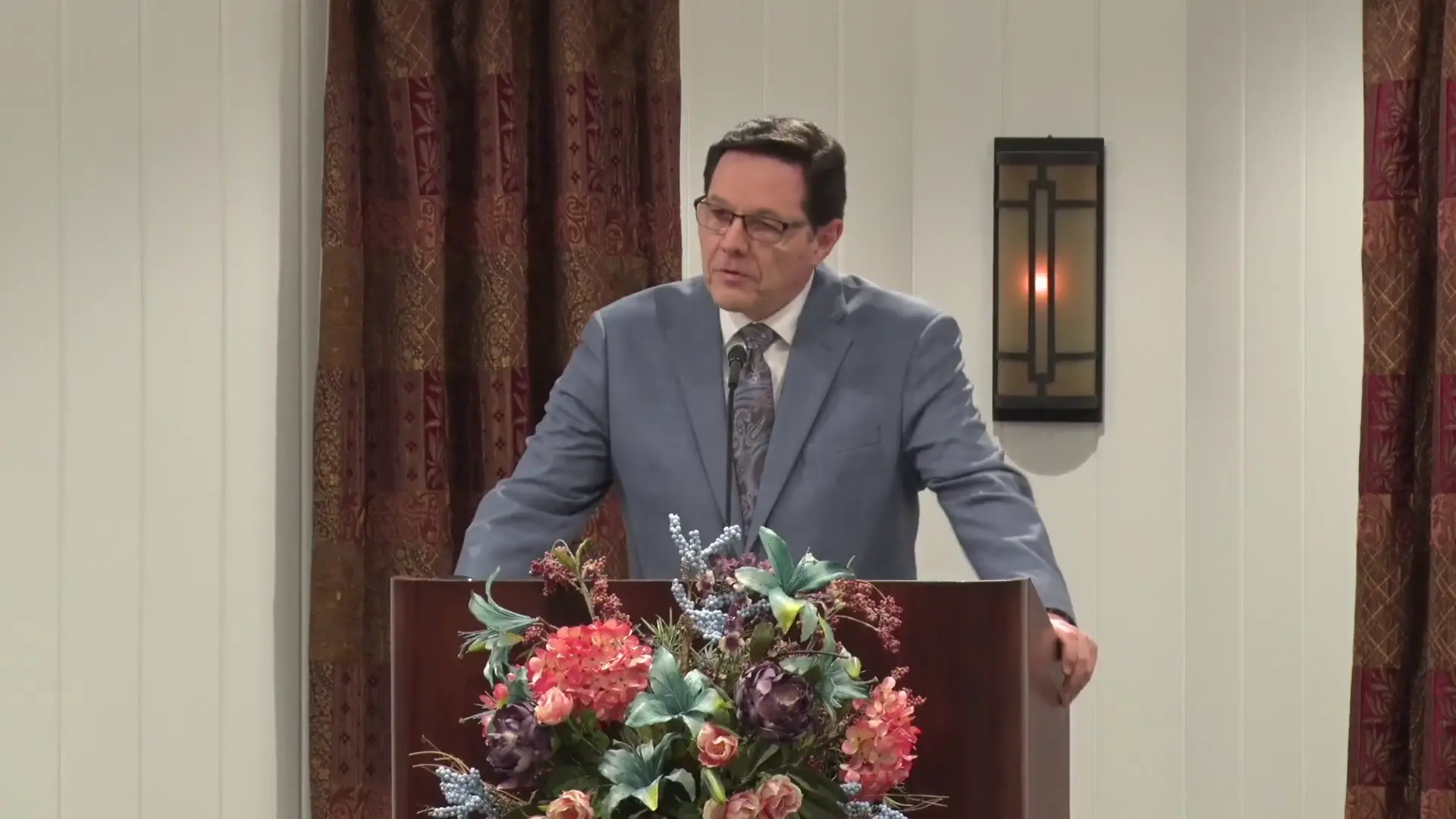
Sermon by Martin G. CollinsLegitimate forethought involves vision and preparation for the future, which Scripture commends as wise and productive. Careful planning requires thinking ahead about goals, steps, and schedules while trusting God's guidance, and when done well it eases worry rather than creating it. The farmer who plows, tills, and sows demonstrates this approach by reasonably considering results without spending all his time wondering or worrying about outcomes, knowing that proper planting combined with God's provision will bring growth. By contrast, paralyzing forethought consists of anxiety and fear about tomorrow that Scripture explicitly warns against. Matthew 6:34 instructs believers not to worry about tomorrow because tomorrow will worry about its own things and each day has sufficient trouble of its own. Planning for tomorrow uses time well, but worrying about it wastes time and allows fear to interfere with one's relationship with God. When thinking extends beyond the point of prudent preparation it becomes worry and anxiety that paralyzes action, cripples effectiveness, and leaves people wringing their hands while doing nothing. This distinction addresses the fear of the unknown that arises from temperament, past regrets, or uncertainty about future challenges. The remedy lies in stirring up the gift of God's Spirit, which supplies power to act, love to turn attention outward from self-concern, and a sound mind to maintain balance and self-control. With these resources believers can exercise legitimate forethought without being mastered by the unknown, live fully in the present, and move forward in faith rather than being frozen by anxiety.
Are We Redeeming the Time?
Sermon by Richard T. RitenbaughTime is fleeting; any of us could perish tomorrow. Procrastination in matters of godliness can be fatal, as the parable of the rich fool teaches.
Places of Safety (Part Two)
Sermonette by Ryan McClureGod has warned us what is to come; we now have time to refine our character, allowing God's Spirit to transform us into the image of Jesus Christ.