


Filter by Categories

This Body of Death
'Prophecy Watch' by Ted E. BowlingThe Romans would torture murderers by shackling them to their victims, a striking picture of a sinful individual's relationship with his iniquities.
Living by Faith: God's Grace (Part Two)
Sermon by John W. Ritenbaugh (1932-2023)God's grace supports and fulfills us, but it does not mean 'once saved,always saved.' It is possible to fall from grace, as Israel's experience demonstrates.
Living by Faith: God's Grace (Part One)
Sermon by John W. Ritenbaugh (1932-2023)Sometimes God's sense of justice seems unusual or strange to us, giving us many questions to ponder about fairness. Justice and fairness are not identical.
Elements of Motivation (Part Six)
Sermon by John W. RitenbaughEven though sin offers fleeting pleasure, we must learn to intensely hate sin, regarding this product of Satan as a destroyer of everything God loves.
Four Views of Christ (Part 7)
Sermon by John W. RitenbaughOur lives parallel what Christ experienced: crucifixion, burial, resurrection, and glorification. The death of self must precede resurrection and glory.
The Covenants, Grace, and Law (Part Twenty-Six)
Sermon by John W. RitenbaughChrist will empower us, but will not live our lives for us. The marching orders for our pilgrimage derive from God's Word, containing His holy law.
God of the Living
Sermonette by Clyde FinkleaJesus proclaimed that God was not the God of the dead but the living, identifying Abraham, Isaac, and Jacob, who were physically dead and in their graves.
Loving Christ and Revelation 2:1-7
Sermon by John W. RitenbaughThere is a direct relationship between loving Christ and doing the right works. God's love for us places us under a compelling obligation to reciprocate.
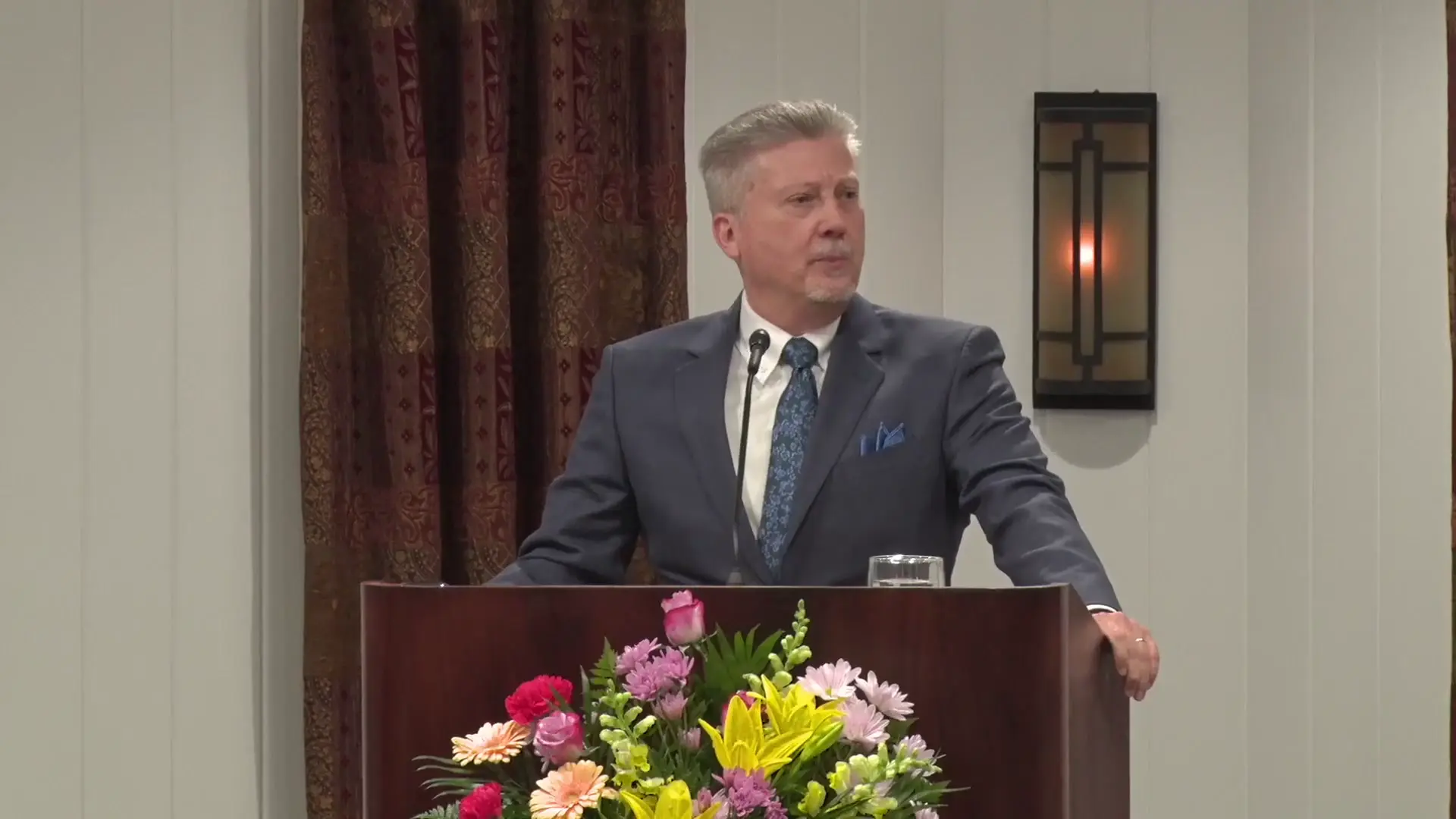
Peace, Peace (Part One): Peace with God
Sermon by Richard T. RitenbaughPeople are dead in their trespasses and sins, rendered as good as dead by the accumulated guilt that stands against them with no way of escape. Sin places every person under the sentence of death, as the wages of sin is death, and the carnal mind produces only death. This condition makes humanity perpetually at war with God, enemies in mind by wicked works, unable to subject itself to His law or seek Him rightly. The record of requirements stands as a perpetual accusation, mounting sin upon sin until the burden becomes overwhelming and people grow numb, sinning without restraint. This state of being dead in sin eliminates any possibility of peace with God, with others, or within oneself. The iniquities separate people from God, hide His face, and render peace impossible, for the way of peace has never been known where sin reigns. Priests and prophets may cry "peace, peace," yet the underlying reality remains one of guilt, wrath, and destruction. Christ's voluntary sacrifice addresses this dead condition directly. Through His death He makes the dead alive together with Him, forgives all trespasses, wipes out the handwriting of requirements that stood against them, and nails it to the cross. By this substitutionary atonement the guilt is removed, the chasm of sin is bridged, and reconciliation with the Father occurs. Justification by faith then grants peace with God, creating the environment in which those once dead can grow in righteousness. Only those called, converted, and given the Spirit have access to this peace, which must be sought and maintained so that the abundant life promised by Christ becomes possible.