


Filter by Categories
The Sixth Commandment (Part 2): War! (1997)
'Personal' from John W. RitenbaughIn the context of war and righteousness, there is a profound distinction between the wars of this world and the spiritual allegiance owed to God. Many killings have been committed in the name of God, with holy wars leaving marks of fear and bloodshed across regions like the Middle East, and even influencing conflicts in other parts of the world. These wars, often fueled by passionate conviction, mirror a belief in righteousness that places the perpetrators above crime or sin. Yet, even in so-called just wars, people must be stirred to anger and hatred to kill, transforming peaceful citizens into warriors through training and incitement, not unlike the frenzy of holy wars elsewhere. God's supremacy over the nations reveals a different path. Scripture shows that He, the supreme Creator and Ruler, has promised to fight for His people supernaturally, negating the need for them to shed blood, provided they obey Him. Instances like the parting of the Red Sea and the defense of Jerusalem demonstrate His power to intervene, as He instructed His people to stand still and witness His salvation. However, Israel's history reflects a pattern of weak faith and disobedience, often leading them to war despite His promises. Their doubt and dissatisfaction became motivators for conflict, even when God allowed it as a consequence of their choices. As citizens of a heavenly Kingdom, our loyalties and submission must go to God before all else. We are not of this world's systems and are called to refrain from fighting in its wars. Our position as ambassadors of that Kingdom means we do not have the legal authority to involve ourselves in the conflicts of human nations. The central command remains clear: we must not kill. If we obey God's commandments and exercise faith in His promises, He will fight our battles, ensuring we never need to resort to violence. Only at the establishment of His Kingdom on earth will we participate in battle under His divine authority.
Trumpets Means War!
Sermon by Richard T. RitenbaughThe Day of Trumpets signifies war in which the armies opposing the return of Jesus Christ are destroyed. God is a God of war who fights for His people against their enemies. He taught David how to wage war effectively. Jesus Christ will make war upon His enemies at His return. Righteous war occurs only when God commands it. God engages in war to destroy those who have become so wicked that they cannot repent, preventing further spread of evil. He also goes to war when His people are attacked without cause. The resurrected saints will form an army that wages war in righteousness and holiness. This war leads to complete victory for God and His forces, after which peace can be established for a thousand years.
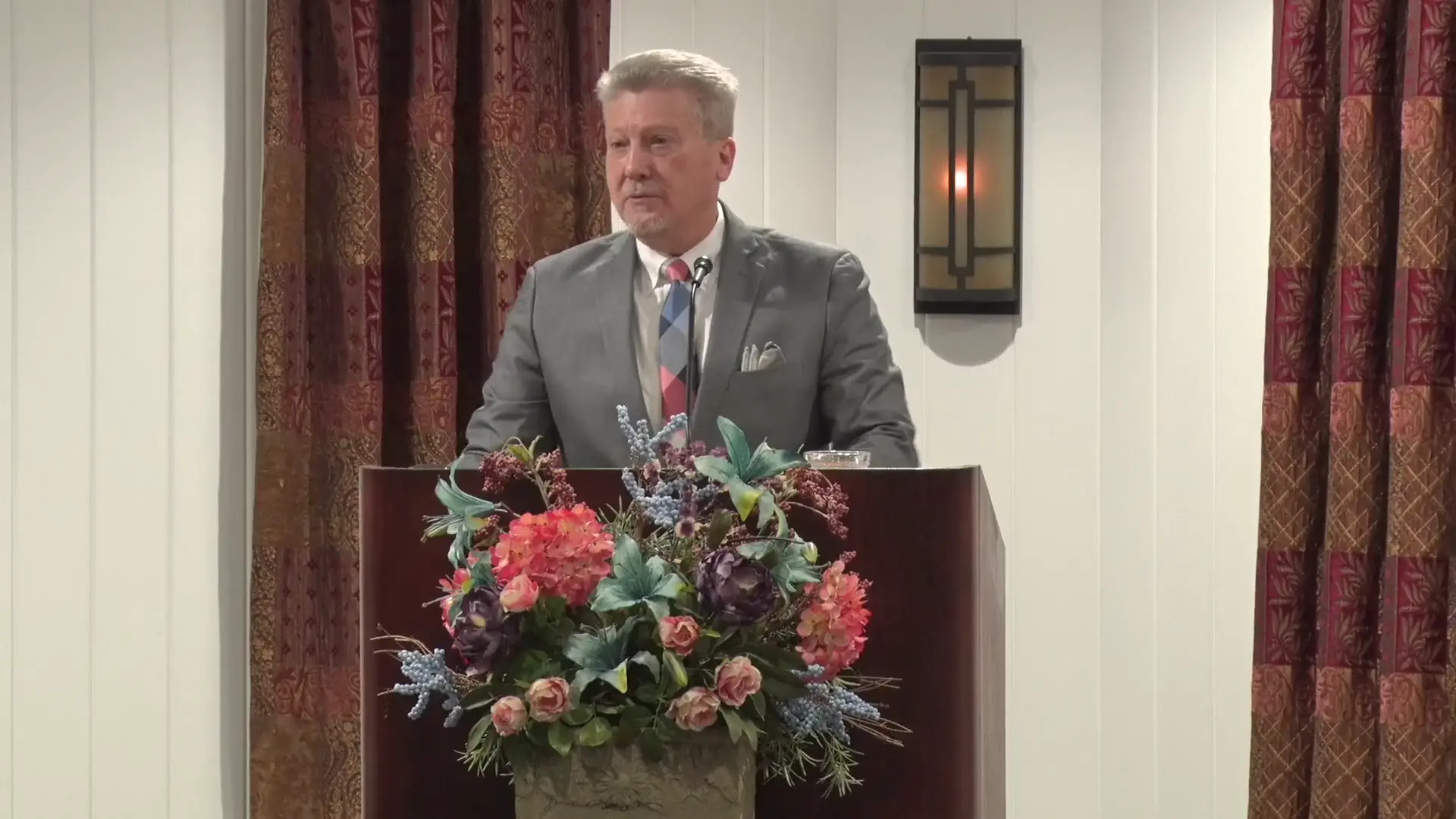
The Divine Warrior
Sermon/Bible Study by Richard T. RitenbaughGod is presented throughout Scripture, from Genesis to Revelation, as the Divine Warrior, and this is intrinsic to His character rather than a borrowing from the war gods of neighboring nations, as liberal commentators claim. Exodus 15:3 ("The Lord is a man of war") and the Red Sea crossing set the pattern: God lets His people reach a situation only He can resolve, promises to fight for them, tells them not to fear, springs a trap on the enemy, and brings His people through unscathed. This victory foreshadows Christ's victory over Satan, which requires only faith from us. The Commander of the Lord's army who appears to Joshua, the title "Lord of hosts," and Christ's return in Revelation 19 show Him as impartial and sovereign, opposed only to sin, whether in the nations or in Israel itself. The commands to destroy the Amorites and Amalekites are justified by Romans 1 and 9. The nations knew God and were without excuse, and as Creator and Judge He may righteously punish their guilt and use Israel, Assyria, or Babylon as His instrument. Such punishment is not necessarily eternal, since those destroyed will be raised in the general resurrection and offered salvation. Christ will finally make war personally and righteously, never losing a battle, to bring justice to the wicked and peace to the faithful.

The Sixth Commandment
'Personal' from John W. RitenbaughThe sixth commandment, forbidding murder, is rare among the Ten Commandments in that a clear line can be drawn between its commission and its consequences.
The Commandments (Part Fourteen)
Sermon/Bible Study byMany biblical examples illustrate that when the leader put his faith in God and submitted himself to God's rule, God supernaturally protected His people.
Do You See God in Deuteronomy?
Sermon by John W. Ritenbaugh (1932-2023)God displaced the Amorites because they had defiled the land; not one righteous person existed. Israel was warned not to defile themselves with demonism.

Spiritual Strongholds (Part One): Obedience
Sermon by Martin G. CollinsJoshua quickly acquiesced to God, realizing that it is not a question of God being with us; we must yield unconditionally to the sovereign will of God.
Abraham (Part Six)
Sermon/Bible Study by John W. RitenbaughAbraham was willing to lay down his life to rescue his nephew Lot. His sacrifice shows us what kind of effort and sacrifice is needed to wage spiritual war.