


Filter by Categories
Hear the Word
Sermonette by Mark SchindlerWe must invest as much energy into understanding the messages as went into preparing them, regardless of the idiosyncrasies of those delivering them.

Why Was Hebrews Written? (Part Eleven): God Is Not Silent
'Personal' from John W. RitenbaughIn the midst of national turmoil and uncertainty, the importance of hearing God's Word stands as a critical reminder. Salvation depends not on what we see, but on how well we listen, believe, and put into practice what glorifies Him. As Hebrews 2:1-3 admonishes, we must give earnest heed to the things we have heard, lest we drift away. Neglecting this great salvation, first spoken by the Lord and confirmed by those who heard Him, risks dire consequences. The truth of God's words remains steadfast, regardless of who speaks them in our day; the vital element is whether the hearer makes proper use of them.
The Beauty of God's Law
Sermon by Richard T. RitenbaughMany in the world harbor a natural antagonism and conditioned aversion toward God's Word, failing to perceive its inherent beauty. This hostility stems from the carnal mind, which, as described in Romans 8:6-7, is enmity against God and cannot be subject to His law. Human nature, influenced by selfish desires and external pressures, rejects God's instruction, viewing it as a curse rather than a blessing. People suppress the evident truths of God, revealed through creation and His Word, choosing instead to pursue unrighteous desires, as seen in Romans 1:18-25. They ignore the ubiquitous presence of God's Word, refusing to listen or subject themselves to it, even when it is readily accessible. This rejection is a purposeful denial of God's authority, as individuals prefer a theology that demands nothing of them and offers rewards without obedience. Romans 1:28 illustrates how God, in response, gives them over to a debased mind, allowing their rebellion to run its course, often leading to grief and destruction. They blame God's law for their troubles, unwilling to admit their own carnality and sin, as highlighted in Romans 7:5-14. Instead of recognizing the law as holy, just, and good—a tool for righteousness—they see it as obsolete and harsh, deflecting guilt back to God and His instructions. Consequently, these individuals cannot appreciate the beauty of God's Word. They label those who adhere to it as legalists, missing the purpose of striving to please God and achieve holiness. Their hostility toward God's law blinds them to its goodness, preventing them from seeing it as a source of life and communal harmony, as intended by God.
Peace, Peace (Part One): Peace with God
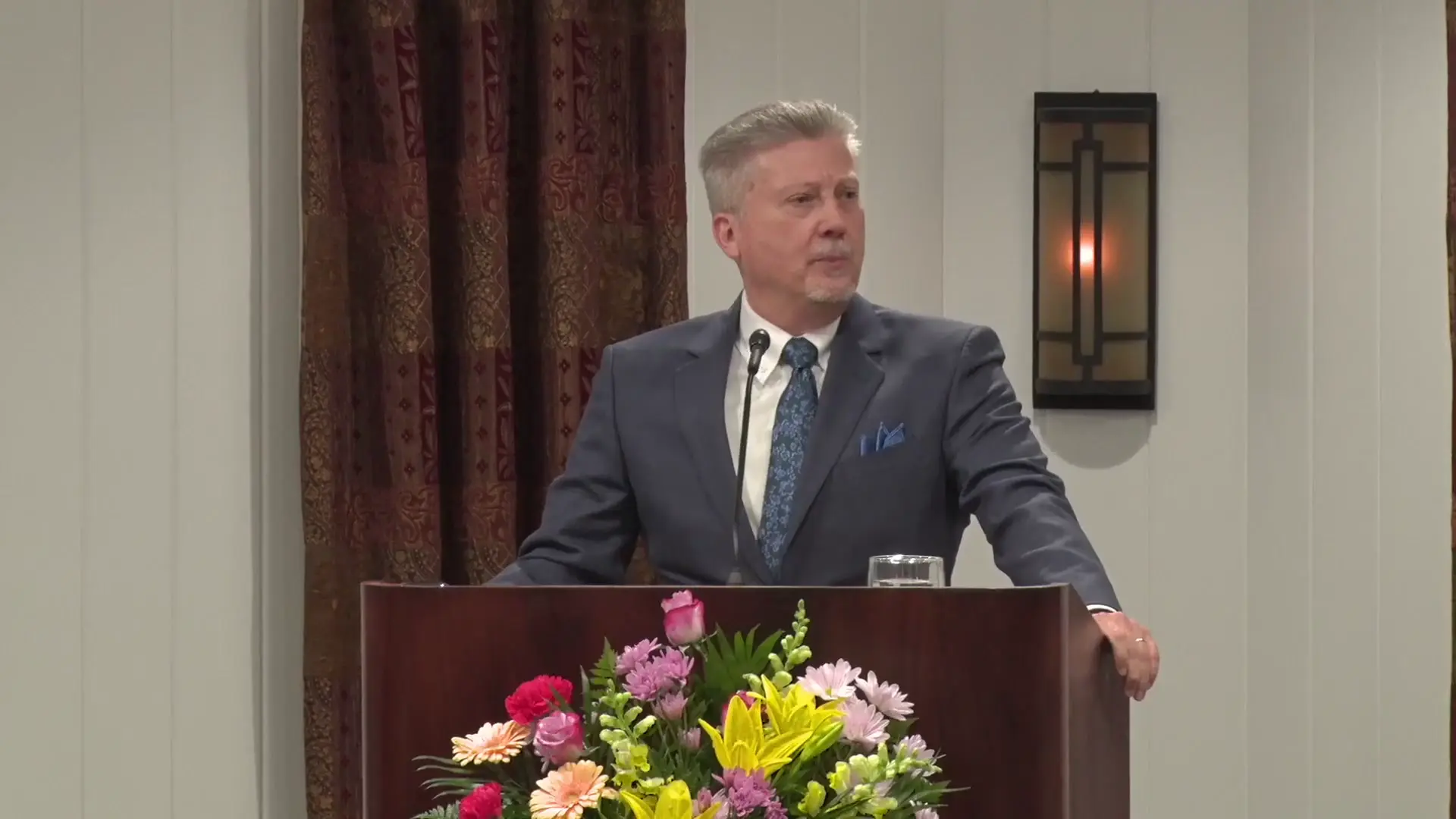
Sermon by Richard T. RitenbaughIn Jeremiah 6:10-15, God expresses profound frustration with the people of Judah for their refusal to heed His warnings and calls to repentance. He questions to whom He can speak and give warning that they may hear, noting that their ears are uncircumcised, rendering them incapable of giving heed. The word of the Lord has become a reproach to them, and they take no delight in it. This rejection fuels God's fury, as He grows weary of holding back His judgment, declaring that He will pour out His wrath upon all, from the children to the aged, due to their covetousness and deceit. Their persistent refusal to listen to His word leads to the inevitable consequence of punishment, as He promises they shall fall and be cast down for their unashamed abominations. The priests and prophets, tasked with turning the people back to God, fail spectacularly by offering false comfort with cries of "Peace, peace!" when there is no peace. Instead of arousing the people to repentance for their deep sinfulness, they mollify them, ignoring the evident signs of impending wrath. Their dishonesty prevents the people from acknowledging the truth of God's anger and His readiness to show mercy if they return to Him. This failure to hear and convey God's word truthfully exacerbates the spiritual crisis, ensuring that the people remain blind to the reality of their situation and the urgent need for repentance.
Hearing and Understanding the Truth
Sermonette by Cody FordThe world's widespread devotion to Christmas illustrates a deeper spiritual reality: most people simply cannot hear God's Word, even when confronted with clear truth. Statistics showing that 93% of Americans celebrate Christmas, spending enormous sums and effort on it, reveal not sincere conviction alone but an inability to perceive spiritual truth apart from God's calling. John 6:44 establishes that one must be called by God the Father to come to Christ, while I Corinthians 2:12 explains that the Holy Spirit is necessary to understand God's Word. This explains the puzzling phenomenon of people who accept certain biblical truths, such as the seventh-day Sabbath, yet reject others, like the pagan origins of Christmas, or vice versa, as seen in examples of a Sabbath-keeping homesteader who still observes Christmas, and a creation teacher who despises the Sabbath despite sound biblical teaching elsewhere. II Timothy 4:4 warns that people will turn from truth to myths because they will not tolerate sound teaching, fearing disruption to their worldview. Christ's own words in Matthew 13:10-17 confirm this pattern, quoting Isaiah's prophecy that people would hear without understanding and see without perceiving, their hearts grown dull and their ears hard of hearing, lest they should turn and be healed. Isaiah 44:18 similarly describes minds and eyes "plastered over" so that people cannot see or understand. Yet Christ also declares that those willing and open to God are blessed, for they see and hear what many prophets and righteous men desired but did not receive. This willingness to seek and remain open to God stands as the dividing line between those who hear and those who do not. The historical origins of Christmas—rooted in Roman Saturnalia, Germanic Yuletide, and later blended with the nativity by the Catholic Church, along with Santa Claus modeled after Odin and lights meant to ward off evil spirits—demonstrate that this holiday holds no truth. John 4:24 affirms that God must be worshiped in spirit and truth, and God would never command observance of something built on falsehood. The world's inability to perceive this stems from lacking true purpose; without God's calling, people pour themselves into pagan holidays, sports, politics, or business, searching unconsciously for meaning that only comes through answering God's call. This contrast between the world's deafness and the believer's calling carries a responsibility: once God opens the mind to truth, guarding and growing that understanding becomes essential. I Timothy 4:14-16 urges continual meditation on and devotion to the gift received through calling, while II Peter 1:10 exhorts diligence in making one's calling sure. I John 4:4-6 distinguishes those who are of God and hear His truth from those of the world who speak worldly things and are heard by the world, marking the difference between the spirit of truth and the spirit of error. Hebrews 2:1 warns against drifting away by failing to give earnest heed to what has been heard, particularly in remaining firm with children facing peer pressure toward worldly holidays. Ultimately, hearing God's Word is not universal but a privilege demanding vigilant protection and growth.
The Patterns of God
Sermon by John O. ReidThe Seven Bowls or Vials of God's Wrath represent the culmination of divine judgment upon a disobedient world, as depicted in the sequence of catastrophic events following the sounding of the seventh trumpet. These seven last plagues, comprising the third woe, are poured forth on mankind as a final act of correction. They come after a series of devastating trumpet plagues that bring immense suffering, including vast military conflicts and natural disasters orchestrated by God to demonstrate His authority. Despite the horrors of preceding events, mankind remains unrepentant, filled with hatred and defiance against God's will. The pouring out of these vials signifies God's ultimate response to this rebellion, ensuring that every people, race, and nation finally listens to Him as everything else is stripped away. The last punishment within the seventh trumpet includes a great plague of hail, with hailstones weighing from 75 to 130 pounds, symbolizing the complete attention of the world to God's power. Through these vials, God brings an end to the wars and false beliefs that have plagued humanity for millennia, ushering in a time of unprecedented peace and national repentance.
Living By Faith: God's Justice
Sermon by John W. RitenbaughIn order to live by faith, we must understand God's sovereignty, God's character, and God's justice, realizing that we do not see the entire picture.

What Restrains the Man of Sin?
'Prophecy Watch' by Charles WhitakerII Thessalonians 2 speaks about a force restraining the man of sin, the lawless man. Such a leader cannot rise and dominate in a law-abiding culture.
Beware the Second Flood (Part Two)
CGG Weekly by David C. GrabbeOur minds adapt to what we focus on. We can damage or even destroy faith through abuse or neglect. Without being refreshed in what He says, faith weakens.
Truth (Part 2)
Sermon by John W. RitenbaughOnly a converted person humbles himself before the truth, making a conscientious effort to follow the light of evidence, even to unwelcome conclusions.
Is the United States a Christian Nation? (Part Seven)
Sermon by John W. Ritenbaugh (1932-2023)When the U.S. Congress wanted to put 'In God we Trust' on currency, the Seventh Day Adventists objected, arguing that the U.S. has never been a Christian nation.
Many Are Called, But Few Are Chosen (Part Seven)
Sermon by Martin G. CollinsThe letters to the seven churches of Revelation warn of losing our first love, heeding false teachers, compromising God's Truth, and forgetting right doctrine.
Wilderness Wanderings (Part One)
Sermon by John W. Ritenbaugh (1932-2023)Israel's trek was not only a physical journey, but a mental wandering caused by rejecting God's leadership. The potential to sin is a test of resolve.