


Filter by Categories
Our Bread of Life
Sermon by Richard T. RitenbaughIn the context of the Feast of Unleavened Bread, the most crucial lesson centers on partaking of the Bread of Life, who is our Savior Jesus Christ. Are we continually eating of this Bread by learning of Him and utilizing His Spirit to grow in His image? Through His life being lived in us and our steadfast submission to God's will, we will be saved. We will be raised on the Last Day and live forever. As we move beyond this feast, let us persist in feeding on our Bread of Life.

The Model Prayer (Part Six): Our Daily Bread
Bible Study by Richard T. RitenbaughJesus Christ titles Himself the Bread of Life: "the bread of God is He who comes down from heaven and gives life to the world" (John 6:33). Physical bread, like the manna God supplied daily in the wilderness, points to a higher spiritual reality, and Christ is its ultimate antitype. He not only gave His life in sacrifice for the remission of sins, but also gives His flesh and blood to those who believe in Him so they can have eternal life. The metaphor, which the Jews found horrific and macabre, parallels other scriptural figures such as putting on Christ, putting on the new man, and walking in His steps. In John 6:56, "He who eats My flesh and drinks My blood abides in Me, and I in him," the verbs eats and drinks are present participles indicating ongoing activity. Those who continually feed on Christ, which means learning about Him, obeying Him, imitating His example, and growing spiritually, remain in an active relationship with Him. Because of this, the request for daily bread covers far more than food for the stomach. It asks for complete nourishment of body, mind, and spiritual life, since the only sure, life-giving sustenance comes from God Himself.
Why Do We Observe Unleavened Bread? (Part Two)
CGG Weekly by David C. GrabbeChrist is the Bread of Life, and because He epitomizes the absence of corruption, this Bread is entirely unleavened. The daily eating of unleavened bread during the Feast corresponds to what Jesus says in John 6:53-58: unless we eat His flesh and drink His blood, we have no life in us. Those who do so have eternal life, will be raised at the last day, abide in Christ and He in them, and live forever because of Him. This Bread is far greater than the manna, which could not keep the fathers from death. These gifts hinge on eating and drinking, and the verbs in these verses (eats, drinks, abides, feeds) indicate ongoing action. Abiding in Christ therefore depends on continuously eating the spiritual unleavened bread, which means taking in His Word and consuming His involvement in our lives. This is something we must always be doing. If we neglect it, these incredible privileges could slip through our uncaring hands. Eating the Bread of Life is also what makes possible the third aspect of the Feast, putting sin out of our lives. Without being delivered by God and without feeding on Christ, we cannot remove corruption as God requires.

The Bread and Wine of Passover
Sermon by David C. GrabbeWhen Jesus uses bread to represent His flesh or body, it is consistently a symbol of life. He speaks of bread that endures to everlasting life, the bread of God, the bread of life, and the living bread. He says that He is the living bread, which indicates that His flesh is not merely something that leads to eternal life, but within this metaphor His flesh is living. The picture is of living bread, indicating living flesh, and thus a living body. At the end of the relevant verse He says He would give His flesh for the life of the world. Another way to understand this is that Christ lived His life so that the world in time could likewise experience life as He lived it. That is, His complete and sinless life would be a gift that everyone can receive. Those who receive the life He gives are then sustained by Him. It is about becoming one. The metaphorical bread that is His flesh can only provide true satisfaction and immortality because of its absolute purity. There was nothing in His life which we share now to separate Him from God. The bread of life is a symbol of the sinless life that Jesus lived, which He offers to His followers. When partaking of His flesh occurs, the action is taking in and being joined to His sinless life. Eating the bread symbolizes the living Savior abiding in the participants and their abiding in Him. Thus they eat living bread to continue their connection to Christ and the others who are also eating of the living bread. Eternal life which the bread represents comes from knowing Him and the Father. So eating the bread is about the ongoing relationship rather than atonement. One of the reasons Christ came in human flesh was to give eternal life after He wipes the slate clean. As the ingestion of Him proceeds, He lives His life in the participants. If faithfulness to this feeding process remains, He sustains them as bread does and He will give everlasting life in the resurrection. Eternal life comes through the living Savior abiding in them, teaching them how to live, and thus the bread is a symbol of divine life. The bread of life imparts spiritual strength.
James and Unleavened Bread (Part One)
Sermon by Richard T. RitenbaughThe book of James applies to us after the sanctification process has begun. The most effective way of eliminating sin is to do righteousness.
Filling the Void (2012)
Sermonette by David C. GrabbeTry to satisfy a spiritual hunger through any other means than the Bread of Life, such as entertainment, technology, money, travel, etc. will leave us disillusioned.
Was Jesus Christ's Body Broken?
Sermonette by David C. GrabbeWas Jesus Christ's body actually broken? If so, it would have symbolized disqualification and a broken covenant. Only the bread of Passover was broken.
Have You Had Your Manna Today?
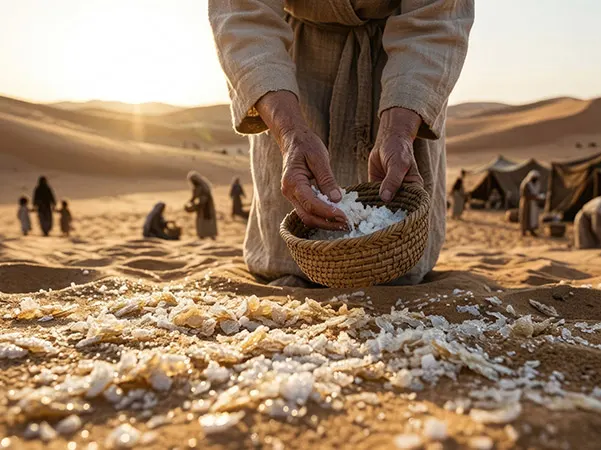
'Ready Answer' by StaffGod gave Israel manna to eat every day for forty years. Today, we have God's Word as our daily bread. Are we taking advantage of it, or are we allowing it to spoil?
Is the Passover Just a Sin Offering? (Part Four)
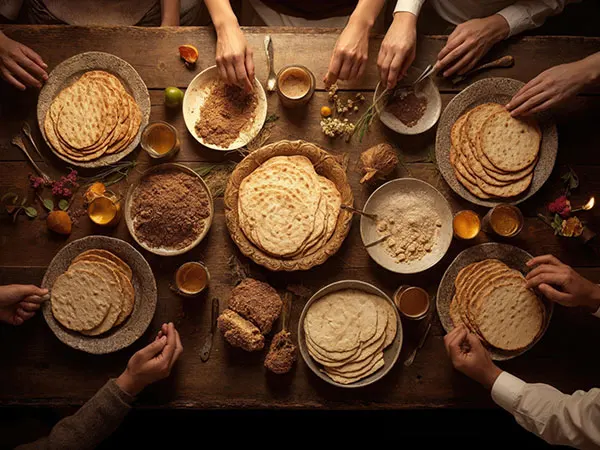
Article by David C. GrabbeThe unleavened bread of Passover represents Christ's living body, so it symbolizes life, even eternal life, rather than death. Throughout Scripture bread is the staple of the diet and stands for food and the substance of life, a heavenly gift. Yet God teaches that physical bread cannot truly satisfy; man lives by every word of God (Deuteronomy 8:3; Isaiah 55). Only the true bread from God sustains life and satisfies the inner hunger that nothing physical can fill. Jesus declares, "I am the bread of life," and "I am the living bread which came down from heaven," promising that whoever eats of it will live forever (John 6). Because this bread is living, the flesh it represents is living flesh, and the bread given "for the life of the world" is His abundant, eternal life, not merely payment for sin. The bread also pictures the sinless life Jesus lived, which grants access to the Father. We are reconciled by His death but saved by His life (Romans 5:10). Forgiveness alone does not give eternal life; Christ must also live in us. Eating the bread symbolizes the ongoing relationship in which He abides in us and we in Him, sustained by consuming and applying His Word. This life will culminate when the Passover is fulfilled in the Kingdom.
Was Jesus Christ's Body Broken? (Part Three)
CGG Weekly by David C. GrabbeJesus Christ is the bread of life, and bread throughout Scripture symbolizes the substance of life, the source of vitality and strength. Even the "bread of adversity" or "bread of affliction" points toward life, just a less pleasant one. In John 6 Jesus calls Himself the bread that comes down from heaven and gives life to the world. Whoever comes to Him will never hunger, whoever eats of this bread will live forever and not die the second death, and He will raise that person up at the last day. He says the bread He gives is His flesh, given for the life of the world, and that the one who feeds on Him abides in Him and He in that person. Verse 51 calls this "living bread," so the bread represents living flesh and a living body, not a dead or broken one. Christ's body was not broken, and the bread is broken only so it can be shared. Paul says that we, though many, are one bread and one body, partaking of the one unbroken body of Christ, who is not divided. At Passover, eating the bread means taking in and being joined to His sinless life. Baptism joins us to His death, but His life saves us (Romans 5:10). Eating the bread pictures the living Savior abiding in us and us in Him, and it continues our connection to Him and to others who eat of the living bread.
Eating: How Good It Is! (Part Four)
'Personal' from John W. RitenbaughJohn 6 has always been a difficult chapter to explain. However, Jesus' teaching is clear. Here is what it means to us.
John (Part Twelve)
Sermon/Bible Study by John W. RitenbaughWhat we believe automatically determines what we do; it is impossible to separate faith and works. If Jesus is not our source of belief, our works will suffer.
Christ, the Chief Cornerstone
Sermon by Richard T. RitenbaughIf a foundation is flawed, the building cannot stand. God built His spiritual temple on the prophets and the apostles, and Jesus Christ is the chief cornerstone.
John's Feeding of the 5,000
Sermon/Bible Study by Richard T. RitenbaughThe feeding of the 5,000 is a sign that points to Jesus as the Bread of Life, the I AM statement paired with this miracle in John 6. The crowd followed Him for physical food, so He told them not to labor for food that perishes but for food that endures to everlasting life. When they asked for another sign and cited the manna, He corrected them: Moses did not give the bread from heaven, but the Father gives the true bread from heaven. The manna was physical bread given through an instrument, while the true bread is a Person who comes down from heaven and gives life to the world. Jesus declares, "He who comes to Me shall never hunger, and he who believes in Me shall never thirst." The work of God is to believe in the One He sent. The uncalled crowd wanted bread again and missed the point, because God had not yet opened their minds. The miracle shows God's providence, but the true bread is Christ Himself, who lives in the believer through God's Spirit. The sign therefore shows that He is the abundant source of all saving knowledge and every grace leading to salvation and eternal life. What believers most need to ask for is to live with Christ always and to draw on Him for growth, overcoming, and fruit. Their relationship with Him must stay firm and growing, because every good thing comes through Him.
What Does 'Discerning the Lord's Body' Mean? (Part One)
CGG Weekly by David C. GrabbeThere is only one Bread of Life, and John 6 identifies that Bread as Christ. Because of this, everyone who shares in that one Bread becomes a single spiritual body, which is the sense of I Corinthians 10:17 in the Greek, rather than the more roundabout rendering of the church as "one bread" in the King James and New King James versions. The underlying principle is that we become spiritually unified with whatever we partake of. Physical Israelites who ate the sacrifices became partakers of the altar and so entered fellowship with the object of their worship. Those who ate from the altar of a demon joined in fellowship with that demon. Paul says we cannot have it both ways: we either partake of the bread and wine and fellowship with Jesus Christ, or we participate in what demons offer. When an individual takes the cup of blessing and the bread at Passover, he becomes one with Christ. Since the whole church partakes of these symbols, everyone who partakes also becomes one with Him. The Lord's body is therefore a collective noun, made up of those whom the Father called and who now fellowship with Christ by symbolically sharing in His body and blood. This is why partaking in an unworthy manner, while mistreating the brethren for whom Christ died, makes an offender guilty of Christ's body and blood.
Ask and It Will Be Given
'Ready Answer' by StaffMany people hit a plateau in their spiritual growth and go little further. Have we have overlooked the simple principle of 'ask and it will be given'?
Passover (Part Three)
Sermon by John W. RitenbaughNine steps had to be included with the Passover observance, all within the house until morning. It takes place between sun's setting and complete darkness.
Go Forward
Sermon by Mark SchindlerAre we ready to sacrifice as was Moses, realizing that our precious calling is far more than the imaginary quest of Don Quixote?
Maintaining Good Health (Part 8)
Sermon by John W. RitenbaughA poor spiritual diet will bring about a weak spiritual condition. What the mind assimilates is exceedingly more important than what the stomach assimilates.
Maintaining Good Health (Part 12)
Sermon by John W. RitenbaughThe church of God today resembles a patient languishing from a deadly disease, resulting from a diet of spiritual junk food and neglecting the bread of life.
Built as a Witness
Sermon by Mark SchindlerMichael Phelps' phenomenal success in the Olympics invites four parallels for our spiritual goals.