


Filter by Categories
Eating: How Good It Is! (Part Four)
'Personal' from John W. RitenbaughJesus Christ emphasizes the profound connection between spiritual nourishment and Himself as the source of everlasting life. In John 6:63, He declares that the words He speaks are spirit and life, positioning Himself as the embodiment of the Word of God. By analogy, He becomes the spiritual food for His followers, essential for their growth and sound-mindedness. Just as physical food sustains the body, God's Word, personified in Christ, is vital for spiritual health, and without it, one's quality of life is severely compromised. Following the miracle of feeding the 5,000, as recorded in John 6, Jesus uses this event to teach where true spiritual nourishment for the mind is found. He cautions against a misplaced focus on physical needs, urging His disciples to strive for the food that endures to everlasting life, which He, as the Son, will provide. This spiritual food, His words, must not only be read but believed and acted upon to achieve its full effect. In verses 47-51, Jesus reinforces the critical role of eating—listening to and believing in—Him, the living Word, to attain everlasting life. By truly eating the Passover, that is, personally and with comprehension reconfirming the acceptance of His sacrifice, we take into ourselves the death and life of Christ. This spiritual process, akin to physical assimilation, enables us to live and accomplish spiritually. Furthermore, He intends for us to internalize all the instructions within God's Word, making them practical in our lives. The symbolism in Christ's teaching reveals that eating Him provides wisdom, sustenance, and strength. He is our ever-present help, interceding for and nourishing us to remain spiritually strong and growing. Eating Him serves as a constant source of guidance, comfort, and encouragement, supplying all things necessary through God to reach His Kingdom. Without Him, we can do nothing.
Christ, the Chief Cornerstone
Sermon by Richard T. RitenbaughIn the journey of our spiritual foundation, Jesus Christ stands as the Chief Cornerstone, the vital support of our faith. As we approach the Passover and the Days of Unleavened Bread, it is essential to focus on His profound role in our lives. In John 6, He declares, "I am the bread of life. He who comes to Me shall never hunger, and he who believes in Me shall never thirst." He emphasizes that He is the living bread from heaven, promising eternal life to those who partake of Him, saying, "If anyone eats of this bread, he will live forever; and the bread that I shall give is My flesh, which I shall give for the life of the world." Further, He instructs, "Whoever eats My flesh and drinks My blood has eternal life, and I will raise him up at the last day." This teaching underscores that Jesus is our spiritual sustenance, far beyond physical bread which sustained the Israelites temporarily in the wilderness. Unlike them, who died despite eating manna, those who follow Him as the true Bread from heaven will not perish but gain everlasting life. The act of eating is not merely physical but a deep spiritual ingestion, a call to dwell on His words and incorporate His teachings into our minds and hearts. Moreover, Jesus uses a vivid term for eating in John 6:54, implying a rigorous chewing or gnawing, akin to working through tough meat. This illustrates the effort and time required to assimilate His teachings into our character. It is not a passive reception but an active, deliberate process of struggle and digestion, ensuring that His essence becomes part of who we are, not just what we do. Thus, as the foundation of our faith, Jesus Christ as the Bread of Life demands our active engagement to sustain and build our spiritual lives upon Him.
Eating: How Good It Is! (Part Seven)
'Personal' from John W. RitenbaughIn the spiritual sense, eating occurs primarily when one hears and reads, ingesting messages and concepts into the mind through words that establish and nourish a pattern of life. These words, if permitted, create a faith upon which one bases the way one lives. Only the words of God or Christ, His gospel, His truths, will form the faith that leads to salvation, as they shape the correct beliefs and the correct way of life. This is the faith of Christ; the person who has it believes what Christ believes. Only God's words truly produce spiritual strength. Eating and believing the wrong words can set the stage for spiritual scattering, as worldly things gradually corrupt the spiritual health of God's children, weakening them through spiritual malnourishment and altering their faith.
Eating Before the Lord
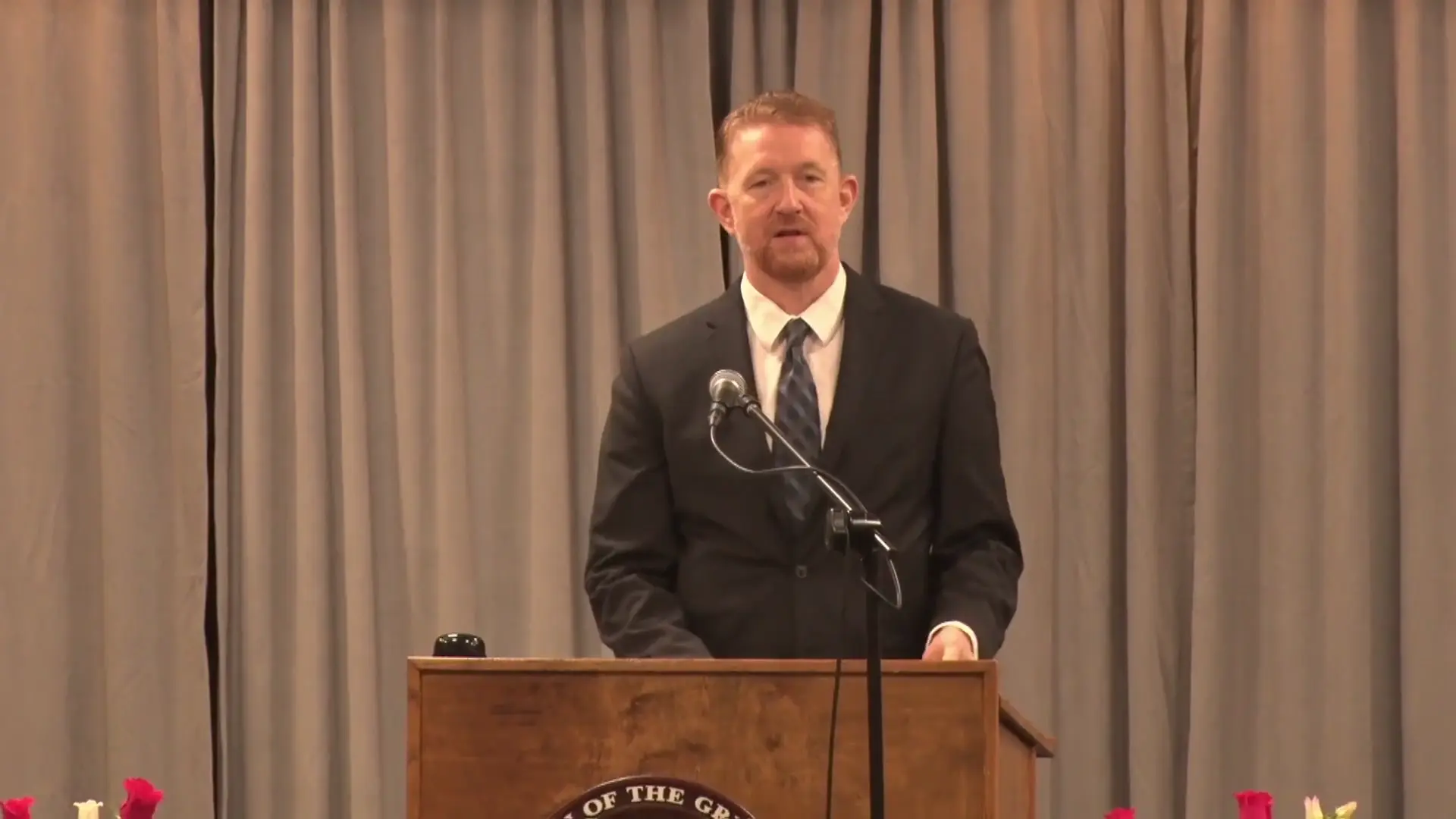
Feast of Tabernacles Sermon by David C. GrabbeBelievers are a present royal priesthood offering spiritual sacrifices within the church, nourished by Christ's exclusive altar. The Feast of Tabernacles mirrors Levitical consecration, with its seven-day structure and blood application to ears, thumbs, and toes symbolizing hearing God, serving, and walking steadily. This pattern emphasizes present sanctification over merely prophetic future, inviting believers to be continually filled from God's table. Neglecting this spiritual food risks stagnation, so the feast serves as a vital period of consecation, strengthening believers to serve alongside their High Priest.
Jesus on the Holy Spirit
Sermon by Richard T. RitenbaughJesus taught about the Holy Spirit's function to carry out God's work, including inspiring one to speak the words of God and to resist the power of Satan.
The Christian and the World (Part Eight)
Sermon by John W. RitenbaughHaving anxiety, foreboding and fretting about food, clothing, and shelter, or being distressed about the future, demonstrates a gross lack of faith.
Why Do We Observe Unleavened Bread? (Part Two)
CGG Weekly by David C. GrabbeIf we overlook God's deliverance or neglect the eating of unleavened bread, we will be unable to perform the putting away of sin that God requires.
Manna and the Preparation Day (Part One)
CGG Weekly by David C. GrabbeGod, in His providence, gave us the Preparation Day, which sets the stage so that we can properly receive the gift of the Sabbath—His holy time.

The Model Prayer (Part Six): Our Daily Bread
Bible Study by Richard T. RitenbaughWhile Matthew 6:11 asks God to supply physical food, the entreaty should not be limited to physical needs but extend to the gamut of God's providence.
Have You Had Your Manna Today?
'Ready Answer' by StaffGod gave Israel manna to eat every day for forty years. Today, we have God's Word as our daily bread. Are we taking advantage of it, or are we allowing it to spoil?
The Reason for Unleavened Bread
Sermonette by David C. GrabbeThe Feast of Unleavened Bread signifies far more than the avoidance of leavening. Our focus needs to be on God's management of the process of deliverance.
Filling the Void
Sermonette by Austin Del CastilloMore important than putting out sin is the vital need to continually ingest unleavened bread, that is, the Bread of Life, namely the words of Jesus Christ.
Maintaining Good Health (Part 12)
Sermon by John W. RitenbaughThe church of God today resembles a patient languishing from a deadly disease, resulting from a diet of spiritual junk food and neglecting the bread of life.
The Way, The Truth, and the Life
Sermonette by Clyde FinkleaThe Feast of Unleavened Bread is a remembrance of the release from bondage. We eat unleavened bread as a sign that the Lord's law may be in our mouths.

A Subtle Yet Devastating Curse
'Prophecy Watch' by David C. GrabbeAmos 8:11 speaks of 'a famine . . . of hearing the words of the LORD.' Such a famine is occurring today: God's words are available, but few hear them.
Remaining Unleavened
Sermon by Richard T. RitenbaughOur carnal natures must be displaced by God's Holy Spirit, motivating us to refrain from causing offense, but freely forgiving others as God has forgiven us.

Unleavened Bread Basics
Sermon by David C. GrabbeThe Feast of Unleavened Bread memorializes God's deliverance from the environment of sin rather than our coming out of sin. Christ embodies sincerity and truth.
Words Versus Images
Sermon by Richard T. RitenbaughSpiritually, relying on images leads to shallowness of thought at best and idolatry at its worst. Virtually everything we know about God comes through words.
John (Part Twelve)
Sermon/Bible Study by John W. RitenbaughWhat we believe automatically determines what we do; it is impossible to separate faith and works. If Jesus is not our source of belief, our works will suffer.
Feed on the Vine
Sermonette by Austin Del CastilloEven though removing leaven from our homes has importance, the far greater spiritual emphasis is on the eating of unleavened bread, internalizing Christ.
Does Doctrine Really Matter? (Part Five)
Sermon by John W. RitenbaughMost people have not used the Word of God as their standard of morality and conduct, but instead are allowing society and culture to shape their attitudes.
Maintaining Good Health (Part 8)
Sermon by John W. RitenbaughA poor spiritual diet will bring about a weak spiritual condition. What the mind assimilates is exceedingly more important than what the stomach assimilates.
Resistance Is Not Futile
Sermonette by Austin Del CastilloSatan salivates over our discouragement, proclaiming that any resistance is futile. But we must actively resist Satan's lies and propaganda.
Fully Accepting God's Sovereignty (Part Three)
Sermon by John W. RitenbaughEternal life is to live a quality life as God lives, having developed a close relationship with God, living by faith and accepting His sovereignty over all.