


Filter by Categories
Was Jesus Christ's Body Broken? (Part Three)
CGG Weekly by David C. GrabbeJesus Christ's sacrifice stands as a supreme victory, not a defeat. He held His head up until the end, bowing it only when He gave up His spirit, having finished perfectly what the Father had given Him to do. His death, after living a completely sinless life, fulfilled the sin offering, while His complete devotion to the Father up to His death fulfilled the burnt offering. He served humanity to the utmost, satisfying the meaning of the grain offering, and poured Himself out as a drink offering. His death reconciled God and men, making harmony and fellowship possible, as pictured by the peace offering. Though marred beyond recognition, with His bones countable, Jesus Christ remained unbroken, embodying an unbroken body. Through the Passover, we unite with Jesus Christ in a sacrificial meal, partaking of the bread and wine as acts of communion, indicating sharing, participation, and fellowship. The bread, broken for sharing, remains one bread, symbolizing that we are part of one unbroken body, Christ's body, which is not divided. When Jesus spoke of bread in relation to His flesh, He presented it as a symbol of life, not death. He described Himself as the bread of life, the living bread that came down from heaven, giving life to the world so that whoever eats of it will not die but have eternal life. The bread, representing His flesh, is living, pointing to a living body. While aspects of the Passover picture death, such as the wine representing shed blood and the lamb that had to die, the bread symbolizes life—the life He gave through sinless, devoted service so the world can have life. Eating the bread at Passover symbolizes taking in and being joined to His sinless life, not a dead or broken body. We are saved by His life, accepted into God's presence on the basis of Christ's sinless flesh, and we must eat this living bread to continue our connection to our Savior and to others who partake of it.
Jesus Christ, the Bearer of Sin
Sermonette by David C. GrabbeAs God leads us through conversion, He challenges our concept of Him, sharpening our mental image of His character and nature. Searching the Scriptures is paramount, for they testify of the Father and the Son, clarifying our vision of Them. Yet, some find it difficult to accept the harsh reality of Jesus Christ's sacrifice, a resistance that causes us to overlook one of His major works. It is often easier to hurry past challenging verses than to let their meaning sink in, but without accepting this facet of His sacrifice, we miss a significant part of what He did. In the Messianic prophecy of Isaiah 53, the Lord the Father laid our iniquities on the Messiah, just as the high priest laid hands on the azazel in Leviticus 16, confessing over it all the iniquities of Israel. Isaiah describes the physical trauma He endured—stricken, smitten by God, afflicted, wounded, bruised, chastised, and scourged. Justification results from the Messiah bearing iniquities, and He bore the sins of many, fulfilling this role as if it were already done when the prophecy was given. Christ bore our sins while on the tree, in His own body, not as an abstract legal pronouncement but with real-life application and recorded fulfillment. During hours of extreme suffering, He experienced shame, reproach, anguish, piercing, crushing, bruising, smiting, grief, and other terrible effects of sin. Though His crucifixion does not remove the pain or shame of our sins, He intercedes as our Mediator, having borne the full chastening we deserve. We receive mediated chastening, not more than we can bear, to continue the sanctification process. God's merciful chastening yields the peaceable fruit of righteousness, offset by the chastening Christ received in our stead. Healing comes from Christ's stripes, encompassing both physical and spiritual restoration, with spiritual healing being infinitely more important. This spiritual healing turns us from straying like sheep to the Shepherd, addressing our spiritual condition. Despite reluctance to view the Son of God as representing sin, God the Father made Christ to be sin, fulfilling the dreadful role of the azazel. Christ became a curse for us, bearing our iniquities as He hung on the tree. Christ's sacrifice took place outside the gate, unlike typical sin offerings killed at the tabernacle. Like the azazel, led outside the camp after becoming sin, He was led away and suffered for hours, bearing our sins in His body. He felt every second of becoming sin and a curse, enduring all the chastening so that we might have life with Him. God's mercy provides a way for us to be healed and reconciled to Him, through the Messiah's terrible yet necessary role.
Why Wasn't Jesus Christ Crucified at the Start of Passover?
Sermonette byJesus was crucified late on Abib 14, yet the Passover lambs were to be killed at the beginning of the 14th. The time of Christ's death is highly significant.
In Honor of Jesus Christ
CGG Weekly by John W. RitenbaughDuring the Passover season, our minds are more forcibly focused on the importance of the sacrifice of Jesus Christ to our salvation. This time of the year, if properly used, purges the fog of forgetfulness that accumulates throughout the year. Do we hold the sacrifice of Jesus Christ freshly in mind throughout the entire year to remind ourselves to honor it each day? It is Christ's sacrifice that forgives our sins, opens the way into God's presence, and pays the way for us to have a relationship with the Father and Son. How good are we at honoring and protecting the value of what that sacrifice purchased? Despite the value and durability of gold and silver to a human, they cannot even begin to pay the redemption price from sin's consequences. Only the sacrificed blood of the perfect Creator God's life can do so. Faith in that blood's value can have everlasting, imperishable consequences. Our daily struggle to come out of sin will keep its value in mind by reminding us of why we are doing as we do and will also bring honor to the name of God by giving a good witness to the world. When we strive to avoid sin, we keep in mind the perfect, sinless example of our Lord Jesus Christ. If we truly desire to be in His image, it cannot but help us to emulate His sinless behavior as closely as possible. He is always the example we hold before us.
Was Jesus Christ's Body Broken?
Sermonette by David C. GrabbeWas Jesus Christ's body actually broken? If so, it would have symbolized disqualification and a broken covenant. Only the bread of Passover was broken.
Hebrews (Part Nine): Chapter 1: Jesus' Exultation and Christianity's Claims
Sermon by John W. Ritenbaugh (1932-2023)Jesus Christ's sacrifice stands as a profound act of divine purpose, fulfilling the need for a sinless being, both human and divine, to pay for mankind's sins. At the moment of His birth, He became exalted to a role He had not held before, serving as the New Covenant High Priest. Throughout His ministry, He performed this role, already qualified as God, without needing to prove Himself further. His death and resurrection completed the prophecy, establishing Him as the ultimate sacrifice, akin to the unblemished animal offerings, yet surpassing them as both God and man. Hebrews 1:3 clearly states that He provided purification for sins by Himself, with no other being—animal, man, or angel—involved. This act of atonement places a significant claim on mankind's conduct, opening the door to God's offer of salvation to those He calls. Despite this, many remain unmoved, lacking faith in the guarantee of His sacrifice, which is backed by the authority of the Father. Sin continues to prevail as mankind often disregards the profound opportunity His sacrifice presents for a transformed life. His exaltation to the right side of the Father in heaven, following His resurrection by the Father's power, further underscores His role in Their unified plan to shape mankind in Their image. Yet, faith in this sacrifice remains underutilized, as many fail to seek His help in producing fruit that glorifies God. Mankind, as a whole, often shows little concern for engaging with Him through prayer, missing the vital connection to the One who holds the power to save and desires to do so for all eternity.
Seeking God's Will (Part Four): Sacrifice
Sermon by Richard T. RitenbaughThe sacrifice of the Father and His Son, Jesus Christ, stands infinitely greater and more efficacious than any human sacrifice. There is no comparison to the magnitude of Their act. The blood of bulls and goats under the Old Covenant could not remove sin, as their value was lesser than that of a human life. A greater sacrifice was needed, one that could not only cover sin but completely pay for and remove it. This required a sacrifice of unmatched worth, found only in the life of the Creator God who became flesh as Jesus Christ. His value was sufficient to pay for the sins of all mankind and still hold worth beyond that, allowing Him to die and be raised again to life as the source of life for us. In the atonement ritual, the sin offering of the goat, representing Christ, was killed, and its blood covered the sins of the people, cleansing and sanctifying them. This offering was carried outside the camp, mirroring how Jesus Christ was crucified outside the city of Jerusalem, identifying Him with this act of atonement. As the High Priest, He performs all the atoning work, placing the guilt on the Azazel goat and ensuring the cleansing through His blood. His dual work not only pays for sin but also bears it away, removing it completely so that no taint of guilt remains, fostering trust and reconciliation between mankind and God. The Father's sacrifice in sending His Son into the world as Savior was as poignant as the Son's. The Father endured the agony of watching His only companion suffer and die, experiencing separation during the three days and nights in the tomb. There was risk in this act, as Jesus Christ, though unlikely to sin, faced constant temptation in human form, a state of weakness He had not experienced before. Both Father and Son anticipated this sacrifice from before the foundation of the world, living with the weight of this potential loss for millennia, a testament to the depth of Their commitment. The blood of Jesus Christ, precious beyond measure, encapsulates His life, a life the Father willingly gave up for mankind despite Their eternal companionship. Jesus Christ emptied Himself of His glory, becoming human, enduring every stage of life from conception to death, facing myriad temptations without sinning, and ultimately giving His life's blood in cruel agony and shame. His sacrifice extended beyond the colossal act of crucifixion to daily selflessness, exhausting Himself in healing and teaching, forgoing comforts, and suffering ridicule to serve others. This great sacrifice was made to redeem mankind from lawless deeds and to purify a special people for Himself, not just to cover sins but to make them holy as children of God. It was an act of pure, selfless love, driven by outgoing concern for humanity's eternal good, aiming to bring unity with God. Through His sacrifice, Jesus Christ also judged the world and cast out the ruler of this world, proving Himself immeasurably stronger, ensuring that when He returns, His victory will be complete.

Why Was Jesus Not Crucified as Passover Began? (Part One)
'Ready Answer' by David C. GrabbeJesus Christ's sacrifice stands as a profound fulfillment of spiritual realities, transcending the physical rites given to Israel. He observed the Passover with His disciples at the beginning of the 14th day of Abib, just after sunset, sharing bread, wine, and the act of footwashing, emphasizing humble service and forgiveness. However, His death occurred later, during the daylight hours of the 14th, around 3:00 pm, on the preparation day for the first day of Unleavened Bread. As our Passover Lamb, His sinless blood was shed on Passover day, yet not at the time the lambs were traditionally slain, nor in exact accordance with the original instructions, such as being roasted in fire or having His blood smeared on doorposts. His crucifixion did not align with the morning or evening sacrifices, nor with specific holy days like the Day of Atonement, though His sacrifice is described in imagery related to that day. He entered the heavenly Temple as our High Priest, fulfilling all sacrificial requirements spiritually, in a manner determined by the Father and the Son, satisfying God's plan and sense of justice. His one sacrifice, planned from the foundation of the world, encompassed the requirements of Passover, Atonement, and all other offerings, though the timing of His death did not correspond to any specific holy day or commanded sacrifice. Through His example, He set the pattern for observing Passover with bread and wine in remembrance of Him, while His death in the afternoon of the 14th draws attention to a momentous purpose beyond merely being the Passover Lamb.
This Life of Sacrifice
CGG Weekly by Richard T. RitenbaughChristians cannot be self-indulgent, as getting for ourselves opposes the way of God, which is the way of love and outgoing concern. Selfishness turns Christianity on its head, mocking the sacrifices that form its foundation and the freely given grace of God that makes it possible. It begins with God the Father, who so loved the world that He gave His only begotten Son, that whoever believes in Him should not perish but have everlasting life. As the great Sovereign of the universe, the Father set the supreme example by sacrificing what He loved most, that the world through Him might be saved. His Son followed in the same way. The One who became Jesus Christ did not cling to His power, glory, and equality with God, but humbled Himself to be incarnated as a lowly servant, a human being. Being found in appearance as a man, He humbled Himself further and became obedient to the point of death, even the death of the cross. He declared He would sacrifice His flesh, His precious life, for the life of the world. To cover the sins of those who would believe in Him and provide access to the Father, Christ, in faith, was willing to give up everything.

Why Did Jesus Have to Die by Crucifixion?
'Ready Answer' by StaffOur Savior, Jesus Christ, died a most horrible death on a stauros or cross, enduring unimaginable suffering for our sake. He faced crucifixion, a gruesome form of execution reserved for slaves and the worst criminals in His time, a method so painful and gory that death often lingered for days. As a substitutionary sacrifice, He had to die by execution to pay the penalty for our sins, a penalty that could not be fulfilled by a natural death but required the shedding of blood for remission. His death, pronounced by Pilate, was not due to any guilt of His own, for He was sinless, but to bear the death penalty our sins deserved. God allowed His Son to suffer crucifixion, a shameful way to die, reserved for those considered the scum of the earth, to depict the shame brought on by our sins. Crucified between two robbers, Jesus endured humiliation, exposed naked to spectators, including His mother and others, adding to the disgrace He bore for us. His shameful death underscores the shame of sin, teaching us to be ashamed of our transgressions, as sin brings dishonor to us and our families. Through His sacrifice, He endured both the physical torment and the profound humiliation of crucifixion to cover the horrors of our sins.
Hebrews 10:9 - Sacrificial System or Old Covenant?
Sermonette by Charles Whitaker (1944-2021)Hebrews 10:9 does not say that God's law or the Old Covenant has been done away, but that the system of animal sacrifices has been set aside for now.
Christ Our Passover
Sermon by John W. RitenbaughThe sacrifice of Jesus Christ stands as the central focus of salvation and the essence of Passover. At this time of year, the emphasis is on Him as the sacrificed Lamb of God, slain for the sins of the whole world. His blood, symbolized by the cup during the Passover service, seals God's agreement of salvation with His people, certifying His promise through the ultimate sacrifice. This act provides powerful evidence of God's seriousness and offers the means to forgive the debt of sin, a payment we owe due to our transgressions. The value of Christ's sacrifice is immeasurable, described as precious, a term reflecting the high honor placed upon His blood. This sacrifice was foreordained before the foundation of the world, purposefully planned by God as the means of redemption for humanity. It is not merely a historical event to remember, but a profound act whose significance must be deeply considered to avoid treating it unworthily. To partake in Passover without discerning the Lord's body is to risk sharing in the guilt of those who crucified Him. Passover is a time to focus on the payment for sin through Christ's sacrifice, rather than on personal failings. It is an opportunity for self-examination, not to wallow in guilt, but to build a deep, respectful appreciation for the sinless, spotless Lamb who makes deliverance possible. His death and resurrection form the foundation of faith, offering hope for the future through God's pledge of glorification. The sacrifice of Jesus Christ is the singular, unique means by which a relationship with God, fellowship with others, and spiritual liberty through forgiveness are made possible. Without it, there is no hope; with it, every dream of being in the Kingdom of God becomes attainable. The awesome cost of salvation is manifested in His sinless life given with full understanding, intense temptation, and profound compassion for the eternal welfare of all, motivating a deep sense of gratitude and a desire to depart from sin. This sacrifice surpasses all others, establishing a New Covenant based on an unparalleled personal relationship with the Creator. Unlike animal sacrifices, which failed to inspire obedience, the death of Christ—a human life of infinite value—evokes a powerful response of gratitude, worship, and obedience. His offering of His body as a gift to accomplish God's will cleanses from sin, revealing the very essence of love and the towering injustice that such a One should die for the unworthy, driving a revulsion for sin combined with thanksgiving.
Knowing Christ (Part 2)
Sermon by John W. RitenbaughJesus Christ's sacrifice stands as a profound act of redemption, not merely substitutionary but also representative. He did not just take our place in death, but preceded us as the archegos, one who goes before, showing the way of life we must follow to be in His image and prepared for the Kingdom of God. His sacrifice began with a voluntary relinquishment of the power, glory, and privileges of His divine office, risking all by becoming human, facing the possibility of sin and loss. Every step He took was with the acute awareness of consigning Himself to a terrible death, a burden carried with perfect clarity of mind and understanding of the ramifications of His actions. This sacrifice encompassed being subject to place and time, serving as the Messenger of the covenant, mankind's sinless Savior, and preparing as our High Priest through suffering. He learned and was completed for this role by experiencing life as a human, enduring suffering to be trained for a position He had never held before. His life was a living sacrifice, a whole burnt offering to God, lived in a manner that was a sweet-smelling savor, pleasing to God, not merely through His crucifixion but through the quality and love in which He walked. Through His death, Jesus Christ provided access to God, breaking down barriers that neither those far off nor near could cross before. His crucifixion tore the veil of the temple, symbolizing the opening of access to the Father, allowing us to draw near through Him as our High Priest. He continually intercedes for us, making our spiritual sacrifices acceptable to God despite their imperfections, ensuring we can come boldly to the throne of grace for mercy and help in time of need. As our forerunner, He entered the Holy of Holies, anchoring our hope and preparing us to function as a priesthood in the Kingdom of God. His example calls us to follow in His steps, to live as He lived, which inevitably involves suffering. This suffering, whether from resisting temptation, serving others, facing persecution, or even a martyr's death, aligns us with the fellowship of His experiences, transforming us into living sacrifices dedicated wholly to God under His guidance as our great High Priest.

Christ Coming in the Flesh
Sermon/Bible Study by Richard T. RitenbaughIn this material world, full of sin, the wages of sin is death, and a sinful person's death pays for their transgressions but offers no hope of renewed life without divine intervention. Eternal life is a gift from God, made possible by His grace. Humanity, described as evil by Jesus Christ Himself, bears a burden of sin so vast that only a death of immense value could cover it. The only sufficient payment for all human sin is the death of the Creator Himself, whose worth is great enough to redeem every person for all time. However, the Creator, being spirit and eternal, is not human, presenting a challenge since the payment for sin must be in kind—human for human. This eternal, immortal Being had to voluntarily relinquish His glory and many divine prerogatives to be fashioned as a fleshly, material man. Yet, He needed to retain His divine personality, character, and wisdom to overcome human temptations. As a man, despite His holiness, He could die, and His shed blood could pay for the sins of the whole world, satisfying God's justice and enabling grace. Jesus Christ, made a little lower than the angels, suffered death to taste it for everyone, sharing in flesh and blood to destroy the power of death through His own death. He became like His brethren in all things to be a merciful and faithful High Priest, making propitiation for the sins of the people. He did not glorify Himself but was appointed by God, learning obedience through suffering and becoming the author of eternal salvation to all who obey Him. Through the offering of His body, prepared by God, humanity is sanctified once for all, and by His blood, a new and living way is consecrated for access to the Holiest. Jesus Christ, in the form of God, did not cling to equality with God but made Himself of no reputation, taking the form of a bondservant and coming in the likeness of men. He humbled Himself, becoming obedient to the point of death on the cross, shedding His blood to complete His task of redeeming mankind. Throughout His life as a fleshly human, He retained His essential personality and character as God, enabling Him to accomplish this work. The Word became flesh and dwelt among us, full of grace and truth, revealing the glory of the only begotten of the Father. Recognized as the Lamb of God who takes away the sin of the world, He was born of a woman through the Holy Spirit, named Jesus, meaning Savior, to save His people from their sins. Born under the law, He came to redeem those under the law, fulfilling prophecies from the beginning that the Savior would be the Seed of a woman, powerful and righteous enough to overcome sin. God was manifested in the flesh, justified in the Spirit, and His precious blood, as of a lamb without blemish, redeemed humanity, not with corruptible things but through His death. Foreordained before the foundation of the world, He was manifest in the flesh for our benefit, visible, tangible, and mortal—attributes of a human being that allowed Him to die and be raised by God, restoring His glory. Every spirit that confesses Jesus Christ has come in the flesh is of God, while those who deny this are not of God, undermining the plan of redemption. If He did not come in the flesh, His sacrifice would be of no effect, as only a human death could pay for human sin. Christ died for the ungodly while we were still sinners, demonstrating God's love, justifying us by His blood, reconciling us to God through His death, and saving us by His life. This finished work, accomplished through His body and blood, secures forgiveness and salvation, bringing great joy and appreciation for what He has done as both human and divine.

Christ, Our Passover
'Personal' from John W. RitenbaughThe sacrifice of Jesus Christ stands as a profound act, unparalleled in its significance. Jesus of Nazareth, the only begotten Son of God, was crucified as a sacrifice for the forgiveness of our sins. He is the propitiation, the appeasing force, through which we can enter into God's presence. God, the righteous Judge of all mankind, provided Jesus Christ to pay the incalculable price for sin. At Passover, the focus centers on Jesus Christ as the Lamb of God, slain for the sins of the world, a human sacrifice of the most sublime quality. The cup at Passover symbolizes the blood Jesus spilled in sacrificing His life, sealing God's agreement of salvation with us. Through the blood of Christ, He certifies His promise to justify us in preparation for salvation. Such a monumental sacrifice must be fittingly remembered, for if Passover becomes a mere ritual, it loses its significance, and Christ is not truly honored with understanding and appreciation. The purpose of Passover is to grasp the point of Christ's death, and failing to comprehend its meaning makes us more likely to treat His death unworthily. Understanding Christ's sacrifice properly determines the quality of our observance of Passover. To prevent taking it carelessly, we must examine ourselves, discerning the Lord's body, contrasting our spiritual and moral failures with the perfect glory of our Savior, Jesus Christ, who lived without committing even one sin. The focus at Passover is not on ourselves but on the payment for our sins, the means by which we are forgiven, concentrating on the most elementary precepts of our salvation, especially on the part Jesus Christ plays in it. The value of Christ's sacrifice is immeasurable, as only the sacrifice of the sinless God-Man, Jesus Christ, could meet the qualifications to pay for all sin. God designed this payment for sin to be so profound that the heirs of salvation, out of overwhelming gratitude, would drive themselves from sin. The theme of Passover is the awesome cost of salvation, manifested in the sinless sacrifice of Jesus Christ, whose sinlessness was not mechanical but filled with sympathy, empathy, compassion, kindness, and concern for the helpless slaves of sin. Passover forces us to focus on our weakness and Christ's strength, our need and His abundance, our sinfulness and His perfection, our sentence of death and His offer of life. The Bible sees sacrifice as the holy act, the very essence of love, for God so loved the world that He gave His only begotten Son in sacrifice. The sacrifice of the sinless God-Man, Jesus Christ, has the power to cleanse from sin, establishing a New Covenant based on an intimate personal relationship with our Creator. Gratitude, worship, and obedience are the only appropriate responses to such a sacrificial gift as the body of Jesus Christ, for there is no other acceptable sacrifice for sin that will allow us to continue living.
Marriage and the Bride of Christ (Part Six)
Sermon by Martin G. CollinsJesus Christ's sacrifice stands as the profound foundation of His love for the church, embodying a practical and enduring commitment. He loved the church and gave Himself for her, establishing a covenant relationship through His atoning act. This sacrifice is not merely a historical event but the very basis of the church's existence, as He purchased her with His own blood, redeeming each member individually and collectively. His purpose in giving Himself was to sanctify and cleanse the church, making her worthy and preparing her to be presented as a glorious bride, without spot or wrinkle, holy and without blemish. This act of love was carried out while the church was still in sin, demonstrating that His sacrifice was not based on her worthiness but on His unwavering commitment. He humbled Himself, taking on the form of a servant and becoming obedient even to death, for the sake of the church, thinking not of Himself but of her. Through His blood, He reconciled the church to God, delivering her from condemnation and setting her apart for His unique possession and purpose. His ongoing work continues as He sanctifies her, ensuring that she is transformed and prepared for the ultimate union with Him. The practical nature of this love serves as a model for human relationships, particularly in marriage, where husbands are called to emulate Christ's sacrificial love by giving of themselves for their wives. Just as Christ gave Himself for the church to make her holy, His sacrifice remains the source of life and power that sustains and purifies her throughout the journey of salvation.
Jesus in the Feasts (Part Four): Atonement
Sermon by Richard T. RitenbaughHuman sinfulness lies at the root of why a sacrifice was ever necessary. Scripture testifies through Romans 3 that none are righteous, that all have sinned and fall short of God's glory, and that every person, even from childhood, displays inherent selfishness and sin that only worsens with age. Since the wages of sin is death, and since no human can pay for even their own sins, let alone another's, humanity stood utterly without hope of self-redemption. Money, good deeds, or law-keeping could never balance the books, and Hebrews 10:4 confirms that even the blood of bulls and goats could never take away sin. Since every human is blemished by sin, and angels, being of a different kind, cannot substitute for mankind, only a higher Being of surpassing value could pay the required price. This necessity led the Word, the Creator God Himself, to voluntarily empty Himself of His glory, as described in Philippians 2:5-8, taking on human flesh, living under the restraints of a sinful world, and remaining obedient even to death on the cross. Romans 5:6-11 emphasizes that Christ died for the ungodly while they were still sinners, demonstrating God's love and providing reconciliation through His blood. This sacrifice is the central meaning of the Day of Atonement, the most solemn day of the year, because it commemorates that God Himself died so that humanity could be redeemed. The two goats of Leviticus 16 symbolize the two essential aspects of this atoning work: one goat's blood paid the redemption price for sin, while the second goat, the Azazel, bore the sins away into the wilderness, illustrating that sin must not only be paid for but also removed. Aaron, the high priest, performing all this labor alone, typifies Christ, who alone accomplishes the entire work of atonement, requiring nothing from humanity but faith and acceptance. Isaiah 52-53 prophetically portrays Christ as the Suffering Servant, wounded for transgressions, bruised for iniquities, and bearing the sin of many, linking directly to the Levitical pattern of the two-part sin offering. The Gospels confirm this mission: Jesus was named for saving His people from their sins, declared the Lamb of God who takes away the sin of the world, and openly stated that He would lay down His life for the sheep. His cry of abandonment on the cross reveals the moment the sins of humanity were placed upon Him, causing the Father's temporary separation from Him, echoing the transfer of sin onto the scapegoat. Hebrews 9-10 explains that Christ's one perfect offering accomplished eternal redemption, purging the conscience and ending the need for repeated sacrifices, while 1 Peter 2:24-25 summarizes that His bearing of sin enables believers to live righteously and return to their Shepherd. This sacrifice obligates believers not merely to accept Christ but to live as His servants, pursuing spiritual maturity and reflecting His mind, since His atoning death is both the foundation of reconciliation with God and the beginning of a transformed life devoted to His will.
Jesus' Final Human Thoughts (Part One)
Article by StaffIn a legal sense, our sins were laid upon Jesus Christ, and He paid the penalty for them according to the law, the prophecies, and the will of Almighty God. The wages of our sins is death, and our sinless Savior paid that penalty for us, summing up the greatest act of sacrifice ever made. However, fulfilling the legal aspect was only part of it, as looking at it solely from a legal perspective almost sanitizes Jesus Christ's great sacrifice. During His final hours, it is doubtful that Jesus Christ spent much time thinking of the many individual acts of human sin, even as they were laid upon Him. Instead, Scripture provides clues about His thoughts during His last day of physical life. Jesus Christ knew the travail of His soul and foresaw His suffering, understanding that it must occur during the Passover Day in the year referred to as AD 31, and that He must be dead and entombed as that day drew to its close. Knowing the limited time before His arrest and separation from His beloved Father, He filled His final moments of human freedom with close communication with His heavenly Parent in Gethsemane. Despite His welcome into Jerusalem six days prior, Jesus Christ knew He was despised and rejected, regarded as contemptible and worthless, even as the Eternal Lord and Creator of the universe. He was aware of the rejection by the world and knew that even His closest friends were spiritually weak, would stumble, forsake Him, and scatter. Worse still, He knew that one of them was in the process of betraying Him. As He arrived at Gethsemane after the Passover dinner, Jesus Christ suddenly became intensely sorrowful and profoundly distressed, experiencing a depth of sorrow exceeding that of any man before or since. His agony began even before physical pain was inflicted, as He prayed more earnestly, His sweat becoming like great drops of blood falling to the ground. The reasons for this agonizing sorrow likely included the despite and rejection by every generation of mankind, the betrayal and forsaking by His closest friends, and the dread of the approaching hours of physical torture and death. More painfully, He faced being cut off from His human brothers and sisters, whose sins caused His suffering, and from communication with His perfect, loving, and eternal Father, crying out in His final moments, "My God, My God, why have You forsaken Me?"
The Offerings of Leviticus (Part Five): The Peace Offering, Sacrifice, and Love
'Personal' from John W. RitenbaughJesus Christ is the central figure of the sacrificial laws, embodying the essence of the whole burnt offering, the meal offering, the peace offering, as well as the sin and trespass offerings. These laws provide a detailed view of His character, serving as a model and example for us. Spiritually, they remain as relevant today as they were in His time, guiding us to walk in His steps. As our High Priest, He exemplifies the holiness and purity required of those who serve God, reflecting a transcendent intent and character that sets Him apart. Despite our burden of potential sin, His sacrifice as the sin offering precedes us, offering mercy and grace that allow us to approach God's table. Without this provision, our spiritual impurities would bar us from communion with God. His example of thorough dedication in fulfilling the requirements of the offerings urges us to strive for purity, demonstrating our understanding of faith, love, sacrifice, and total devotion to God and His purpose.

Who Fulfills the Azazel Goat— Satan or Christ? (Part Three)
'Ready Answer' by David C. GrabbeJesus Christ fulfilled the roles of both sacrificial animals in the Day of Atonement ritual. He died to provide a covering of blood and open the way to the Father, and He also bore the sins of many, taking them to the land of forgetfulness, the grave. The expiation of mankind's sins—the atoning, cleansing, disannulling, purging, and putting away of sins—is what the Savior accomplishes, as reflected in the very definition of the Hebrew terms kippur and kaphar. In Colossians 2:14, Christ is declared to have lifted up, taken away, and expiated the record of sins against us, mirroring the role of the azazel, the goat of departure, which carries the sins to a land cut off. Hebrews 1:3 emphasizes His finished work, stating that He, by Himself, purged our sins and sat down at the right hand of the Majesty on high, indicating the completeness of His sacrifice. Hebrews 9 and 10 further detail how He entered the Most Holy Place in heaven with His own blood, cleansing the heavenly sanctuary once for all, and put away sin by His sacrifice, cancelling it and bringing it to nothing for those who repent. Hebrews 10:1-4 and 10:10 affirm that His offering sanctifies believers once for all, removing sins from consciousness in a way animal sacrifices could not. His sitting down at the right hand of God, as noted in Hebrews 10:12-14, shows that the entire work of atonement and bearing sins is already complete. Finally, Hebrews 10:17-18 declares that under the New Covenant, God remembers sins no more, signifying their complete remission through Christ's work, with no further offering for sin required.
Approaching God Through Christ (Part Two)
Sermon by Richard T. RitenbaughJesus Christ's sacrifice stands as the pivotal act of redemption, embodying the ultimate price for humanity's sins. As the Captain of our Salvation, He leads us on an arduous journey toward the Kingdom of God, demanding change, growth, and the bearing of fruit through sacrifice. In the final week of His earthly life, as recorded in John 12:20-26, when Greeks sought to join Him as disciples, He spoke of His impending glorification, declaring that the hour had come for the Son of Man to be glorified. He likened Himself to a grain of wheat that must fall into the ground and die to produce much grain, symbolizing that His death was necessary before Gentiles could be accepted as disciples. He knew His crucifixion and resurrection were near, and only after paying for all sins and rising from the grave could the calling of the Gentiles be fulfilled. He challenged these potential followers to consider the cost of discipleship, stating that whoever loves their life will lose it, but whoever hates their life in this world will keep it for eternal life. He urged them to follow Him, promising that where He is, there His servant will be also, and that His Father will honor those who serve Him. This call to forsake worldly ambitions and embrace a life of sacrifice and submission mirrors the path He walked, culminating in His death as the perfect sacrifice. John 1:29 identifies Him as the Lamb of God who takes away the sin of the world, a purpose proclaimed from the outset of His ministry. His sacrifice was not merely His death but a life of perpetual sacrifice, constantly resisting the pulls of flesh and human nature while enduring opposition from the adversary to remain the unblemished offering. Isaiah 53:1-12 prophetically portrays His suffering, despised and rejected, bearing our griefs and sorrows, wounded for our transgressions, and bruised for our iniquities. By His stripes, we are healed, as He bore the iniquity of us all, silently enduring as a lamb led to slaughter, making intercession for transgressors. Hebrews 10:5-13 underscores that His sacrifice fulfilled the Old Covenant types, offered once for all, sanctifying us by the will of God. Unlike the repeated sacrifices of priests that could never take away sins, His single offering established a new and better covenant, after which He sat at the right hand of God, awaiting the time to defeat His enemies. This act sets us apart, uniquely allowing us to approach God through Him. I Peter 2:21-25 emphasizes that He suffered for us, leaving an example to follow in His steps. Bearing our sins in His body on the tree, He died to sins and lived to righteousness, showing us how to suffer patiently, sacrifice self to overcome human nature, and commit to God's righteous judgment. Romans 12:1-2 calls us to present our bodies as living sacrifices, holy and acceptable to God, transformed by the renewing of our minds to prove His perfect will, just as it was His will to give His life in sacrifice. Finally, Psalm 118:19-29 reflects the joy and gratitude for this sacrifice, opening the gates of righteousness through Him. His blood removes our sins completely, enabling a relationship with God. As the chief cornerstone, rejected by builders, He forms the foundation of the temple in which we are set to live in God's house forever. The call to bind numerous sacrifices in thanksgiving, filling the courtyard even as far as the horns of the altar, urges us to spend our lives making sacrifices to thank, please, and glorify God for His mercy and the salvation He has provided through Jesus Christ.
Knowing Christ (Part 3)
Sermon by John W. RitenbaughJesus Christ's sacrifice stands as the cornerstone of our faith and the ultimate example for our lives. In Ephesians 5:1-2, we are urged to be followers of God, imitating Him as dear children, and to walk in love as Christ loved us, giving Himself as an offering and a sacrifice to God for a sweetsmelling savour. This act of sacrifice typifies the very character of the Father and the Son, demonstrating Their commitment to God's purpose of reproducing Himself. As revealed in I Peter 1:18-20, we were not redeemed with corruptible things like silver and gold, but with the precious blood of Christ, as of a lamb without blemish and without spot, foreordained before the foundation of the world to manifest in these last times for us. This sacrifice, planned from the earliest moments in God's Word, was necessary to pay the penalty of sin, allowing us to continue living while the debt was settled through Christ's death as both God and man. In Genesis 3:15, God first revealed to man the promise of a sacrifice that would break sin's grip, declaring enmity between the serpent and the woman's seed, where it would bruise the serpent's head while the serpent would bruise His heel, implying the temporary damage Christ would endure. This sacrifice is further anticipated in Genesis 4:3-5, where Abel's offering of the firstlings of his flock was respected by the Lord, reflecting early instruction on the importance of sacrifice as a way of life essential to God's purpose. Throughout Scripture, the theme of sacrifice evolves, pointing to Christ's ultimate act. We are called to follow His example, understanding that without sacrifice, God's purpose cannot be achieved. As a royal priesthood, we must embody this principle, offering spiritual sacrifices and laying down our lives daily, just as Christ did, to grow in His image and fulfill our covenant with God.
Sacrifice Dost Thou Want: Kindness
Sermon by Bill OnisickJesus Christ's sacrifice was foreordained before the foundation of the world. For thousands of years, countless animals were sacrificed as a shadow of what was to come, reminding us of our required daily living sacrifices. Jesus Christ, God the Son, came to earth to demonstrate God's way of sacrifice. His sacrifice is both substitutional and representative. First, His sacrifice is substitutional, a once-for-all, perfect offering for sin and trespass, which He made for us to open the door to our relationship with God, allowing God the Father and God the Son to dwell with us and fill us with Their enabling Spirit. Second, His living sacrifices while on earth are representative, serving as an example of the daily offerings we must make through our own living sacrifices. His sacrifice replaced the need for animal sacrifices, but the need for ongoing daily work of sacrifice remains, as those animal offerings were merely a shadow of what was to come.
The Christian Walk (Part One): In Love
Sermon by Richard T. RitenbaughJesus Christ's sacrifice is a profound example of godly love, demonstrating the essence of sacrifice for the benefit of others. Through His offering, He took the death penalty for our sins, bearing them away to open up a relationship with the Father. This act allowed for forgiveness, grace, eternal life, and the promise of the Kingdom of God, all made possible because He gave His own life in love. As Ephesians 5:2 states, we are to walk in love, as Christ also has loved us and given Himself for us, an offering and a sacrifice to God for a sweet-smelling aroma. This sacrifice is not only a model for us to follow but also a means by which we are freed from sin's imprisonment, setting us on a new course toward the Kingdom. By paying our debt of sin, He enables us to become slaves of righteousness, voluntarily presenting ourselves as servants of God to live His way. This transformative act is the foundation of our spiritual walk, urging us to imitate His life of humility and service as dear children of God.

Why Hebrews Was Written (Part Ten): Christianity's Claims
'Personal' from John W. RitenbaughJesus Christ's sacrifice stands as a pivotal act of divine purpose, fulfilling the prophecy of Psalm 2 through His death and resurrection. By offering Himself as an unblemished sacrifice, He paid the price for our sins, paving the way for eternal life. As stated in Hebrews 1:3, He atoned for sin by Himself, with no animal, man, or angel involved, demonstrating His unique role as the High Priest of the New Covenant. This act of atonement places a profound claim on human conduct, opening the door to God's offer of salvation to those He calls. Without His sacrifice, our salvation would be impossible, and we could expect only death in the Lake of Fire. His work as High Priest serves as the literal link between us and sharing eternity with God in His Family, underscoring the urgency to not neglect these truths, lest we lose the opportunity for salvation.
Abraham's Sacrifice (Part Four): Providence Manifested
Sermon by Richard T. RitenbaughGod's providence, as seen in the story of Abraham and Isaac, points to the ultimate provision of Jesus Christ as the Lamb of God. This narrative in Genesis 22 underscores that God sees and provides for our needs, both physical and spiritual, at the precise time required. The greatest expression of this providence is the sacrifice of His Son, Jesus Christ, who was given as the propitiatory sacrifice to redeem humanity from sin. This act paved the way for a relationship with God, justification, sanctification, salvation, and eternal fellowship with Him. The story of Abraham's willingness to sacrifice Isaac foreshadows the boundless extent of God's provision, as He did not withhold His only Son. Just as God provided a ram to spare Isaac, He ultimately provided Jesus Christ to bear the penalty of sin, ensuring eternal life for His potential children. This theme of provision is evident throughout Genesis, with various types and prophecies pointing to the coming Messiah, a Savior, and Deliverer, culminating in the sacrifice of the Lamb of God. Jesus Himself affirmed this principle of provision in His final teachings to His disciples, promising that whatever they ask in His name, He will do, so that the Father may be glorified in the Son. He assured them that abiding in Him and maintaining a relationship with Him enables them to receive what they need to bear fruit and fulfill God's purpose. This reflects the same providence seen in Abraham's story, where God supplied what was necessary, ultimately pointing to the greatest provision of all—His Son, Jesus Christ, who gave His life for our salvation.
Abraham's Sacrifice (Part One): Faith Perfected
Sermon by Richard T. RitenbaughSacrifice is a central theme in Scripture, culminating in the supreme sacrifice of Jesus Christ for sin, with enduring ramifications through eternity. His sacrifice exemplifies the essence of godly love, as highlighted by Paul in Romans 5:5-8, where Christ died for our sins while we were still immersed in them. This act stands as the ultimate demonstration of God pouring out His love upon us, showing us His profound agape love. In a spiritual sense, God calls us to be ready for self-sacrificial acts toward Him and others, to live as living sacrifices throughout our Christian lives. Moreover, Jesus Christ's shed blood covers our sins, enabling a relationship with the Father, as His righteousness is imputed to us at conversion, allowing us to approach God through His strength, not our own. Finally, Jesus Himself made His own sacrifice for sin, underscoring that the day of sacrifice was far from over, reinforcing the call for us to emulate Him by giving ourselves daily as living sacrifices.
Reconciliation (Part Two): Christ's Work
Sermon by Richard T. RitenbaughJesus Christ's sacrifice stands as the pivotal act that reconciles humanity to God, addressing the vast disparity between human sinfulness and divine holiness. Through His death, Christ covers the multitude of sins that separate mankind from God, ensuring that the accounts balance in the divine ledger. While we were still sinners, unworthy and unable to rectify our state, Christ died for us, demonstrating God's immense love and grace. His blood justifies us, wiping away the penalty of our sins, and His sacrifice reconciles us, allowing a harmonious relationship with God where once there was enmity. This act of self-sacrifice not only justifies but also transforms, making us a new creation in Christ, where old sins pass away, and a fresh spiritual life begins. Christ's righteousness stands in place of our failings, enabling us to approach God boldly and fostering an intimate relationship through His Spirit. His death on the cross was a singular, sufficient act, covering all sins for eternity, ensuring that He does not need to sacrifice Himself repeatedly. By His resurrection, He offers the hope of eternal life, providing the foundation for our salvation and ongoing reconciliation. Moreover, Christ's sacrifice extends beyond individual reconciliation to encompass all things in heaven and earth. His act at Calvary initiates a process to bring everything into harmony with God, from sentient beings to the entire creation, which groans for redemption. This ultimate reconciliation, based on His supreme sacrifice, will unfold over millennia, culminating in a universe where everything functions in perfect unison with the Father, free from sin and death. Through His blood, Christ has made peace, laying the groundwork for this comprehensive restoration, ensuring that one day, all will be reconciled to God.
Ecclesiastes and Christian Living (Part Eight): Death
'Personal' from John W. RitenbaughJesus Christ's sacrifice stands as the pivotal act that liberates humanity from the bondage of sin and the fear of death. Through His death on the cross, He paid the ultimate price for our freedom, becoming human and able to die to satisfy the wages of sin, which is death. As our sinless Creator, nothing less than His substitutionary death could suffice to break the hold that Satan had over us. By living a sinless life, He defeated Satan, who possesses the power of death, stripping him of the weapon that once hung over humanity. Because we are one with Christ, that threat no longer looms over us. His death wiped out the curse of death due to our sins, and as our living High Priest, He continues to keep us free from backsliding into Satan's bondage. This work makes us one with Him and sustains that unity, ensuring that we do not face the hopeless second death reserved for the unconverted. Instead, we are free to turn voluntarily to God, choosing to submit in obedience to Him, and can look forward to an ever-growing liberty to obey God with all our heart, soul, and mind.
The Intercessory Character of Christ
Sermon by Martin G. CollinsJesus demonstrated the importance of intercessory prayer, a practice urged by Paul for spiritual siblings, family members, rulers, and even enemies.
Abraham's Sacrifice (Part Five): Promises Confirmed
Sermon by Richard T. RitenbaughSome critical scholars, unable to distinguish between conditional and unconditional promises, mistakenly jump to the conclusion that God cannot be trusted.
The Christian Fight (Part Three)
'Personal' from John W. RitenbaughWith all the military metaphors in the Bible, there can be no doubt that God likens the Christian life to a war against the evils and temptations we face.
Is the Passover Just a Sin Offering? (Part One)
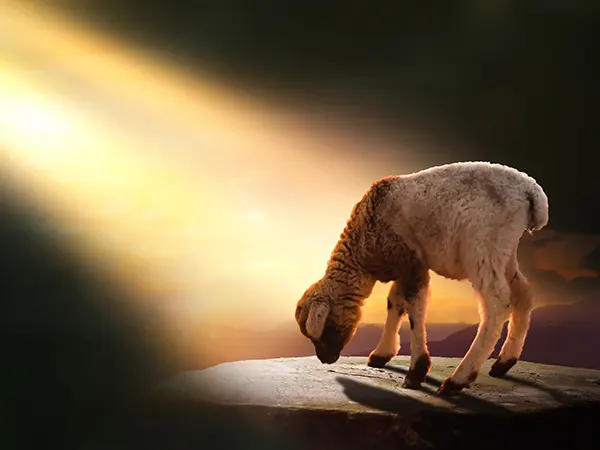
Article by David C. GrabbeJesus Christ's sacrifice holds profound significance, revealing the richness of God's Word through multiple facets and implications. His death, while often viewed solely as the payment for sin, encompasses far more when seen through the various sacrifices outlined in Scripture. God planned and willed this sacrifice before the foundation of the world, and though it fulfills the sin offering, it also embodies other types of offerings, each with distinct purposes beyond the payment for sin. Scripture frequently pictures Jesus as a lamb, symbolizing quiet, accepting submission even in suffering, yet the specific role of a lamb varies depending on the context of the sacrifice. The annual observance of Passover by dedicated followers commemorates His death, yet it is not solely about sin or its payment. Instead, Passover symbolizes the fellowship and peaceful abundance now available with God through His covenant, sealed by Christ's sacrifice late on Passover day. The Day of Atonement, in contrast, focuses on the complete cleansing from sin through His work alone, with no role for the adversary in the removal of sin. Christ's death, occurring late in the afternoon of the fourteenth of Abib, did not align precisely with the timing of the Passover lambs or the Day of Atonement, but rather with the sealing of a covenant, demonstrating His role as the covenant victim alongside His role as the ultimate sin offering. His sacrifice thus serves multiple purposes, initiating the New Covenant and acting as a divine pledge of loyalty to those who partake in it.
Lessons From a Worm
CGG Weekly by John ReissIn Psalm 22, which prophesies of Christ's suffering, He says 'But I am a worm...." His reference is to a tola worm, which is rich in symbolism and meaning.
What Is Propitiation? (Part One)
Bible Study by Martin G. CollinsPropitiation is the way God and man can be reconciled and experience a profitable relationship.

I Am Barabbas
Article by StaffTo some, Barabbas is nothing more than an interesting detail in Christ's trial. His presence during that event holds significant implications for us.
Of Sponges and Spears
Article by StaffJesus calls on us to remember His affliction, including the piercing, the cup, the sour wine, and the gall.

The Awesome Cost of Love
'Personal' from John W. RitenbaughWe assess costs and values all the time in our daily lives. We should employ the same process to God's love for us in giving His Son as the sacrifice for sin.
Are You Bearing Your Cross?
'Ready Answer' by StaffHow do we, as modern Christians, bear our cross as Jesus commands? Christ meant far more than simply carrying a stake over our shoulders!
The Messiah in Three Psalms
Sermonette byPsalms 22, 23 and 24 form a trilogy, each part of of which is a Messianic prophecy that tells a part of the Gospel of God's Kingdom.
Death of a Lamb
Article by StaffSince the church no longer keeps the Passover with the slaughter of a lamb, we miss important and poignant details that could enhance our observance.

Passover: An Extraordinary Peace Offering
Sermon by David C. GrabbeThe Passover sacrifice is basically unconnected with atonement, but represents the peace and security which attends fellowship with God because of His acceptance.
Remember: Truth and the Real Torch of Freedom
Sermon by Mark SchindlerThe Night to be Much Observed emphasizes that Jesus Christ is the true Torch of Freedom, extricating us from Satan and his multiple deceits.

Why Is Atonement a Fall Festival?
Sermon by Richard T. RitenbaughThough Passover and Atonement both deal with Christ's sacrifice, several reasons emerge to make Atonement a better fit for the fall holy days.
The One Thing
Feast of Tabernacles Sermon by Bill OnisickSacrifice is the foundational principle for salvation and spiritual growth, as exemplified by Christ's preordained sacrifice before the world's creation.
Atonement: Physical and Spiritual Cleansing
Sermonette by Ryan McClurePhysical fasting provides insights to a parallel spiritual process of cleansing and removal of sin. Our High Priest commands us to let go to lighten our burden.
Priceless
CGG Weekly by Richard T. RitenbaughChrist's sacrifice is often not as real as it needs to be, but what He and His Father did for the elect, and ultimately, most of humanity, is priceless
Fellowship With God
Sermon by Martin G. CollinsOnly those who have fellowship with God can have any hope, understanding, peace, or rest. The world remains under the sway of Satan, unable to live righteously.

Azazel: Beginnings
Sermon by David C. GrabbeWhile there is a handful of common starting places for understanding the azazel, none of them has multiple witnesses of Scripture. We must begin elsewhere.
Preternatural, Natural, Unnatural, Supernatural (Part Three)
Sermon by John W. Ritenbaugh (1932-2023)Christ's life and death were supernatural in that He had God's Spirit from the beginning, giving Him power over things, as well as undeniable logic.
According to His Pleasure
Sermon by Martin G. CollinsGod 'took pleasure' in Christ's being bruised, not in the pain and suffering that His Son endured, but in the ultimate goal of adding to His Family.
What Would You Die For?
Sermon by Martin G. CollinsChristian martyrs, convicted by God's truth, having an ardent love for Christ, have attained a special place of honor because of their ultimate sacrifice.
The Awesome Cost of Salvation
Sermon by John W. RitenbaughWe need to be sobered at the awesomeness of the cost to set us free from sin—what the Creator endured. We have been purchased, and are obliged to our Purchaser.

The Bread and Wine of Passover
Sermon by David C. GrabbeThe Passover reminds us of the New Covenant on the anniversary of the Abrahamic covenant God using the original elements of the meal between Melchizedek and Abraham.
Leadership and Covenants (Part Twenty-Two)
Sermon by John W. Ritenbaugh (1932-2023)Much of Protestantism misconstrues the significance of the New Covenant as a 'free pass into Heaven' without paying attention to the Law within the Covenant.
Offerings (Part Six)
Sermon/Bible Study by John W. RitenbaughThe sin offering was for sin in general deals with our evil nature, while the trespass offering deals with the fruits of that nature.
What Does 'Discerning the Lord's Body' Mean? (Part Three)
CGG Weekly by David C. GrabbeThe Corinthians were in danger of eating and drinking judgment to themselves because they were not being partial to Christ's spiritual Body as a whole.
Psalms: Book Four: All His Benefits
Sermon by Richard T. RitenbaughAll that we have has come from others, especially God. The Day of Atonement points out how needy and dependent on God we are; fasting shows our frailty.
The Offerings of Leviticus (Part Six): The Sin Offering
'Personal' from John W. RitenbaughJesus' perfect offering of Himself for us fulfilled the sin offering of Leviticus 4. Our acceptance of His offering for atonement puts us under obligation.
The Offerings of Leviticus (Part One): Introduction
'Personal' from John W. RitenbaughThe offerings of Leviticus, though not necessary under the New Covenant, are invaluable for teaching about Christ in His roles as sacrifice, offerer, and priest.
The Cost of Reconciliation
Sermon by Richard T. RitenbaughReconciliation is the product of a sacrifice to pacify the wrath of an offended person. We must imitate Christ in His approach toward hostility from others.
Preparing to Be a Priest
Sermon by John W. RitenbaughThe primary function of a priest is to assist people in accessing God so that there can be unity with God. A priest is a bridge-builder between man and God.
Forgiveness and the Perpetual Covenant of Peace
Sermon by Mark SchindlerIt is commonly thought that we pay no price for forgiveness, yet Scripture shows that God gives us significant responsibilities to be a part of His family.
An Unequal Comparison
Commentary by Richard T. RitenbaughWhile the sacrifice in life or limb is commendable and worthy of honor, to compare it with Christ's work on the stake trivializes Christ's sacrifice.
Grateful For Reconciliation
Sermonette by Richard T. RitenbaughWe must remember what we were and how far God has brought us out of that place, pulled out of the muck and brought into His glory.
The True Savior of the World!
Sermon by Martin G. CollinsGod the Father sent Jesus as the true Savior of the world to heal the sick, to comfort the broken-hearted, and to liberate the captives.
A Day Without Work
Sermon by Richard T. RitenbaughRefraining from work on the Day of Atonement symbolizes our inability to atone for our sins. We, humble and poor in spirit, depend upon God for everything.
The Offerings of Leviticus (Part Nine): Conclusion (Part Two)
'Personal' from John W. RitenbaughThere must be something to prove we are one with Christ and in union with the Father and the Son. That something is the manner in which we conduct our life.
The Offerings of Leviticus (Part Two): The Burnt Offering
'Personal' from John W. RitenbaughThe burnt offering is completely consumed on the altar. This type of offering teaches us about Christ's total dedication to God—and how we should emulate it.
Listen To The Lamb's Voice
Sermon by Mark SchindlerThe movie Ben-Hur captures the essence of the time and ministry of Christ. By letting go of anger and hatred, we take on the yoke of Jesus Christ.
A Pre-Passover Look
Sermon by John W. RitenbaughWe must thoroughly examine ourselves, exercising and strengthening our faith, actively giving love back to God, to avoid taking Passover in a careless manner.
Passover (Part One)
Sermon by John W. RitenbaughThe annual reaffirmation of the covenant through the Passover is at the core of an on-going relationship with the Father and Son, beginning the perfecting process.
Hebrews (Part Eleven)
Sermon/Bible Study by John W. RitenbaughHebrews emphasizes the infinite superiority of Christ's priesthood and one-time sacrifice as contrasted to the repetitive Aaronic sacrifices.
Offerings (Part Two)
Sermon/Bible Study by John W. RitenbaughThe sacrifices teach us about the mind, heart, and character of Jesus. The burnt offering symbolizes complete devotion to God in every aspect of life.
How Does Faith Establish the Law? (Part Two)
'Ready Answer' by David C. GrabbeThe meaning of Romans 3:31 is plain unless one believes that grace abolishes God's law. Justification by faith is based on the law's true purpose.

An Unpayable Debt and Obligation
'Personal' from John W. RitenbaughWhen God calls us and redeems us through the sacrifice of Jesus Christ, we suddenly come under obligation—a debt we cannot pay but overshadows all we do.