


Filter by Categories
Beware of False Prophets
Sermon by Martin G. CollinsFalse brethren, as described in the broader context of deceptive spiritual influences, are akin to false prophets, teachers, and apostles who infiltrate the church with deceitful intentions. They are individuals who claim to be part of the faithful, yet their actions and teachings lead others astray from God's truth. Like false prophets who come in sheep's clothing but are inwardly ravenous wolves, these false brethren present themselves as believers or even leaders, disguising their true nature to deceive the flock. Their presence within the church poses a significant danger, as they rise from among the very people of God, speaking perverse things to draw disciples after themselves. Their motivations mirror those of false prophets, driven by self-interest, pride, and a desire for popularity rather than loyalty to God. They promote confusion and chaos, encouraging the broad way that leads to destruction rather than the narrow path of righteousness. As warned in Scripture, such individuals will secretly bring in destructive heresies, exploiting others with deceptive words and leading many to follow their destructive ways. Their fruit, marked by the works of the flesh, reveals their true character over time, distinguishing them from the true brethren who bear the fruit of the Spirit. The warning against false brethren is a call to vigilance within the church, to test the spirits and judge by the fruit of their lives and teachings. They are part of the broader deception that includes pseudoprophetes (pseudo-prophets), pseudapostolos (pseudo-apostles), and pseudodidaskalos (pseudo-teachers), all of whom misrepresent God for personal gain. As God declared through His true prophets, He is against those who lead His people astray, and their end will be according to their works. Therefore, the faithful must remain on guard, holding their minds away from such influences and clinging to the truth of God's Word.
Four Warnings (Part Two): Beware of False Prophets
Sermon by Richard T. RitenbaughIn the context of Israel's moral decline as described in Ezekiel 22, the prophets are singled out as the most culpable among the failing leadership. God accuses them of devouring the people, enriching themselves, and making widows by leading men into unnecessary conflicts. They plaster over problems instead of solving them, invent false visions, and divine lies, claiming to speak for the Lord when He has not spoken. Their failure as watchmen, meant to correct the nation's course, renders them the primary problem in God's eyes, contributing significantly to the spiritual decay of the land. Turning to the New Testament, the issue of false brethren persists within the church. In II Corinthians 11:13-15, Paul warns of false apostles and deceitful workers who transform themselves into apostles of Christ, mirroring satan who appears as an angel of light. Their end will be according to their works, revealing their true nature. Similarly, II Peter 2:1-3 describes false prophets and teachers who secretly introduce destructive heresies, exploiting others with deceptive words and leading many astray, thus blaspheming the way of truth. I John 4:1-6 urges believers to test the spirits, as many false prophets have gone out into the world, identifiable by their refusal to confess Jesus Christ has come in the flesh, marking them as having the spirit of antichrist. II John 7-8 reinforces this, cautioning against deceivers who deny Christ's coming in the flesh, warning that following them could risk eternal life. Jude 3-4 speaks of ungodly men who creep in unnoticed, turning God's grace into licentiousness and denying the Lord, urging believers to contend earnestly for the faith. Further warnings in II Timothy 3:13 predict that evil men and impostors will grow worse, deceiving and being deceived, especially as the end approaches. Jesus Himself, in Matthew 24:11 and 23-25, foretells that many false prophets and false Christs will arise, deceiving many with great signs and wonders, attempting to mislead even the elect. In Matthew 7:15-20, He cautions to beware of false prophets who come in sheep's clothing but are inwardly ravenous wolves, emphasizing that they can be known by their fruits, as a bad tree cannot bear good fruit and will ultimately be cut down and thrown into the fire. These false brethren, whether prophets, apostles, or teachers, are a constant threat to the faithful, driven by motives of self-importance, greed, and personal pleasure. As II Peter 2:18-22 reveals, they allure through the lusts of the flesh, promising false liberty while being slaves to corruption, leading followers back into bondage worse than before. Their deceptive teachings, often cloaked in a façade of righteousness, aim to destroy the sheep, seeking out the weak to prey upon, as described in II Timothy 3:4-9. Jesus and the apostles consistently call for vigilance, urging believers to evaluate these false brethren by their long-term behavior and the outcomes of their teachings, ensuring the protection of the truth and the flock.
'I Will Build My Church'
CGG Weekly by David C. GrabbeWithin the church of God, amidst turmoil and upheaval, there exists a sobering reality of false brethren who pose a threat to the true members. The New Testament warns of false prophets, false apostles, false teachers, and false brethren, as seen in passages like II Corinthians 11:26 and Galatians 2:4. Jesus Himself cautions that the field contains tares alongside the wheat, as illustrated in Matthew 13:24-30, and surprisingly, the Owner decrees that the tares remain until the harvest for the sake of the wheat. Removing them prematurely would be too traumatic for some of the wheat, potentially shaking their faith and causing spiritual uprooting. This reveals how intertwined the true and the false can be within the church. Yet, God allows these false brethren to remain, using their carnality and proclivities to further the preparation, tempering, refining, and proving of the true brethren. This divine method, consistent throughout the Christian era, is the means by which God purifies and perfects His children, ensuring that even in the presence of falsehood, His purpose for the church prevails.
Taking Care With the Tares
'Ready Answer' by Ted E. BowlingThe Parable of the Wheat and the Tares warns of false brethren within the fellowship. Jesus Christ exemplified how to interact with them in a godly manner.

The Parable of the Wheat and Tares
Sermon by Martin G. CollinsFor every pure thing God has created, Satan has manufactured a counterfeit, even passing himself off as an angel of light. He is the master imitator.
Many Are Called, But Few Are Chosen (Part Eight)
Sermon by Martin G. CollinsWe should not expect brethren to be perfect; we all sin. God has not given His People the prerogative to judge another member as a tare.
Our Trusted Source of Truth (Part One)
Sermon by Richard T. RitenbaughThe Olivet Prophecy lists deceit as the first danger confronting Christians who will be living in the disinformation age, strong enough to deceive the elect.
The Spirit of Antichrist
Sermon by Richard T. RitenbaughAll of us have anti-Christ tendencies in us, and must work vigorously to root out the anti-Christ elements within ourselves and to become like Christ.
God's Sovereignty and the Church's Condition (Part Two)
'Personal' from John W. RitenbaughGod's hand was definitely involved in the scattering of the church. We should respond by growing and preparing ourselves for His Kingdom.
Man's Greatest Challenge (Part Four)
Sermon by Richard T. RitenbaughSatan's biggest targets for disinformation are God's called-out ones. How can the true disciples be identified?
No One Else Matters (Part Two)
Sermon by Richard T. RitenbaughSin has tainted the most faithful leaders. Most (perhaps all) church leaders have skeletons in their closets, but we follow them as they follow Christ.
Looks Fair, Feels Foul
Sermon/Bible Study by Richard T. RitenbaughBe wary of things and people that appear attractive and fair on the outside, but are actually foul and destructive underneath. Evaluate the fruit.
Are You Part of the Spiritual Unity?
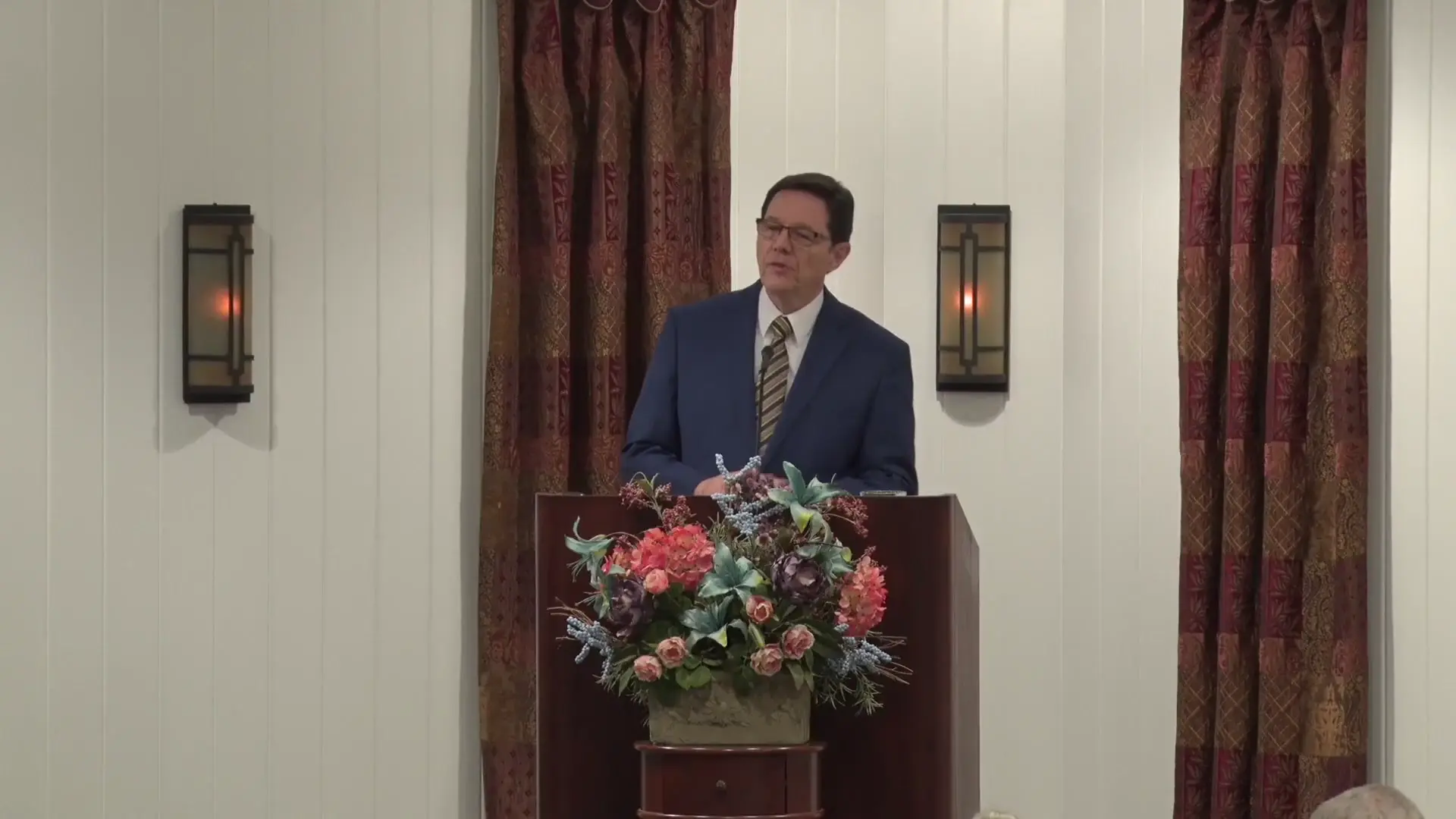
Sermon by Martin G. CollinsThe concept of false or nominal members within the church is addressed primarily through the Parable of the Wheat and the Tares, found in Matthew 13. Jesus spoke this parable to illustrate an aspect of God's church that would persist throughout its physical existence: the intermingling of genuinely converted believers with those who merely resemble them outwardly. In the parable, two sowers plant two different kinds of seed. The Son of Man, as the householder, sows only good seed, while His enemy, described using the Greek term diabolos, meaning the accuser or misrepresenter, sows bad seed among the good while the servants slept at night, revealing Satan's characteristically deceptive and calculated methods. The bad seed produces tares, identified as darnel, a weed nearly indistinguishable from wheat until maturity. This near-identical appearance explains why the servants could not separate the two without risking damage to the good crop; only after full growth could the difference be discerned. These tares represent religious hobbyists, people who attend church, pray, and read Scripture much like true Christians, yet remain unconverted. Jesus calls them children of the wicked one, not because they originate from him, but because their character develops under his influence and they are led by him. This parable exposes a mystery of evil intermingling with good, not only within congregations but throughout society generally, and it reflects Satan's ongoing method of operation. Importantly, this teaching clarifies a doctrinal distinction between the spiritual church and the visible physical church. The spiritual church, made up only of truly converted, Spirit-indwelt members, remains genuinely unified because God's Spirit cannot be divided. However, the visible physical congregation may contain both true believers and unconverted individuals who are present mainly for social association or argumentative purposes, meaning it will inevitably be imperfect and mixed until final separation occurs. The purpose of this teaching is not to expose or condemn such individuals prematurely, since God alone will reveal the bad seed once the good seed matures, but rather to warn the saints so they remain watchful. This connects directly to Christ's caution to Simon Peter that he would be sifted by Satan, reminding believers to guard against tares taking root within their own hearts, such as bitterness, complaining, spiritual laziness, or indifference toward truth. Ultimately, this teaching reinforces the broader emphasis on sound doctrine and spiritual vigilance necessary for preserving true unity, distinguishing authentic conversion from mere external religious participation, and encouraging believers to remain fruitful wherever God has placed them within His field.
Apostasy and Faith
CGG Weekly by Martin G. CollinsSpiritually, apostasy is rebellion against God or the abandonment of faith. It will increase as Christ's return nears, so we must be on guard against it.
Casting Pearls
Sermon by Richard T. RitenbaughJesus warns His disciples not to cast their pearls before those not called or those acting contemptuously to God's truth and would attack the messenger.

Inclusivity?
Sermon by Ronny H. GrahamMany churches have abandoned traditional values and have embraced humanism, using buzzwords such as inclusivity, community, spirituality, and justice.
The Faith Once Delivered
Feast of Tabernacles Sermon by Kim MyersJude 3-4 cautions us to contend for the faith once delivered to the saints. There are many who would attempt to turn the grace of God into lasciviousness.
Eating: How Good It Is! (Part Two)
'Personal' from John W. RitenbaughBy studying eating in the experiences of those in the Bible, we plumb a deep well of instruction from which we can draw vital lessons to help us through life.
Endurance
Sermonette by Ronny H. GrahamAs we approach the time of Christ's return, persecution will become increasingly intense, coming from places we least expect it. We must learn endurance.
Antichrist Deceptions
Sermon by Martin G. CollinsAntichrists manifest several characteristics, including fostering deception and confusion, preventing fellowship, and creating intense spiritual conflict.
How Much Leaven Can God Take?
Sermon by John W. RitenbaughThe tares and wheat must coexist until the harvest when the fruit will become clearly seen, at which time a separation and judgment will take place.