


Filter by Categories
Facing Times of Stress: Fear of the Future
Sermon by Martin G. CollinsFear of the future is a common spiritual depression that Satan produces, often after failing to depress people over the past. Its causes include sin, temperament, awareness of one's own weakness against the greatness of God's calling, and above all absorption in self. Thinking ahead and preparing is wise, but worry that paralyzes the present is wrong, as Matthew 6:34 teaches. Timothy, like Paul by nature timid, is the example. Paul's remedy in II Timothy 1:7 is that God has not given a spirit of fear but of power, love, and a sound mind. The fearful have forgotten what God has already given in the Holy Spirit and must stir it up through prayer and Bible study, rather than think like ordinary worldly people. Temperament remains after conversion, but the Spirit controls it. Power enables even the most timid to endure, as Peter's boldness after denying Christ shows. Love cures the self-concern at the root of fear, because absorption in God and in others leaves no room for self. A sound mind gives self-discipline and balance. God also promises never to leave or forsake His people and to finish the work He began in them, as David's life shows. Since perfect love casts out fear (I John 4:18), believers can live in the present, ready for the future, and fear nothing.
Antidotes to Fear and Depression
Sermon by Richard T. RitenbaughFear of the future and the depression it breeds come from two losses: a sense of control over one's life and emotions, and a positive sense of the future, which is hope. The antidote to the first is to admit that we are not in control, since weather, war, disease, and disaster lie far beyond us. Feeling responsible for them is futile and proud. God is sovereign, and His plan for mankind and for each individual aims at our ultimate good. Humbling ourselves before Him brings peace, as Proverbs 19:23, Isaiah 48:17-18, and Romans 8:28 show. Jesus commands that we not worry about tomorrow, because the Father who feeds the birds and clothes the lilies knows our needs. We are to seek first the Kingdom and righteousness, and the unconverted are the ones consumed with anxiety about having enough. We cast our cares on God because He cares for us as a father does (1 Peter 5). Paul says to bring everything to Him in prayer with thanksgiving, and His peace will guard our hearts and minds against future anxiety. This does not remove suffering, since God uses trials to perfect us. The antidote to the second loss is hope. Hope deferred makes the heart sick, yet Christ's return is certain even though no one knows whether it will come in his lifetime. Without God's vision of the future, people run wild. Hope is sustained by refusing to envy others, by the fear of the Lord, by knowing there is a hereafter, and by trusting that God guarantees our hope. Its foundation is the Spirit as a down payment of glory and the resurrection of Christ, so Christians should be the most optimistic people on earth.
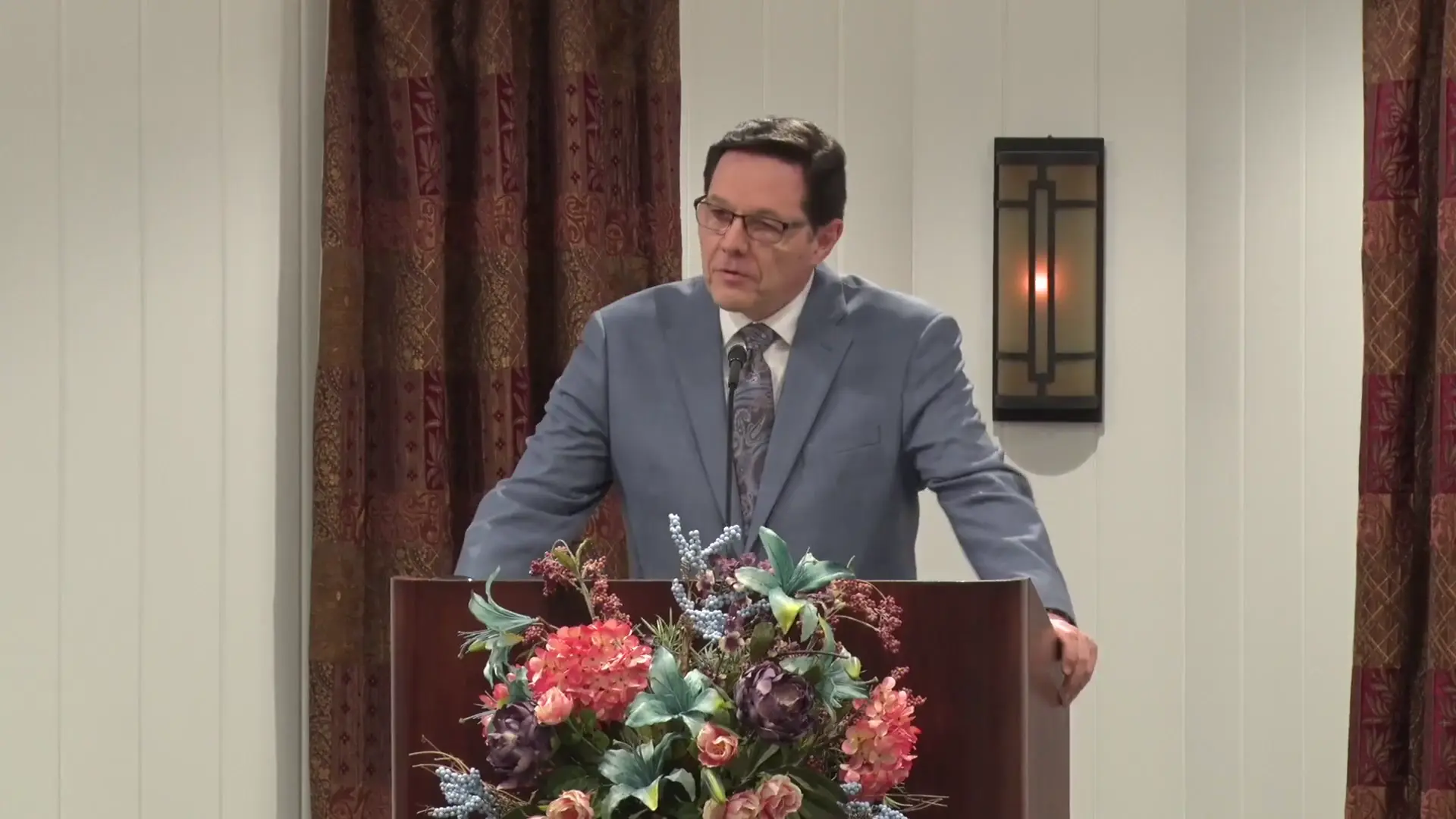
How Fear Resists Faith
Sermon by Martin G. CollinsFear of the unknown is natural, rooted largely in temperament and human nature, and Scripture records over 200 instances of fearful people or commands not to fear. Yet fear paralyzes faith, so believers must distinguish legitimate forethought, which plans and trusts God, from paralyzing worry, which Matthew 6:34 forbids. Timothy, anxious about Paul's imprisonment and coming persecution, illustrates the problem. Paul's answer in II Timothy 1:6-7 is that God has not given a spirit of fear but of power, love, and a sound mind. The fearful Christian's trouble is failing to recognize and stir up the Holy Spirit already given, and thinking like a worldly person. Temperament remains, but the Spirit, not temperament, must control. Power turns even the timid into the bold, as Peter's denial and later courage before the authorities show. Love cures the self-absorption behind fear, since concern for God and others displaces concern for self. A sound mind brings self-control and discipline, and God will supply words and strength under persecution, as Matthew 10 promises. God will not forsake those He has begun working in (Philippians 1:6; Hebrews 13:5-6), even when they have sinned greatly, as David's life shows. The remedy is to stop dwelling on fear, get to work, live in the present, pray, study, and walk forward in faith, trusting the One who holds the future.
The Point of No Return
Commentary by Joseph B. BaityEven before COVID-19, Americans were gripped by anxiety, fear, and depression, pointing to an unrecognized but quickly spreading mental health pandemic.
Be Still!
Sermon by Richard T. RitenbaughThe end-time proclivity of 'running to and fro' like so many ants is not something of God. He did not intend for us to live in such a fast-paced world.
The Grand Secret!
Sermon by Martin G. CollinsGod reveals a grand secret through David: namely, that spiritual growth will come to people who set the Lord before oneself continuously.
Ecclesiastes Resumed (Part Thirty-Eight): Ecclesiastes 11:1-8
Sermon by Richard T. RitenbaughSolomon counsels us to exercise diligence, work hard, plan for disruptions, obstacles, and roadblocks, spreading risk to work within this futile world.
Resistance (Part Two): Solutions
Sermon by Richard T. RitenbaughMoses, Jonah, David, and Gideon demonstrated resistance to God's prompts, indicating that they initially feared men more than they feared God.
Are Your Feelings Fighting Your Faith?
Sermon by Martin G. CollinsToday's Christianity is more theatrics than theological; feelings have become the replacement for faith, eroding spiritual growth and character.
Strategies for Interfacing with Babylon Without Becoming Assimilated (Part Two)
Sermon by David F. MaasThere are three basic causes for discontentment and three strategies to contentment, enabling us to emulate the apostle Paul's content state of mind.
Hedging Our Bet
Sermonette by Joseph B. BaityMankind desires to see into the future to control what is to come, realizing that knowing a future outcome can take the hazard out of decision-making.
Simplifying Life (Part Two)
Sermon by David F. MaasWe are obligated to conserve and redeem time by prioritizing daily communion with the Father and Jesus Christ, dedicating time to spiritual practices.
Faith and Prayer
Sermon by John W. RitenbaughConstant, earnest prayer keeps faith alive and makes certain the receiving of the qualities that make us in the image of God. God's purpose comes first.
Rejoice in What We Are (2011)
Sermon by John W. Ritenbaugh (1932-2023)Because we have been given revelation, we should have peace and a sense of well-being about life that would make the high-achievers of this world envious.
Philippians (Part Ten)
Sermon/Bible Study by John W. RitenbaughNot one of us with heavenly citizenship has ever been there, but like an ambassador, we are compelled to carry on the culture and laws in our lives.
Our Faith Is the Victory
Sermon by Martin G. CollinsWhile the carnal mindset is hostile to everything in God's word, we have been provided a gift to enable us to overcome: the faith from being born of God.
Prepare
Feast of Tabernacles Sermon by John O. ReidWe need to prepare for a grim future by coming out of this world, exercising and toughening up the spiritual aspects of our lives through Basic Training.
The Alarmists' Hoax
Commentary by Martin G. CollinsPost-truth refers to any situation where people are more likely to accept an argument based on their emotions and beliefs, rather than one based on facts.