


Filter by Categories
Are All Forms of Gambling or Games of Chance Sin?
Bible Questions & AnswersPursuing wealth through covetousness violates God's spiritual law as expressed in the Ten Commandments, since coveting another's possessions constitutes sin and prevents fulfillment of the command to love one's neighbor as oneself. Any effort to increase personal riches by depriving others reflects a greedy attitude that renders the activity wrong regardless of the stakes involved. Scripture states that those who maintain this mindset will not inherit the Kingdom of God and cautions against the lust for riches that leads individuals into temptation and harmful snares. The biblical work ethic further addresses this pursuit by declaring that anyone unwilling to work should not eat, condemning attempts to obtain wealth without labor as contrary to the diligence modeled by God Himself. Laziness and schemes promising quick gain without effort produce fruits such as family neglect, poverty, and theft, which must be avoided. Activities involving elements of chance remain permissible when they do not introduce coveting, and decisions in all such matters rest on the principle that breaking any commandment defines sin. Those who seek first the Kingdom of God and His righteousness receive the wisdom needed to choose rightly.
Gambling: A Question of Motive
Commentary by Martin G. CollinsThe addiction of gambling comes from the lure of effortless profit and the way of get, motivated by covetousness, which militates against contentment.
Preparing For Our Spiritual Inheritance
Sermonette by Ryan McClureBoth the Vanderbilts and Rockefellers started with similar fortunes, but the direction of the two founders and their immediate family led to different outcomes.
The Tenth Commandment
Sermon by John W. Ritenbaugh (1932-2023)Coveting begins as a desire. Human nature cannot be satisfied, nothing physical can satisfy covetousness, and joy does not derive from materialism.
The Quest for Permanence
Sermonette by David F. MaasFasting brings our heart into alignment with God. The very best offering we can present is a humble and contrite heart, put on the fast track through fasting.
God's Rest (Part 4)
Sermon by John W. RitenbaughCoveting—lust—is a fountainhead of many other sins. Desiring things is not wrong, but desiring someone else's things promotes overtly sinful behavior.
Are You Missing Out On Blessings?
Sermon by Martin G. CollinsOften physical prosperity works against godly character and spiritual well-being. To be rich toward God means to seek His Kingdom first, live His way, and trust Him.
Maintaining Good Health (Part 4)
Sermon by John W. RitenbaughWhile drunkenness and gluttony show self-centeredness and lack of discipline, often leading to poverty and ill health, moderation is the way to glorify God.
Keep Yourself From Idols
Sermon by Martin G. CollinsAn idol is anything in our lives that occupies the space which should be occupied by God alone, anything having a controlling force in our lives.
What's So Bad About Babylon? (1997)
Feast of Tabernacles Sermon by John W. RitenbaughBabylon constitutes the fountainhead of instruction that, like strong drink, impairs the ability to function properly while creating the illusion of ability.
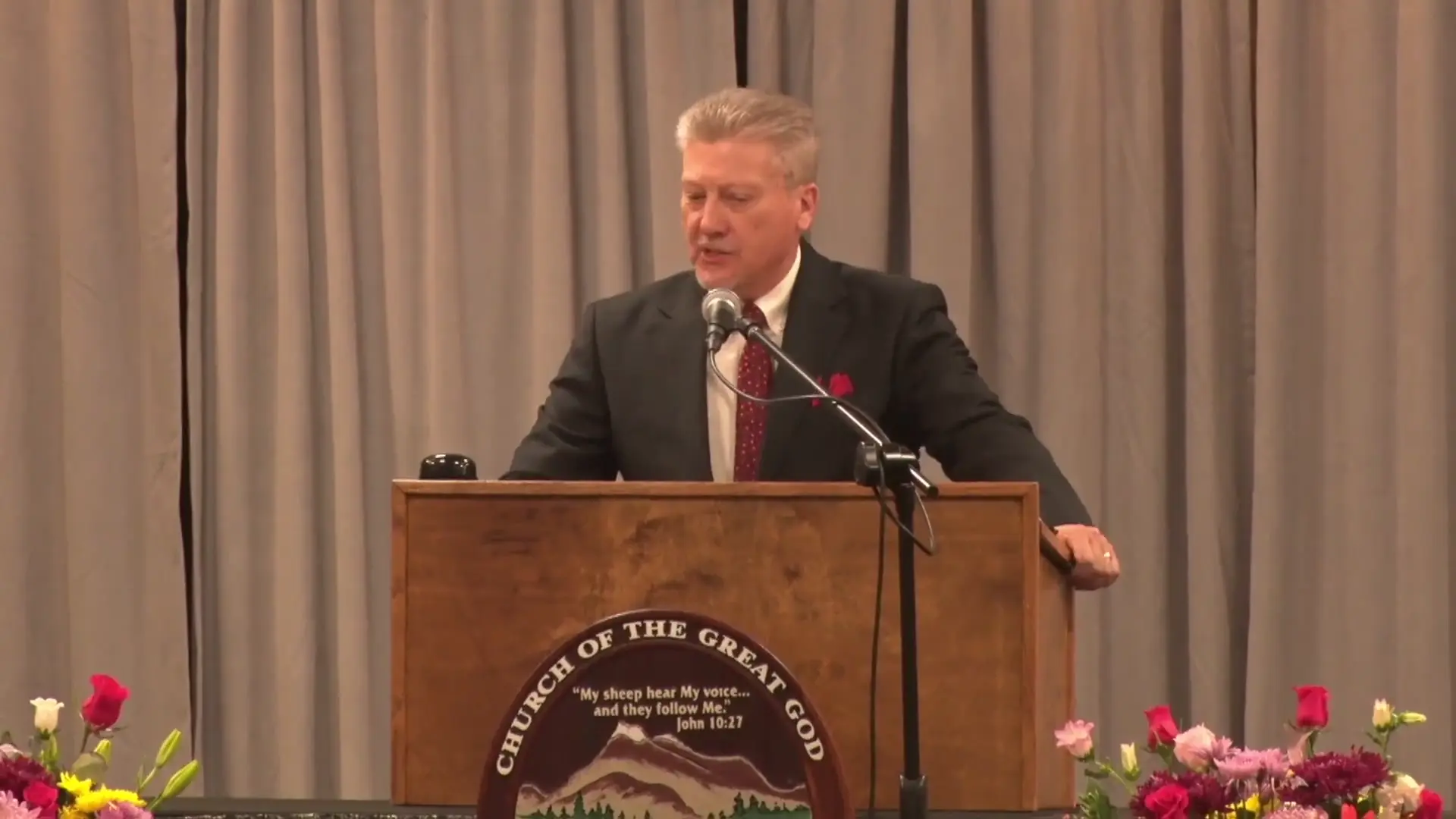
Are You Ready For Kingship?
Feast of Tabernacles Sermon by Richard T. RitenbaughRevelation 5:10 declares that God has made His people kings and priests who will reign on the earth. This is not a figurehead role like modern constitutional monarchies, but genuine ruling authority, symbolized by a rod of iron. The question naturally follows: are God's people actively preparing for this kingship? John 14:1-3 reveals that Christ, since His ascension, has been preparing a place, an office, for each of His followers. At His return, He will resurrect His firstfruits and invite them to join Him in ruling the earth. The Bible itself serves as the royal instruction manual, containing the laws, principles, and character of God that future kings will need. Deuteronomy 17:14-20, titled "Principles Governing Kings," provides five foundational lessons for those being prepared to rule. First, the king must be an Israelite whom God chooses. Spiritually, this refers to God's calling and election. Those called, baptized, and Spirit-led become the spiritual Israel of God. The name Israel means one who prevails with God, pointing to the essential character trait of an overcomer. Revelation 2 and 3 confirm that those who overcome will be granted thrones and share in Christ's inheritance. Second, the king must not multiply horses. Horses represent military power and worldly ambition. God's instruction is to avoid trusting in carnal methods of gaining power and instead trust Him to fight spiritual battles. As Exodus 14 and 23 demonstrate, God promises to be an enemy to His people's enemies. The real battle is spiritual, fought against sin and false beliefs, and victory comes little by little through faith and endurance. Third, the king must not multiply wives. In the ancient world, kings used marriages to forge political alliances. Spiritually, this warns against forming covenantal ties with worldly beliefs and distractions that compete with loyalty to God. God
Knowing Christ (Part 4)
Sermon by John W. RitenbaughSanctification is the longest, most difficult, and most grueling part of the conversion process—a time when suffering and sacrifice are demanded of us.

The Eternal Privileges of the Bride
Feast of Tabernacles Sermon by Martin G. CollinsJust as a bride gains a new identity, name, and inheritance through marriage, God's chosen saints, share Christ's very life, glory, and eternal prospects.
Peace with God Through Christ
Sermon by Martin G. CollinsThe only possibility of attaining peace is a relationship with God—peace with God through our Lord and Savior Jesus Christ, which must continually be refined.