


Filter by Categories
Contentment is Learned
Sermonette by Martin G. CollinsContentment is a precious gift, yet it eludes many in a world filled with dissatisfaction. Despite living in affluence, people often feel they lack enough, harboring misery because they have not found the internal contentment so vital to life. This discontent stems from a perception of unfairness, leading to resentment toward others and even toward God Himself. Contentment, however, is not a passive state but a skill to be learned through effort. It requires freedom from irritation, anxiety, and worry, finding true satisfaction through God. As exemplified by the apostle Paul, contentment can be achieved in any circumstance, whether in poverty or abundance. Paul learned to be content, bearing personal trials without anxiety, through hard work and faith that God is just and fair. His experiences, filled with trials and perils, taught him invaluable lessons in contentment, showing that a spirit of impatience yields no good fruit and solves nothing. True contentment is a deep-seated habit, an inward state of mind rooted in godliness and righteousness. It is not mere satisfaction with specific circumstances but a conviction that God is always fair in all His dealings. This learned contentment arises from the hard work of character building, sustained by the strength that comes through Christ, who exemplifies perfect contentment despite enduring immense suffering. Godliness paired with contentment brings great gain, emphasizing that with basic provisions like food and clothing, we should find contentment, trusting in God's providence.
Facing Times of Stress: Contentment
Sermon by Martin G. CollinsIn these trying times of stress and moral decline, discontentment often overwhelms us, stemming from dissatisfaction with leaders, relationships, jobs, and even religious communities. Yet, contentment is not a natural state; it must be learned through diligent effort and a focused mind. Contentment brings freedom from irritation, anxiety, and worry, embodying a sense of independence and self-sufficiency. The Apostle Paul exemplifies this in Philippians 4:11-12, declaring, "Not that I speak in regard to need, for I have learned in whatever state I am, to be content: I know how to be abased, and I know how to abound. Everywhere and in all things I have learned both to be full and to be hungry, both to abound and to suffer need." This self-sufficiency, in the positive sense, means being independent of circumstances, not controlled by external conditions, whether in poverty or abundance. Paul's journey to contentment was a process of learning and instruction, as he notes, "I have come to learn," and "I am instructed," indicating a deep initiation into this mystery through experience. Despite his natural sensitivities and active disposition, Paul faced imprisonment and physical trials like the thorn in the flesh, yet he learned to accept God's grace as sufficient. His experiences, including singing hymns in prison with Silas as recorded in Acts 16:25, demonstrate a profound independence from surrounding conditions. Through Christ, who strengthened him, Paul could endure all things, maintaining joy and peace regardless of circumstance, as seen in Philippians 4:13, "I can do all things through Christ who strengthens Me." Learning contentment involves recognizing that circumstances are temporary and part of God's greater purpose for personal growth. Paul reasoned that his relationship with God was paramount, trusting in God's care and mysterious ways, which are always for the good. He understood conditions as fleeting, not allowing them to dictate his happiness, and viewed them as God's means of perfecting him. This perspective enabled Paul to remain steadfast, finding satisfaction in God and Christ alone, ensuring that no trial could rob him of the ultimate joy awaiting with Christ.
Contentment
Sermon by John O. ReidIn the pursuit of contentment, we must recognize that it is not a natural state but a learned one, as exemplified by Paul who declared he had learned to be content in whatever state he found himself. This learning process involves enduring various circumstances, whether in abundance or in need, and understanding that true contentment stems from a relationship with God rather than from physical circumstances or material wealth. Paul's life, filled with trials and suffering, taught him to rely not on his own strength but on the power of Christ who strengthened him, enabling him to bear any trial and perform any duty. Contentment requires active effort and discipline, not passive acceptance. We are called to work diligently in all areas of life, whether in our jobs, marriages, or child-rearing, applying God's principles to foster a state of peace. Paul's example urges us to run the race set before us with self-control, striving for the imperishable crown, and not to rest complacently but to press on toward the goal of God's calling. Furthermore, learning contentment involves trusting in God's promises and presence. As Paul learned through his experiences that God was always with him, we too must develop this trust, knowing that God will never leave nor forsake us. This assurance brings a peace that surpasses understanding, guarding our hearts and minds through Christ Jesus. By focusing on things that are true, noble, just, pure, lovely, and of good report, we fill our minds with encouraging thoughts, aiding us in achieving the contentment Paul described. Through persistent prayer, supplication, and thanksgiving, we can make our requests known to God, finding the peace and contentment that comes from His presence in our lives.
Peace, Peace (Part Three): Contentment
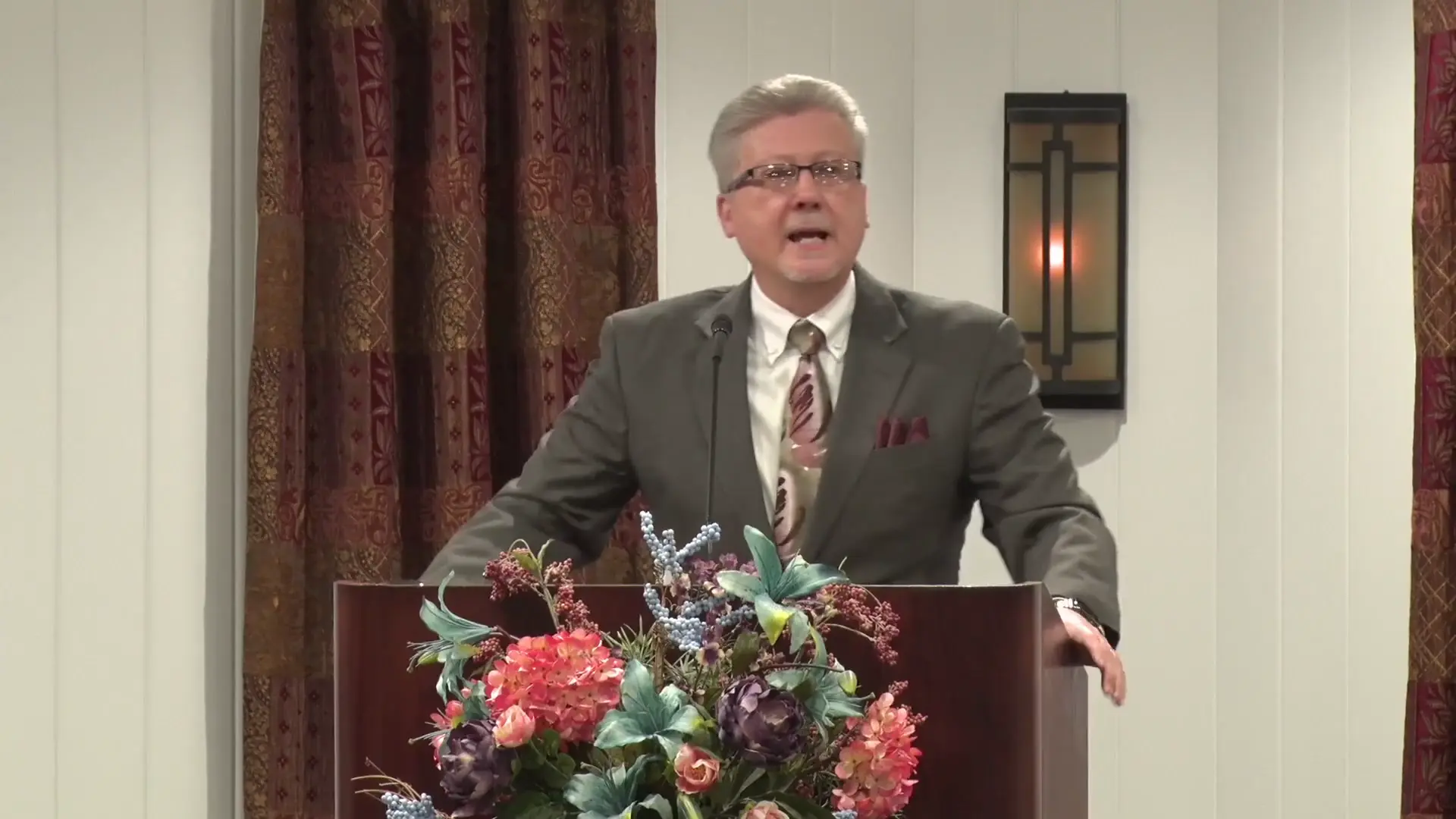
Sermon by Richard T. RitenbaughThe third facet of peace arises from one's perception of wholeness or completeness as an internal mindset linked to God's gift of peace. With this peace working within, one feels the proper satisfaction and contentment and can say that things are going as they should. One is content with one's lot and needs nothing further to make life joyful and full of purpose. Once Christ is in one's life and one responds properly, one truly needs nothing more because one knows one is headed for eternal life in the Kingdom of God. This produces contentment and satisfaction that with God one is whole and complete. Paul states that he has learned in whatever state he is to be content. The peace of God and working with God produced this contentment and internal peace. Those experiences taught him that God was with him all the time. He learned that with God by his side even in the worst situation he could be joyous. Good works perfect us and complete us. They teach us things and help us learn good habits. Through trials we learn patience and endurance. We must be engaged in the sanctification process because God has supplied everything needed for Christian growth. If we engage and reciprocate upon His gifts with movement toward doing what He wants, He will be with us every step of the way.
Joy No One Will Take From You!
Feast of Tabernacles Sermon by Martin G. CollinsMaterialism has never led to anything but increased sorrow. True lasting joy is based neither on material accumulation nor in physical accomplishments.
Strategies for Interfacing with Babylon Without Becoming Assimilated (Part Two)
Sermon by David F. MaasThere are three basic causes for discontentment and three strategies to contentment, enabling us to emulate the apostle Paul's content state of mind.
Are You Living an Abundant Life?
Sermon by Richard T. RitenbaughIf Christianity is lived the way Christ intended, rather than as represented by media caricatures, it is one of the most exhilarating and abundant lifestyles.
Our Part in the Sanctification Process (Part Three): Cultivating Joy
Sermon by David F. MaasStrategies for cultivating joy include developing contentment and gratitude, giving rather than getting, finding pleasure in work, and valuing God's law.
Living Abundantly In Tough Times
Sermon by Richard T. RitenbaughLived properly, a Christian's life is scintillating and deeply satisfying, full of rewards, even though it involves responsibility and self-control.
Philippians (Part Ten)
Sermon/Bible Study by John W. RitenbaughNot one of us with heavenly citizenship has ever been there, but like an ambassador, we are compelled to carry on the culture and laws in our lives.
Fatherhood and Modern Temptations
Sermon by Martin G. CollinsMany fathers abdicate their leadership responsibilities, becoming addicted to workaholism, television, or even pornography. The culture teeters on destruction
Preparing To Be King
Feast of Tabernacles Sermon by Richard T. RitenbaughOur life is intended to be preparation for rulership in the Kingdom of God. The Bible has included instructions for preparing for rulership.