


Filter by Categories
Happiness is Circumstantial, but Joy is Not!
Feast of Tabernacles Sermon by Martin G. CollinsGod commands us to be happy regardless of circumstance. Happiness is circumstantial, but joy is not. Joy is an inner quality of delight in God, meant to spring up within the Christian in a way totally unrelated to the adversities or circumstantial blessings of this life. Even in the midst of suffering, there can be a superior joy, as seen in those confined to homes or hospitals who remain cheerful and thankful for their condition. Those whose happiness is founded on a rock will experience the same blows and sufferings that come to others, but underneath will run a current of deeper happiness, which nothing can shake nor take away. The happiness of the world is superficial and depends upon circumstances, whereas the joy described in Matthew 5 fills the soul even in the most depressing events. Jesus Himself had a happiness not dependent on outward circumstances, reacting with calmness and serenity through the most trying situations. True happiness and joy are found not in external things but in an inward mode of dealing with them, through a purity of spirit, meekness, and a hunger for righteousness as outlined by Jesus Christ.
Challenges
CGG Weekly by Gary MontgomeryThroughout life, everyone encounters difficulties, and every Christian faces trials that test and shape their faith. Adversity is a common part of existence, presenting daily challenges from carnality, the world, and spiritual forces of darkness. Many brethren currently endure trials such as sickness, financial struggles, and relationship issues at home and work. Each individual faces unique situations that test their ability to overcome and grow strong in faith. However, God promises that no temptation will be beyond what one can handle, always providing a way of escape to bear it. Christ, our Elder Brother, and God the Father remain faithful to Their promises, delivering us as They delivered Paul from his numerous adversities, persecutions, and afflictions. Every challenge conquered with His help strengthens resolve, confidence, and the ability to face future obstacles, building perseverance and faith. Our Lord Himself endured challenges far greater than ours, facing direct confrontations with satan and threats to His life. As disciples, we too must conquer and overcome as He did, staying connected to the Vine, our source of power and growth, while supporting and encouraging each other as fellow sojourners on the path to God's Kingdom.
Dealing With Change (Part One)
CGG Weekly by David C. GrabbeNone of the heroes of faith lived a settled life. They experienced continual change to their circumstances, yet they soldiered on and emerged victorious
Faith and Contentment (Part One)
CGG Weekly by John ReissA Christian can be content because his faith and trust are in the trustworthiness of the supreme God. The world is not spinning wildly out of control.
Facing Times of Stress: When God Is Silent (Part Three)
Sermon by Martin G. CollinsActs 27 teaches that we must distinguish among several types of suffering. Regardless of the type of suffering, we must remember that God will deliver us.

Psalm Genres (Part Four): Laments
Sermon by Richard T. RitenbaughLife on this planet, amidst 8 billion others, is inherently difficult, as we often complicate each other's existence, multiplying trials and tribulations. Storms of hardship batter us relentlessly, far beyond mere occasional rain. Sorrow prevails in the world, and even wealth cannot shield one from grief, as loss and troubles inevitably strike. The hardest years span from childhood to old age, and life is often described as a lesson in humility, a horizontal fall, or a series of sobs and sniffles with rare smiles. For most, a life untouched by sorrow is nearly impossible, especially before God calls us. Even after, trials persist as God works to shape us, though these challenges can ultimately increase our joy if we remain faithful to Him. The Psalms reflect this reality, with laments constituting a dominant portion, highlighting the fundamental truth of human struggle. These laments, whether individual or communal, arise from distresses like illness, false accusations, persecution, warfare, or any combination of crises that bombard us simultaneously. God does not hide the fact of our sorrows but brings them into full view through the Psalms, encouraging us to confront and work through both the emotional and intellectual aspects of our grief. In Psalm 64, the psalmist faces a crisis of secret plots and verbal attacks, lamenting the wickedness of enemies while expressing confidence that God will turn their schemes against them. Similarly, in Psalm 44, a communal lament after a humiliating defeat, the people grapple with perplexity over God's apparent absence, yet assert their faithfulness and ultimately trust in His future deliverance despite unresolved pain. These circumstances of trial, whether personal or collective, often leave us baffled and stressed, yet the Psalms guide us from despair to faith, showing that even in the darkest times, trust in God can transform our outlook to one of hope and eventual joy.
Facing Times of Stress: Contentment
Sermon by Martin G. CollinsIf we trust God, we do not have to worry about the future. Having abundance and having need both have their unique problems and difficulties.
Hope in a Turbulent World
Sermon by John W. Ritenbaugh (1932-2023)Greek and Roman myths have shaped the world view of Western culture, including our attitude toward hope, a concept which is often abused and distorted.
Dealing With Change (Part Two)
CGG Weekly by David C. GrabbeThose who call Christ 'Lord, Lord' yet fail to do what He says face ruin when disaster strikes, while those who do what He says will weather the storm.
Overcoming Discouragement and Depression
Sermon by Martin G. CollinsEven loyal servants of God have had to contend with depression and discouragement. Antidotes include rest, refocus, right expectations, and obedient actions.
Ecclesiastes Resumed (Part Seven)
Sermon by John W. Ritenbaugh (1932-2023)God has given time to mankind as a gift, manipulating its use for us. The bad as well as the pleasant aspects of life are fashioned for our ultimate good.
Contentment is Learned
Sermonette by Martin G. CollinsContentment does not come without work, but must be developed as the result of weathering trials by the faith of Christ.
Abraham (Part Five)
Sermon/Bible Study by John W. RitenbaughWe learn from Abraham's experience to trust God even when we have incomplete information. When we attempt to take the expedient way out, we will run into trouble.

It's Enough! Now, Lord, Take My Life!
Sermon by Martin G. CollinsGreat luminaries of faith all wrestled with devastating despair. We must face depression with honesty, compassion, and unwavering trust in God.
Made His Wonderful Works to Be Remembered (Part Two)
Sermon by Mark SchindlerThose called by God now have a unique privilege and responsibility to live in God's truth, distinguishing them from those who have hope but lack understanding.
Fully Accepting God's Sovereignty (Part One)
Feast of Tabernacles Sermon by John W. Ritenbaugh (1932-2023)We are mandated to live by faith, being given trials of faith in order to chisel our character. We must totally and unreservedly accept God's sovereignty.
God Has the Last Word
Commentary by John W. Ritenbaugh (1932-2023)We need to realize the seriousness of the times, waking ourselves out of our zombie-like slumber, casting off the works of darkness.
The Virtues of Patience, Endurance, and Longsuffering
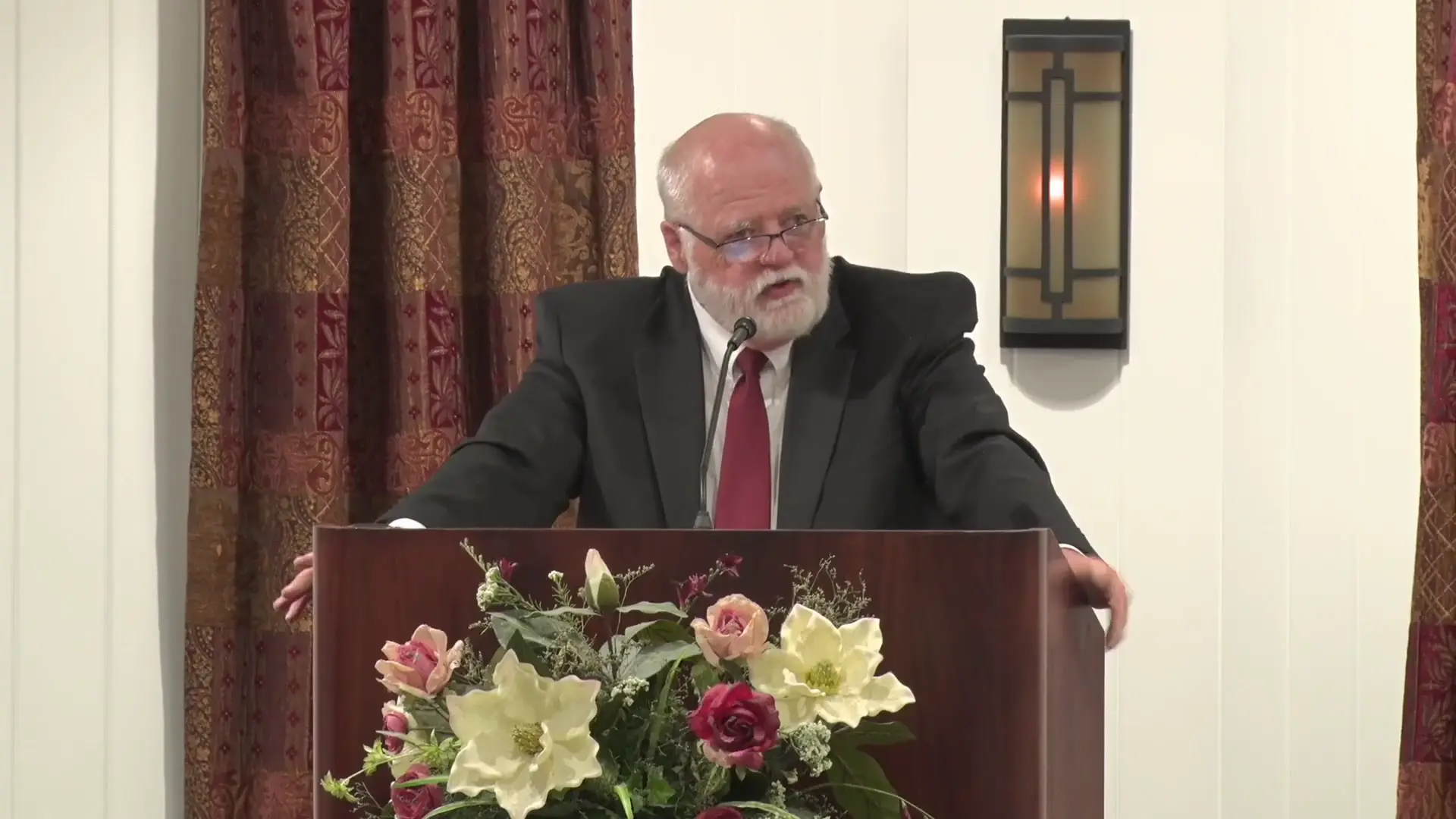
Sermon by Ted E. BowlingPatience, longsuffering, and endurance reflect God's character and are essential qualities of Christian living. Rooted in love and produced by God's Spirit, they enable believers to respond to delays, difficulties, and the faults of others with grace while remaining faithful through adversity. Scripture shows that trials test faith, develop perseverance, shape character, and strengthen hope. The examples of Joseph, Hannah, David, Peter, and others demonstrate how God can use prolonged hardship to accomplish His purposes, often providing what we need rather than what we desire. Like the injured marathon runner who refused to quit because he was sent to finish the race, Christians are called to persevere. Hebrews 12:1-2 points to Jesus as the ultimate example, encouraging believers to run their race with endurance, trusting God's presence and faithfulness until they reach the finish line.
The Providence of God (Part Two)
Sermon by John W. RitenbaughEven when we exercise free moral agency, God engineers circumstances and outcomes so that we are virtually forced to make the right decision.

The Genuineness of Your Faith
Sermon by Martin G. CollinsIn the Bible, character is not affirmed until action takes place-namely obedience to God's commands in which faith or trust in God is the dominant ingredient.

Repentant Goats
Sermon by Bill OnisickBecause of our carnal natures, we have many goat-like tendencies, leading us to do it our own way. Like stubborn billy goats, we are short on longsuffering.
The Miracles of Jesus Christ: Walking On Water (Part Two)
Bible Study by Martin G. CollinsJesus' miracle of walking on the water contravenes everything we know about natural law, showing that God is sovereign and more powerful than the laws He made.
Facing Times of Stress: Faithfulness
Sermon by Martin G. CollinsPrayers often become difficult because we fail to add thanksgiving, praise or adoration toward God. Thankfulness is an obligation to which we are bound.
Whom the Lord Loves He Chastens (Part One)
Sermon by Martin G. CollinsIf we are not receiving God's correction or chastisement, we should be concerned! God's chastening is what He uses to sanctify His spiritual children.
Consequences of a Wrong Focus (Part Two)
CGG Weekly by Clyde FinkleaContempt manifests itself in bad feelings and wrong attitudes against the source of the problem and against God and the purposes He seeks to accomplish.