


Filter by Categories
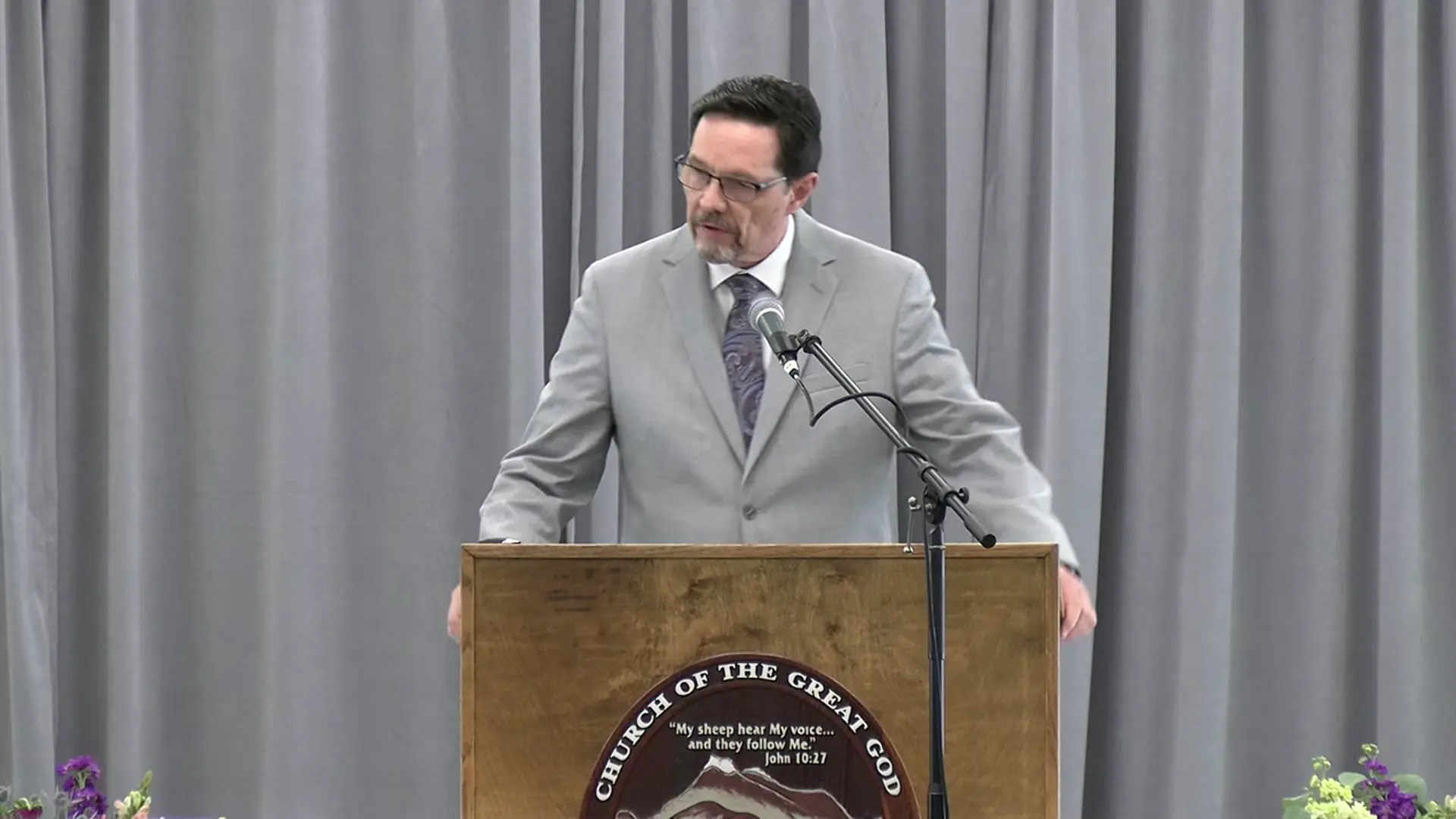
The Radiance of God's Glory
Feast of Tabernacles Sermon by Martin G. CollinsThe Greek word phos means to shine or make manifest, especially by rays, and carries the sense of luminousness in its broadest application, whether natural or artificial, abstract or concrete, literal or figurative. Jesus uses it of Himself in John 8:12, "I am the light of the world," and of His followers in Matthew 5:14, "You are the light of the world." This differs from luchnos, the word for a portable lamp or direct illuminator, which describes John the Baptizer in John 5:35. John shed light on one specific event, the coming of the Son of God, while members of God's church are to shine and make visible God's entire way of life. They are called out of darkness into His marvelous light (I Peter 2:9) and told to walk as children of light (Ephesians 5:8). Their light is not self-generated. God, who commanded light to shine out of darkness, shines in their hearts through the knowledge of the glory of God in the face of Jesus Christ (II Corinthians 4:6). Being light means living God's way of life and teaching it to others as faithful witnesses. It means illumination of knowledge and understanding of truth, not the mere form of knowledge that produced hypocrisy among the Jews of Christ's day. God Himself is light, and in Him is no darkness at all.
The Lord is My Light and Salvation
Feast of Tabernacles Sermon by Martin G. CollinsThe Greek word phos means to shine or make evident, especially by rays, and it also means luminous in the widest application, whether natural or artificial, abstract or concrete, literal or figurative. It is the root behind English words like phosphorus. Jesus uses it of His disciples in Matthew 5:14-16 when He says, "You are the light of the world," so members of the New Testament church are phos. This contrasts with luchnos, the word Jesus applied to John the Baptizer in John 5:35, meaning a portable lamp or direct illuminator. John came to shine a light on one specific event, the coming of the Son of God. Church members, as phos, are to shine and make visible God's whole way of life and the knowledge they have of it to all people. The two words confirm two distinct commissions. Believers who have been delivered from darkness are defined by light, and their light must be backed by a life that lives God's way. A mere form of knowledge, without practice, is hypocrisy and cannot pass God's heart-searching eye.
Everlasting Light
Feast of Tabernacles Sermon by Martin G. CollinsThe Greek word phos is the term Jesus uses in Matthew 5:14, "You are the light of the world," for the disciples of the New Testament church, including believers today. It means to shine or make manifest, especially by rays, and it carries the widest application of luminousness, whether natural or artificial, abstract or concrete, literal or figurative. This contrasts with luchnos, the word used of John the Baptist as a "burning and shining lamp" in John 5:35. Luchnos means a portable lamp or direct illuminator, which fits John's narrow commission to shine a spotlight on one specific event, the coming of the Son of God. Because phos is broader, members of God's church are to shine and make visible God's whole way of life, not a single event. The word also defines the believer's very essence, since those delivered from the power of darkness and brought into the Kingdom of Christ are strongly associated with light. This light comes from within, from the heart, as part of the essence of God and His children, and is never a mere outward form or appearance of godliness.