


Filter by Categories
Spiritual Renewal
Sermon by Martin G. CollinsIn the midst of a Corinthian society steeped in immorality and materialism, the apostle Paul expressed deep concern for the spiritual state of the Christians there, warning them against the worldly influences that threatened their unity and relationship with God. He urged them to reject the spirit of the world, characterized by contention, jealousy, and selfish ambition, and to embrace the transformative power of God's Holy Spirit. This Spirit, a divine gift to the church, serves as a pledge of greater blessings to come, enabling believers to produce the fruit of love, joy, peace, patience, kindness, goodness, faithfulness, gentleness, and self-control. Salvation, through union with Christ, brings about a profound renewal, described as a new creation where the old self is replaced with a new nature. This inner transformation, often termed as being born from above, is fueled by the Holy Spirit, renewing the believer's mind and aligning their character with Christ's image. It involves a behavioral change, prompting new steps in life where actions and relationships are transformed to reflect a higher moral and spiritual standard, distinct from the world. The concept of newness is central to this spiritual renewal, emphasizing a fresh, unaccustomed quality that differs from the old. This newness manifests in a new covenant, a new commandment, and a new spiritual character, urging believers to put off their old natures and be renewed in the spirit of their minds. God, as the source of new beginnings, continuously works to perfect and complete what was old, offering regeneration that marks a clean break from the past. Pentecost symbolizes this spiritual harvest and new beginning, marking the moment when God sent His Holy Spirit to His church, empowering disciples with love and understanding to carry out His work. It signifies that those called now are His firstfruits, selected to be transformed into a new spiritual creation through His Spirit. God's plan of renewal stretches from creation to the ultimate future, inviting all humanity to join in this transformation at their appointed time, becoming part of His new creation where righteousness flourishes as a permanent essence.
Reflection, Transformation, and the Eighth Day
Sermonette by James C. StoertzThe Last Great Day, also known as the 8th Day, is a holy convocation that stands apart as its own sacred assembly. It calls believers to reflect on the past, including the preceding seven days of the Feast of Tabernacles, while looking forward to the promise of renewal and Christ's redemption for all humanity. This day urges consideration of what lies beyond the tribulation and the millennium, pointing toward the ultimate transformation of every person who has ever lived. Doorways serve as a powerful metaphor for change and transformation. Just as switching grades, starting a new job, or returning home from the feast can mark opportunities for renewal, God has opened a greater doorway through which believers are called to step fully and willingly. These transitions require time, willpower, and faith, as many hesitate on the threshold in fear and uncertainty. A survey of transformations throughout Scripture reveals a consistent pattern. Creation brought order from chaos. The flood allowed God to start over with Noah. Jacob became Israel after wrestling with the Angel of the Lord. The Exodus transformed enslaved people into a covenant nation. Saul of Tarsus became Paul through a dramatic encounter on the Damascus road. Most decisively, Christ's death and resurrection inaugurated the New Covenant, the foundational transformation on which all spiritual life depends. The present transformation is the ongoing work of God in believers' lives. As stated in II Corinthians 5:17, anyone in Christ is on the threshold of a new creation, growing continually into His image through the Holy Spirit. Future transformations include the glorification of the sons of God at Christ's return and the great white throne judgment, representing a potential harvest of billions who will receive their opportunity for repentance, faith, and obedience. All of God's transitions share common characteri
The Sacred Assemblies
Sermonette by David C. GrabbeThe Last Day of Unleavened Bread and the Eighth Day are the only designated "sacred assemblies," which require a greater degree of solemnity for reflection.
The Eighth Day (2019)
Sermonette by David C. GrabbeThe Eight Day (or Last Great Day) has little written about it, but the patterns of Scripture reveal much about the abundance of this holy day.
Born Again (Part 1)
Sermon by John W. Ritenbaugh (1932-2023)Baptism and being born again were already understood by the Jews, but the traditions had evidently blinded people to some additional spiritual nuances.

Titus (Part Seven): Maintaining Good Works
Sermon by Richard T. RitenbaughEven though we are not justified by good works, good works are the honing process with which God perfects us in the life-long process of sanctification.
Attributes of the Eagle
Sermonette by Christian D. HunterThe eagle is a magnificent awe-inspiriting creature God uses to illustrate His relationship with His people, portraying protection, deliverance, and renewal.
Psalm 51 (Part Three): Psalm 51:5-12
Sermon by Richard T. RitenbaughAs physical filth repulses the senses, sin ought to repulse the spirit. David's repentance depicts total immersion in sin and the critical need for God's cleansing.
Immutable Scientific Laws
Sermon by Martin G. Collins'God' and 'science' are assumed to be mutually exclusive or contradictory. But true science substantiates the awesome complexity of God's handiwork.
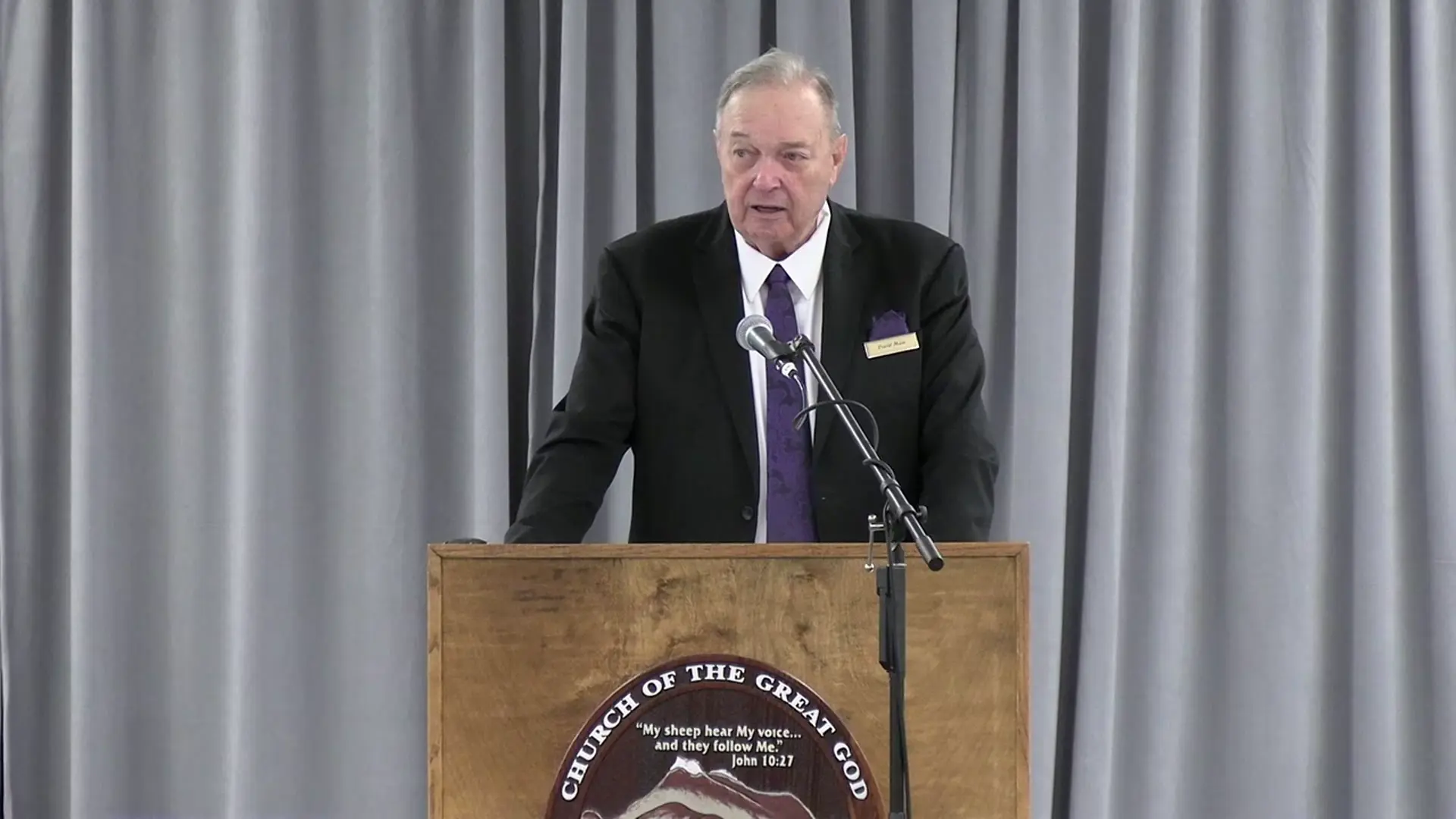
Simplifying Life (Part Five)
Feast of Tabernacles Sermon by David F. MaasThe seventh-day Sabbath is God's design for rest, sanctification, and restoration, both today and for the entire creation in the Kingdom of God.
The Angel of God
Sermon by Richard T. RitenbaughThe Angel of the Lord is the pre-incarnate Christ, who appears at critical moments in history to deliberately move events toward their fulfillment.
One Nation Under God (Part One)
Feast of Tabernacles Sermon by Martin G. CollinsNational renewal cannot take place unless there is a true turning from sin and commitment to following the Law of God.
Approaching God Through Christ (Part Four)
Sermon by Richard T. RitenbaughJesus Christ is symbolized by the table of showbread in the Tabernacle, having gold utensils and vessels for bread and wine, symbolizing our fellowship with God.