


Filter by Categories
Without Natural Affection
Sermonette by Richard T. RitenbaughIn these perilous times, as foretold, society is marked by a profound lack of natural affection, a condition where the normal bonds of family love are broken. This absence of human affection, described as callous and inhuman, manifests in the way family members treat each other with indifference or hostility. It reflects an age where the love that should exist within families is dying, paralleling historical times when children were discarded and considered misfortunes. Today, this lack of natural affection is evident in the violence and rebellion among youth, where status is gained through dangerous acts, and material desires drive individuals to maim or kill for trivial possessions. This coldness of heart, as prophesied, grows through a constant societal process, gradually eroding love as lawlessness multiplies exponentially. Sin begets more sin, and in an atmosphere where guilt is downplayed, love inevitably grows cold, affecting even the disciples of Christ, where the majority may cool off in their love for God and fellow men. Yet, there is a call to endure, to continue in the truth learned, and to stay close to God through the Scriptures, which equip us for every good work. By doing so, we can rekindle our love, showing natural affection to one another as brethren, and thus honor Him through our actions toward the least of His brethren.

Handwriting on the Wall: Without Natural Affection
Feast of Tabernacles Sermon by Richard T. RitenbaughIn these last days, as described in II Timothy 3:1-5, society is marked by a profound lack of natural affection, a condition captured by the Greek term *astorgos*, meaning without family love, heartless, and merciless. This absence of natural affection reflects a deep-seated selfishness where individuals prioritize themselves above all else, leading to broken bonds between family members, especially between parents and children. Over decades, cultural shifts have eroded the close ties once common, where families spent nearly all their time together, working, learning, and living in tight unity. Now, children and parents are often separated by schedules, technology, and media influences that promote division and disdain for familial roles, portraying parents as dispensable or laughable. This growing coldness of love, as Jesus warns in Matthew 24:12, is a gradual process, fueled by increasing lawlessness that multiplies like a rampant crop. Sin begets more sin, and in an atmosphere where guilt and morality are dismissed, people pursue self-gratification without restraint, further chilling the natural affection that should bind families. The result is a society where even the most basic human connections are severed, leaving individuals isolated and unloving. Yet, there is a call to resist this trend. As Paul advises in II Timothy 3:12 and beyond, the remedy lies in continuing to practice what has been learned and in diligently studying God's revelation to grow in knowledge, understanding, and wisdom. Unlike the world, which drifts further from natural affection, the path forward is to embody a countercultural stance, actively serving one another with the love and care that flows from the Holy Spirit. This means not only knowing the truth but doing good, following the example of Jesus Christ, who both preached and performed acts of kindness. In every interaction, there is an opportunity to give spiritual gifts—love, joy, peace, patience—and to push back against society's retreat from natural affection, fostering instead a community of loving service among God's people.
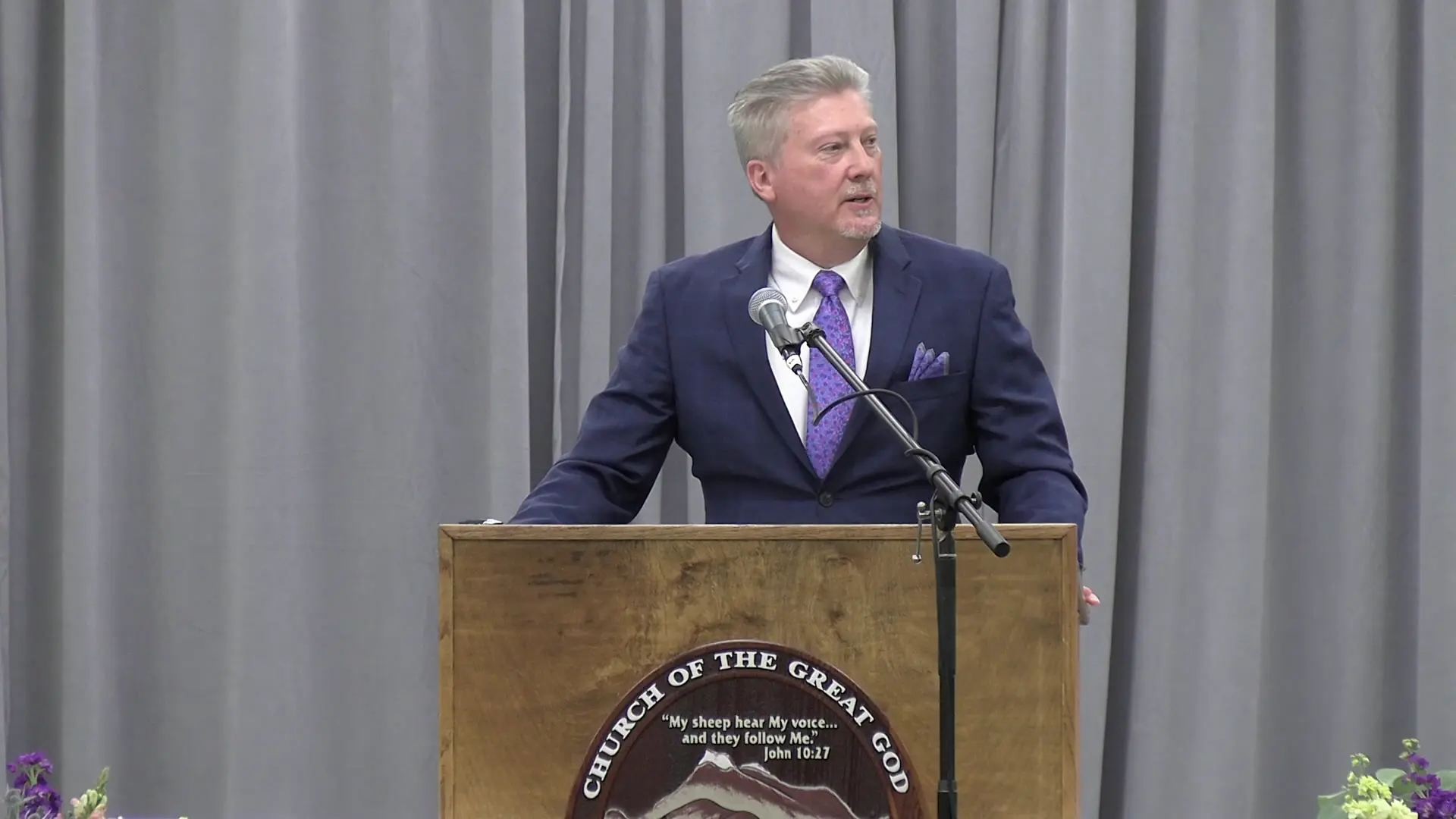
Handwriting on the Wall (2025): Brutality
Feast of Tabernacles Sermon by Richard T. RitenbaughThe growing brutality and moral decay of modern society is a clear, visible sign of the times pointing to Christ's imminent return.