


Filter by Categories
Was Jesus Christ's Body Broken? (Part Three)
CGG Weekly by David C. GrabbeJesus Christ, in us, represents a profound union through the act of communion during the Passover. Through the breaking of bread, which symbolizes His living flesh, we participate in a sacrificial meal that unites us with Him. This bread, though broken for sharing, remains one, reflecting the unbroken body of Christ, in whom we are joined as one body. His flesh, as He described, is the bread of life, a source of eternal vitality and strength, promising everlasting life to those who partake of it. When He abides in us, and we in Him, we are connected to His sinless life, not a defeated or broken body. By eating this living bread, we sustain our bond with the living Savior, accepted into God's presence through His undefiled, perfect life.
God In Us
Sermonette by Ronny H. GrahamThe force of the preposition 'in' reveals that the Father loves us to the same degree that He loves Jesus Christ. We must reciprocate their love.
The Meaning of "In Christ"
Feast of Tabernacles Sermon by Richard T. RitenbaughThe concept of Jesus Christ being in us is central to our spiritual identity and purpose. Without Christ, we would be nothing, but with Him in us, we are transformed and united in a profound way. Christ is all in all, encompassing everything in our past actions, present experiences, and future promises. His presence within us is not a distant hope but an immediate reality, always there to guide and sustain us. This union with Christ means that He associates Himself so closely with His people that what is done to them is done to Him. When we are persecuted, it is as if Christ Himself is persecuted, showing that He is in us, making us inseparable from Him. This deep connection reveals that we are one with Him, sharing in His experiences and His love from the Father to its fullest extent. Through Christ in us, we participate in His life, death, burial, and resurrection. We share in His sufferings and, as a result, will also be glorified with Him, becoming heirs alongside Him. His presence enables us to grow into His character image, preparing us to live and rule with Him in His Kingdom. As firstfruits of His spiritual creation, we inherit all things with Him, empowered by His indwelling presence to fulfill God's plan.
He Will Never Forsake Us!
Sermonette by Richard T. RitenbaughGod promises that He will never leave or forsake us, showing His deep commitment through powerful imagery and emphatic declarations. In Isaiah 49:14-16, He assures us that He could no more forget us than a mother could forget her child, declaring that even if a woman might forget, He would never forget Zion, for He has inscribed us on the palms of His hands, signifying a permanent bond. In Zechariah 2, God calls us the apple of His eye, His most cherished possession, indicating that harming us is like touching the tender pupil of His eye, a personal affront to Him. In Hebrews 13:5, His promise is reinforced with intense emphasis, stating He will never, by any means, leave or forsake us, using multiple negatives to underscore His unwavering presence. Psalm 23 further illustrates this closeness, portraying God as always with us, even in us, through names like Yahweh Shammah, meaning the Eternal is here. With God dwelling in us through the Holy Spirit and granting access to His throne room in heaven, His presence is constant, ensuring that discouragement has no place, for He can never forsake us.
The Millennium and Union With Christ
Feast of Tabernacles Sermon by Richard T. RitenbaughThe millennial situation will resemble the behavior of our forebears; it will be our responsibility to lead them to hope, joy, character, and faith in God.
Jesus in the Feasts (Part Six): The Eighth Day
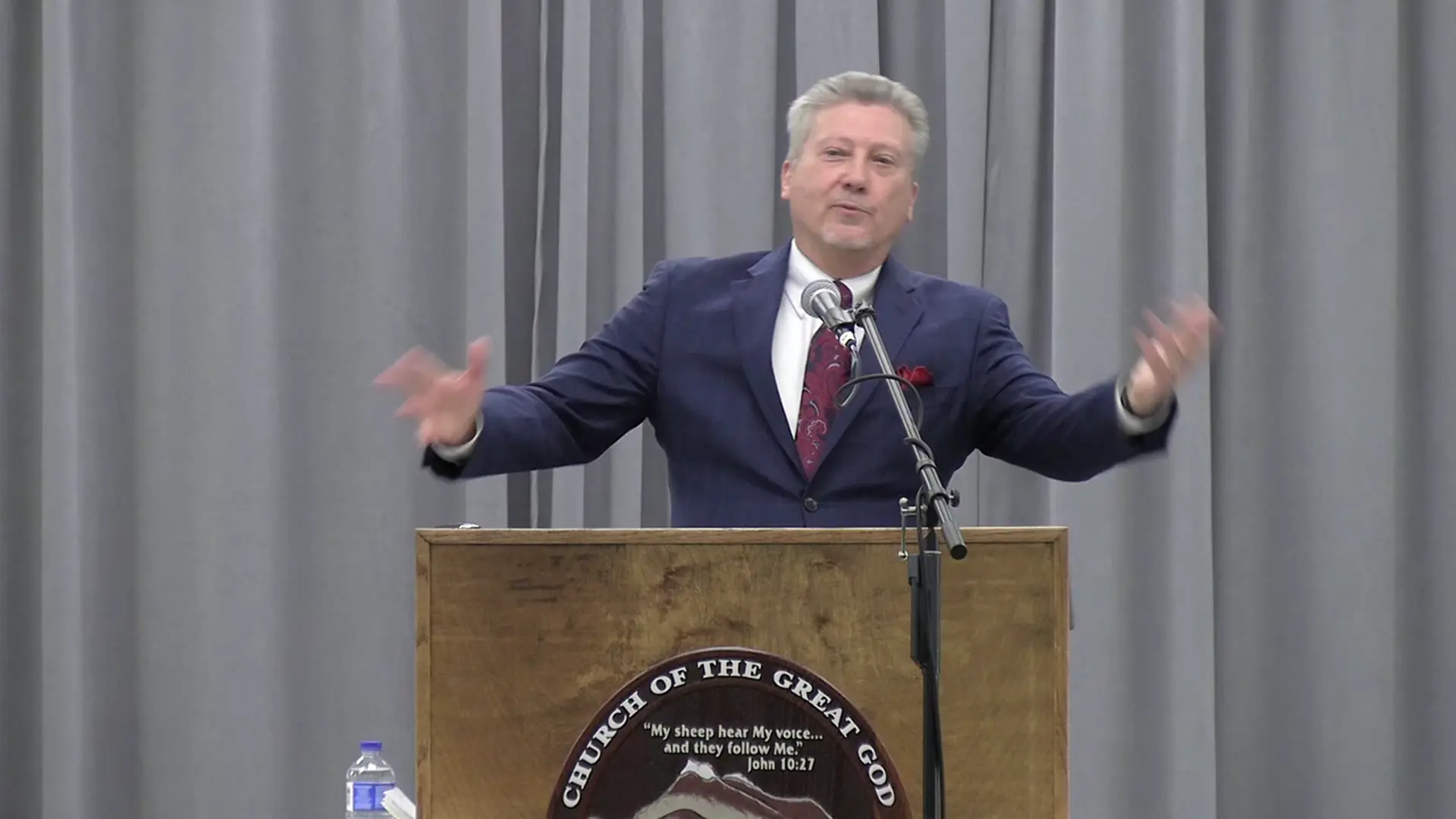
Feast of Tabernacles Sermon by Richard T. RitenbaughThe Eighth Day encapsulates the fullness of God's divine plan through Christ, who embodies and fulfills every lesson, hope, and promise depicted in the holy days.
Jesus in the Feasts (Part Three): Divine King
Sermon by Richard T. RitenbaughThe trumpet blast is both a memorial and a proclamation that Almighty God is present, powerful, and personal, reminding us how we must respond.

The Christian Walk (Part Three): In Wisdom
Sermon by Richard T. RitenbaughGod wants us to take our salvation seriously, walking in love, light, and wisdom, attaining the know-how to work out our own salvation, redeeming the time.
Christ Our Standard
Sermon by Richard T. RitenbaughKnowledge of God's truth is useless unless it is acted on. God will only accept children who follow Christ's example and conduct their lives by His high standards.
Whither the Holy Spirit?
CGG Weekly by Richard T. RitenbaughIn nearly every greeting in the epistles, the writer sends greetings from the Father and Jesus Christ. Why are there no greetings from the Holy Spirit?
The Holy Spirit and the Trinity (Part Five)
Sermon by John W. RitenbaughGod's Spirit is the essence of His mind rather than a third person. With this Spirit, God opens our minds, dwells in us, and transfers His nature to us.
The Father-Son Relationship (Part Seven)
Sermon by John W. RitenbaughThe Holy Spirit is never venerated as a separate being. Our hope is the indwelling of Christ, used interchangeably with 'Spirit of God' and 'Spirit of Truth.'
The Absence-Presence Dichotomy and God's Spirit
Sermon by Charles Whitaker (1944-2021)Paul's use of the presence-absence dichotomy clarified that absence does not materially affect the Work of God because the same Holy Spirit is always present.
The Five Paraklete Sayings
Sermon by Richard T. RitenbaughThe five parakletos sayings of Christ prove that the Holy Spirit is the essence, mind, and power of God and Christ in us, providing us assistance and counsel.
The Father-Son Relationship (Part Eight)
Sermon by John W. RitenbaughJesus Christ and God the Father are one in spirit and purpose, purposing to draw us toward that same kind of unity that currently exists between them.
The Holy Spirit and the Trinity (Part Four)
Sermon by John W. RitenbaughBeing 'in Christ' does not refer to location, but instead our 'concern with' or 'involvement with' Him—and He with us.
The Holy Spirit and the Trinity (Part One)
Sermon by John W. RitenbaughThe architects of the trinity doctrine admit that it is a 'somewhat unsteady silhouette', requiring assumptions and inferences, but unsupportable by Scripture.
Deceivers and Antichrists (Part Two)
CGG Weekly by David C. GrabbeJohn says that those who do not confess Christ as 'coming in the flesh'—or 'as appearing in flesh'—in the present—are deceivers and antichrists.
Offerings (Part Seven)
Sermon/Bible Study by John W. RitenbaughIf we want to follow Christ, we must sacrifice, take up our cross, and follow His example of service to God and others.
Deceivers and Antichrists (Part Three)
CGG Weekly by David C. GrabbeWhile professing Christians confess that Christ has come in the flesh, most do not truly confess that He is appearing in their flesh. They deny Him in works.
Joy: What Is It?
Sermon by Richard T. RitenbaughWithout God's Spirit, the fruit of joy is unattainable. Godly joy buoys people in the midst of grave trials, providing hope for a glorious future.
The Resurrection From the Dead
Sermon by John W. RitenbaughOur lives revolve around the hope of a resurrection from the dead. Hope, deriving from Christ's resurrection, gives faith and love impetus and energy.
Made Alive by Exceeding Greatness!
Sermon by Martin G. CollinsGod granted humans a limited measure of power and dominion at creation, but not until the Day of Pentecost of 31 AD did their potential become fully operative.
Deceivers and Antichrists
Sermonette by David C. GrabbeWhoever does not abide in the doctrine of the indwelling of Christ does not have God, but whoever does abide in this doctrine has both the Father and the Son.
God's Investment in You
Sermon by Mark SchindlerGod wants to protect His investment in us, calling those whom He knows will exercise the zeal, and willingness to sacrifice, to complete the project.
What is Acceptable to the Lord
Feast of Tabernacles Sermon by Martin G. CollinsWhile Jesus associated with harlots and publicans, He did not condone their works nor had fellowship with the works of darkness. We must follow His example.
John (Part Seventeen)
Sermon/Bible Study by John W. RitenbaughThe shepherd and door analogies in John 10 depict the close relationship of Jesus with His flock as the security and stability provided by His protection.
Unleavened Bread and the Holy Spirit (2019)
Sermon by John W. RitenbaughEgypt is not directly a symbol of sin, but instead the world. The Days of Unleavened Bread symbolize what God did for us, not what we did by our own power.

All in All
'Personal' from John W. RitenbaughWhat does 'all in all' mean in relation to God and Christ? It has great significance to Christians today as they seek the Kingdom of God.