


Filter by Categories
The Millennium and Union With Christ
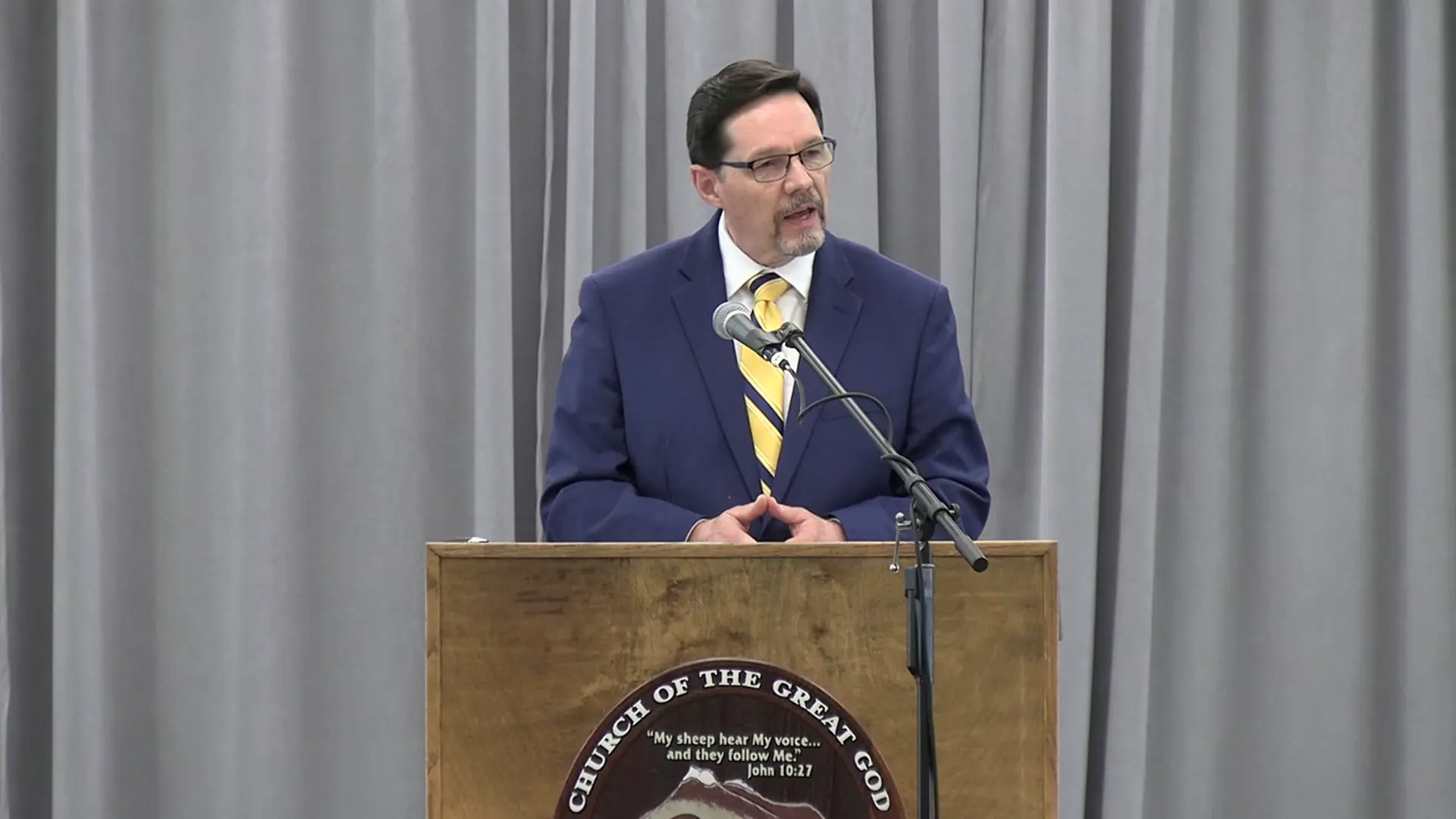
Feast of Tabernacles Sermon by Richard T. RitenbaughThe theme of union with Christ is central to our understanding of our role in the Millennium. It is our union with Christ, both now and in the future, that will be the key to our abilities and success during that time. When Jesus Christ returns, putting down all rebellion and raising us as His firstfruits and His bride, we will have eternal life and a future with Him in His Kingdom. This union with Christ equips us to lead a world of lost, war-weary, and hopeless people who have just emerged from a long war and numerous atrocities. As the firstfruits of God, we will awaken to a people in need of leadership, instruction, clear goals, and solutions. Our job will be to provide these under Christ's guidance. Like Captain Geary from a different time with unique training, we will be throwbacks to a better way, enabled by our union with Christ to offer hope, security, trust, contentment, joy, and faith in God to those who have survived the great tribulation and the Day of the Lord. Christ in us is the mystery revealed to His saints, the key that makes all the difference. It is His Spirit, His life, and His wisdom dwelling in us that transforms us from ordinary to extraordinary, giving us an edge we can use at any time. His power enables us to believe, act, and grow in character. He abides in us continually, providing what we need to learn, grow, and prepare for our roles in the grave and beyond. In the Millennium, as the bride of Christ, we will work closely with Him to perform the monumental task of teaching and guiding. He will receive the glory, but we, as His teachers on the ground, will do the direct work with the people. By the time we reign with Christ for a thousand years, we will be perfectly qualified to help others learn, grow, and grasp this mystery, putting their past horrors behind them. Through Christ in us, we will teach them to thrive in the freedom of God, guiding them in a way of life filled with honor, righteousness, and peace, healing them and keeping them on the right path. Ultimately, as the firstfruits of God, so identified with our Savior, Jesus Christ, through our union with Him, we will be seen as saviors alongside Him, recognized as those who came with Christ to save humanity from the terrible events of the end times.
The Meaning of "In Christ"
Feast of Tabernacles Sermon by Richard T. RitenbaughThe concept of Union with Christ is central to our salvation and defines our role in the Kingdom of God, both now and into eternity. Being in Christ is the difference-maker, for without Him, we would be nothing. The apostle Paul emphasizes this union repeatedly in his writings, using phrases like "in Christ," "in Him," or similar expressions over 155 times across his epistles, highlighting that everything we have—past, present, and future—is owed to Christ. This union is not only expressed through direct phrases but also through metaphors such as being part of His body with Him as the Head, being clothed with Christ, built up as a temple, or becoming one as the Bride of Christ. This profound connection was revealed to Paul during his conversion on the road to Damascus, where Christ declared that persecuting His followers was equivalent to persecuting Him, showing an inseparable unity between Christ and His people. Christ Himself taught this unity during His ministry, as seen in statements like abiding in Him and He in us, emphasizing a mutual indwelling that unites us with Him and the Father. Through this union, we receive the love of God to its fullest, a reality that transforms our identity and purpose. Paul refines the concept of Union with Christ into various facets, each deepening our understanding. First, through instrumentality, God reconciles the world to Himself in Christ, using Him as the supreme agent for His will in creation, calling, redemption, sanctification, and resurrection. Second, through participation, we share in Christ's experiences, from death and resurrection to suffering and glorification, following in His steps to produce His character image in us. Third, through identification, being in Christ marks us as distinct from the world, labeling us as Christians and setting us apart as saints. Finally, through incorporation, we become part of Christ's spiritual body, absorbed into Him, functioning in specific roles within His church, as depicted in metaphors of body, temple, field, and marriage. Ultimately, being in Christ grants us every spiritual blessing, redeems us through His blood, and secures our inheritance as firstfruits of His spiritual creation. With Him in us and working alongside us, we grow into His character image, equipping us to live and rule with Him in His Kingdom during the Millennium and beyond.
Loving Christ and Revelation 2:1-7
Sermon by John W. RitenbaughThe concept of union with Christ is central to our spiritual journey and relationship with Him. As depicted in Ephesians 2:11-14, we were once strangers, far off from God, but through the blood of Christ, we have been brought near, breaking down the wall of division and making us one with Him. This reconciliation is initiated by God's love, as I John 4:19 states, "We love Him because He first loved us." His love precedes ours, drawing us into a relationship that begins as strangers but grows into an intimate bond, paralleling the deepening connection in a human relationship that culminates in marriage. This union is further expressed in John 17:20-23, where Jesus prays for all believers to be one with Him and the Father, just as They are one, reflecting a profound unity and intimacy. Our love for Christ, partly shed abroad in our hearts by the Holy Spirit and partly generated by recognizing His holiness, drives us to emulate Him and conform to His requirements. This love, combining obligation and affection, motivates us to surrender completely to Him, desiring to spend our lives with Him and become one with Him in purpose and action. The love of Christ compels us, as Paul describes in II Corinthians 5:13-15, to live no longer for ourselves but for Him who died and rose again for us. This compulsive love urges us to respond by setting our will to follow His direction, ceasing to live a self-centered life and instead living in service to Him and others. Through baptism, we die to sin and rise to new life in Christ, symbolizing our union with Him in His death and resurrection, no longer bound by the self but impelled by His love to keep His commandments and produce good works.
Knowing Christ (Part 1)
Sermon by John W. RitenbaughWhen we mortify the flesh, refusing to feed the hungry beast of our carnal nature, we suffer. Suffering for righteousness' sake helps us to know Christ.
The Christian and the World (Part One)
Sermon by John W. RitenbaughThe entire world is antagonistic to God because of the spirit generated by an unseen ruler. Our Christian duty is to stay awake and keep our guard up.
Offerings (Part Seven)
Sermon/Bible Study by John W. RitenbaughIf we want to follow Christ, we must sacrifice, take up our cross, and follow His example of service to God and others.
Without Me, You Can Do Nothing (Part Two)
CGG Weekly by David C. GrabbeProducing fruit is not simply a matter of having Jesus Christ or being forgiven. He says we will not produce anything unless we go on growing in Him.
The Offerings of Leviticus (Part Eight): Conclusion (Part One)
'Personal' from John W. RitenbaughThe offerings have a great deal to do with our relationship with God. How closely do we identify with Christ? Are we being transformed into His image?
Joy: What Is It?
Sermon by Richard T. RitenbaughWithout God's Spirit, the fruit of joy is unattainable. Godly joy buoys people in the midst of grave trials, providing hope for a glorious future.
The Eternal Privileges of the Bride
Feast of Tabernacles Sermon by Martin G. CollinsJust as a bride gains a new identity, name, and inheritance through marriage, God's chosen saints, share Christ's very life, glory, and eternal prospects.
All in All
Sermon by John W. RitenbaughThe 'all in all' process has already begun. Our obligation and responsibility is to obey and yield to Christ and God the Father, conforming to their image.
The Resurrection From the Dead
Sermon by John W. RitenbaughOur lives revolve around the hope of a resurrection from the dead. Hope, deriving from Christ's resurrection, gives faith and love impetus and energy.
The Holy Spirit and the Trinity (Part Five)
Sermon by John W. RitenbaughGod's Spirit is the essence of His mind rather than a third person. With this Spirit, God opens our minds, dwells in us, and transfers His nature to us.
God's Workmanship (Part 2)
Sermon by John W. RitenbaughWorks are not the cause of salvation, but instead are the effect of God's creative efforts at bringing us into His image—a new creation.
Forms vs. Spirituality (Part 6)
Sermon by John W. RitenbaughChrist emphasizes that the internal, weightier matters, which change the heart, take precedence over external ceremonial concerns that don't change the heart.
Image and Likeness of God (Part Four)
Sermon by John W. RitenbaughThe numerous figures of speech describing God's body parts substantiate that God has shape and form and occupies a specific location.